Dual Endothelin Receptor Inhibition with Bosentan Does Not Prevent the Early Formation of Post-Traumatic Joint Contracture in a Rat Model
Erik Wegner, Dennis Warnke, Victoria Buschmann, Benedikt Hild, Alexander Pirkl, Ulrike Ritz, Austin Harper, Erol Gercek, Philipp Drees, Andreas Baranowski

TL;DR
This study tested if bosentan, a drug that inhibits endothelin receptors, can prevent joint contractures in rats after trauma, but found no significant effect.
Contribution
The study provides evidence that dual endothelin receptor inhibition with bosentan does not prevent post-traumatic joint contractures in a rat model.
Findings
Bosentan did not reduce joint contracture angle or resistance to extension compared to placebo.
Gene expression and histological analysis showed no antifibrotic effect of bosentan in joint capsules.
Myofibroblast numbers increased significantly in both bosentan and control groups.
Abstract
Background: Post-traumatic joint contracture (PTJC) remains one of the most prevalent and challenging complications arising from musculoskeletal trauma or surgical intervention. Conventional treatment modalities are largely reactive and address symptoms after onset, yet provide limited efficacy once contracture has developed. In contrast, pharmacological strategies targeting the underlying inflammatory and fibrotic pathways offer a promising strategy for preventing the development of PTJC altogether. Methods: A total of 26 male Sprague Dawley rats underwent standardized knee trauma followed by immobilization for a duration of two weeks. Rats were randomized into two groups. The experimental group (n = 13) received bosentan at a dosage of 50 mg/kg twice daily throughout the immobilization period. The control group (n = 13) received a placebo instead. Joint mobility was quantitatively…
Genes, proteins, chemicals, diseases, species, mutations and cell lines named across the full text — each resolved to its canonical identifier and authoritative record.
Click any figure to enlarge with its caption.
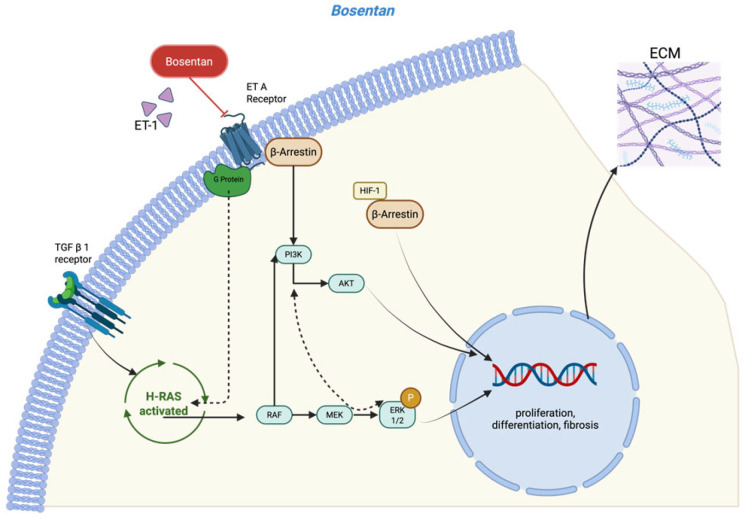 Figure 1
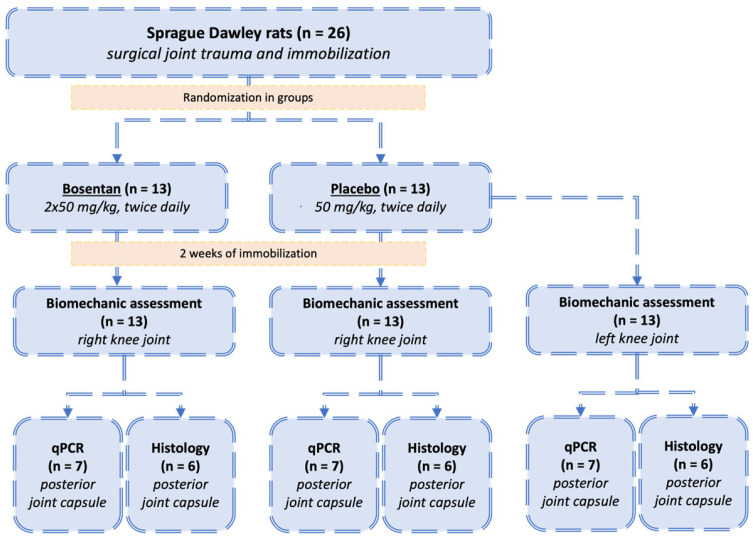 Figure 2
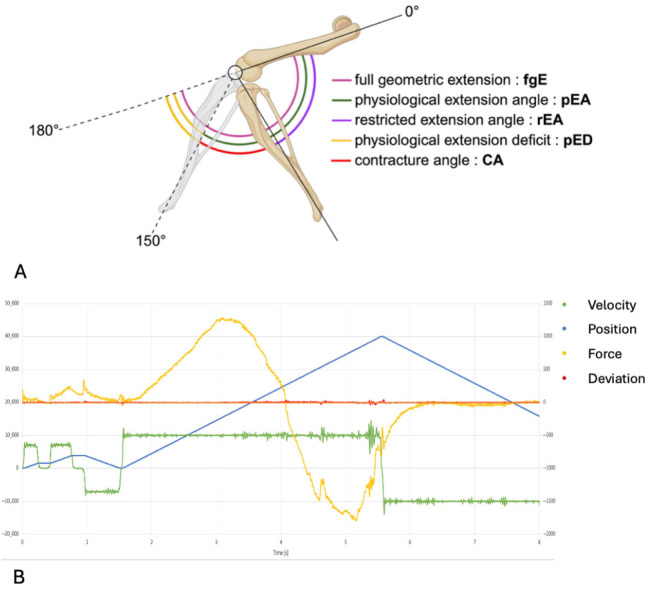 Figure 3
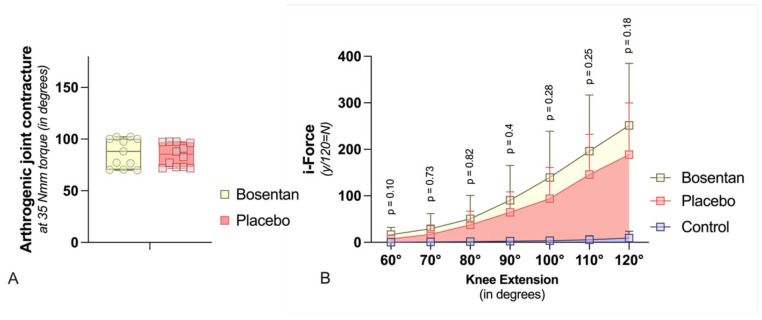 Figure 4
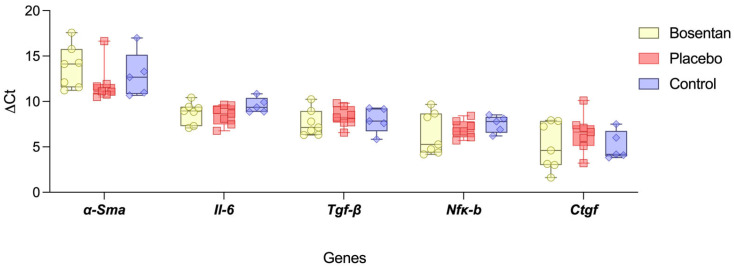 Figure 5
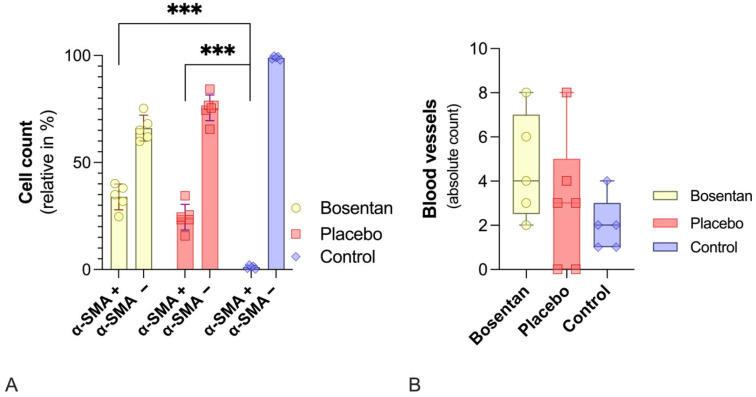 Figure 6
Peer Reviews
No public reviews on file for this paper yet. If you reviewed it on a platform where reviews are public (OpenReview, ICLR, NeurIPS, ICML), you can paste yours below so the community can read it here.
Videos
No videos yet. Explain this paper in a talk, walkthrough, or lecture? Add one.
Taxonomy
TopicsKnee injuries and reconstruction techniques · Pulmonary Hypertension Research and Treatments