Transcriptomic Analysis Reveals Glycolysis and Gluconeogenesis Pathway Activation Underlying Growth Enhancement by Duck-Blood Protein Hydrolysate in Flowerhorn Cichlid Fish
Pimpisut Manassila, Papungkorn Sangsawad, Surintorn Boonanuntanasarn, Jirawadee Kaewda, Pakpoom Boonchuen, Sirawich Limkul, Chatsirin Nakharuthai

TL;DR
This study shows that duck-blood protein hydrolysate boosts growth in flowerhorn cichlid fish by activating glycolysis and gluconeogenesis pathways.
Contribution
The study identifies specific metabolic pathways activated by duck-blood protein hydrolysate in fish growth.
Findings
Supplementation with 1% and 2% DBPH enhanced growth in flowerhorn cichlids.
Transcriptomic analysis revealed 269 upregulated and 232 downregulated genes in liver tissue.
Glycolysis and gluconeogenesis pathways were activated, as confirmed by qRT-PCR validation of key genes.
Abstract
Protein hydrolysates have potential as sustainable functional feed ingredients or additives for the aquaculture industry. This study examined the growth-promoting effects of duck-blood protein hydrolysate (DBPH, <10 kDa) on the flowerhorn cichlid (Amphilophus citrinellus × Cichlasoma trimaculatum). Fish with an average weight of 3.24 ± 0.22 g were randomly assigned to four dietary treatments: a negative control (basal diet) and basal diets supplemented with 0.5%, 1%, and 2% DBPH. After 90 days of the feeding trial, growth parameters indicated that supplementation with 1% and 2% DBPH enhanced growth. However, the muscle composition and skin coloration did not differ significantly. Transcriptome sequencing of the liver tissue yielded 39.83 GB of high-quality clean data. De novo transcriptome assembly identified 32,824 unigenes, of which 21,385 were successfully annotated based on public…
Genes, proteins, chemicals, diseases, species, mutations and cell lines named across the full text — each resolved to its canonical identifier and authoritative record.
Click any figure to enlarge with its caption.
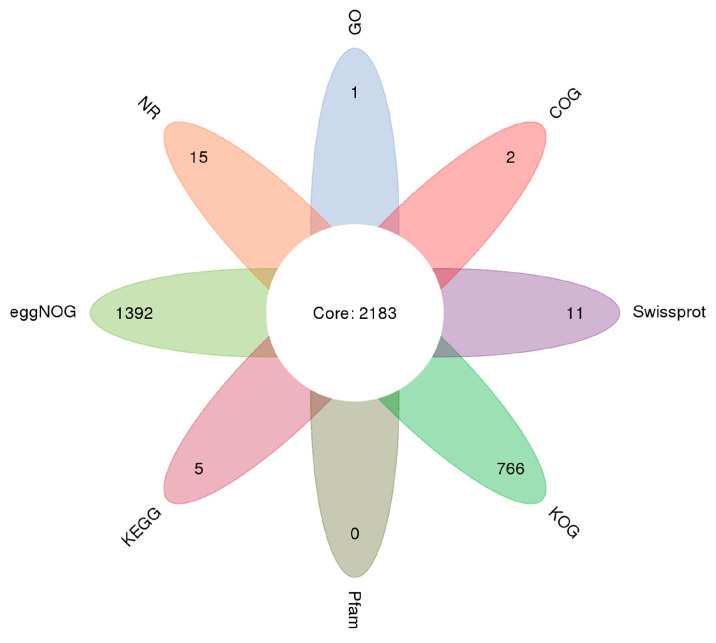 Figure 1
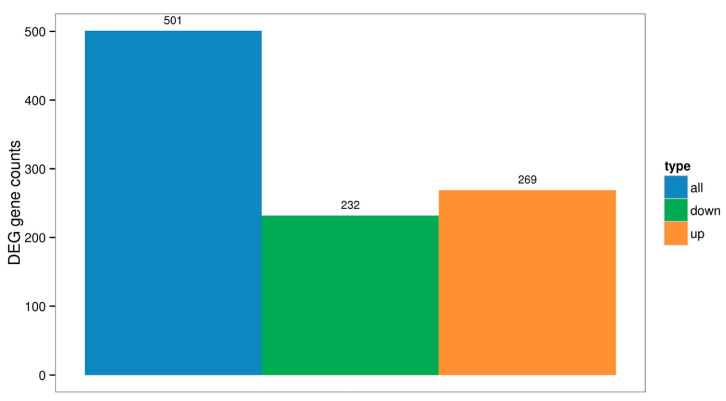 Figure 2
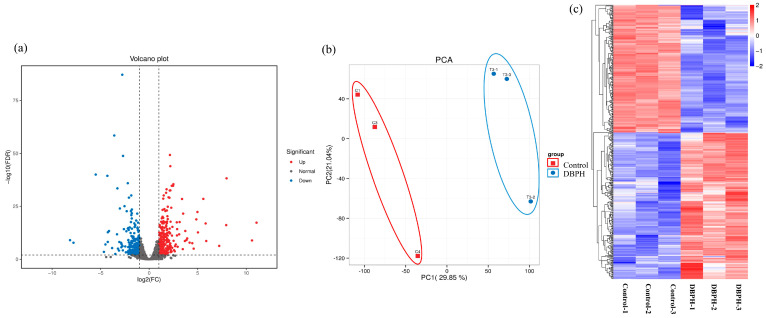 Figure 3
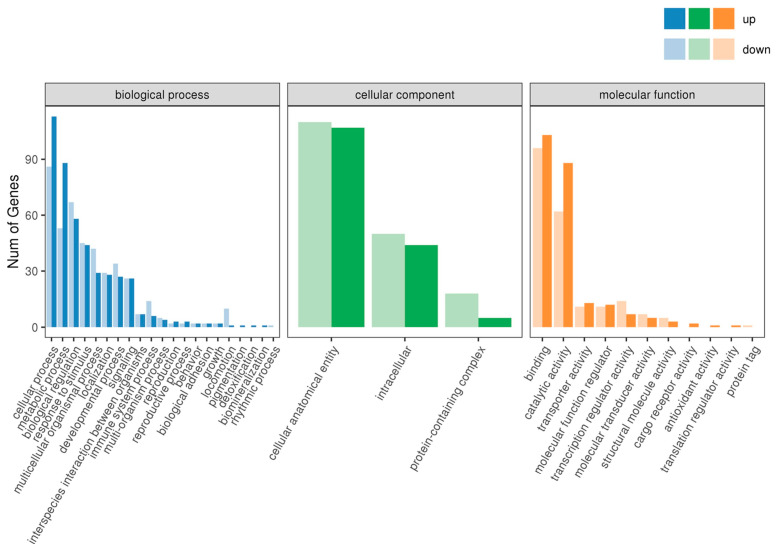 Figure 4
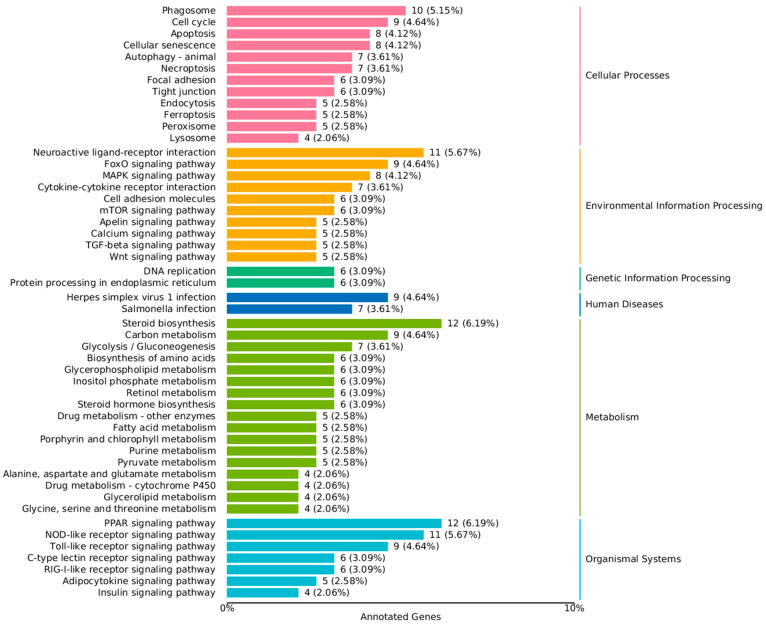 Figure 5
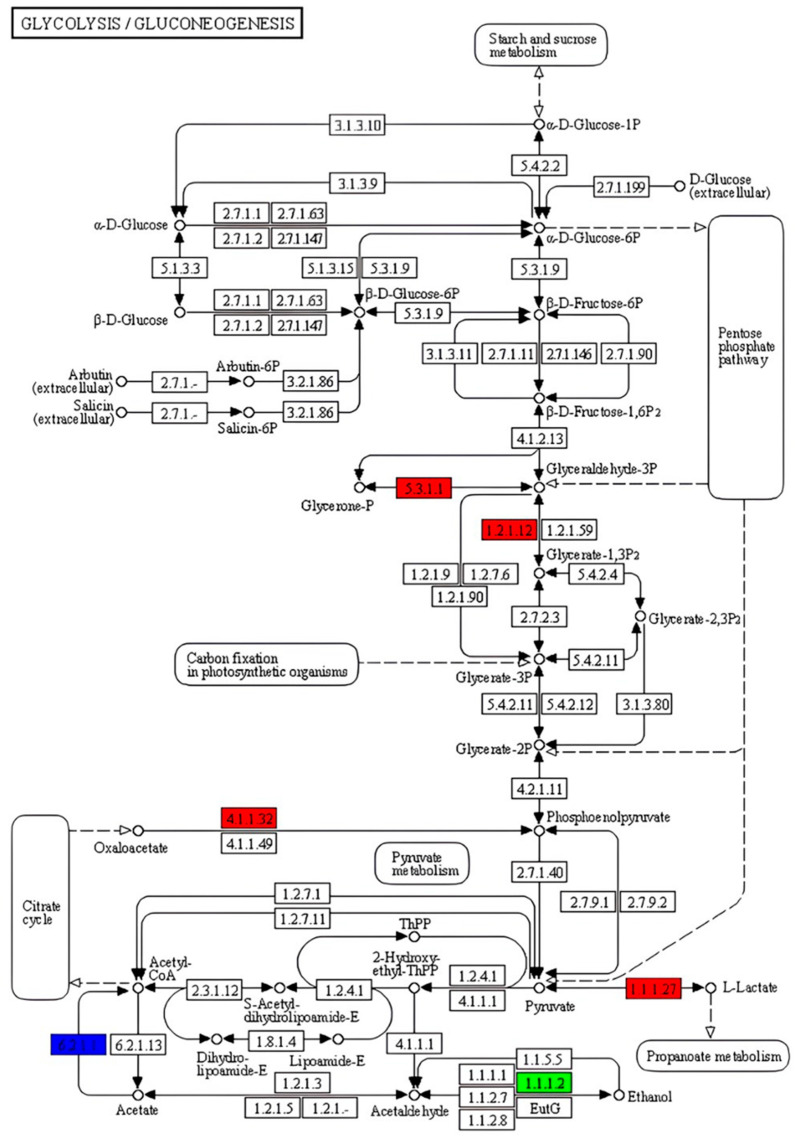 Figure 6
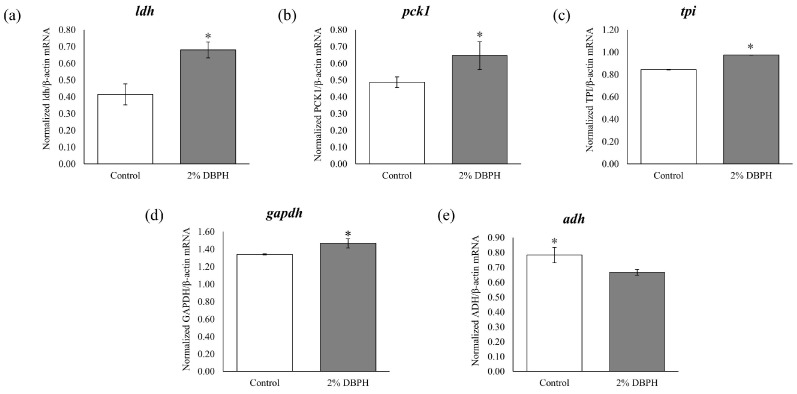 Figure 7
Peer Reviews
No public reviews on file for this paper yet. If you reviewed it on a platform where reviews are public (OpenReview, ICLR, NeurIPS, ICML), you can paste yours below so the community can read it here.
Videos
No videos yet. Explain this paper in a talk, walkthrough, or lecture? Add one.
Taxonomy
TopicsAquaculture Nutrition and Growth · Aquaculture disease management and microbiota · Reproductive biology and impacts on aquatic species