The Sirt1 Activator SRT1720 Mitigates Human Monocyte Activation and Improves Outcome During Gram-Negative Pneumosepsis in Mice
Mathieu Blot, Valentine Léopold, Regina de Beer, Sandrine Florquin, Joe M. Butler, Cornelis van’t Veer, Alex F. de Vos, Tom van der Poll

TL;DR
The Sirt1 activator SRT1720 reduces inflammation and improves survival in a mouse model of pneumonia caused by Gram-negative bacteria.
Contribution
SRT1720 mitigates monocyte activation and improves outcomes in Gram-negative pneumosepsis through Sirt1 activation.
Findings
Sirt1 mRNA levels were reduced in monocytes from CAP patients compared to healthy controls.
SRT1720 reduced inflammation markers and organ injury in a mouse model of pneumosepsis.
SRT1720 reduced bacterial dissemination in blood without affecting lung bacterial loads.
Abstract
Community-acquired pneumonia (CAP) is a leading cause of death, with mortality linked to an unbalanced host response. Sirtuin (Sirt)1, a histone deacetylase, regulating metabolism and epigenetics, may be fundamental in activating the innate immune response. Sirt1 mRNA expression was significantly reduced in monocytes from CAP patients (n = 76) upon admission compared to healthy controls (n = 42), with levels returning to normal after 30 days. Pharmacological activation of Sirt1 with SRT1720 decreased LPS- and K. pneumoniae-induced IL-6 release in primary human monocytes and decreased NF-κB activation in THP1 cells. In a mouse K. pneumoniae pneumosepsis model, SRT1720 strongly reduced neutrophil influx and degranulation markers in bronchoalveolar lavage fluid, lowered pulmonary concentrations of IL-6 and TNF-α, and reduced lung pathology scores. Simultaneously, it reduced neutrophil…
Genes, proteins, chemicals, diseases, species, mutations and cell lines named across the full text — each resolved to its canonical identifier and authoritative record.
Click any figure to enlarge with its caption.
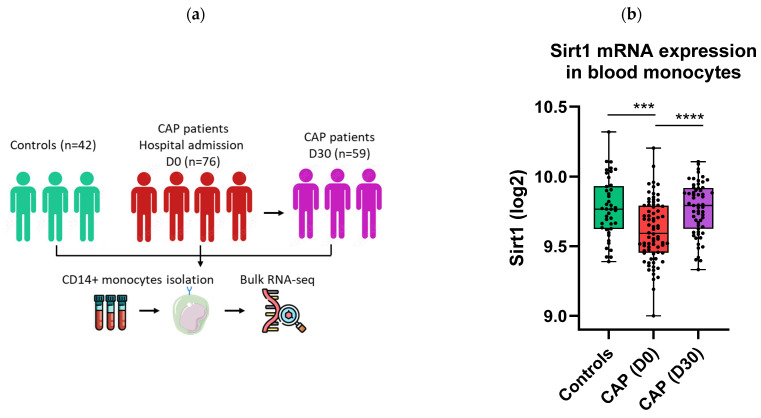 Figure 1
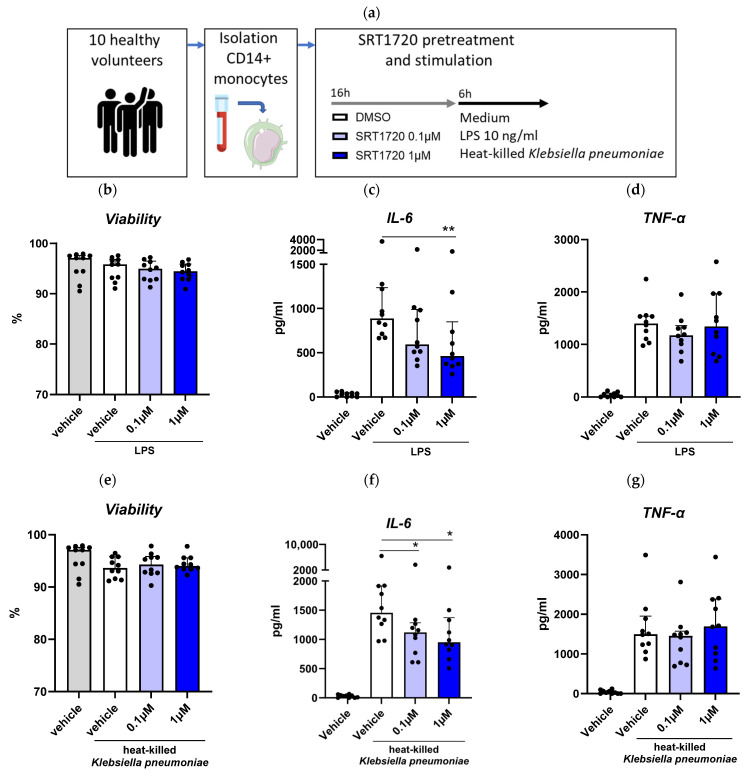 Figure 2
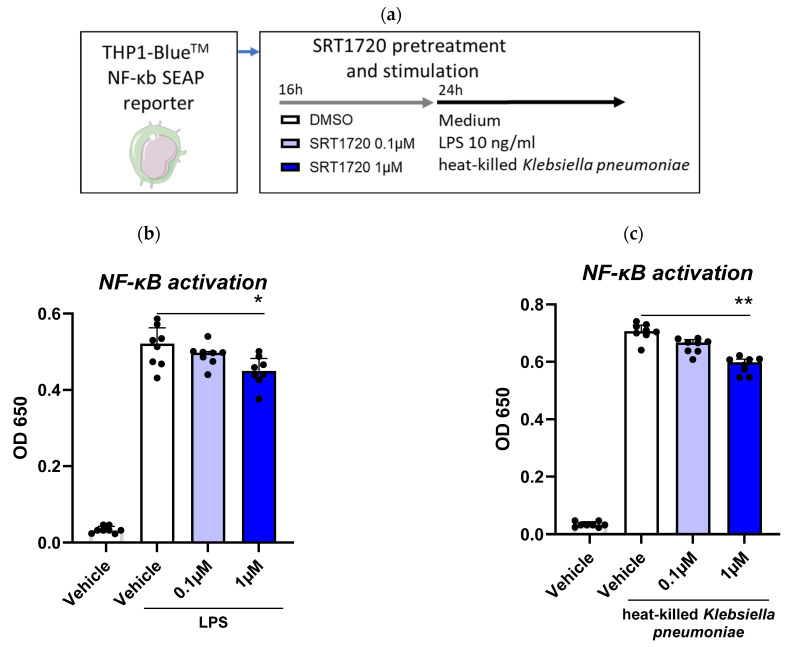 Figure 3
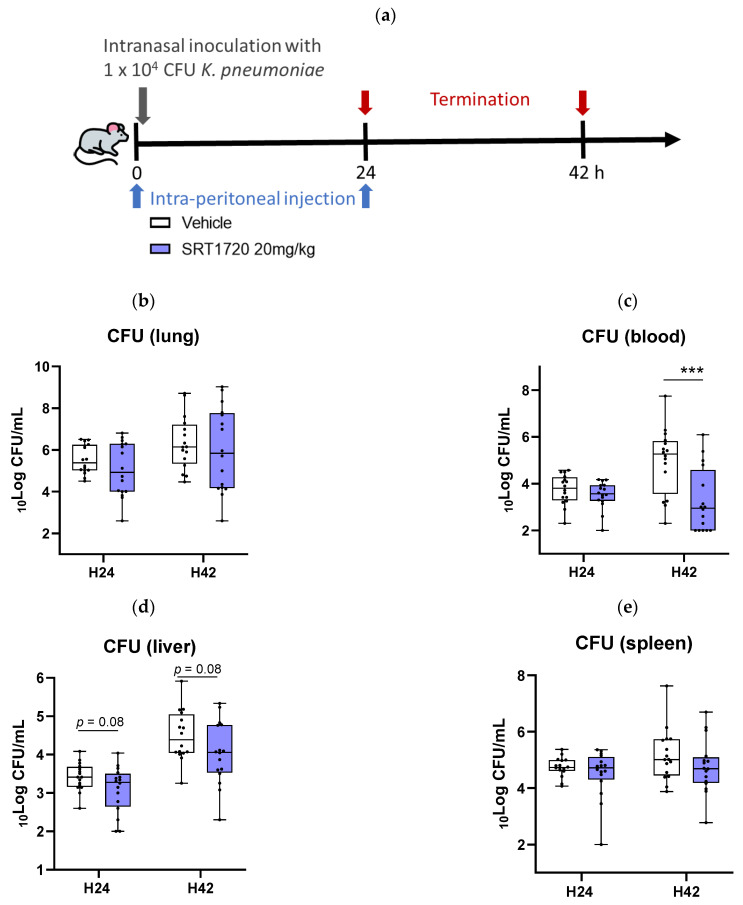 Figure 4
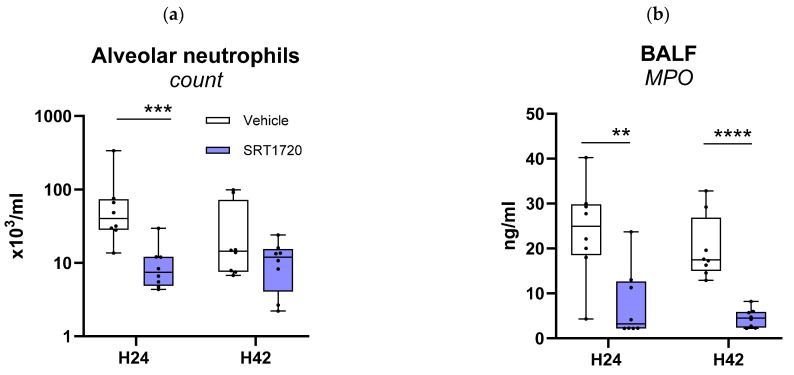 Figure 5
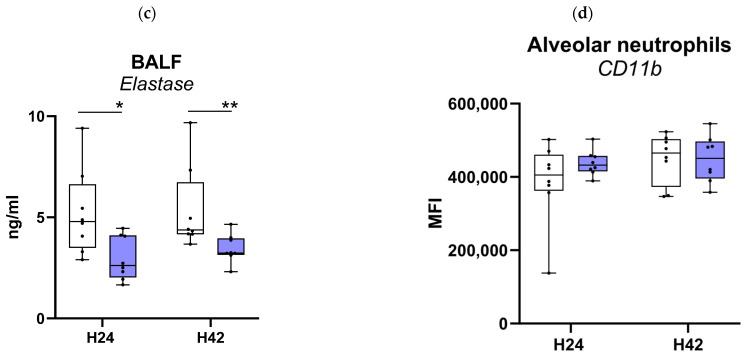 Figure 6
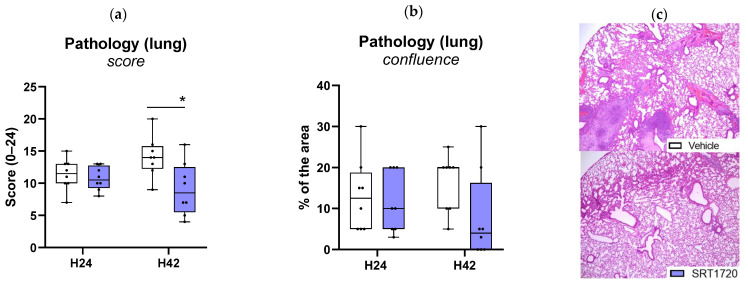 Figure 7
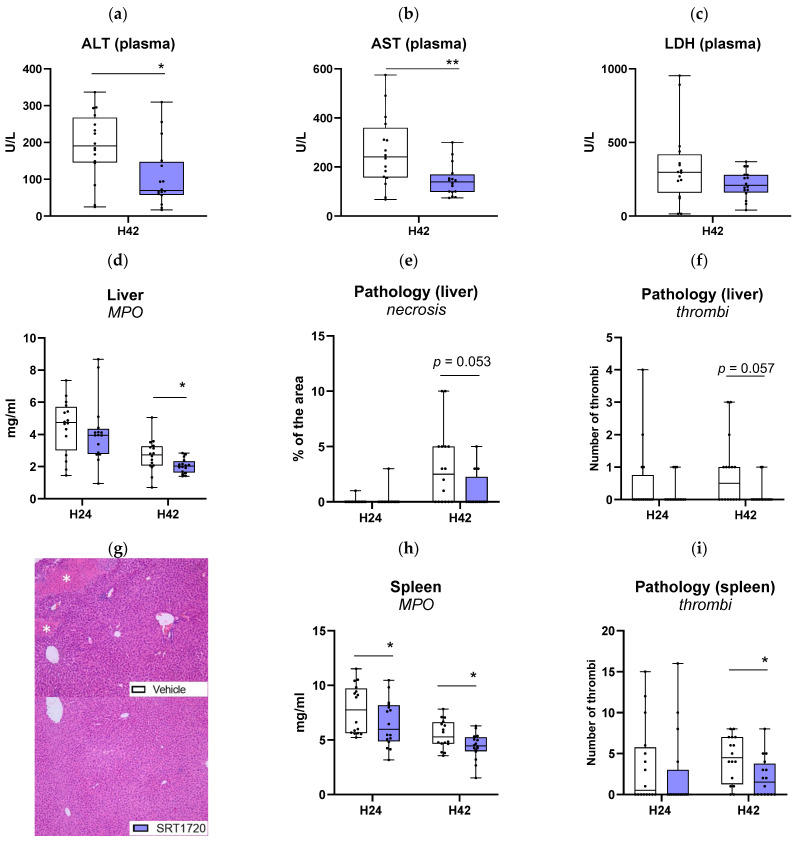 Figure 8
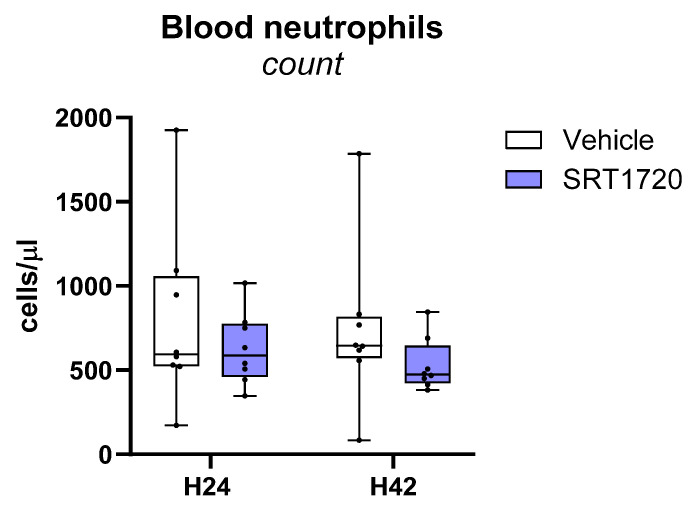 Figure 9
Peer Reviews
No public reviews on file for this paper yet. If you reviewed it on a platform where reviews are public (OpenReview, ICLR, NeurIPS, ICML), you can paste yours below so the community can read it here.
Videos
No videos yet. Explain this paper in a talk, walkthrough, or lecture? Add one.
Taxonomy
TopicsSirtuins and Resveratrol in Medicine · Ginseng Biological Effects and Applications · Autophagy in Disease and Therapy