Leveraging Machine Learning for Porosity Prediction in AM Using FDM for Pretrained Models and Process Development
Khadija Ouajjani, James E. Steck, Gerardo Olivares

TL;DR
This paper uses machine learning to predict porosity defects in 3D-printed parts using Fused Deposition Modeling, improving process optimization and reducing trial-and-error.
Contribution
A novel machine learning pipeline is developed for porosity prediction in AM using FDM, with scalable and repeatable validation methods.
Findings
The image classifier achieved over 97% accuracy in distinguishing defective from exploitable images.
The MLP model's accuracy improved from 54.4% to 77.6% with a larger dataset, highlighting the importance of sample size.
A grouped k-fold cross-validation protocol was implemented to prevent data leakage and overfitting.
Abstract
Additive manufacturing involves numerous independent parameters, often leading to inconsistent print quality and necessitating costly trial-and-error approaches to optimize input variables. Machine learning offers a solution to this non-linear problem by predicting optimal printing parameters from a minimal set of experiments. Using Fused Deposition Modeling (FDM) as a case study, this work develops a machine learning-powered process to predict porosity defects. Specimens in two geometrical scales were 3D-printed and CT-scanned, yielding raw datasets of grayscale images. A machine learning image classifier was trained on the small-cube dataset (~2200 images) to distinguish exploitable images from defective ones, averaging over 97% accuracy and correctly classifying more than 90% of the large-cube exploitable images. The developed preprocessing scripts extracted porosity features from…
Genes, proteins, chemicals, diseases, species, mutations and cell lines named across the full text — each resolved to its canonical identifier and authoritative record.
Click any figure to enlarge with its caption.
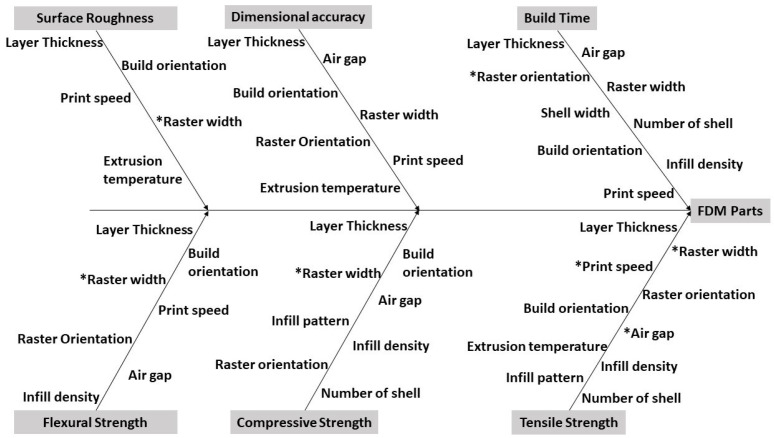 Figure 1
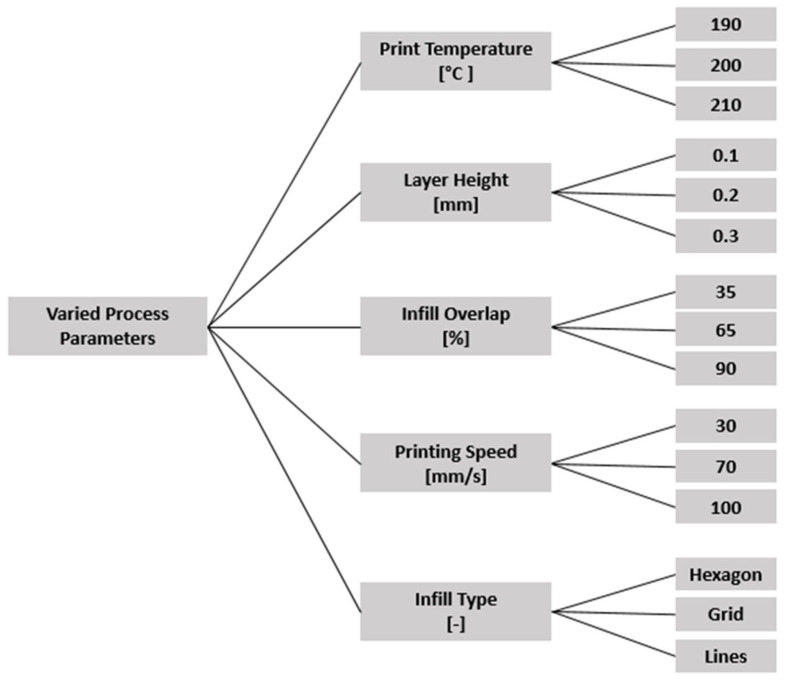 Figure 2
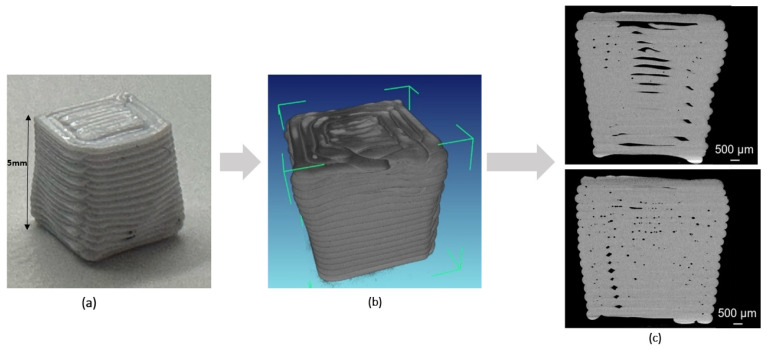 Figure 3
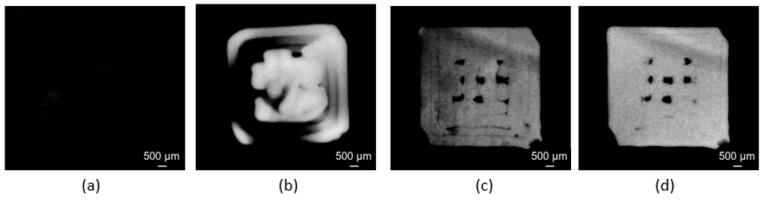 Figure 4
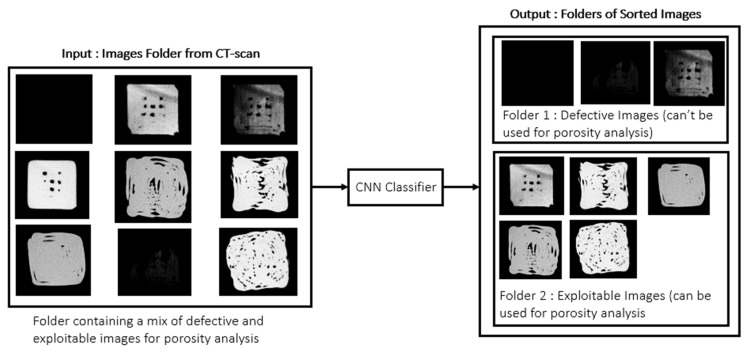 Figure 5
 Figure 6
 Figure 7
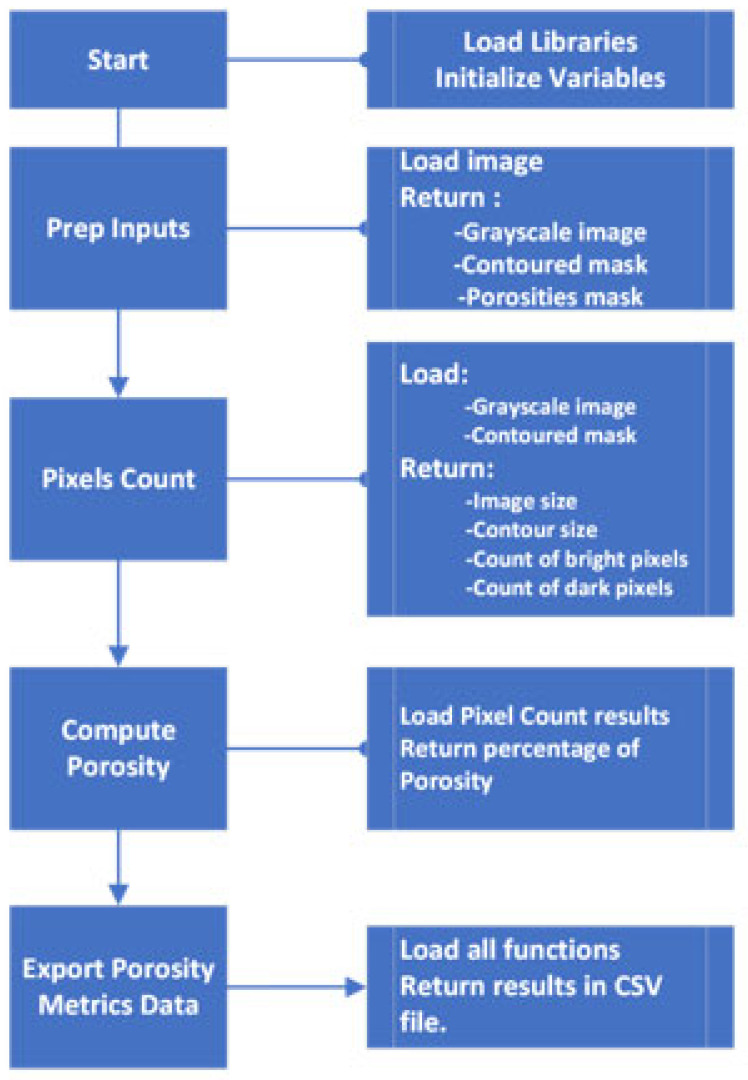 Figure 8
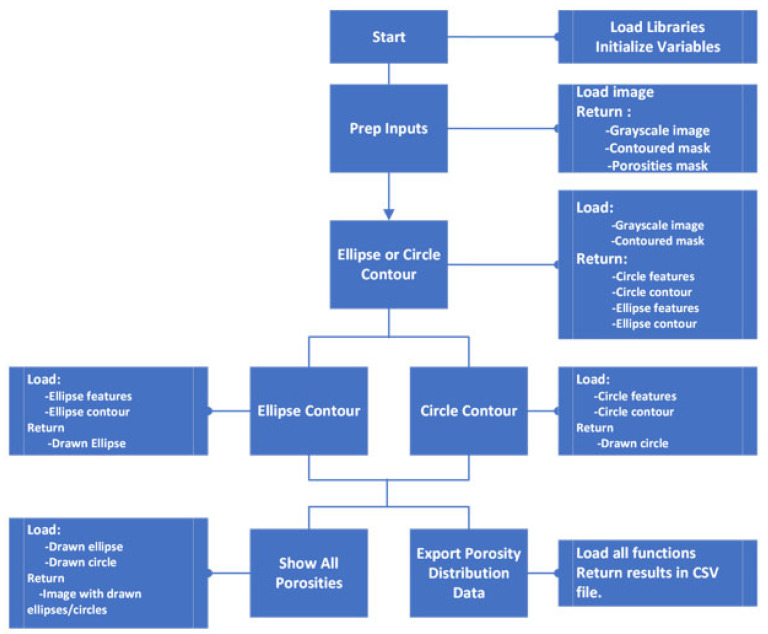 Figure 9
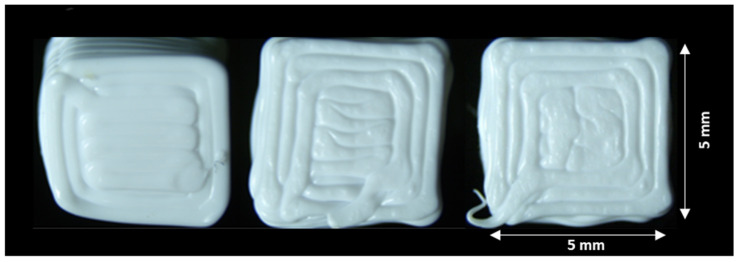 Figure 10
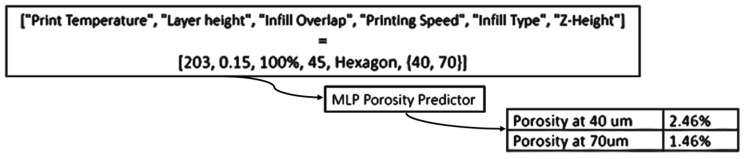 Figure 11
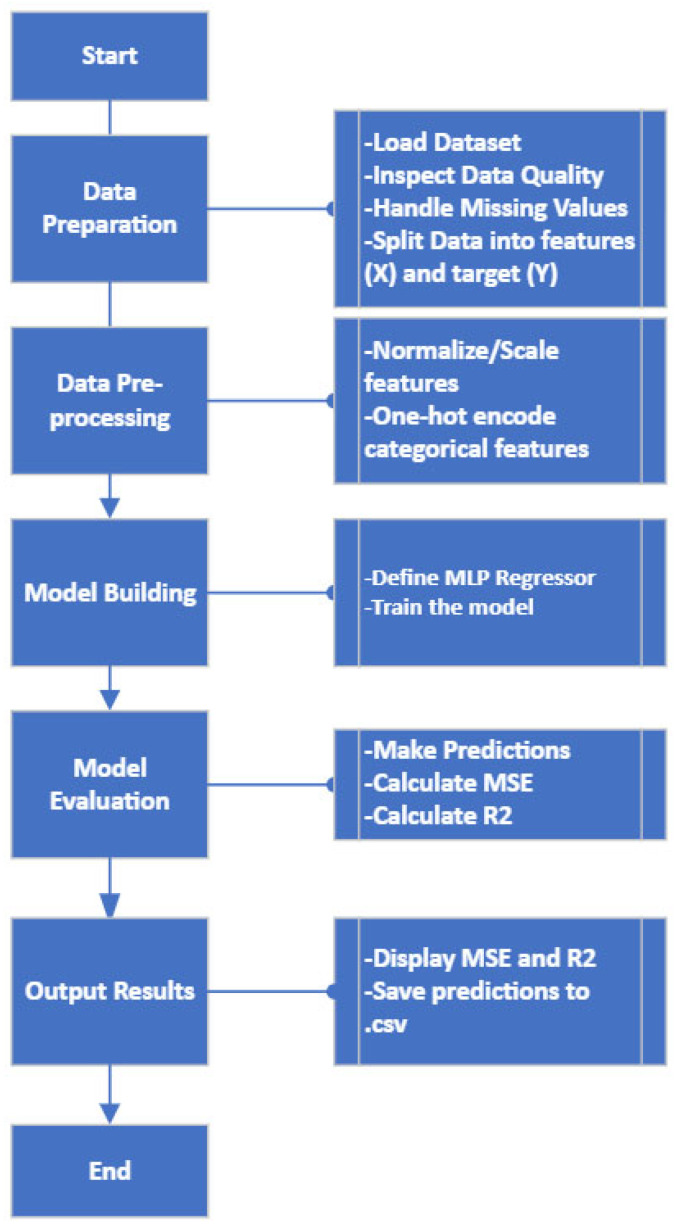 Figure 12
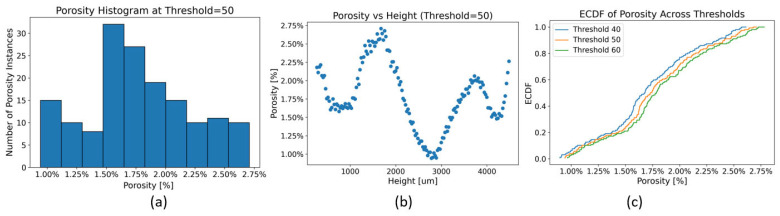 Figure 13
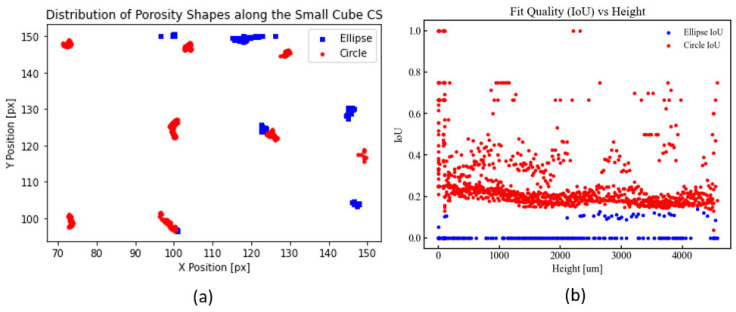 Figure 14
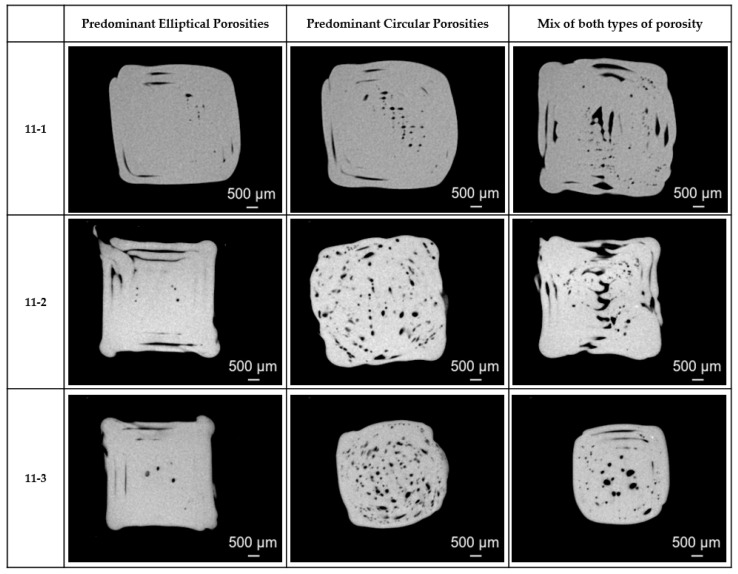 Figure 15
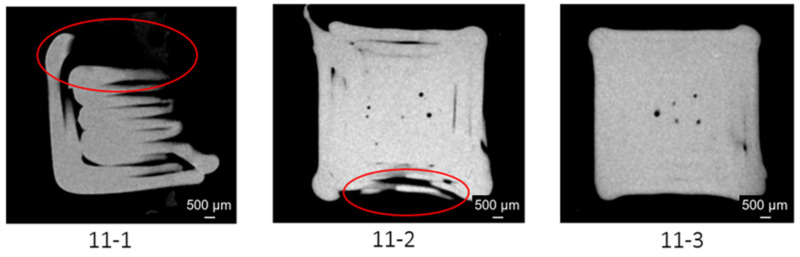 Figure 16
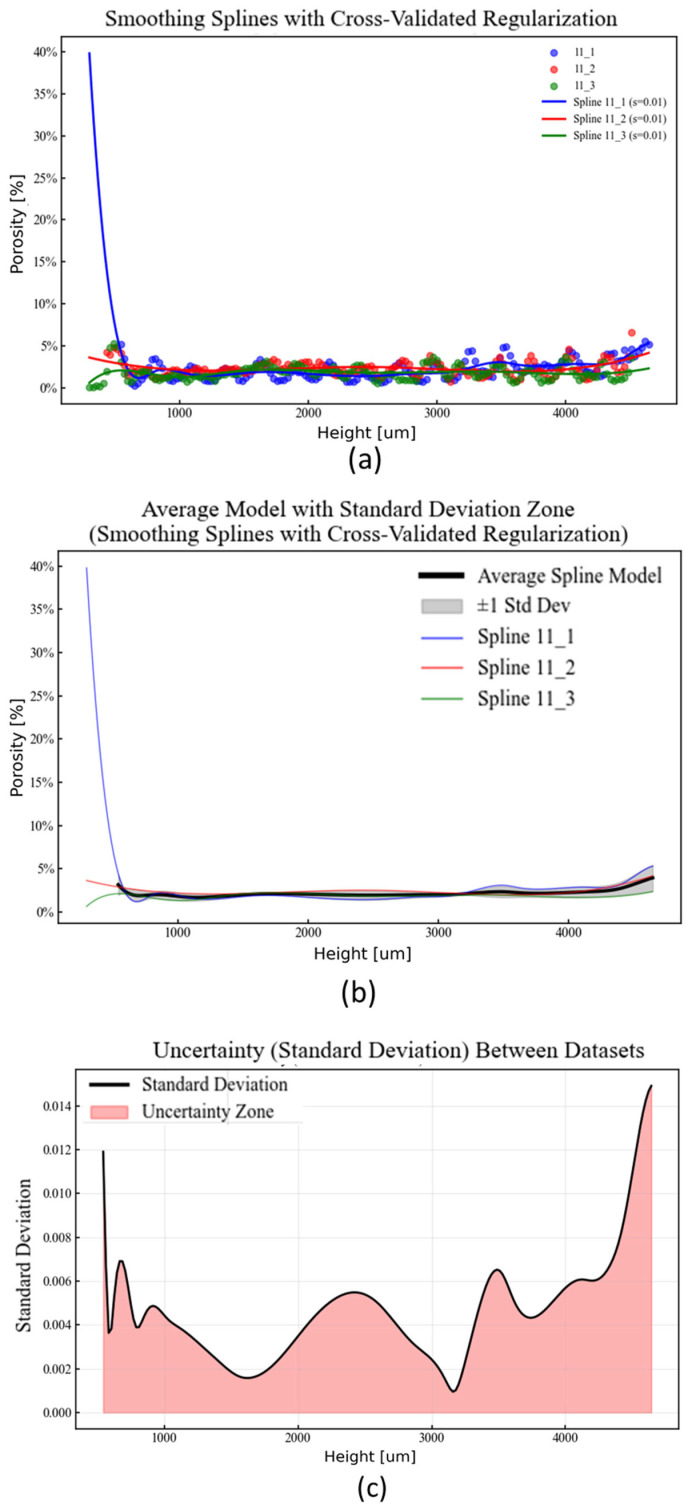 Figure 17
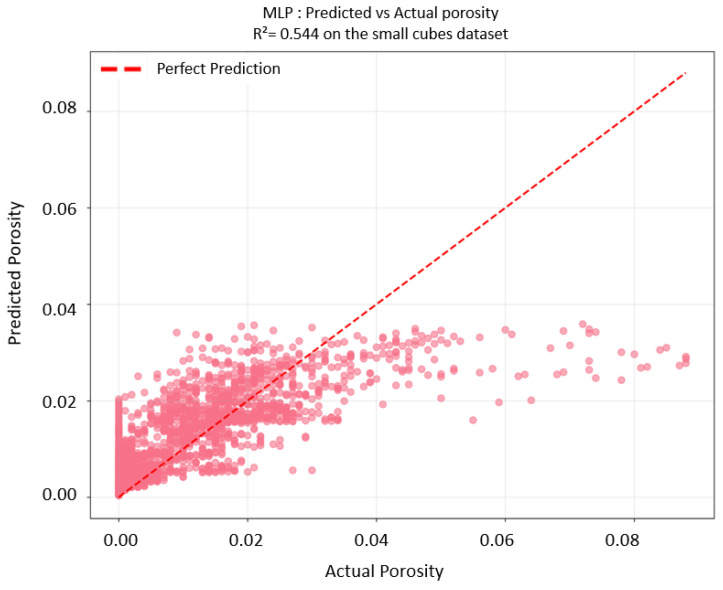 Figure 18
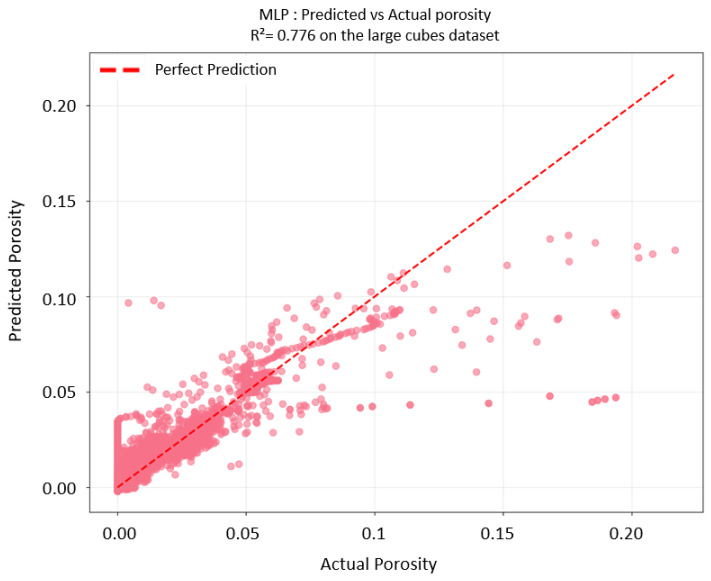 Figure 19
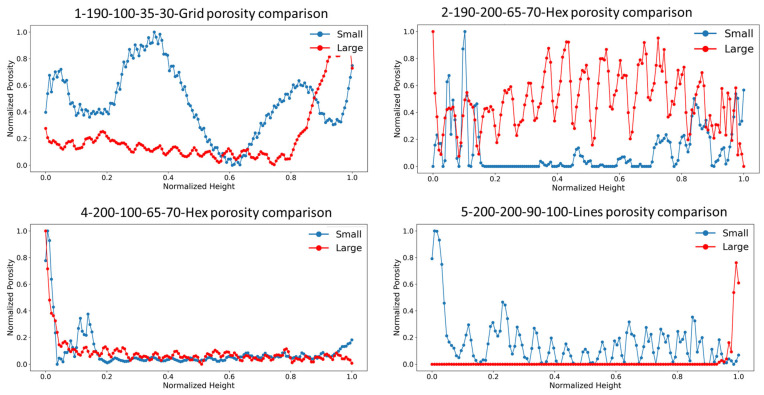 Figure 20
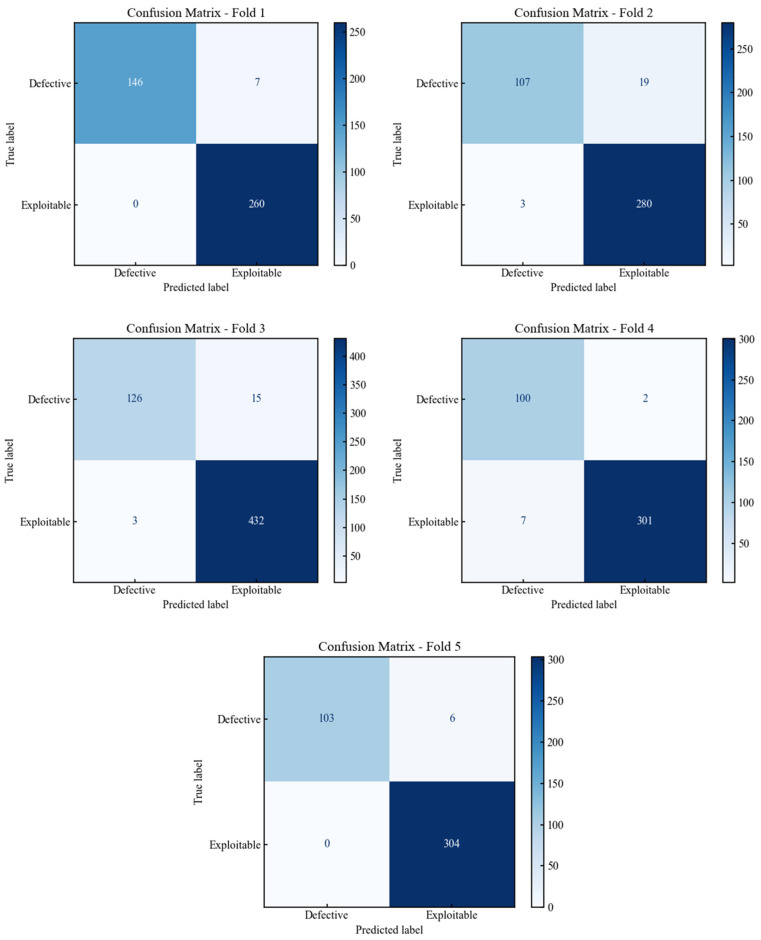 Figure 21
Peer Reviews
No public reviews on file for this paper yet. If you reviewed it on a platform where reviews are public (OpenReview, ICLR, NeurIPS, ICML), you can paste yours below so the community can read it here.
Videos
No videos yet. Explain this paper in a talk, walkthrough, or lecture? Add one.
Taxonomy
TopicsAdditive Manufacturing and 3D Printing Technologies · Additive Manufacturing Materials and Processes · 3D Printing in Biomedical Research