Live Cell-Based Semi-Quantitative Stratification Highlights Titre-Dependent Phenotypic Heterogeneity in MOGAD: A Single-Centre Experience
Donato Regina, Concetta Domenica Gargano, Tommaso Guerra, Antonio Frigeri, Damiano Paolicelli, Maddalena Ruggieri, Pietro Iaffaldano

TL;DR
This study shows that measuring anti-MOG antibody levels in MOGAD patients helps identify different disease patterns and improves diagnosis.
Contribution
The study introduces a semi-quantitative method to classify MOGAD patients based on antibody titre levels, revealing phenotypic heterogeneity.
Findings
High-titre MOGAD patients tend to have optic neuritis and encephalic involvement.
Low-titre patients more often show spinal cord syndromes and brainstem symptoms.
Semi-quantitative fluorescence ratios reliably correlate with antibody titre levels.
Abstract
Myelin oligodendrocyte glycoprotein antibody–associated disease (MOGAD) is an inflammatory demyelinating disorder of the central nervous system characterised by heterogeneous clinical and radiological presentations. Accurate interpretation of serum anti–myelin oligodendrocyte glycoprotein (anti-MOG) antibody titres is critical to improve diagnostic precision and prognostic assessment. This single-centre retrospective study evaluated 19 patients diagnosed with MOGAD in 2023, all of whom were seropositive for anti-MOG IgG, as confirmed by live cell-based assays (CBAs) using full-length human MOG and IgG1-specific secondary antibodies. Antibody quantification combined a ratiometric semi-quantitative fluorescence index with classical endpoint dilution titres, enabling classification into low, medium, and high titre groups. Stratification revealed titre-dependent phenotypic heterogeneity:…
Genes, proteins, chemicals, diseases, species, mutations and cell lines named across the full text — each resolved to its canonical identifier and authoritative record.
Click any figure to enlarge with its caption.
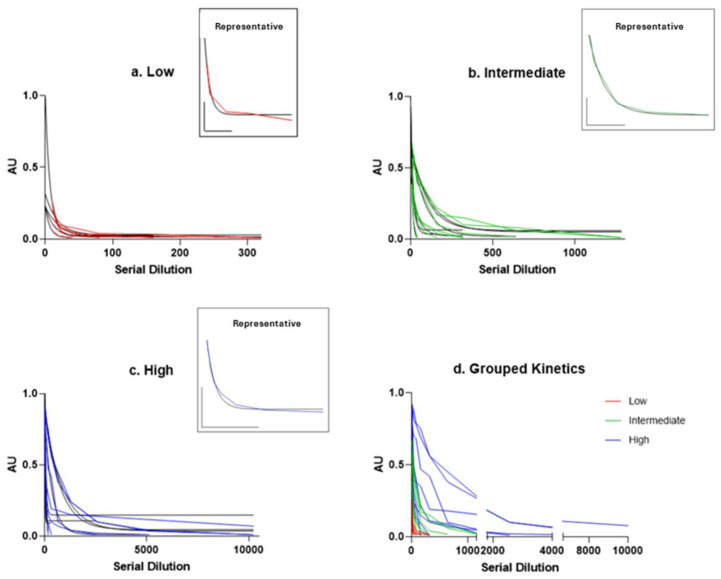 Figure 1
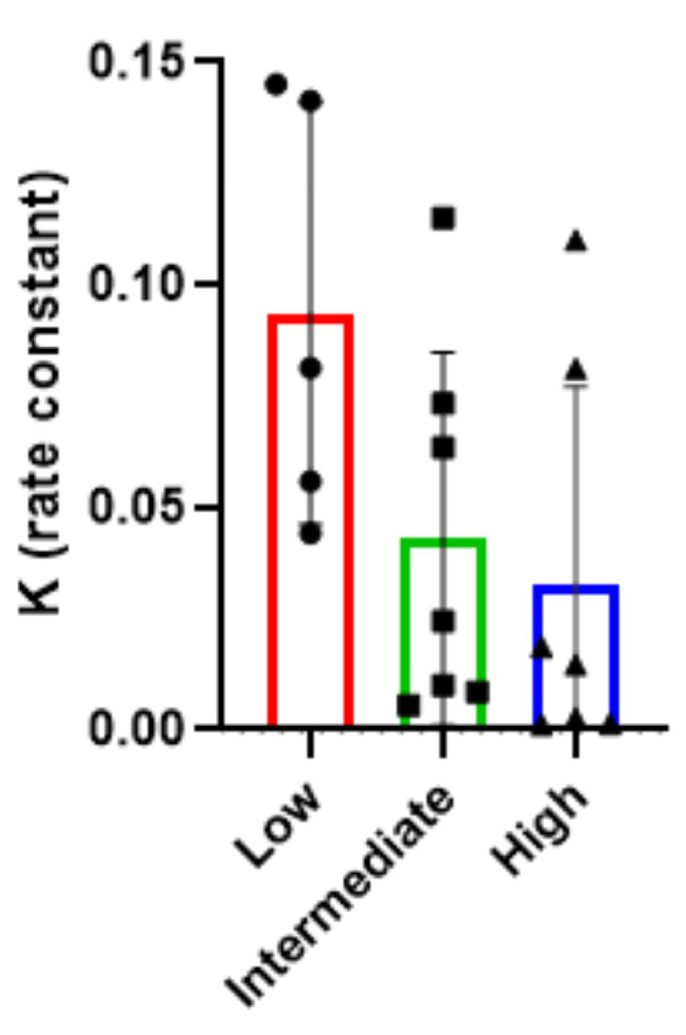 Figure 2
Peer Reviews
No public reviews on file for this paper yet. If you reviewed it on a platform where reviews are public (OpenReview, ICLR, NeurIPS, ICML), you can paste yours below so the community can read it here.
Videos
No videos yet. Explain this paper in a talk, walkthrough, or lecture? Add one.
Taxonomy
TopicsPeripheral Neuropathies and Disorders · Multiple Sclerosis Research Studies · Systemic Lupus Erythematosus Research