The Effects of Unit Cell Arrangement and Hybrid Design on the Compressive Performances of Additive Manufactured Corrax Maraging Stainless Steel Lattices
Ming-Hsiang Ku, Shou-Wun Chen, Cheng-Da Wu, Yan-Ting Liu, Quiao-En Lin, Chien-Lun Li, Ming-Wei Wu

TL;DR
This study shows how combining different unit cell designs in 3D-printed metal lattices improves their strength and energy absorption under compression.
Contribution
The paper introduces a hybrid lattice design that optimizes both unit cell geometry and arrangement for enhanced compressive performance.
Findings
The hybrid lattice achieved the highest compressive strength and energy absorption compared to other designs.
It outperformed other lattices in specific energy absorption by 21.76% and 8.07%.
Uniform stress distribution and delayed shear banding explain the improved performance.
Abstract
Selective laser melting (SLM) enables the production of complexly shaped metals with programmable mechanical responses, yet most lattice studies still rely on a single unit cell and a simple columnar build, severely restricting performance improvements. Here, we examine how combining distinct unit cells and rearranging them within the build volume affects the compressive behavior of SLM Corrax maraging stainless steel lattice structures. Three designs are additively manufactured as follows: a columnar cubic-FCCZ lattice, an alternating cubic and FCCZ lattice, and a hybrid lattice (cubic+FCCZ unit cell). In situ 2D digital image correlation (DIC) and finite element analysis (FEA) are used to resolve full-field strain evolution and failure modes under quasi-static compression. The hybrid lattice achieves the highest first maximum compressive strength (418 ± 5.78 MPa) and energy absorption…
Genes, proteins, chemicals, diseases, species, mutations and cell lines named across the full text — each resolved to its canonical identifier and authoritative record.
Click any figure to enlarge with its caption.
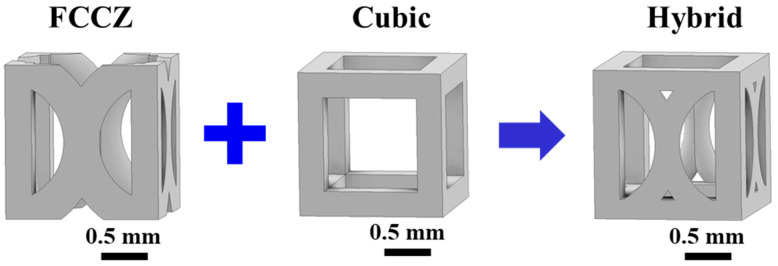 Figure 1
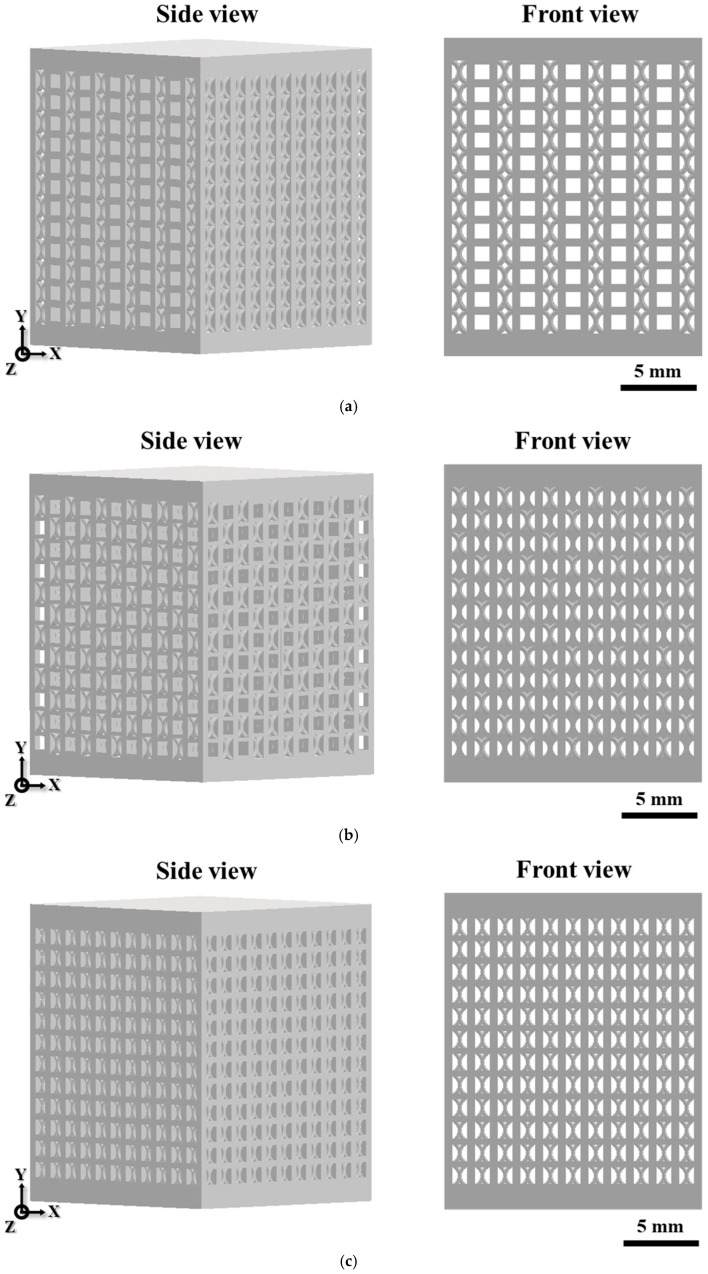 Figure 2
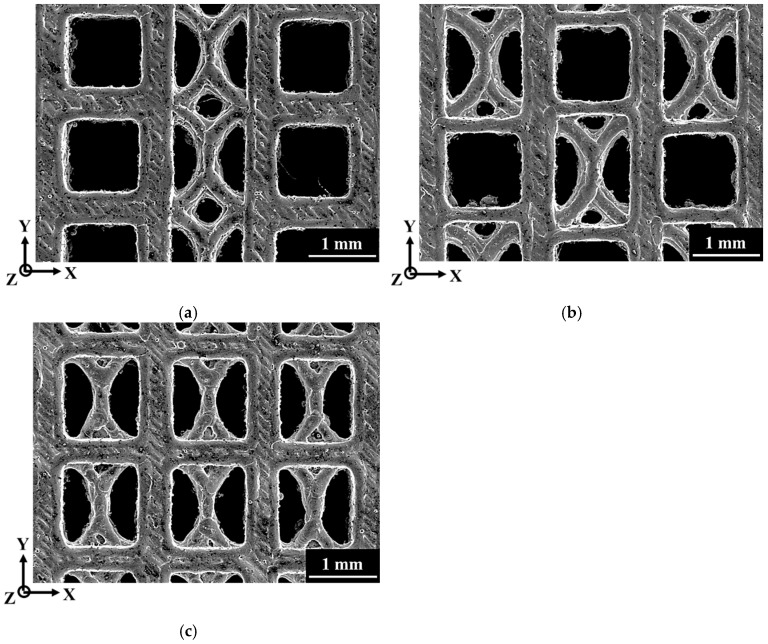 Figure 3
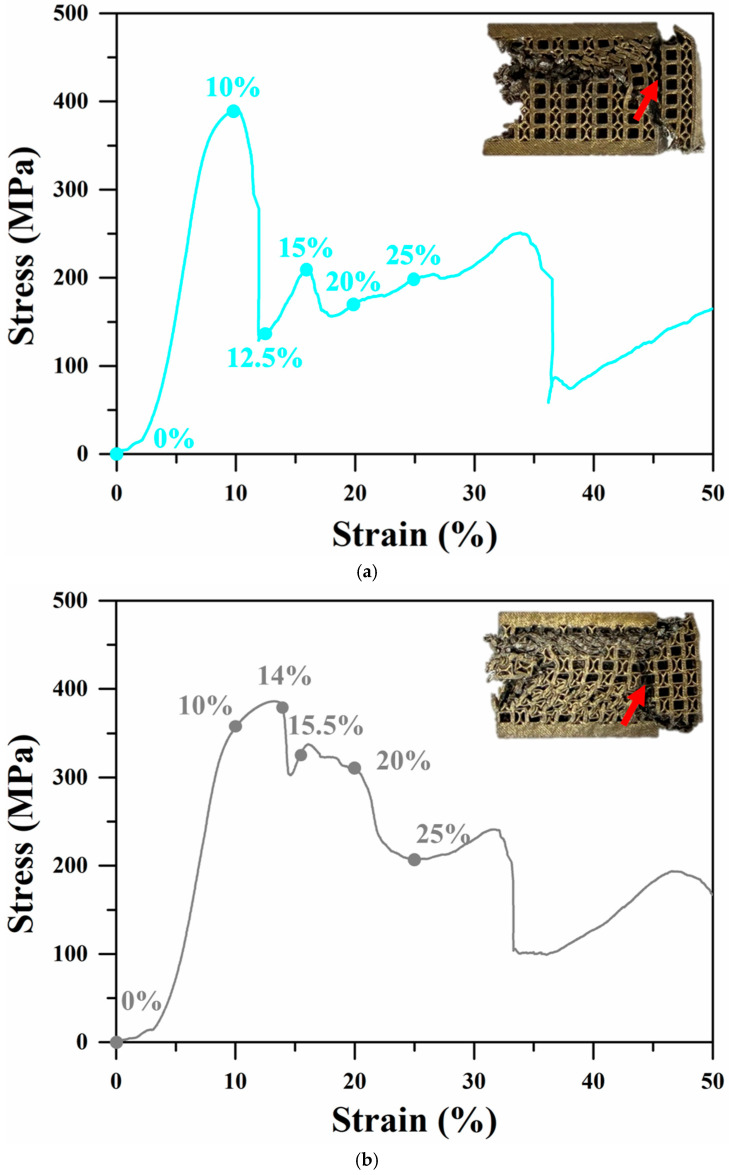 Figure 4
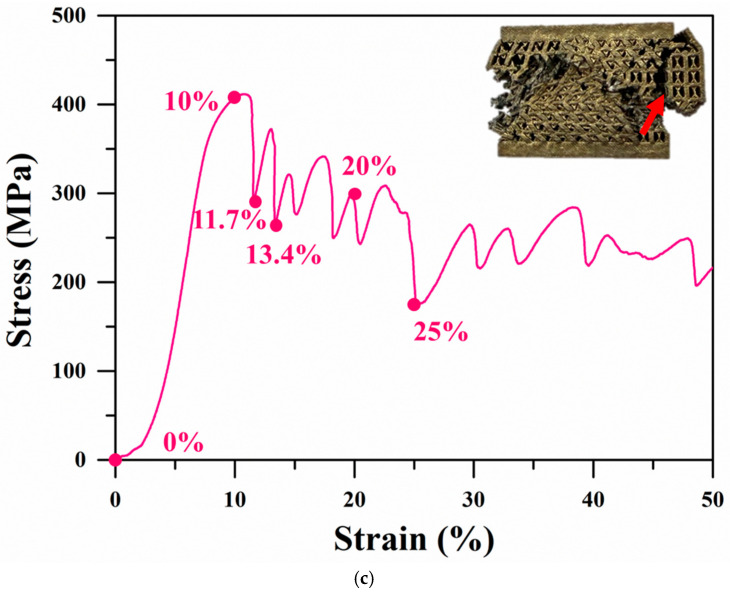 Figure 5
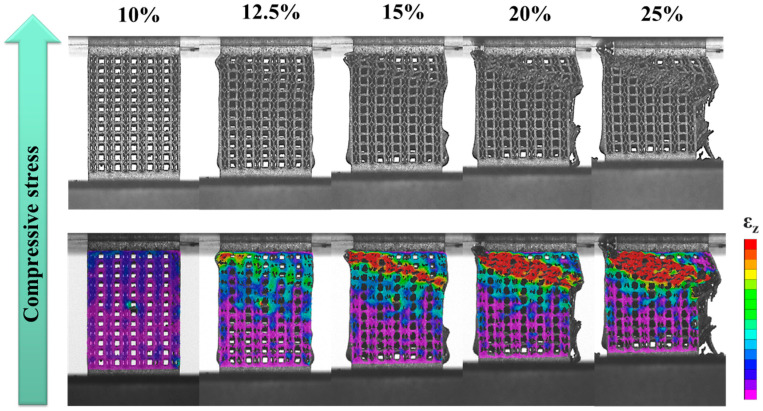 Figure 6
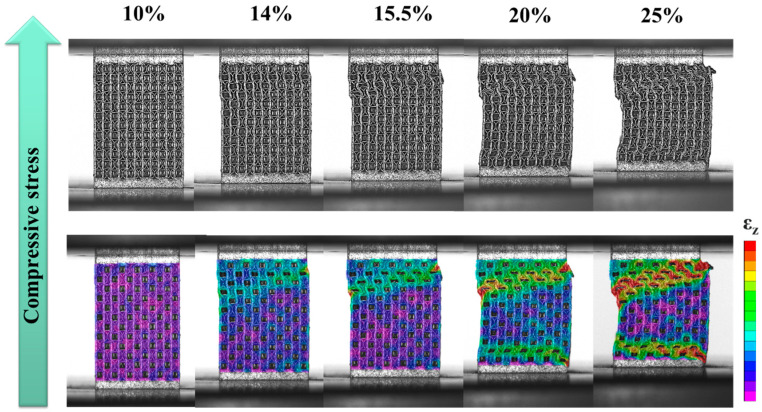 Figure 7
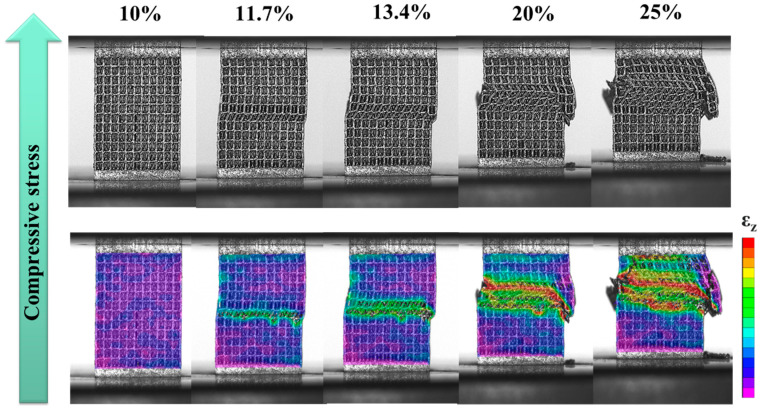 Figure 8
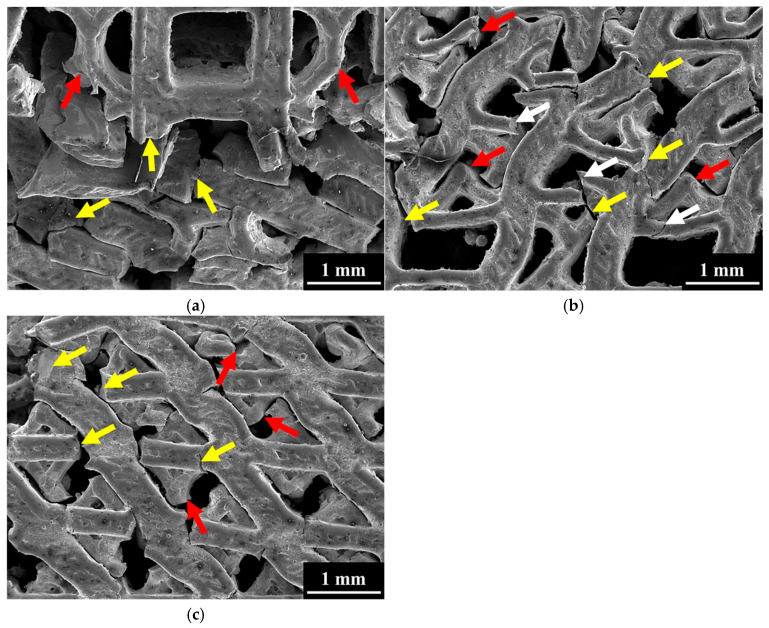 Figure 9
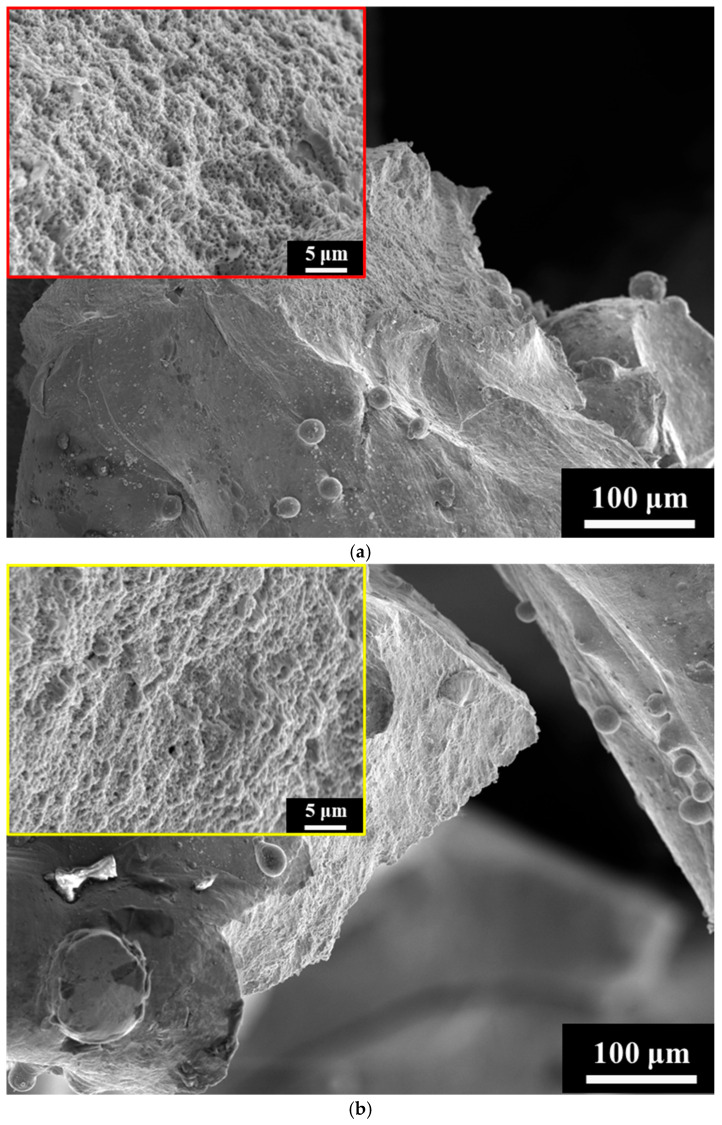 Figure 10
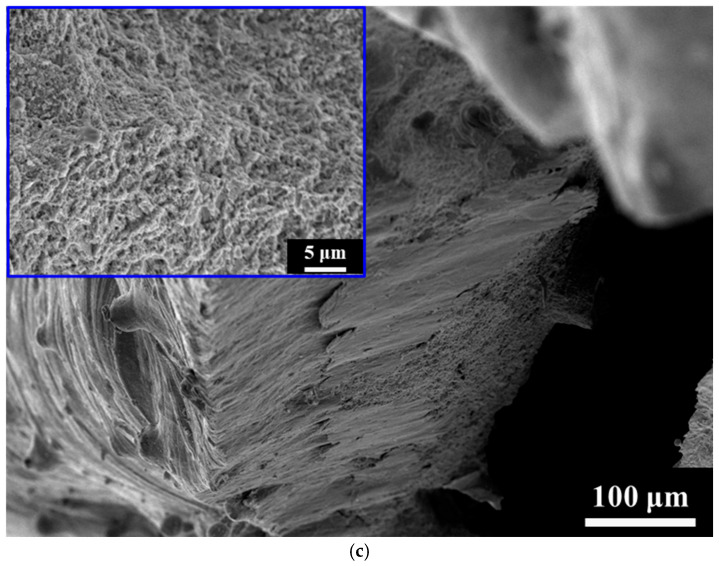 Figure 11
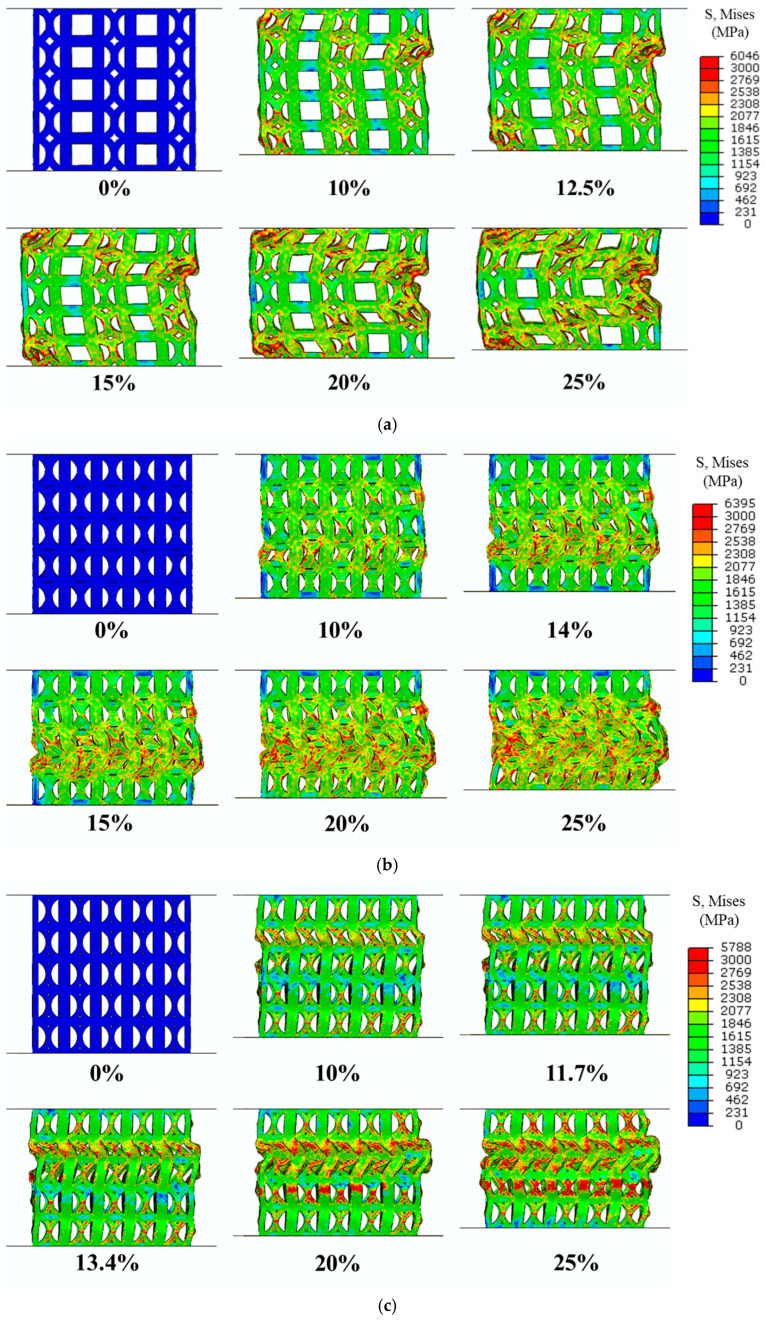 Figure 12
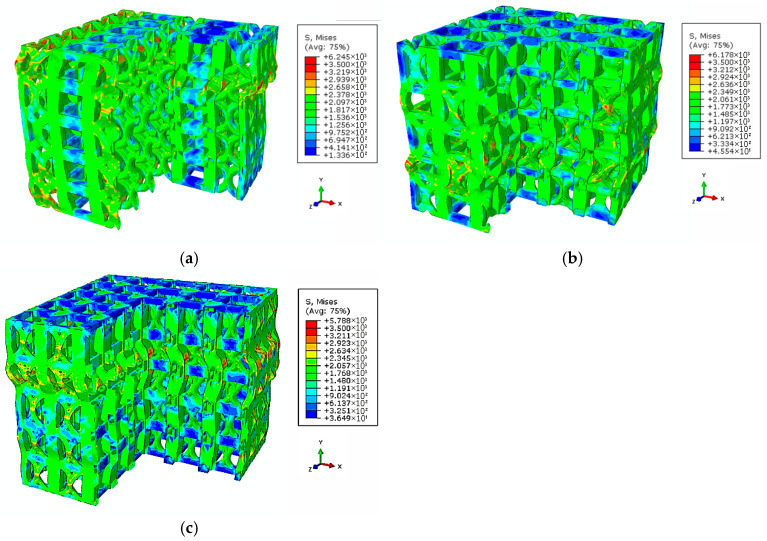 Figure 13
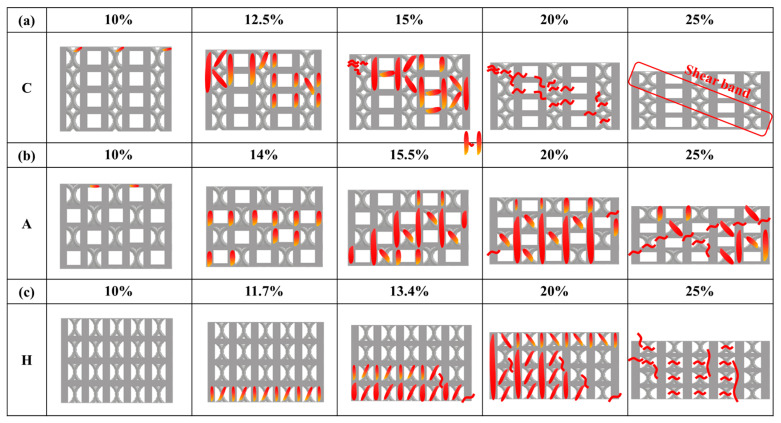 Figure 14
Peer Reviews
No public reviews on file for this paper yet. If you reviewed it on a platform where reviews are public (OpenReview, ICLR, NeurIPS, ICML), you can paste yours below so the community can read it here.
Videos
No videos yet. Explain this paper in a talk, walkthrough, or lecture? Add one.
Taxonomy
TopicsAdditive Manufacturing Materials and Processes · Additive Manufacturing and 3D Printing Technologies · Cellular and Composite Structures