Dermatophyte-Selective Imidazole-Thiosemicarbazides: Potent In Vitro Activity Against Trichophyton and Microsporum with No Anti-Candida Effect
Agata Paneth, Katarzyna Dzitko, Adrian Bekier, Nazar Trotsko, Katarzyna Suśniak, Anita Ciesielska, Piotr Paneth

TL;DR
New imidazole-thiosemicarbazide compounds show strong antifungal activity against dermatophytes but not against Candida, suggesting potential for new treatments.
Contribution
Iodine- and bromine-substituted imidazole-thiosemicarbazides demonstrate potent and selective antidermatophytic activity with favorable selectivity indices.
Findings
Iodine- and bromine-substituted compounds had MICs of 15.15 and 73.46 μg/mL against T. tonsurans.
These compounds showed IC50 values below 1 μM and high selectivity indices (SI > 213 and 846).
In silico analysis suggests interactions with α-keratin and lanosterol-14-α demethylase.
Abstract
Dermatophytes are highly infectious pathogenic fungi that colonize keratinized tissues like skin, hair, and nails, causing superficial infections such as tinea capitis, onychomycosis, tinea corporis, and tinea pedis in humans and animals. In immunocompromised patients, they may invade deeper tissues and organs, leading to severe or life-threatening conditions if untreated or inadequately managed. While most infections respond to topical antifungals, some require complex treatment and show resistance to standard therapies. Therefore, novel antifungal agents are needed. We investigated the antidermatophytic activity of imidazole-thiosemicarbazides against Microsporum canis, Trichophyton spp., and Chrysosporium spp. using the broth microdilution method, comparing results to ketoconazole and amphotericin B through minimal inhibitory concentration (MIC), half-maximal inhibitory concentration…
Genes, proteins, chemicals, diseases, species, mutations and cell lines named across the full text — each resolved to its canonical identifier and authoritative record.
Click any figure to enlarge with its caption.
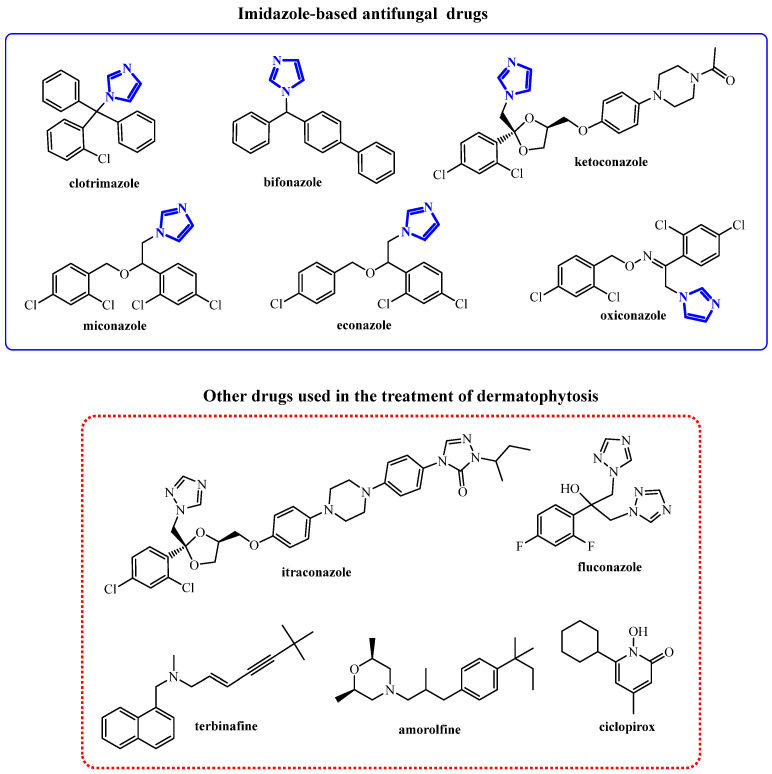 Figure 1
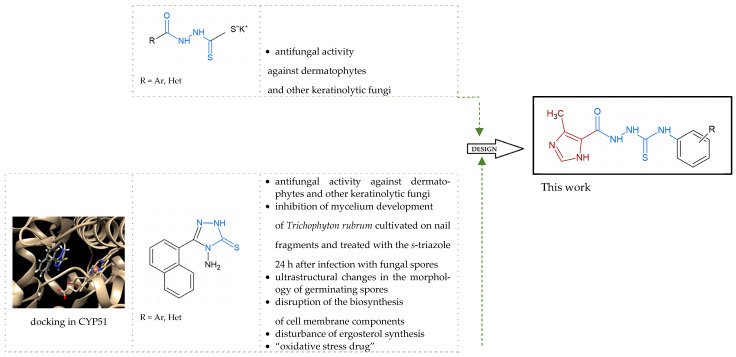 Figure 2
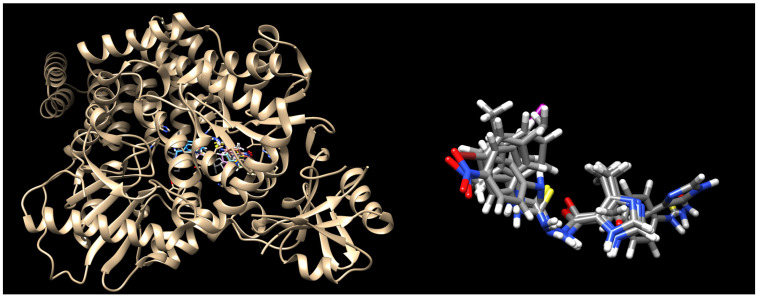 Figure 3
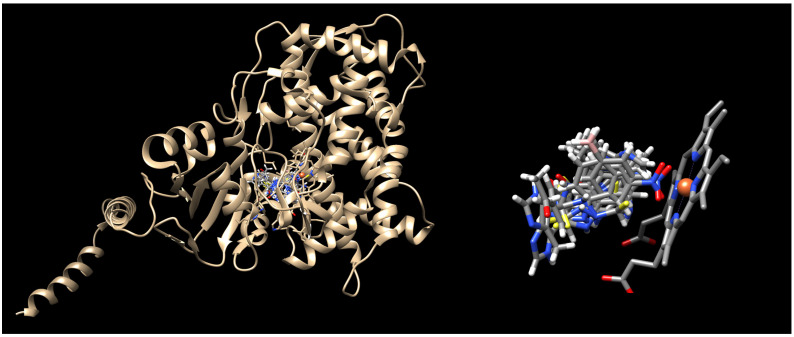 Figure 4
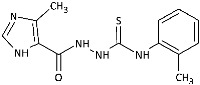 Figure 5
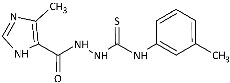 Figure 6
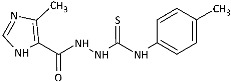 Figure 7
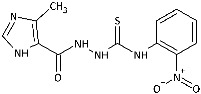 Figure 8
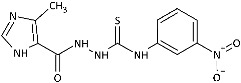 Figure 9
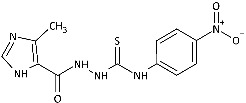 Figure 10
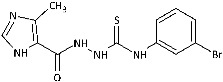 Figure 11
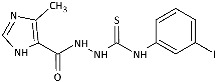 Figure 12
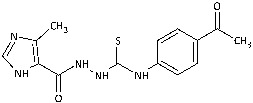 Figure 13
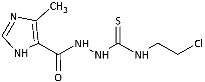 Figure 14
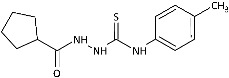 Figure 15
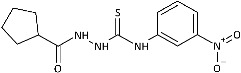 Figure 16
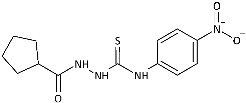 Figure 17
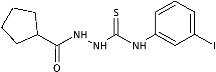 Figure 18
Peer Reviews
No public reviews on file for this paper yet. If you reviewed it on a platform where reviews are public (OpenReview, ICLR, NeurIPS, ICML), you can paste yours below so the community can read it here.
Videos
No videos yet. Explain this paper in a talk, walkthrough, or lecture? Add one.
Taxonomy
TopicsNail Diseases and Treatments · Fungal Biology and Applications · Phytochemical compounds biological activities