Spontaneous Seizure Outcomes in Mice Using an Improved Version of the Pilocarpine Model of Temporal Lobe Epilepsy
Ronald P. Gaykema, Madison J. Failor, Aleksandra Maciejczuk, Magda Pikus, Mariia Oliinyk, Maggie B. Ellison, Amir A. Behrooz, Kiran Singh, John M. Williamson, Edward Perez-Reyes

TL;DR
Researchers improved a mouse model for temporal lobe epilepsy to better mimic human seizures and increase reliability for drug testing.
Contribution
The study introduces a more reliable mouse model for epilepsy drug testing with optimized pilocarpine dosing and EEG monitoring.
Findings
A pharmacokinetic model improved pilocarpine dosing and reduced mortality in mice.
EEG monitoring enabled real-time tracking of seizures before behavioral symptoms appeared.
Certain mouse strains reliably developed spontaneous seizures suitable for drug screening.
Abstract
Temporal lobe epilepsy (TLE) is a debilitating disorder that affects millions of people worldwide and is difficult to treat with medicines. There has been little progress in the development of novel therapies for these patients because of the lack of suitable animal models. Current rodent models of TLE use chemoconvulsants or electrical stimulation to induce status epilepticus, which evolves into chronic epilepsy with spontaneous recurring seizures. These models have face validity in human TLE as they share similarities with seizure onset in the hippocampus, EEG patterns, tonic–clonic convulsions behavior, and hippocampal sclerosis. Unfortunately, seizure frequencies are so variable that they hinder drug testing. The ideal model for screening epilepsy therapies would have spontaneous seizure frequencies that are greater than two per day, little-to-no seizure-free days, and would…
Genes, proteins, chemicals, diseases, species, mutations and cell lines named across the full text — each resolved to its canonical identifier and authoritative record.
Click any figure to enlarge with its caption.
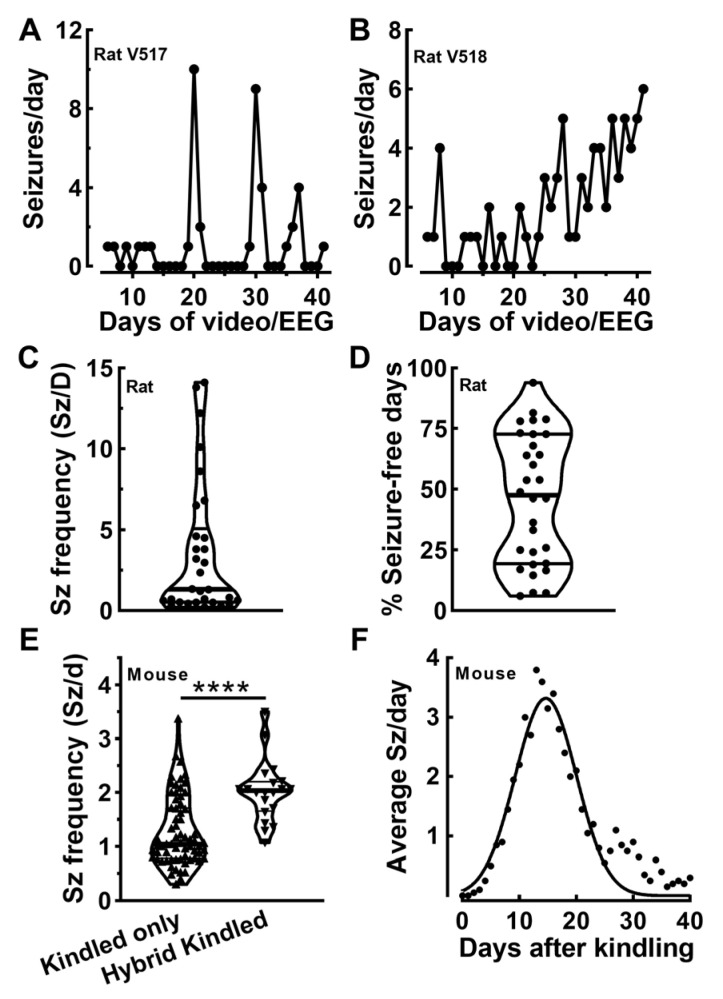 Figure 1
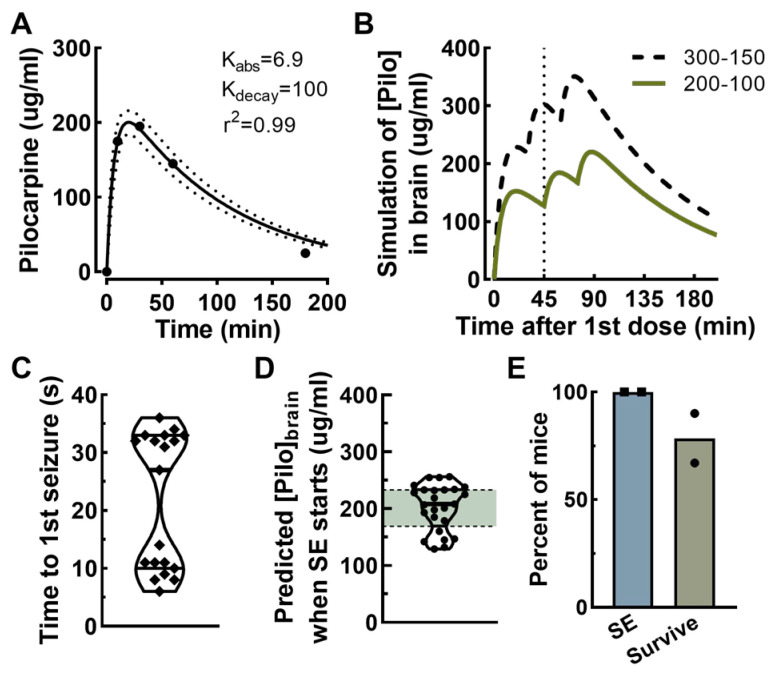 Figure 2
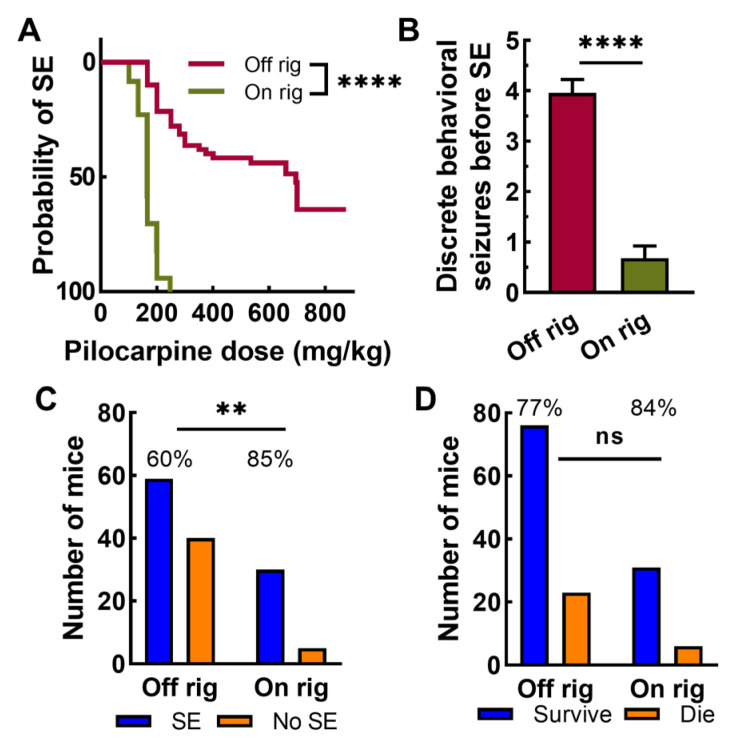 Figure 3
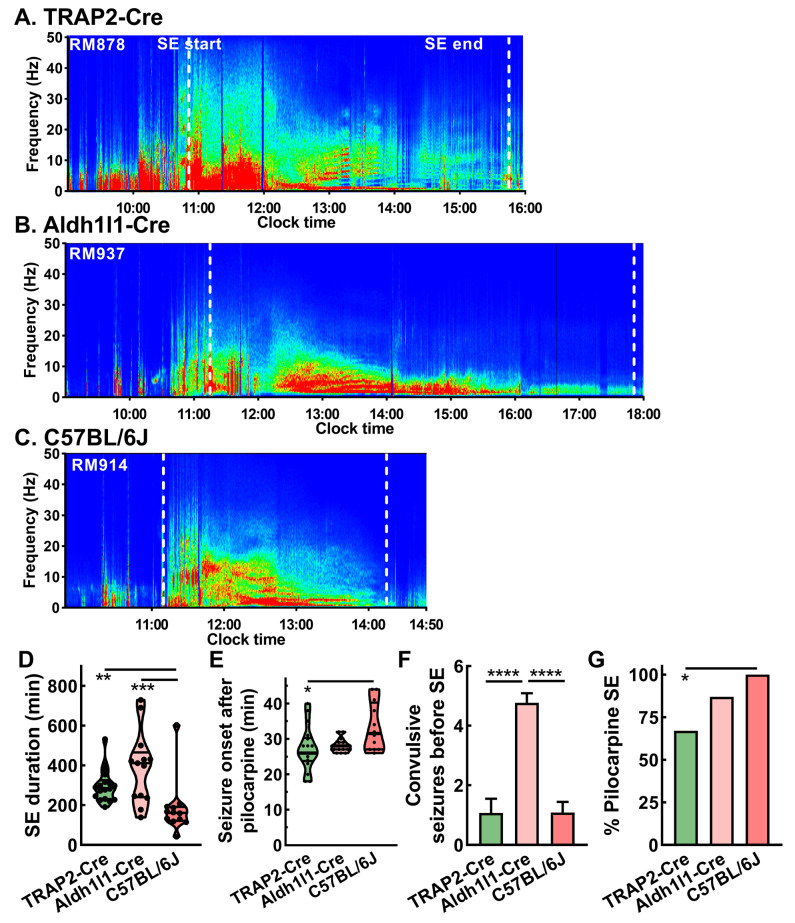 Figure 4
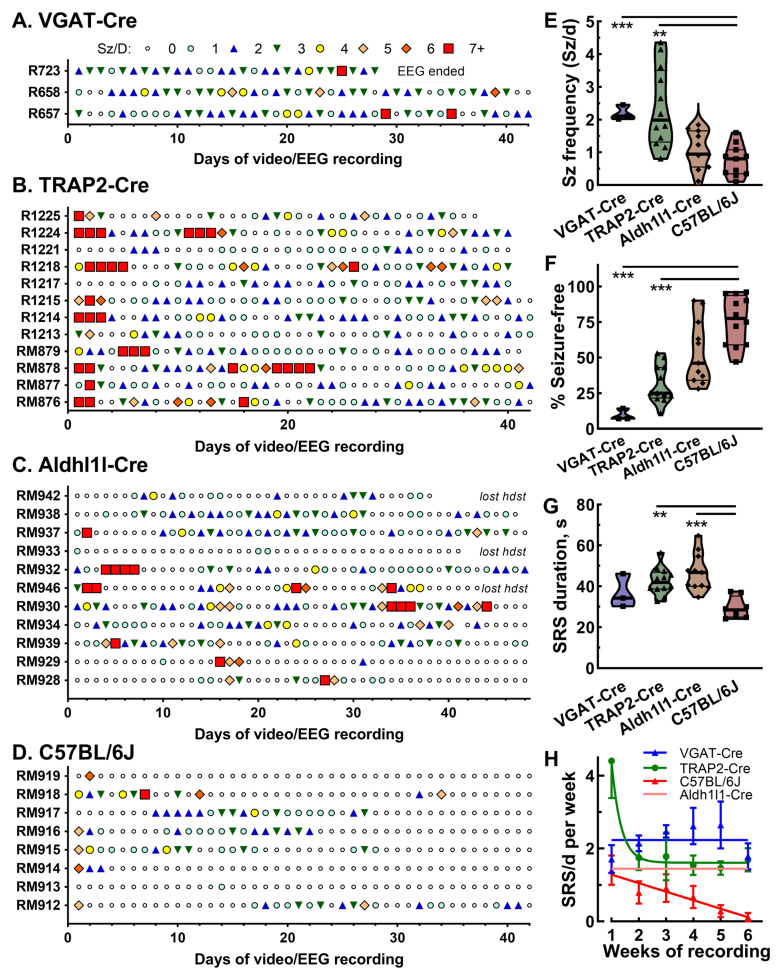 Figure 5
Peer Reviews
No public reviews on file for this paper yet. If you reviewed it on a platform where reviews are public (OpenReview, ICLR, NeurIPS, ICML), you can paste yours below so the community can read it here.
Videos
No videos yet. Explain this paper in a talk, walkthrough, or lecture? Add one.
Taxonomy
TopicsNeuroscience and Neuropharmacology Research · Epilepsy research and treatment · Neuroscience and Neural Engineering