Metformin Induces Changes in Sphingosine-1-Phosphate-Related Signaling in Diabetic Mice Brain
Przemysław Leonard Wencel, Kinga Czubowicz, Magdalena Gewartowska, Małgorzata Frontczak-Baniewicz, Robert Piotr Strosznajder

TL;DR
This study shows that metformin, a diabetes drug, can reverse harmful brain changes in diabetic mice by affecting sphingosine-1-phosphate signaling and reducing inflammation.
Contribution
The study reveals metformin's impact on sphingosine-1-phosphate signaling and inflammation in the brain of diabetic mice, offering new insights into its neuroprotective effects.
Findings
Metformin reversed elevated SPHK2 and S1PR3 mRNA levels in diabetic mice hippocampus.
Metformin reduced pro-inflammatory cytokines IL-6 and TNF-α and upregulated S1PR1.
Metformin partially restored hippocampal ultrastructural changes like mitochondrial swelling and capillary thickening.
Abstract
Type 2 diabetes mellitus (T2DM) is a chronic disease that has become a serious health problem worldwide. Moreover, increased systemic and cerebrovascular inflammation is one of the major pathophysiological features of T2DM, and a growing body of evidence emphasizes T2DM with memory and executive function decline. Bioactive sphingolipids regulate a cell’s survival, inflammatory response, as well as glucose and insulin signaling/metabolism. Moreover, current research on the role of sphingosine kinases (SPHKs) and sphingosine-1-phosphate receptors (S1PRs) in T2DM is not fully understood, and the results obtained often differ. The aim of the present study was to evaluate the effect of metformin (anti-diabetic agent, MET) on the brain’s sphingosine-1-phosphate-related signaling and ultrastructure in diabetic mice. Our results revealed elevated mRNA levels of genes encoding sphingosine kinase…
Genes, proteins, chemicals, diseases, species, mutations and cell lines named across the full text — each resolved to its canonical identifier and authoritative record.
Click any figure to enlarge with its caption.
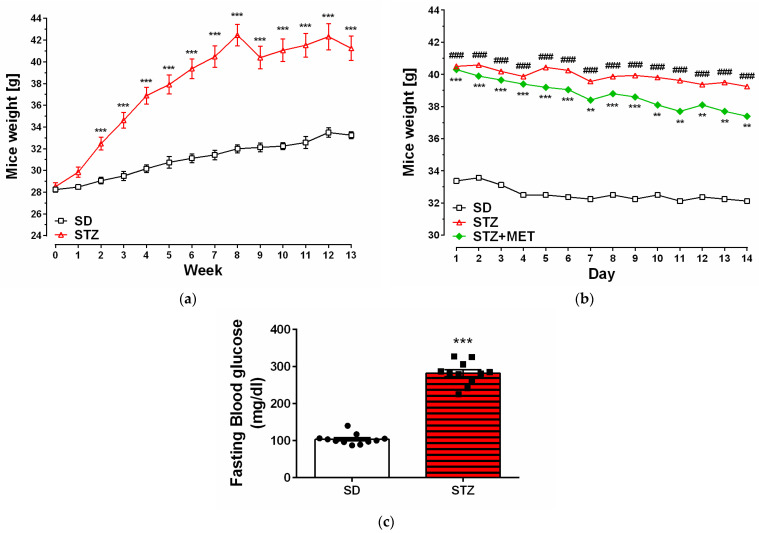 Figure 1
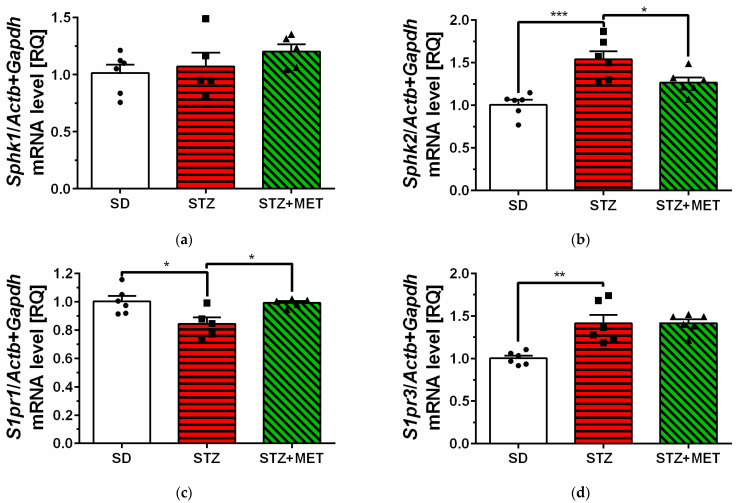 Figure 2
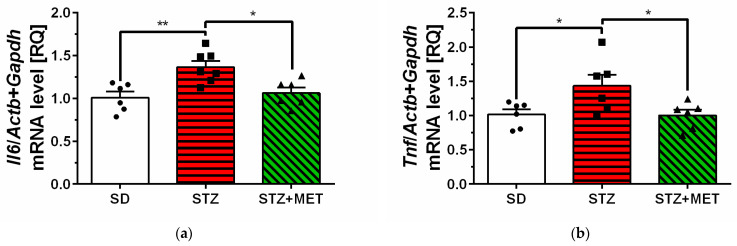 Figure 3
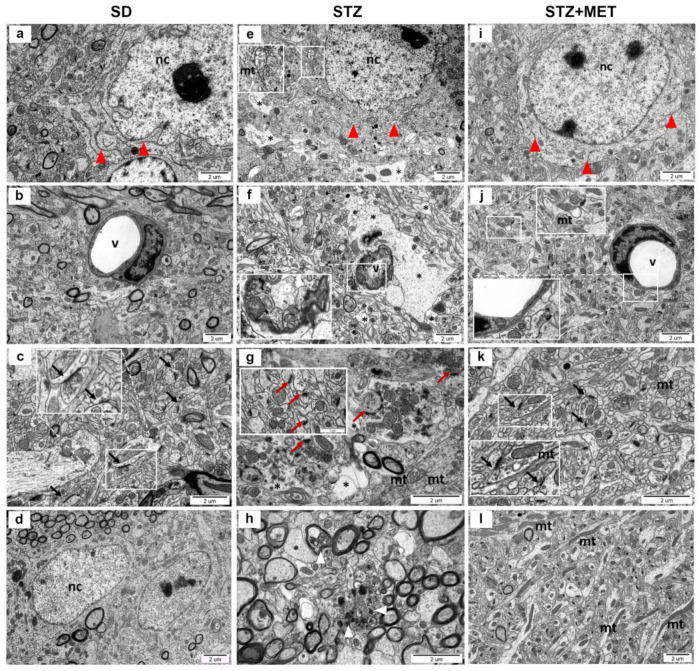 Figure 4
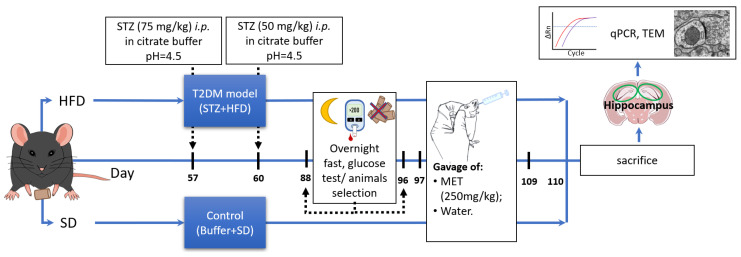 Figure 5
Peer Reviews
No public reviews on file for this paper yet. If you reviewed it on a platform where reviews are public (OpenReview, ICLR, NeurIPS, ICML), you can paste yours below so the community can read it here.
Videos
No videos yet. Explain this paper in a talk, walkthrough, or lecture? Add one.
Taxonomy
TopicsSphingolipid Metabolism and Signaling · Neuroinflammation and Neurodegeneration Mechanisms · Calcium signaling and nucleotide metabolism