Safety and Regenerative Properties of Immortalized Human Mesenchymal Stromal Cell Secretome
Maxim Karagyaur, Alexandra Primak, Nataliya Basalova, Anna Monakova, Anastasia Tolstoluzhinskaya, Maria Kulebyakina, Elizaveta Chechekhina, Mariya Skryabina, Olga Grigorieva, Vadim Chechekhin, Tatiana Yakovleva, Victoria Turilova, Elena Shagimardanova, Guzel Gazizova

TL;DR
This study shows that immortalized human mesenchymal stromal cells can produce a safe and effective secretome for regenerative therapy without losing their original properties.
Contribution
The study demonstrates that TERT-immortalized MSCs produce a safe and consistent secretome suitable for large-scale clinical applications.
Findings
MSC immortalization via TERT overexpression does not alter secretome composition or activity.
Secretome of immortalized MSCs lacks telomerase and transforming activity.
Immortalized MSCs can serve as a reliable source for standardized secretome production.
Abstract
The secretome of mesenchymal stromal cells (MSCs) can efficiently stimulate regeneration and therefore is a tempting remedy for “cell-free cellular therapy”. However, the usage of primary MSC cultures as secretome producers for translation studies has obvious obstacles, including the rapid aging of MSC cultures, the need for a large number of verified donors, and donor-to-donor variability of secretome content. MSCs immortalization makes it possible to overcome those limitations and to obtain secretome-producing cultures with a prolonged lifetime. However, the efficacy and safety of such secretomes are critical issues that limit their usage as therapeutic agents. In this study, we tested in large detail how the immortalization of MSC cultures affects the content, biological activity and safety of their secretome. MSCs immortalization via the overexpression of human TERT gene does not…
Genes, proteins, chemicals, diseases, species, mutations and cell lines named across the full text — each resolved to its canonical identifier and authoritative record.
Click any figure to enlarge with its caption.
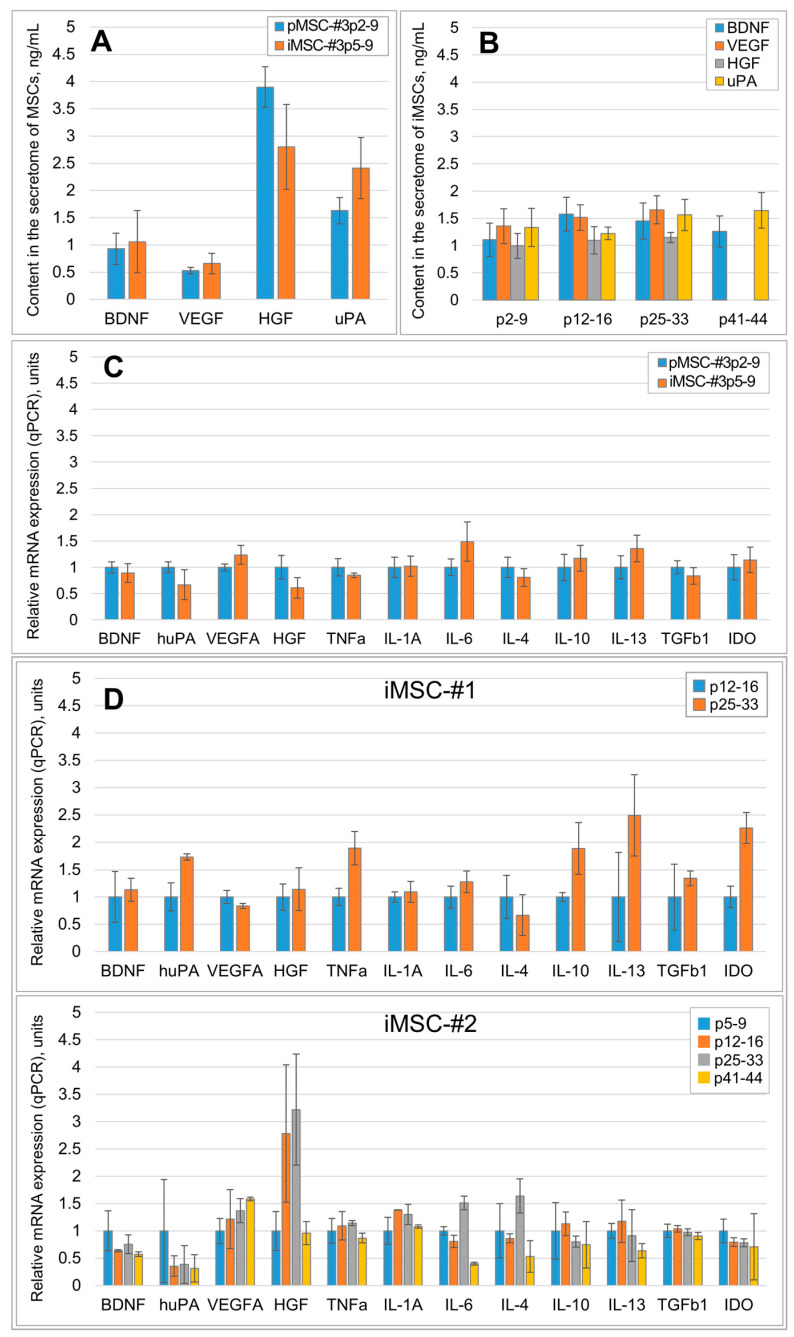 Figure 1
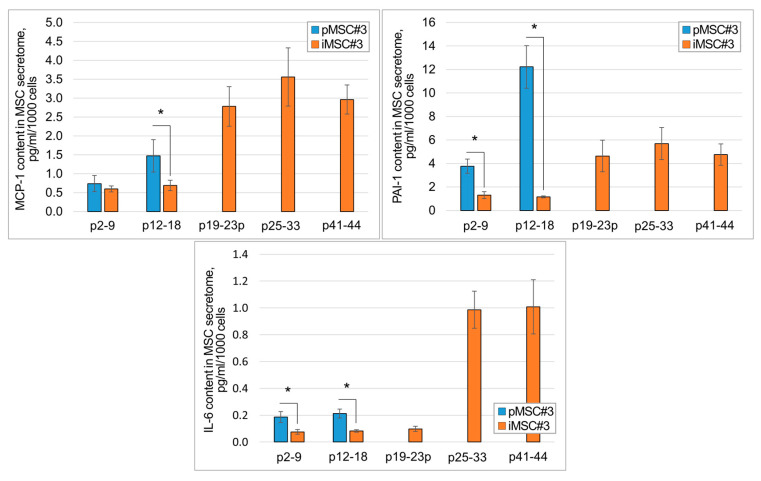 Figure 2
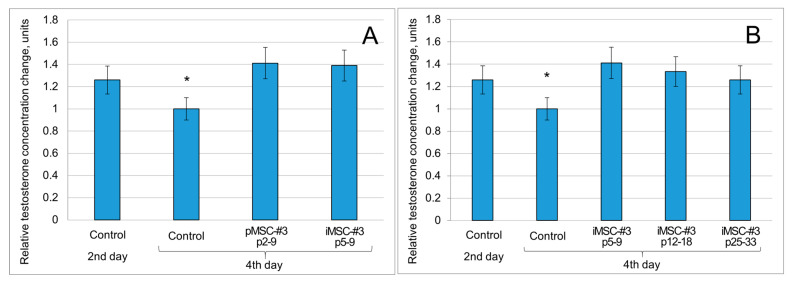 Figure 3
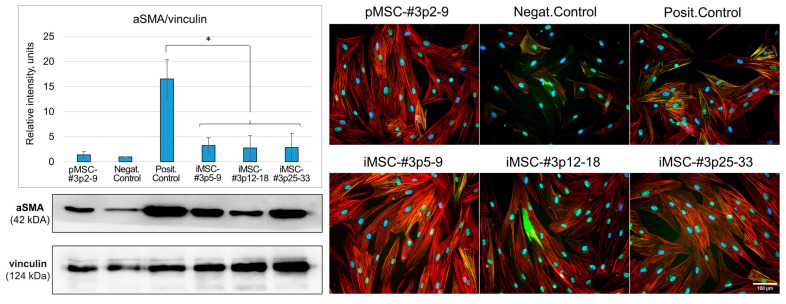 Figure 4
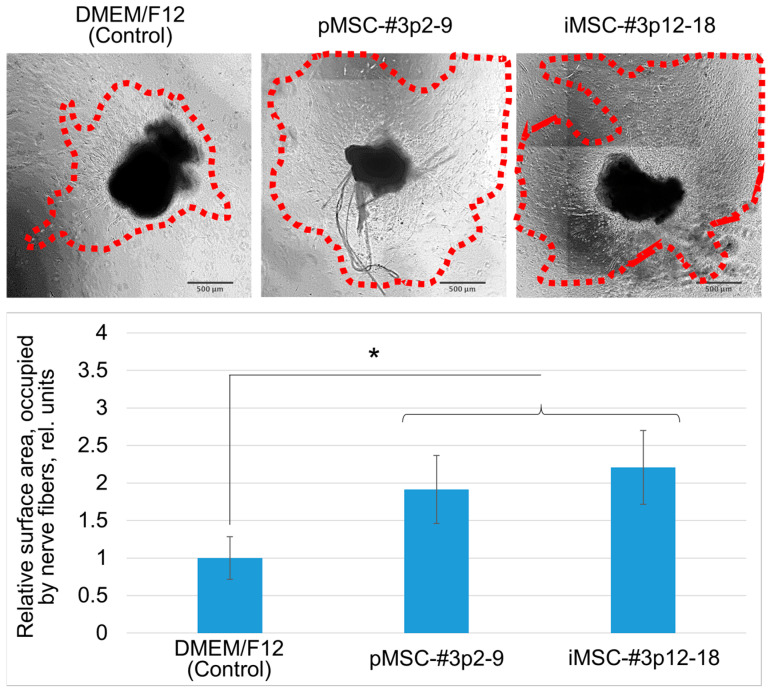 Figure 5
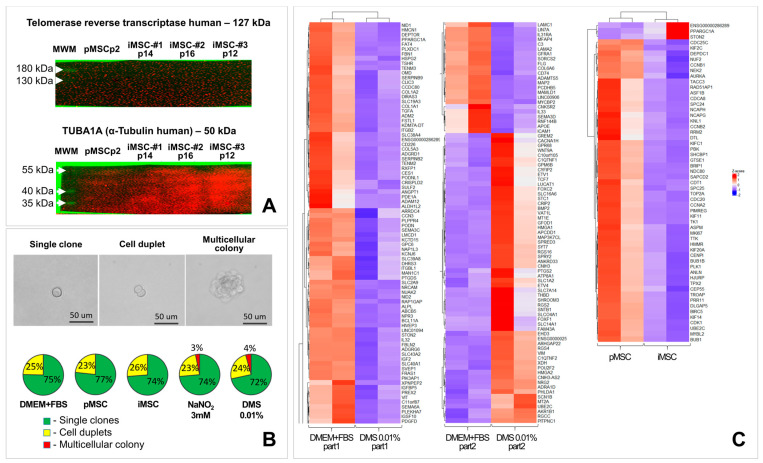 Figure 6
Peer Reviews
No public reviews on file for this paper yet. If you reviewed it on a platform where reviews are public (OpenReview, ICLR, NeurIPS, ICML), you can paste yours below so the community can read it here.
Videos
No videos yet. Explain this paper in a talk, walkthrough, or lecture? Add one.
Taxonomy
TopicsMesenchymal stem cell research · Tissue Engineering and Regenerative Medicine · RNA Interference and Gene Delivery