Distinct B Cell Subsets Changes as Potential Biomarkers of Response to Biologic Therapy in Crohn’s Disease
Anna Helmin-Basa, Maria Kopoń, Jarosław Koza, Edyta Strzyżewska, Aleksandra Skalska-Bugała, Fabian Leśniewski, Małgorzata Wiese-Szadkowska, Sara Balcerowska, Jacek Michałkiewicz, Maria Kłopocka

TL;DR
The study explores how different B cell subsets in Crohn's disease patients change with biologic therapies, suggesting these changes could predict treatment response.
Contribution
The study identifies treatment-specific B cell subset changes as potential biomarkers for biologic therapy response in Crohn’s disease.
Findings
CD patients had reduced baseline frequencies of memory B cells, CD5+CD1d+ B cells, plasmablasts, and transitional B cells.
Infliximab/adalimumab therapy reduced mature naïve B cells and increased CD24hiCD27+ B cells, while vedolizumab increased plasmablasts.
Biomarker correlations suggest distinct immune mechanisms for different biologic therapies in Crohn’s disease.
Abstract
Biological therapies for Crohn’s disease (CD), including infliximab, adalimumab, and vedolizumab, show variable efficacy. While some predictive biomarkers exist, data on regulatory immune cells are limited. This study examined whether baseline levels of circulating T and B cell subsets can predict response to these treatments. We recruited 43 adults with conventional treatment-resistant active CD (CDAI > 330) and 16 healthy controls. Blood samples were analysed by flow cytometry at baseline (week 0) and after induction therapy (week 12 or 14, depending on the received drug) to measure T and B cell subsets and correlate them with disease activity. CD patients at baseline showed a significantly reduced frequency of memory B cells, CD5+CD1d+ B cells, plasmablasts, and transitional B cells. Additionally, significant negative correlations were identified between transitional B cells and…
Genes, proteins, chemicals, diseases, species, mutations and cell lines named across the full text — each resolved to its canonical identifier and authoritative record.
Click any figure to enlarge with its caption.
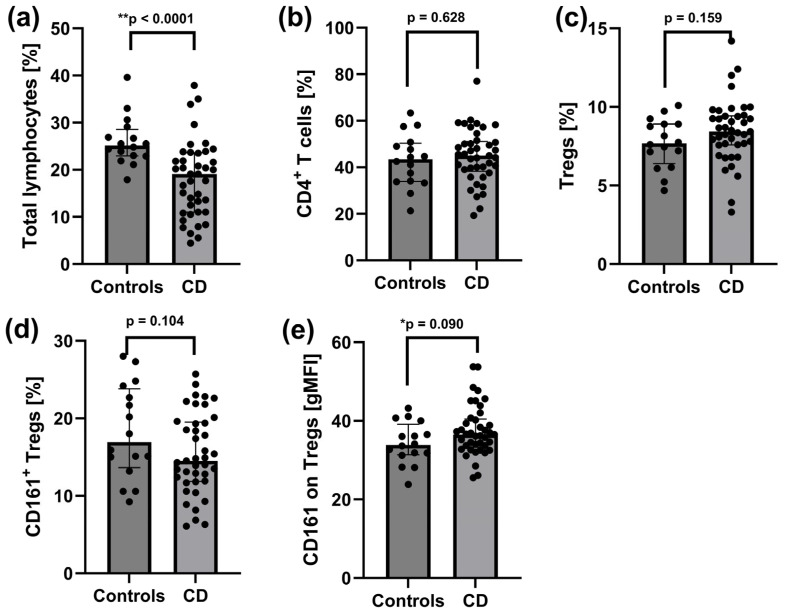 Figure 1
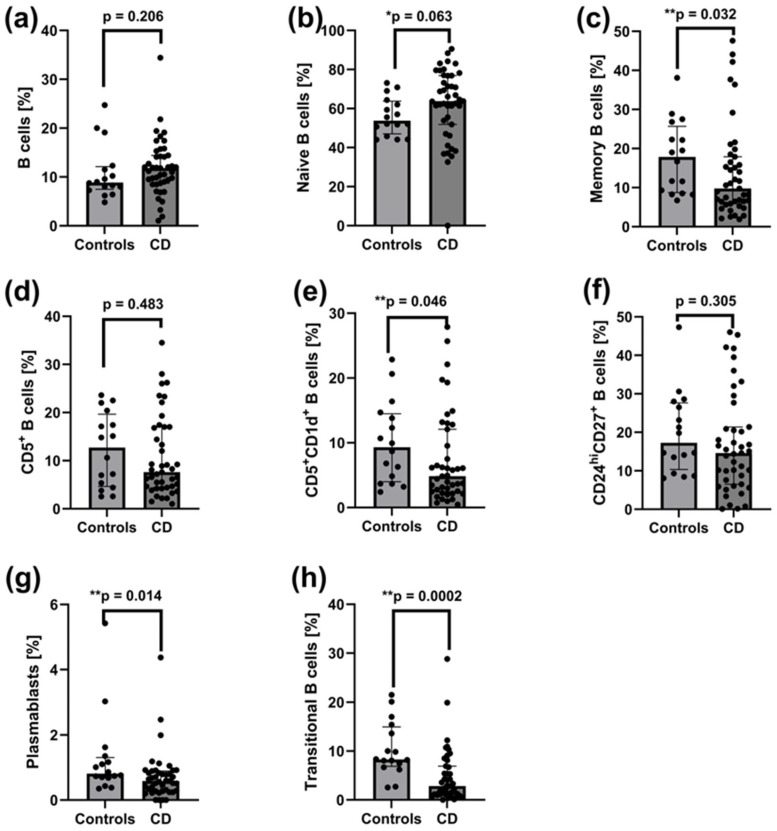 Figure 2
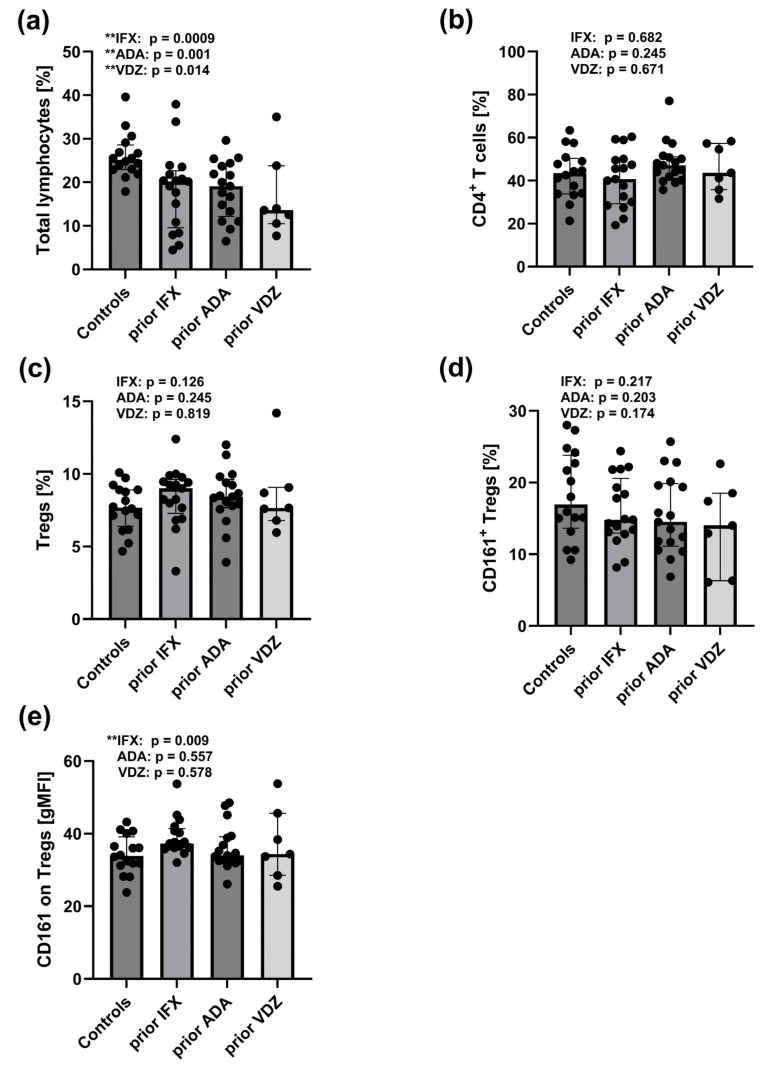 Figure 3
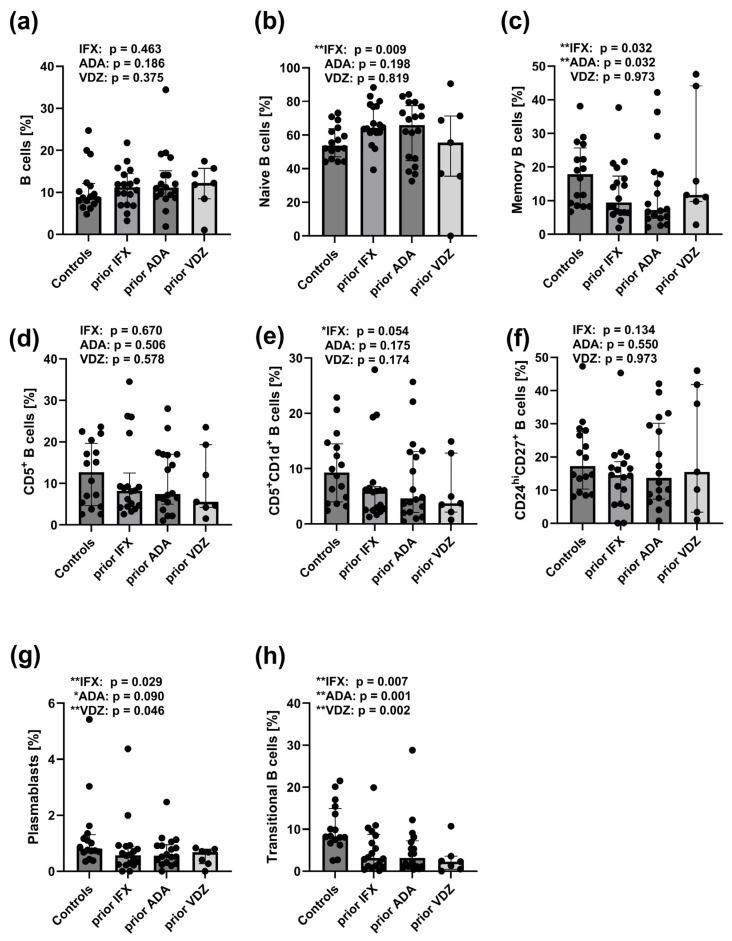 Figure 4
 Figure 5
 Figure 6
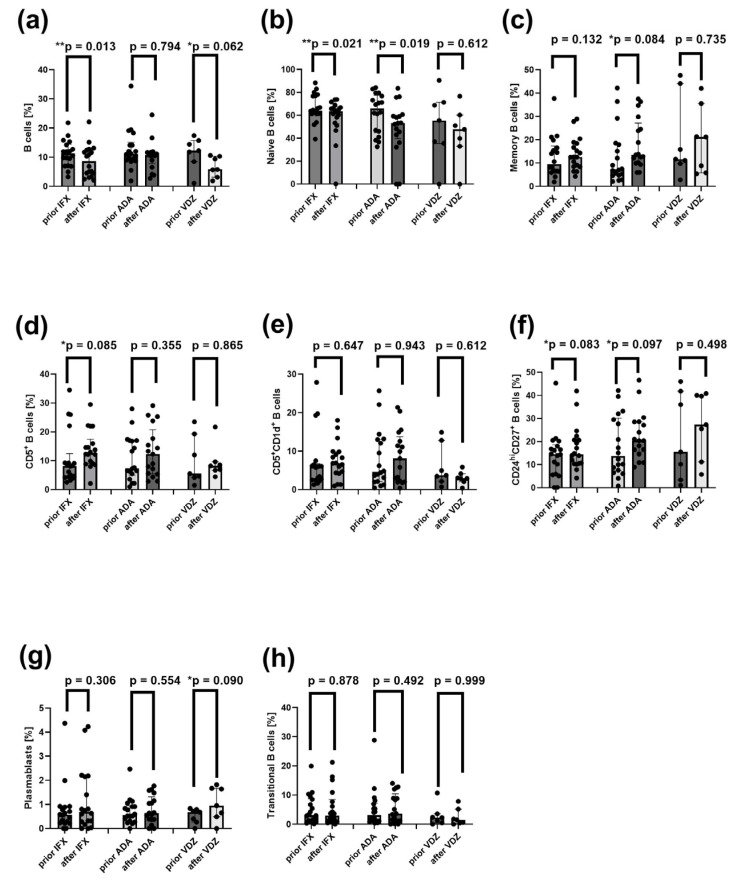 Figure 7
 Figure 8
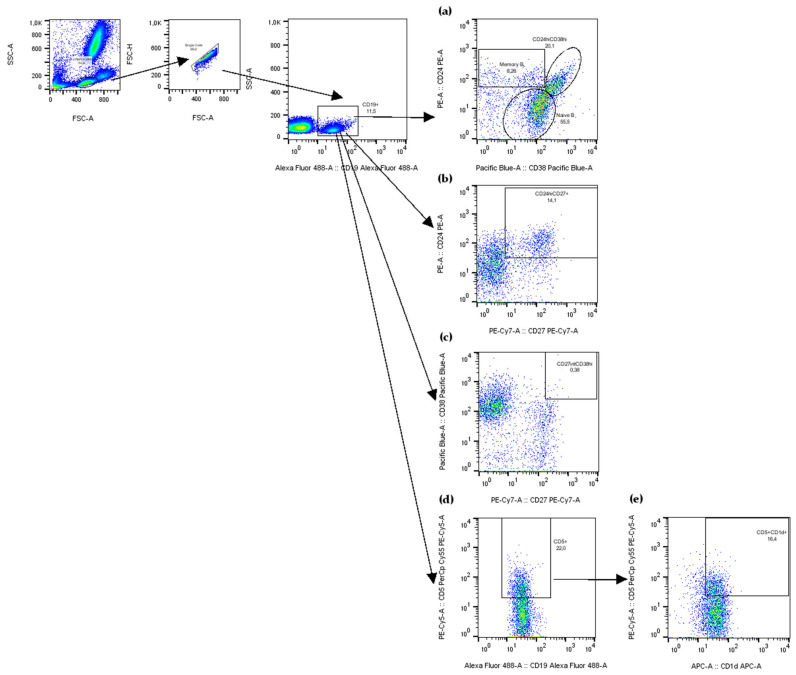 Figure 9
Peer Reviews
No public reviews on file for this paper yet. If you reviewed it on a platform where reviews are public (OpenReview, ICLR, NeurIPS, ICML), you can paste yours below so the community can read it here.
Videos
No videos yet. Explain this paper in a talk, walkthrough, or lecture? Add one.
Taxonomy
TopicsInflammatory Bowel Disease · Microscopic Colitis · IL-33, ST2, and ILC Pathways