Properties of Heterochannels Kv(1.1-1.2)2 with Mutation T226R in the Kv1.1 Subunit
Anastasia A. Ignatova, Anastasia V. Efremenko, Denis V. Abramochkin, Irina Dzhumaniiazova, Ivan I. Shmatin, Mikhail P. Kirpichnikov, Alexey V. Feofanov, Oksana V. Nekrasova

TL;DR
A mutation in the Kv1.1 protein affects potassium channels in the brain, leading to neurological disorders by altering channel function and membrane presentation.
Contribution
The study reveals how the T226R mutation in Kv1.1 affects heterochannels with Kv1.2, not just homotetramers, providing new insights into disease mechanisms.
Findings
Heterochannels with T226R mutation show slower activation and deactivation rates.
The mutation reduces membrane presentation of heterochannels but not their formation.
The T226R mutation has a stronger effect on homotetrameric Kv1.1 channels than on heterochannels.
Abstract
Mutation T226R in the Kv1.1 α-subunit of voltage-gated potassium Kv1 channels is associated with episodic ataxia type 1, severe neuromyotonia, and epilepsy. In vitro, this mutation was reported to considerably distort the functioning of homotetrameric channels Kv1.1; however, in the brain, Kv1.1 α-subunits form heterochannels predominantly associating with Kv1.2 α-subunits. Using the patch-clamp technique, fluorescent and Förster resonance energy transfer confocal microscopy, we revealed that heterochannels Kv(1.1(T226R)-1.2)2 formed by concatemers Kv1.1(T226R)-Kv1.2 in Neuro-2a cells have significantly slower activation and deactivation rates, and their activation occurs at a much less negative membrane potential compared to channels Kv(1.1-1.2)2 formed by concatemers Kv1.1-Kv1.2. This mutation does not noticeably affect the formation of complexes between α-subunits Kv1.1 and Kv1.2,…
Genes, proteins, chemicals, diseases, species, mutations and cell lines named across the full text — each resolved to its canonical identifier and authoritative record.
Click any figure to enlarge with its caption.
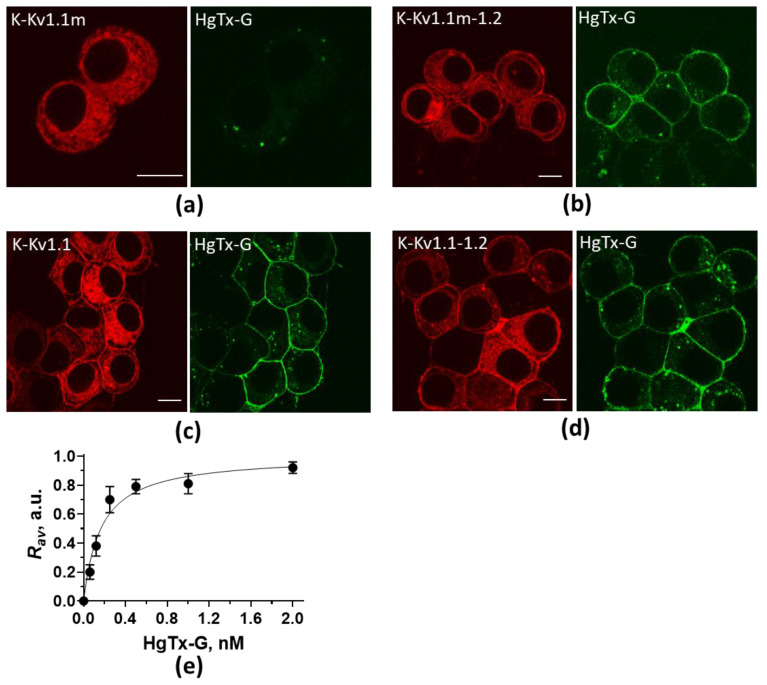 Figure 1
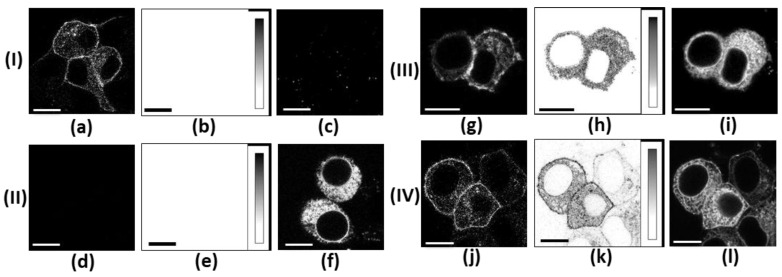 Figure 2
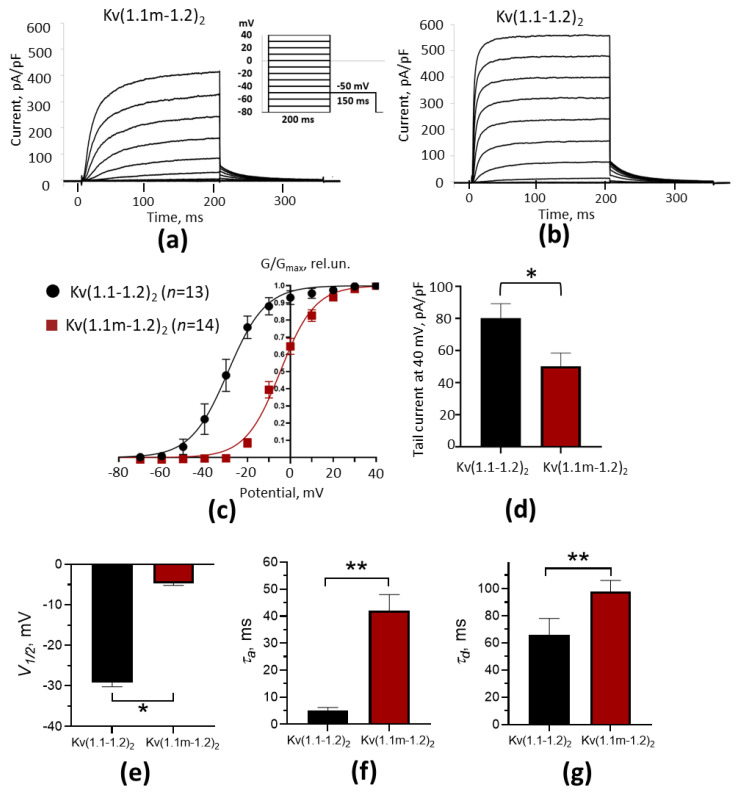 Figure 3
Peer Reviews
No public reviews on file for this paper yet. If you reviewed it on a platform where reviews are public (OpenReview, ICLR, NeurIPS, ICML), you can paste yours below so the community can read it here.
Videos
No videos yet. Explain this paper in a talk, walkthrough, or lecture? Add one.
Taxonomy
TopicsIon channel regulation and function · Cardiac electrophysiology and arrhythmias · Neuroscience and Neuropharmacology Research