Transcriptomic Insights into Anthocyanin Biosynthesis in Aronia melanocarpa Callus Under Different Light Conditions
Mingjun Hou, Bingrui Wang, Chang An, Yulai Wu, Mohammad Gul Arabzai, Xiaopeng Fan, Changbing Liu, Zongshen Zhang

TL;DR
This study explores how different light conditions affect anthocyanin production in Aronia melanocarpa callus tissue, finding that a specific blue:red light ratio boosts accumulation.
Contribution
The study identifies a novel light regime (blue:red 5:1) that maximizes anthocyanin accumulation and reveals key genes involved in this process.
Findings
Blue:red (5:1) light treatment resulted in the highest anthocyanin accumulation (14.06 mg/100 g).
Transcriptome analysis revealed 10,547 differentially expressed genes, with key anthocyanin biosynthesis genes upregulated.
Functional enrichment showed DEGs were primarily involved in anthocyanin biosynthesis and transport pathways.
Abstract
Aronia melanocarpa is rich in anthocyanins, compounds with significant medicinal and industrial value, making it an attractive species for enhanced production. Compared with fruits or intact plants, callus tissue offers a uniform, controllable in vitro system that is particularly suitable for dissecting regulatory mechanisms under defined environmental conditions. Although light quality is known to influence anthocyanin biosynthesis, its specific regulatory mechanisms in A. melanocarpa remain unclear. In this study, callus tissues were cultured under six light regimes: full-spectrum LED, blue:red (5:1), red:blue (5:1), red:blue:white (1:1:1), red:white (5:1), and pure blue light. Anthocyanin content was quantified using the pH differential method, and the results showed that the blue:red (5:1) treatment produced the highest accumulation, reaching 14.06 mg/100 g. Transcriptome sequencing…
Genes, proteins, chemicals, diseases, species, mutations and cell lines named across the full text — each resolved to its canonical identifier and authoritative record.
Click any figure to enlarge with its caption.
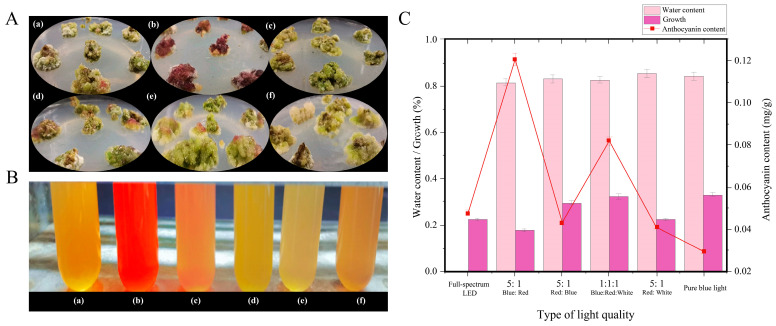 Figure 1
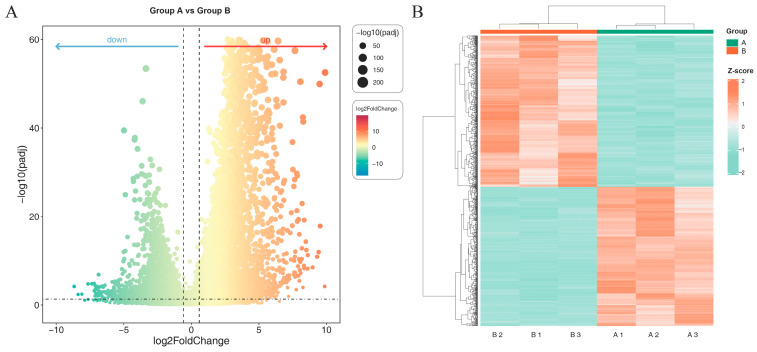 Figure 2
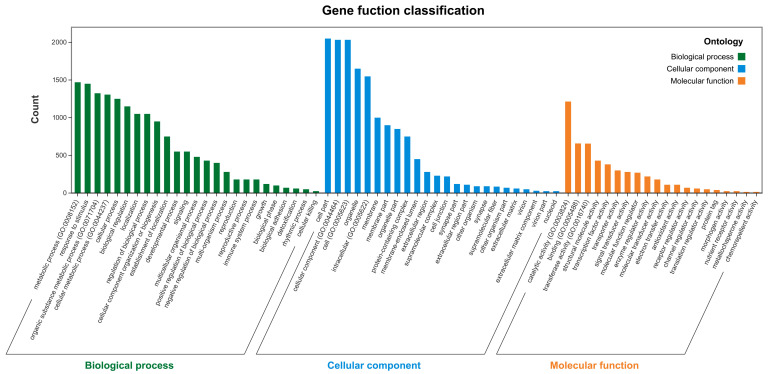 Figure 3
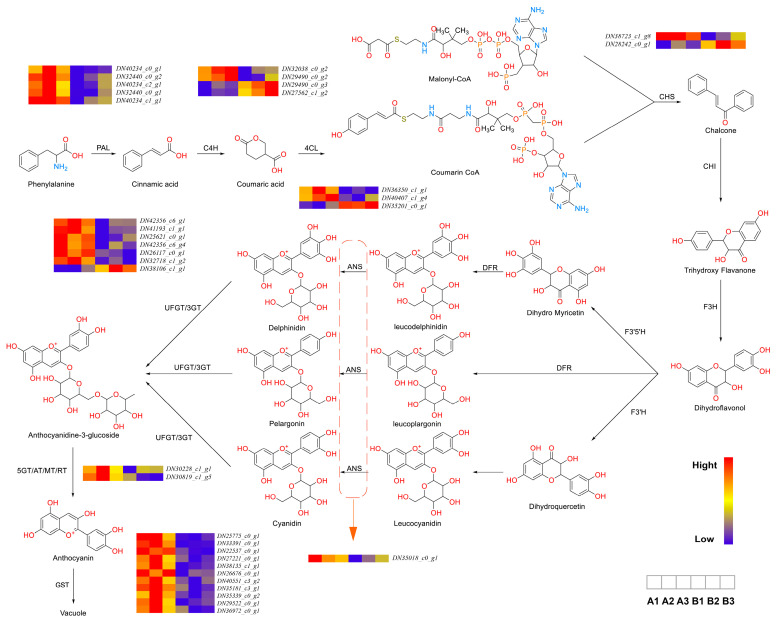 Figure 4
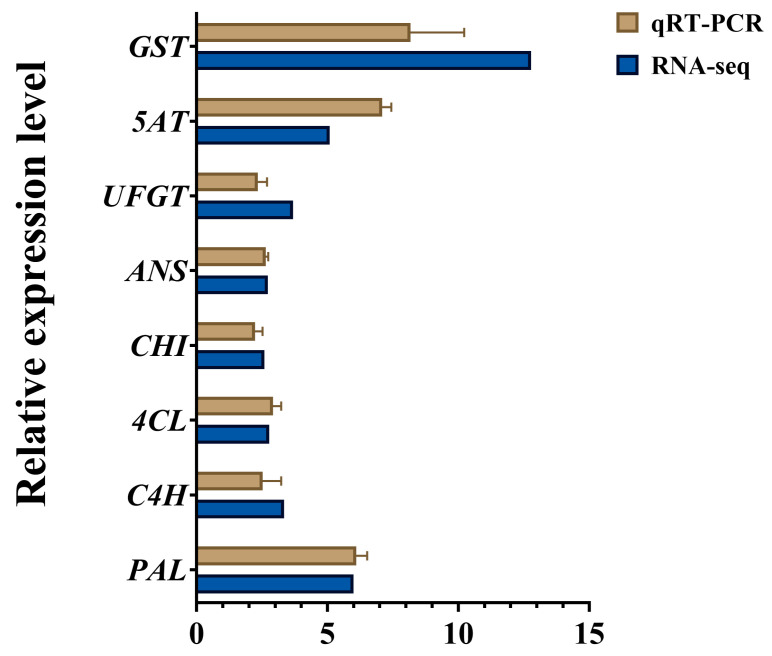 Figure 5
Peer Reviews
No public reviews on file for this paper yet. If you reviewed it on a platform where reviews are public (OpenReview, ICLR, NeurIPS, ICML), you can paste yours below so the community can read it here.
Videos
No videos yet. Explain this paper in a talk, walkthrough, or lecture? Add one.
Taxonomy
TopicsPlant Gene Expression Analysis · Phytochemicals and Antioxidant Activities · Light effects on plants