Bacillus subtilis DinG 3′⟶5′ Exo(ribo)nuclease: A Helpmate to Mitigate Replication Stress
Begoña Carrasco, Rubén Torres, María López-Sanz, Rogelio Hernández-Tamayo, Peter L. Graumann, Juan C. Alonso

TL;DR
This paper explores how the enzyme DinG in Bacillus subtilis helps reduce replication stress by degrading RNA-DNA hybrids and working with other proteins during DNA repair.
Contribution
The study reveals DinG's role in degrading R-loops and its physical interaction with RecA and TLS polymerases to mitigate replication stress.
Findings
DinG degrades RNA strands in RNA–DNA hybrids and removes genomic R-loops.
DinG interacts with RecA and TLS DNA polymerases to respond to DNA damage.
DinG forms foci at replication forks under stress conditions like MMS treatment.
Abstract
Bacillus subtilis DinG/XPD-like paralogues, DinG and YpvA, have been implicated in overcoming replication stress. DinG possesses a DEDD exonuclease and DNA helicase domains, whereas YpvA lacks the DEDD exonuclease domain. We report that DinG·Mg2+ (hereafter referred to as DinG) degrades linear single-stranded (lss) DNA with 3′→5′ polarity and binds lssDNA with higher affinity than its exonuclease-deficient mutant DinG D10A E12A. DinG’s ssDNA-dependent ATPase activity neither stimulates nor inhibits DNA degradation. When bound to the 3′-end of forked DNA, DinG destabilises and degrades the substrate; however, in the presence of ATP, DinG dissociates before reaching the duplex junction. DinG degrades the RNA strand within RNA–DNA hybrids but does not cleave lssRNA unless complexed with Mn2+. DinG removes genomic R-loops, as RnhC and PcrA do. DinG physically interacts with RecA and PolA…
Genes, proteins, chemicals, diseases, species, mutations and cell lines named across the full text — each resolved to its canonical identifier and authoritative record.
Click any figure to enlarge with its caption.
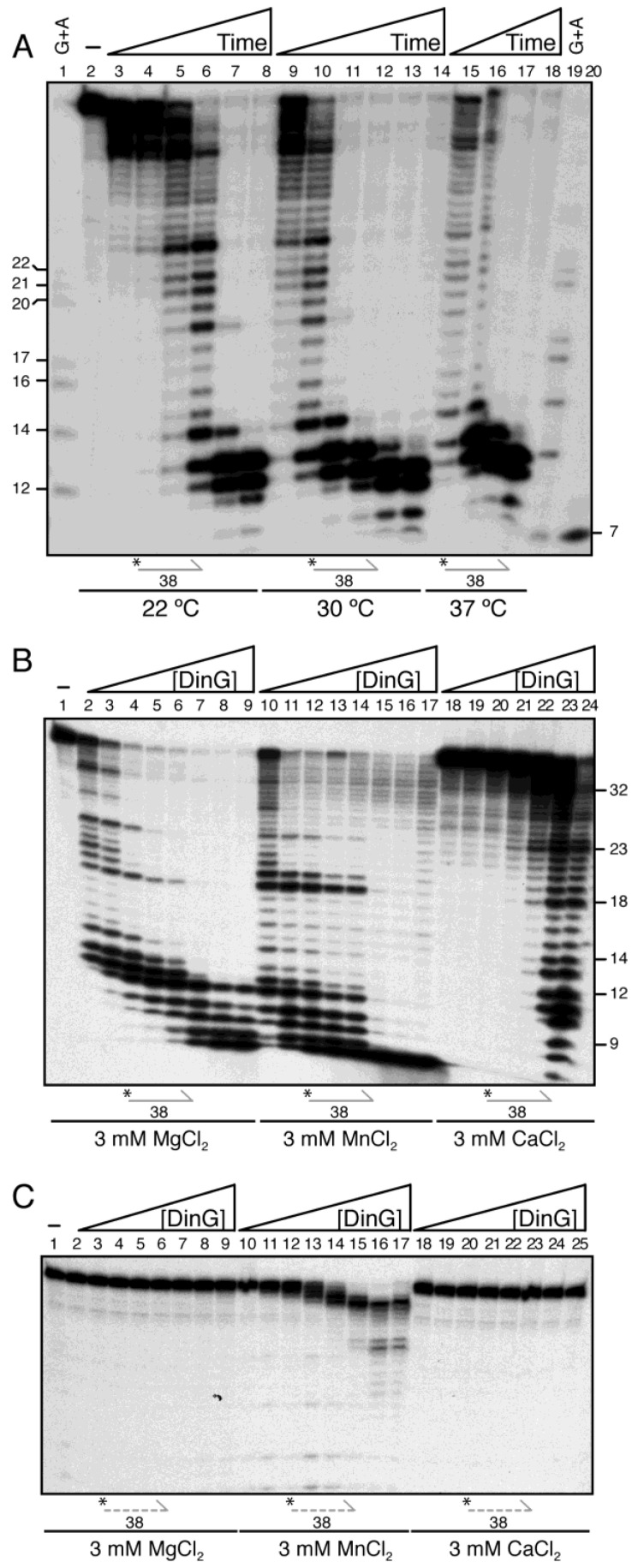 Figure 1
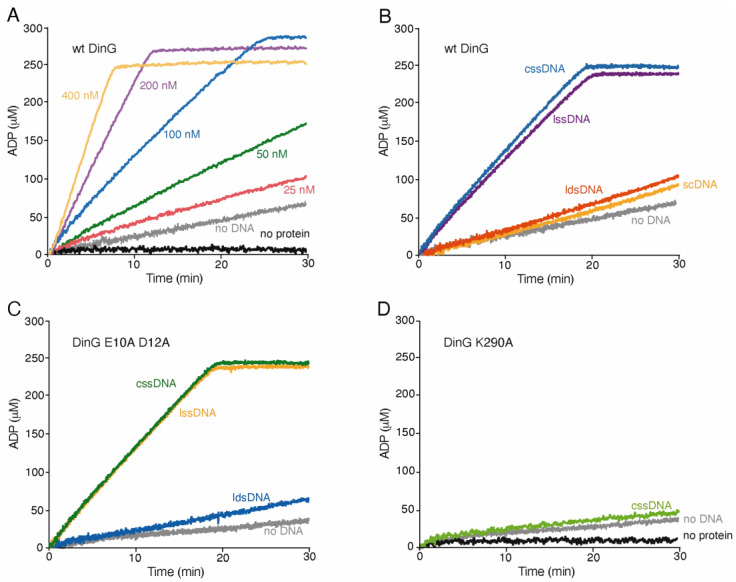 Figure 2
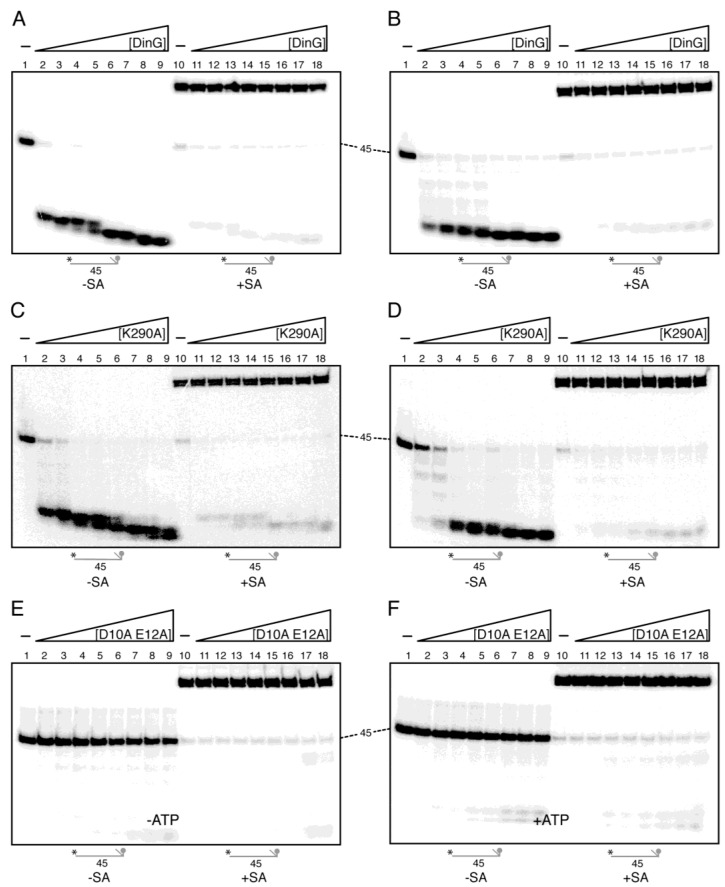 Figure 3
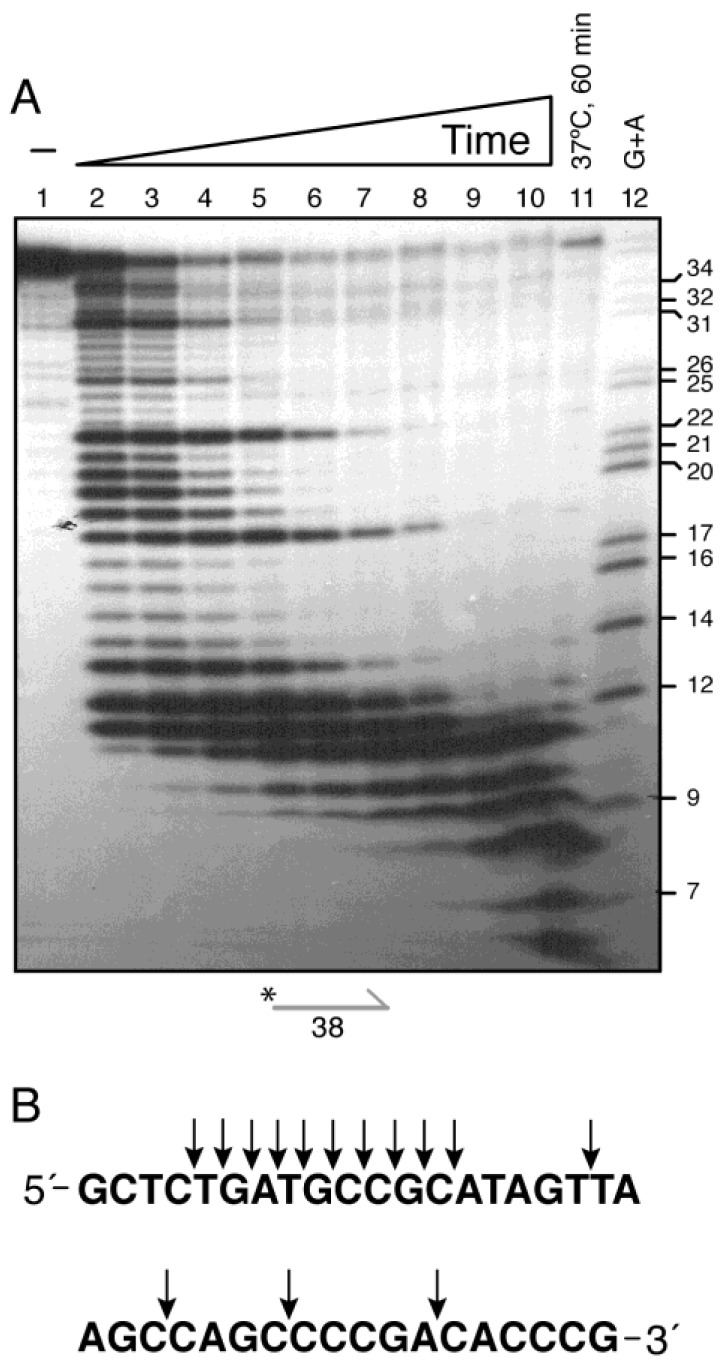 Figure 4
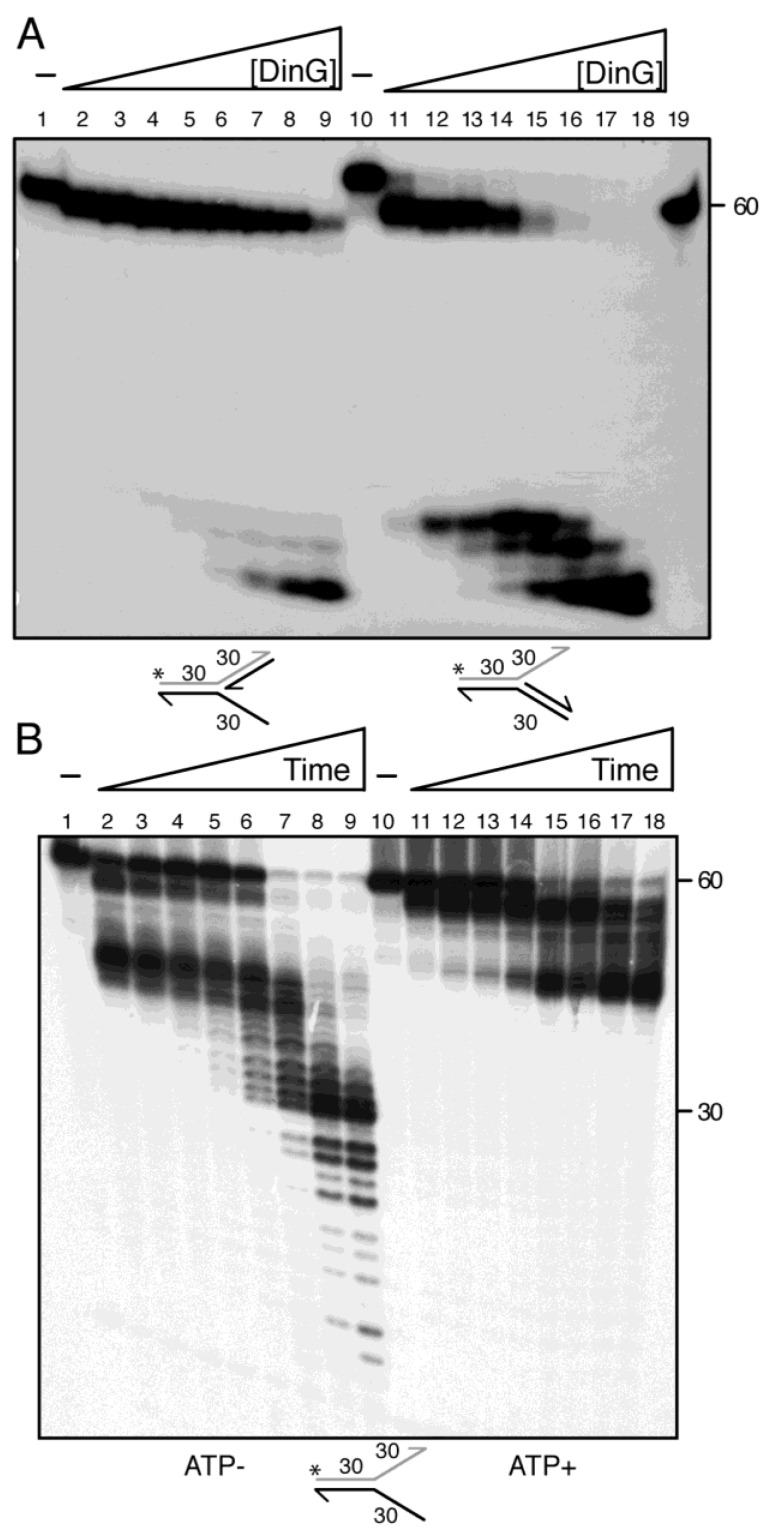 Figure 5
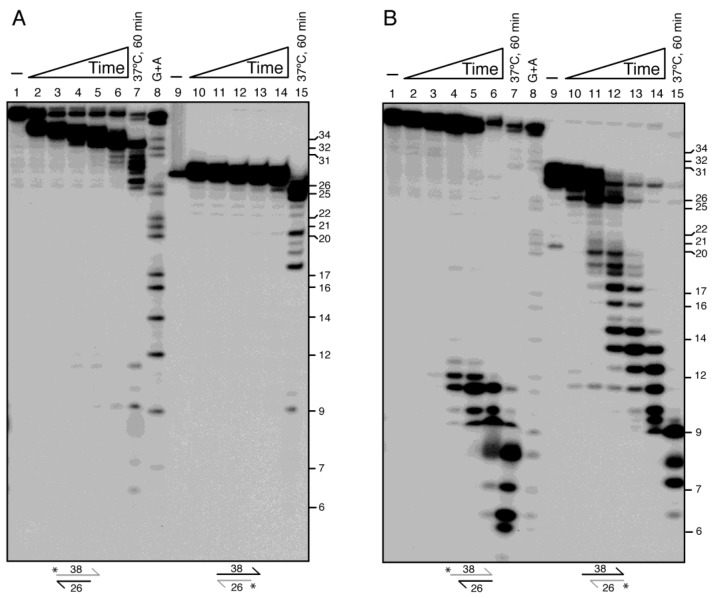 Figure 6
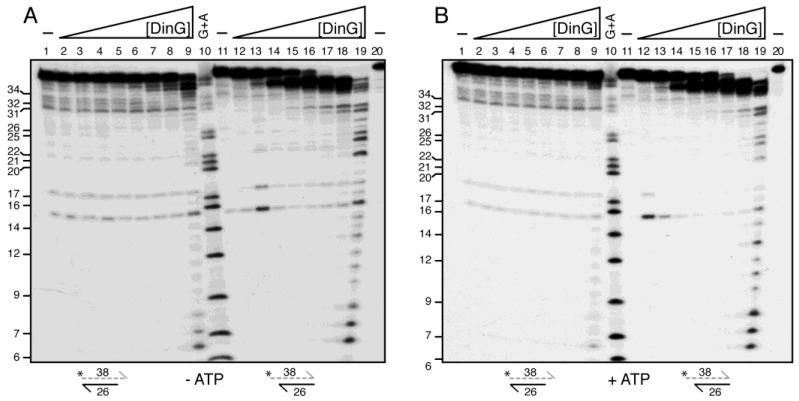 Figure 7
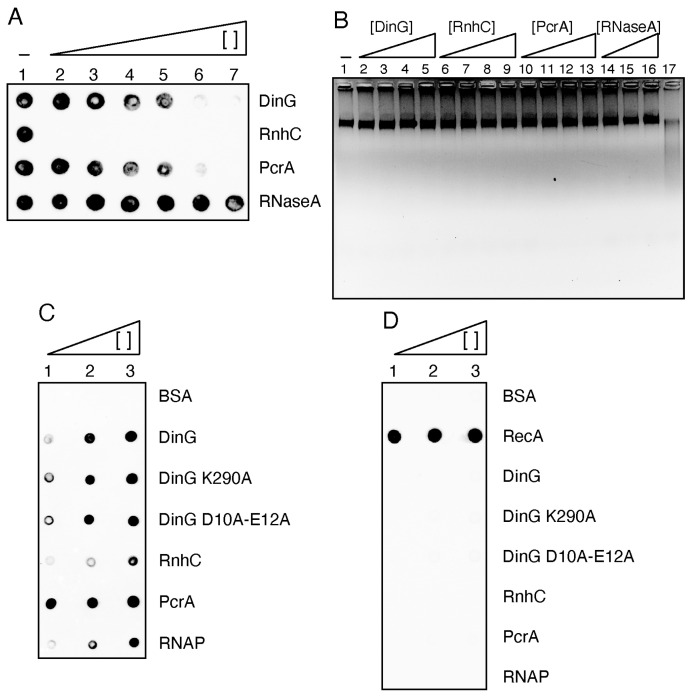 Figure 8
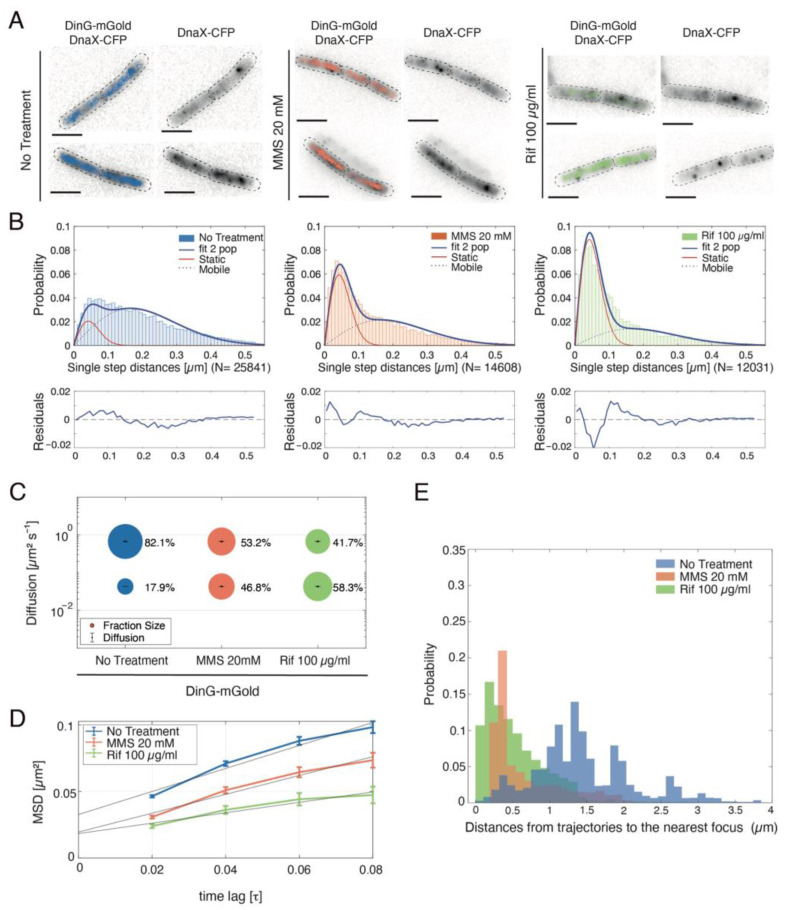 Figure 9
Peer Reviews
No public reviews on file for this paper yet. If you reviewed it on a platform where reviews are public (OpenReview, ICLR, NeurIPS, ICML), you can paste yours below so the community can read it here.
Videos
No videos yet. Explain this paper in a talk, walkthrough, or lecture? Add one.
Taxonomy
TopicsDNA Repair Mechanisms · Bacterial Genetics and Biotechnology · DNA and Nucleic Acid Chemistry