Crystal structure and biophysical characterisation of the enterococcal foldase PpiC, a cross‐opsonic antigen against gram‐positive nosocomial pathogens
Valeria Napolitano, Eliza Kramarska, Ornella Ghilardi, Felipe Romero‐Saavedra, Pompea Del Vecchio, Flavia Squeglia, Johannes Huebner, Rita Berisio

TL;DR
The paper studies the structure and function of PpiC, a protein in E. faecium that could be a target for vaccines and drugs against antibiotic-resistant infections.
Contribution
The paper reports the crystal structure of PpiC and reveals its dimeric organization and functional interplay between its domains.
Findings
PpiC forms a dimeric structure with two parvulin-type PPIase domains.
N- and C-terminal regions are crucial for dimerization and folding activity.
Protein swapping in dimerization links foldase and PPIase functions.
Abstract
Enterococcus faecium have high rates of antibiotic resistances, with vancomycin‐resistant E. faecium acknowledged as the most important in the clinical setting and declared by WHO to be a threat to humankind, for which rapid actions are needed. PpiC is a membrane‐bound lipoprotein of E. faecium endowed with both a peptidyl‐prolyl isomerase and a foldase activity, and plays a key role in assisting the folding of many secreted enterococcal proteins. It is located at the membrane–wall interface, therefore easily accessible to inhibitors and to the immune system and an ideal target for drug and vaccine development. Despite their potential, enterococcal peptidyl‐prolyl isomerases have been understudied. We previously identified PpiC as an important cross‐protective vaccine antigen. To gain a better understanding of the PpiC biological role in E. faecium survival, we determined the crystal…
Genes, proteins, chemicals, diseases, species, mutations and cell lines named across the full text — each resolved to its canonical identifier and authoritative record.
Click any figure to enlarge with its caption.
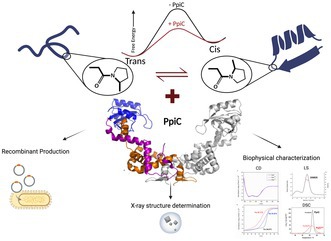 Figure 1
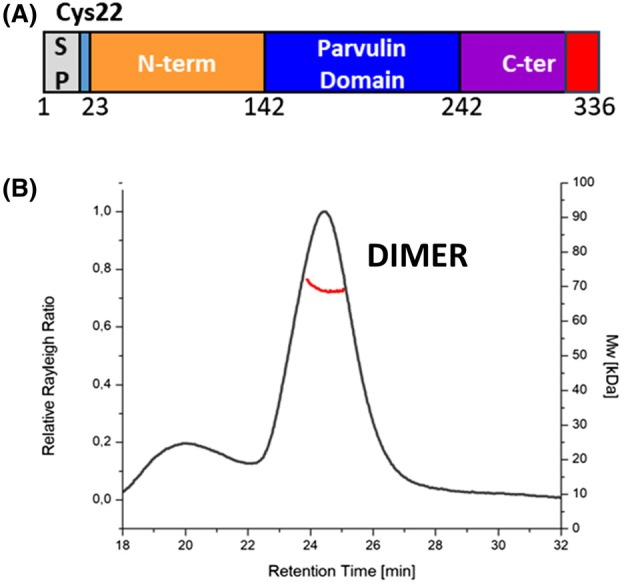 Figure 2
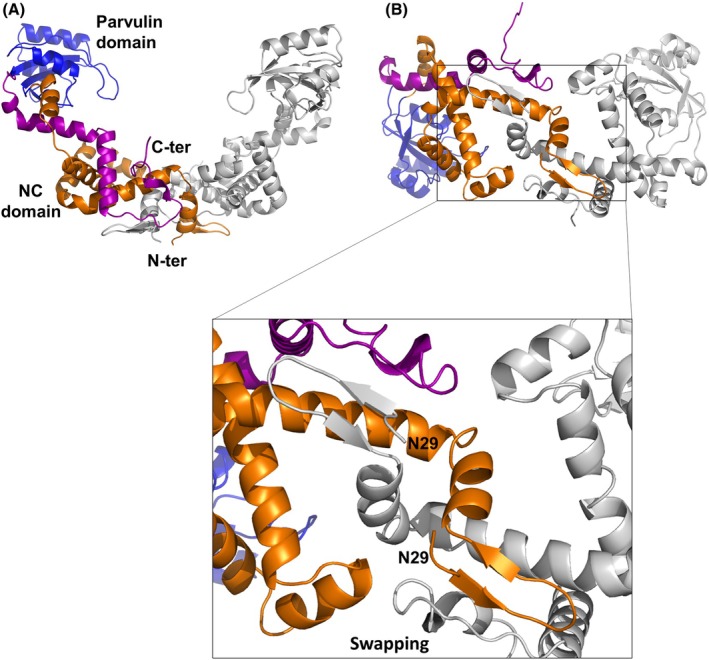 Figure 3
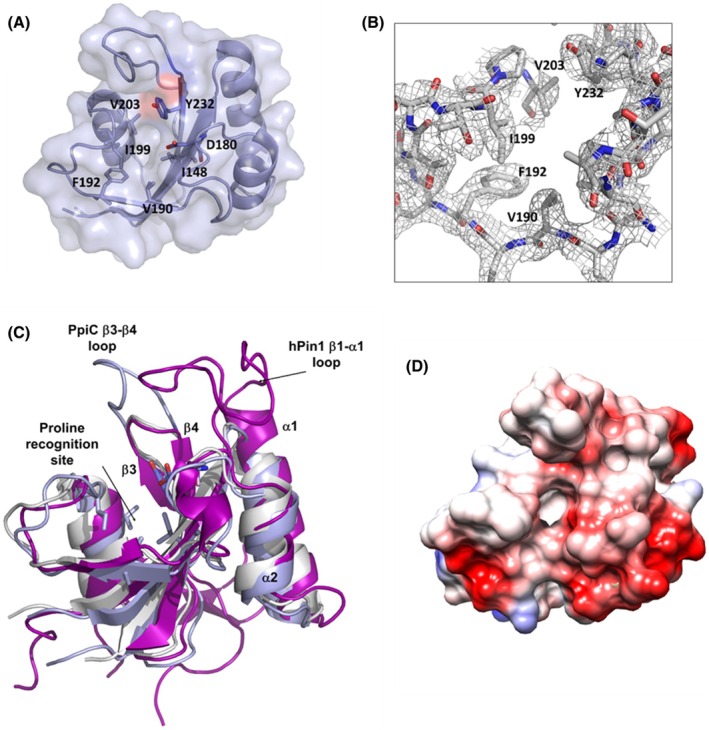 Figure 4
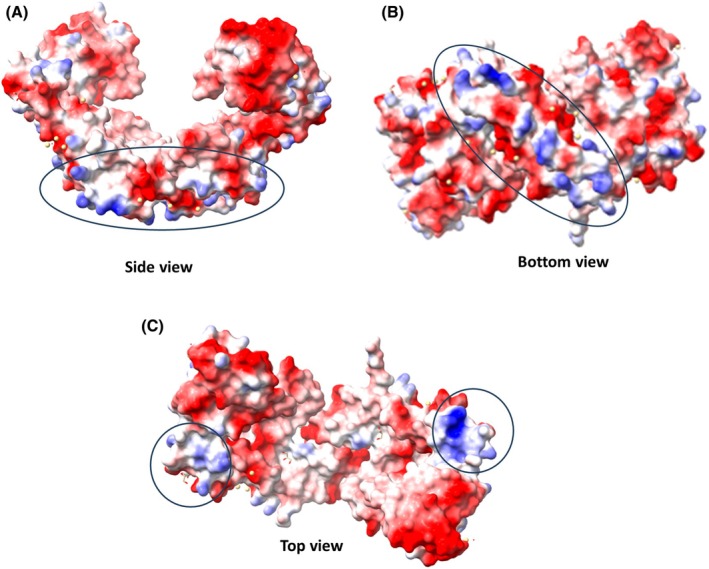 Figure 5
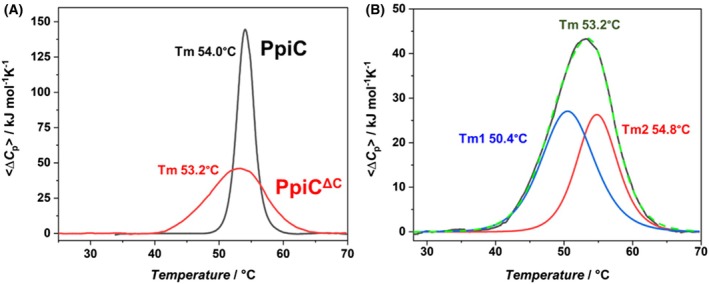 Figure 6
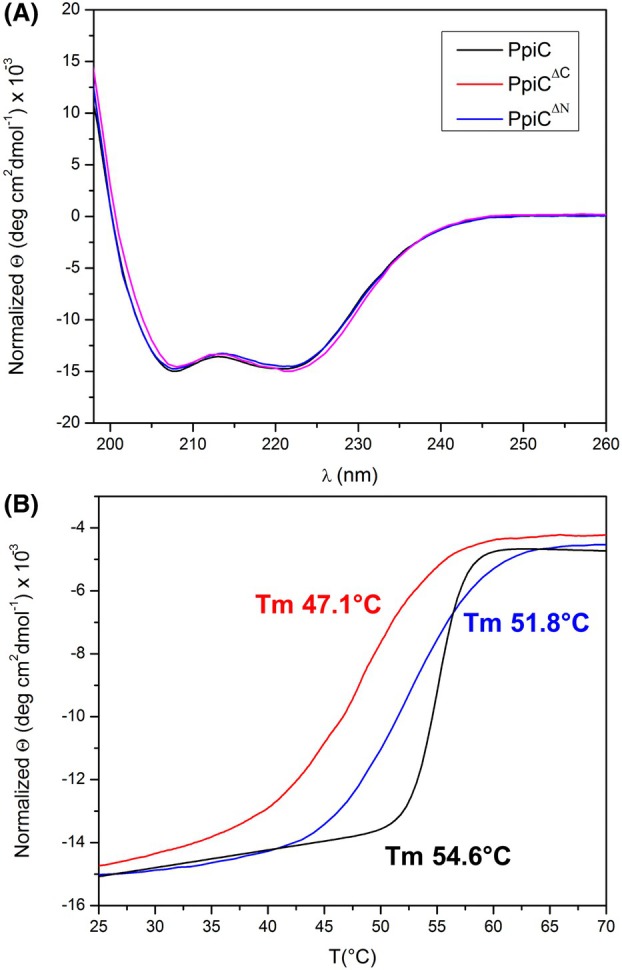 Figure 7
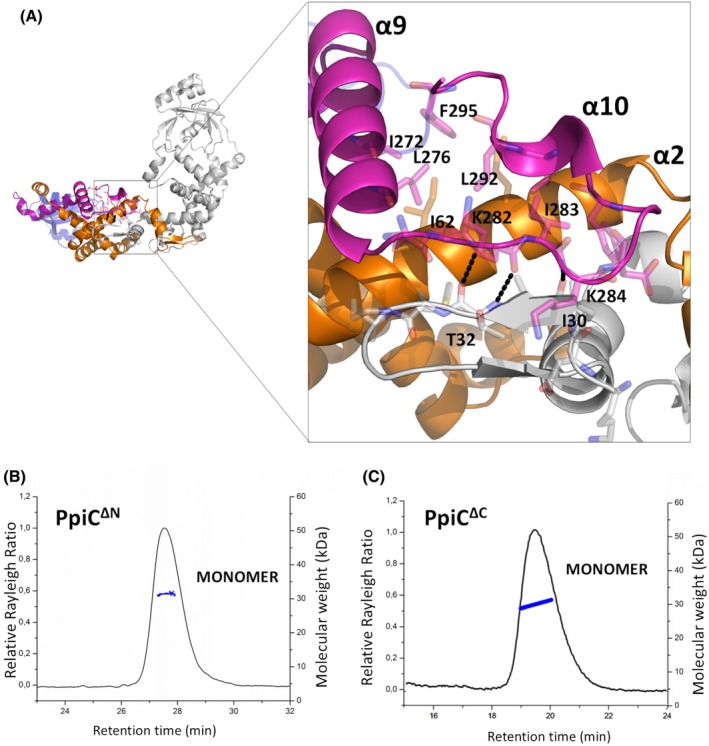 Figure 8
Peer Reviews
No public reviews on file for this paper yet. If you reviewed it on a platform where reviews are public (OpenReview, ICLR, NeurIPS, ICML), you can paste yours below so the community can read it here.
Videos
No videos yet. Explain this paper in a talk, walkthrough, or lecture? Add one.
Taxonomy
TopicsToxin Mechanisms and Immunotoxins · Biochemical and Structural Characterization · Signaling Pathways in Disease