Non-Invasive Hemodynamic Monitoring in Critically Ill Patients: A Guide for Emergency Physicians
Michela Beltrame, Mattia Bellan, Filippo Patrucco, Francesco Gavelli

TL;DR
This paper reviews non-invasive tools for monitoring blood flow in critically ill patients, helping emergency doctors make better decisions quickly.
Contribution
The paper provides a critical evaluation of non-invasive hemodynamic techniques for emergency physicians, emphasizing a multimodal approach.
Findings
Non-invasive methods like POCUS and bioreactance enable real-time hemodynamic assessment in the ED.
Combining techniques improves diagnostic accuracy and supports personalized fluid management.
A multimodal approach enhances clinical outcomes despite individual technique limitations.
Abstract
Hemodynamic monitoring is fundamental in the management of critically ill patients with acute circulatory failure. The invasiveness of conventional devices, however, often limits their applicability in the emergency department (ED). Recent advances have introduced non-invasive modalities (including echocardiography, bioreactance, and plethysmography) that extend the use of hemodynamic assessment beyond the intensive care unit. Among various available techniques, bedside ultrasound (Point-of-Care Ultrasound, POCUS) emerges as a particularly versatile tool for rapid and comprehensive assessment of cardiac function and volume status. When integrated with continuous technologies such as bioreactance or pulse contour analysis, it allows for the adoption of more dynamic and personalized fluid management strategies. Currently, a multimodal and patient-centered approach represents the most…
Genes, proteins, chemicals, diseases, species, mutations and cell lines named across the full text — each resolved to its canonical identifier and authoritative record.
Click any figure to enlarge with its caption.
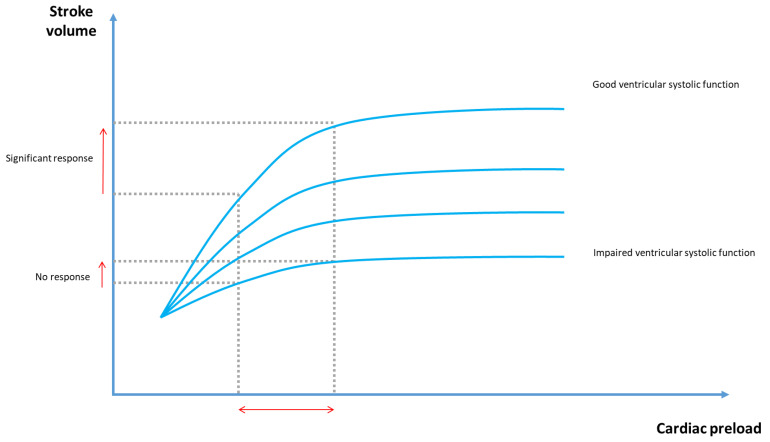 Figure 1
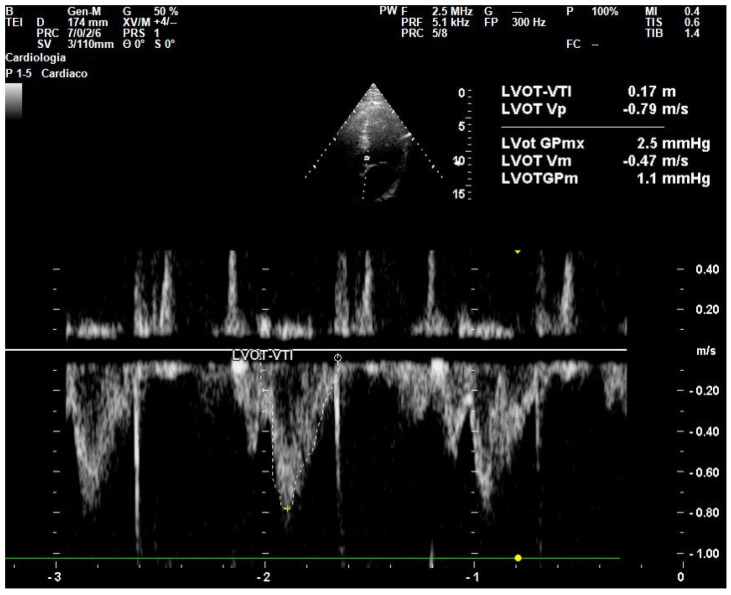 Figure 2
Peer Reviews
No public reviews on file for this paper yet. If you reviewed it on a platform where reviews are public (OpenReview, ICLR, NeurIPS, ICML), you can paste yours below so the community can read it here.
Videos
No videos yet. Explain this paper in a talk, walkthrough, or lecture? Add one.
Taxonomy
TopicsHemodynamic Monitoring and Therapy · Ultrasound in Clinical Applications · Non-Invasive Vital Sign Monitoring