Reduced Expression of Selected Exosomal MicroRNAs Is Associated with Poor Outcomes in Patients with Acute Stroke Receiving Reperfusion Therapy—Preliminary Study
Daria Gendosz de Carrillo, Olga Kocikowska, Aleksandra Krzan, Sebastian Student, Małgorzata Rak, Magdalena Nowak-Andraka, Junqiao Mi, Małgorzata Burek, Anetta Lasek-Bal, Halina Jędrzejowska-Szypułka

TL;DR
This study finds that lower levels of certain microRNAs in stroke patients receiving combined reperfusion therapy are linked to worse recovery outcomes.
Contribution
The study identifies specific exosomal miRNAs associated with poor outcomes in acute stroke patients undergoing reperfusion therapy.
Findings
Patients with unfavorable outcomes had reduced levels of miR-17, miR-20, miR-186, and miR-222 after combined stroke therapy.
Target genes of these miRNAs are linked to cell death, inflammation, and neurodegeneration.
Combined reperfusion therapy (rt-PA/MT) uniquely lowered DEmiRNA levels compared to other treatments.
Abstract
Reperfusion therapy uses thrombolysis and clot removal to restore blood flow in the brain after stroke; however, three months after reperfusion therapy, roughly 46% of stroke patients become independent again. MiRNAs (micro RNA) regulate cerebral ischemia/reperfusion injury, and their transfer between cells via exosomes may differentially affect recipient cells. We examined serum exosomal miRNA levels, stroke treatments, and functional outcomes in stroke patients, and we explored the potential role of estimated differentially expressed miRNA (DEmiRNA) target genes in the brain’s reaction to reperfusion after ischemia. The patients in the study received aspirin or reperfusion therapy with either intravenous thrombolysis (rt-PA), mechanical thrombectomy (MT), or a combination of both (rt-PA/MT). Serum samples were collected from stroke patients on days 1 and 10 post-stroke. Serum…
Genes, proteins, chemicals, diseases, species, mutations and cell lines named across the full text — each resolved to its canonical identifier and authoritative record.
Click any figure to enlarge with its caption.
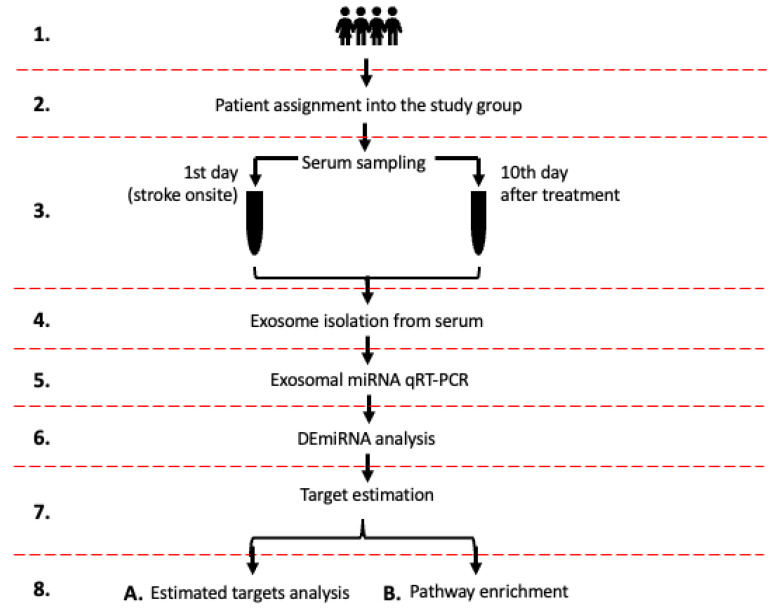 Figure 1
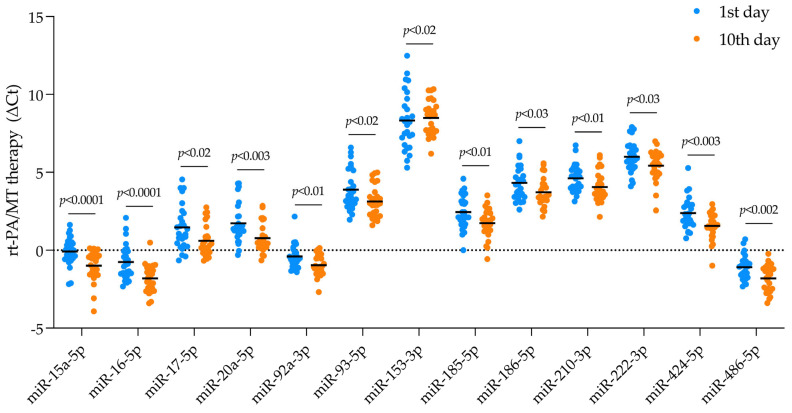 Figure 2
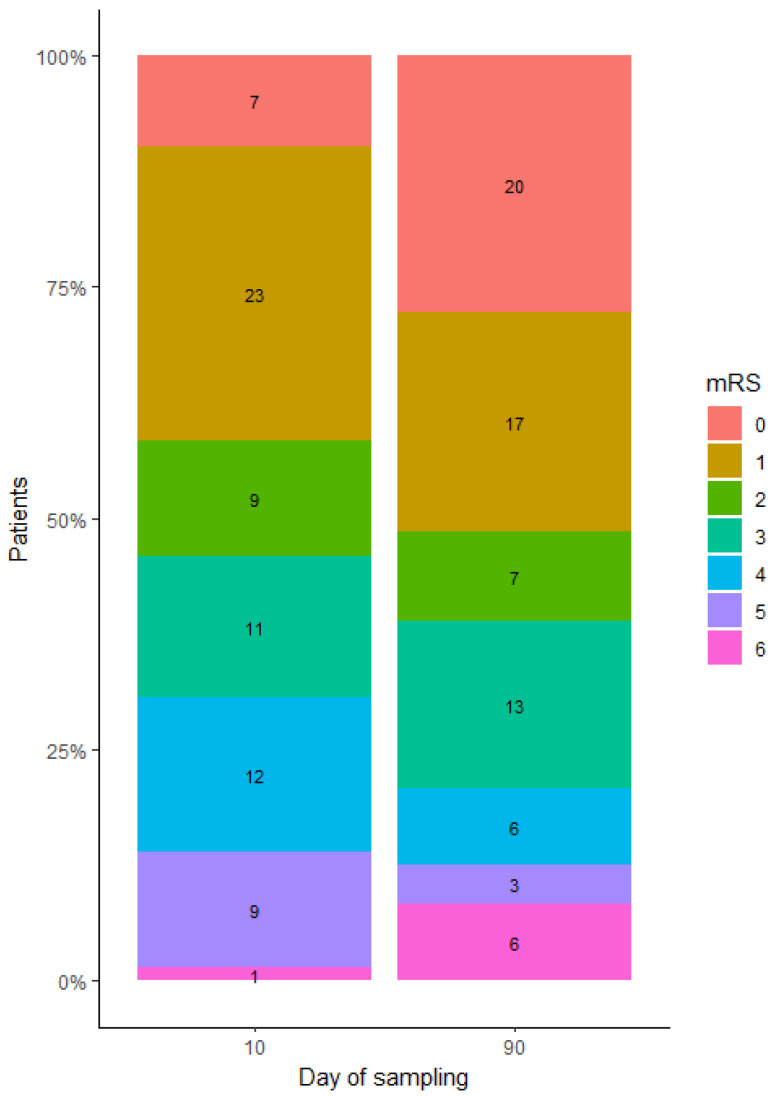 Figure 3
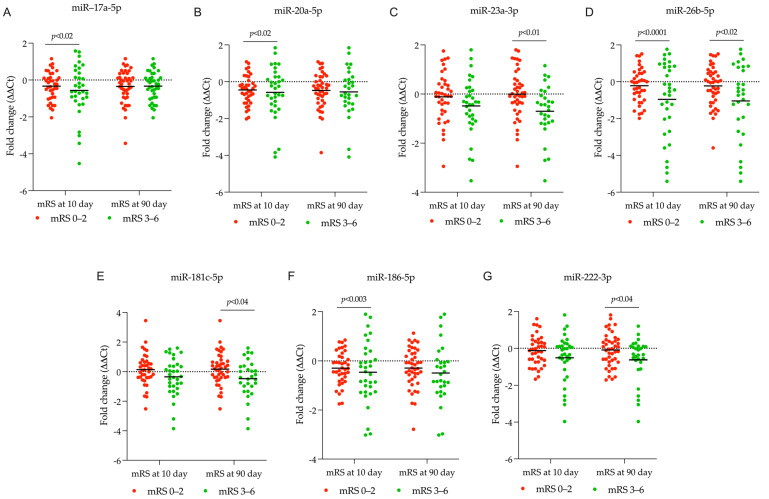 Figure 4
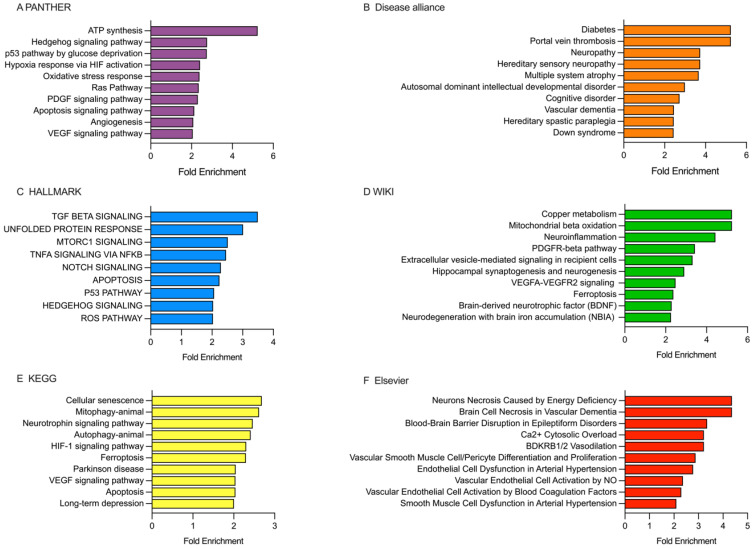 Figure 5
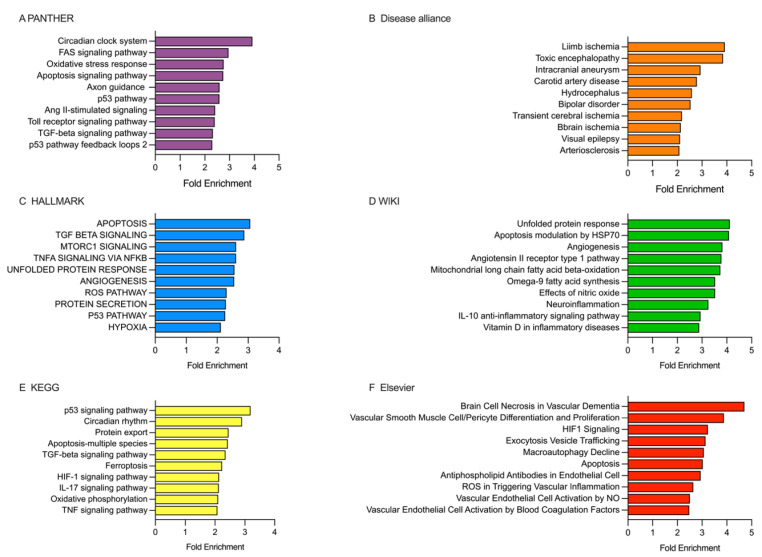 Figure 6
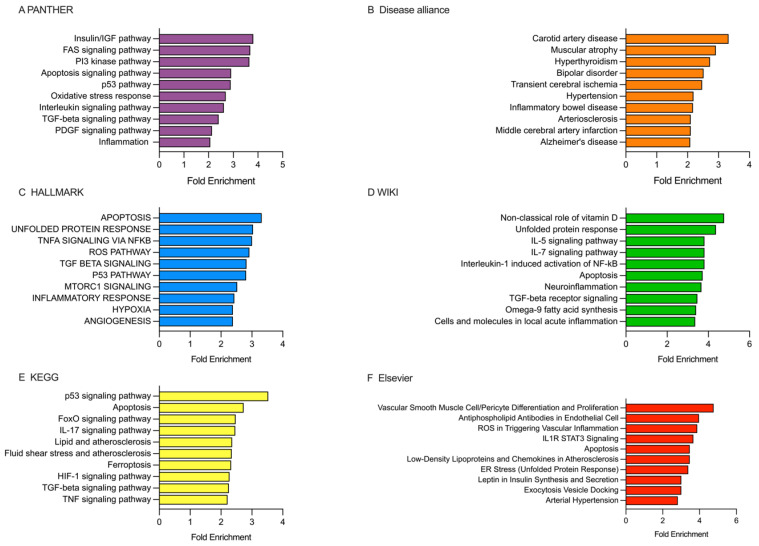 Figure 7
Peer Reviews
No public reviews on file for this paper yet. If you reviewed it on a platform where reviews are public (OpenReview, ICLR, NeurIPS, ICML), you can paste yours below so the community can read it here.
Videos
No videos yet. Explain this paper in a talk, walkthrough, or lecture? Add one.
Taxonomy
TopicsExtracellular vesicles in disease · MicroRNA in disease regulation · Neuroinflammation and Neurodegeneration Mechanisms