Ecosynthesis and Optimization of Nano rGO/Ag-Based Electrode Materials for Superior Supercapacitor Coin Cell Devices
Belen Orellana, Leonardo Vivas, Carolina Manquian, Tania P. Brito, Dinesh P. Singh

TL;DR
Researchers developed a green method to create a graphene and silver composite material for supercapacitors, achieving high performance and durability.
Contribution
A novel green synthesis method for rGO/Ag composites with optimized silver nanoparticle loading for enhanced supercapacitor performance.
Findings
The rGO/Ag composite synthesized with 1.0 M silver nitrate achieved a maximum specific capacitance of 392 Fg−1.
The optimized material demonstrated a gravimetric capacitance of 19.00 Fg−1 in a coin cell device.
The method uses ascorbic acid as a non-toxic reducing agent, making the synthesis eco-friendly.
Abstract
In the shift toward sustainable energy, there is a strong demand for efficient and durable energy storage solutions. Supercapacitors, in particular, are a promising technology, but they require high-performance materials that can be produced using simple, eco-friendly methods. This has led researchers to investigate new materials and composites that can deliver high energy and power densities, along with long-term stability. Herein, we report a green synthesis approach to create a composite material consisting of reduced graphene oxide and silver nanoparticles (rGO/Ag). The method uses ascorbic acid, a natural compound found in fruits and vegetables, as a non-toxic agent to simultaneously reduce graphene oxide and silver nitrate. To enhance electrochemical performance, the incorporation of silver nanoparticles into the rGO structures is optimized. In this study, different molar…
Genes, proteins, chemicals, diseases, species, mutations and cell lines named across the full text — each resolved to its canonical identifier and authoritative record.
Click any figure to enlarge with its caption.
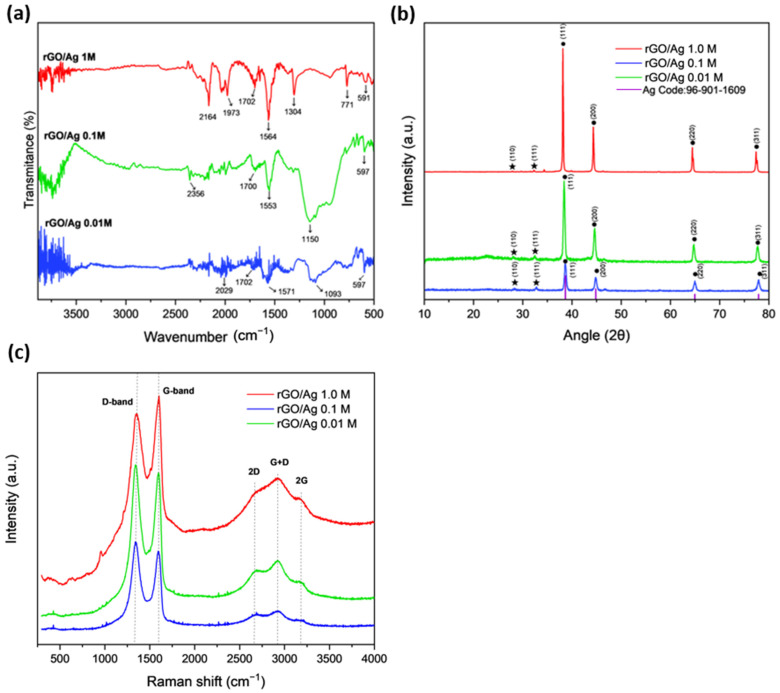 Figure 1
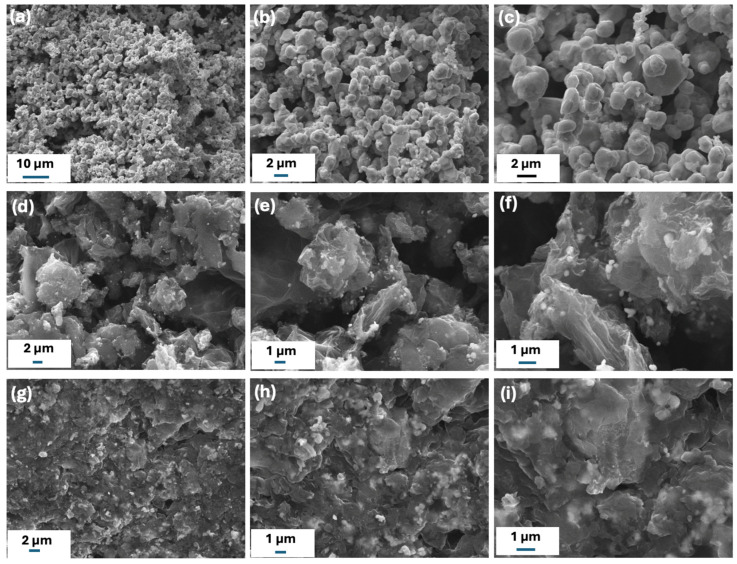 Figure 2
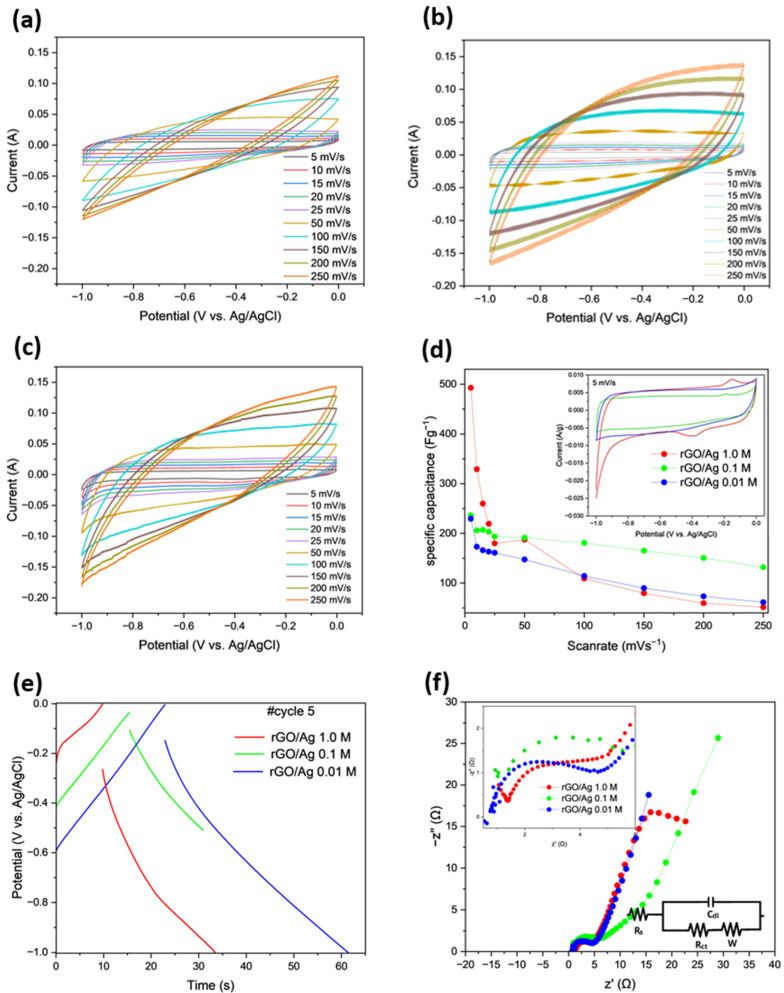 Figure 3
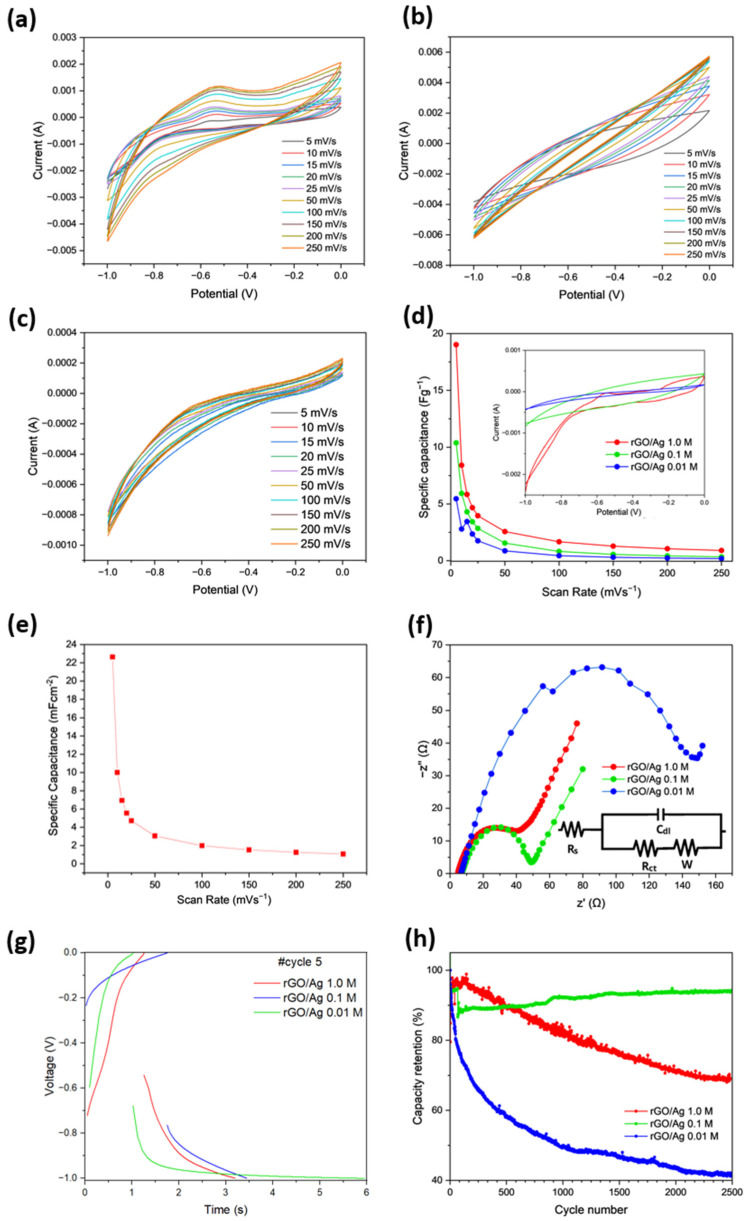 Figure 4
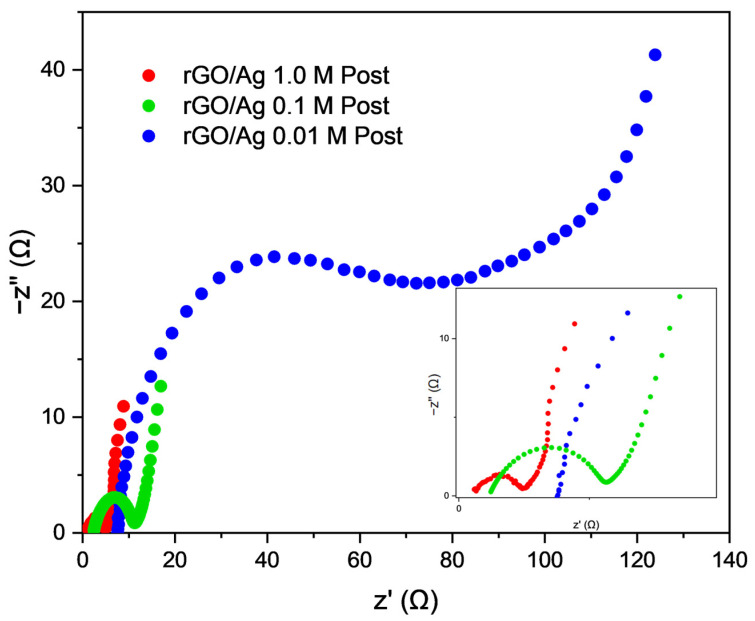 Figure 5
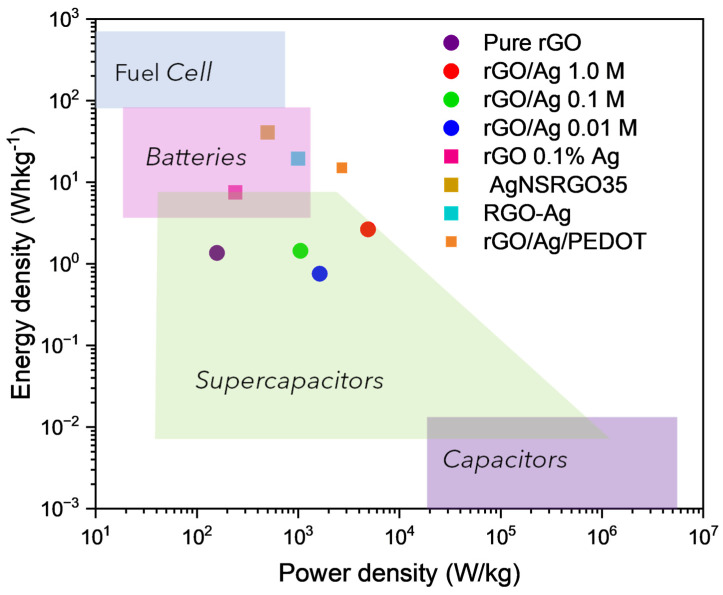 Figure 6
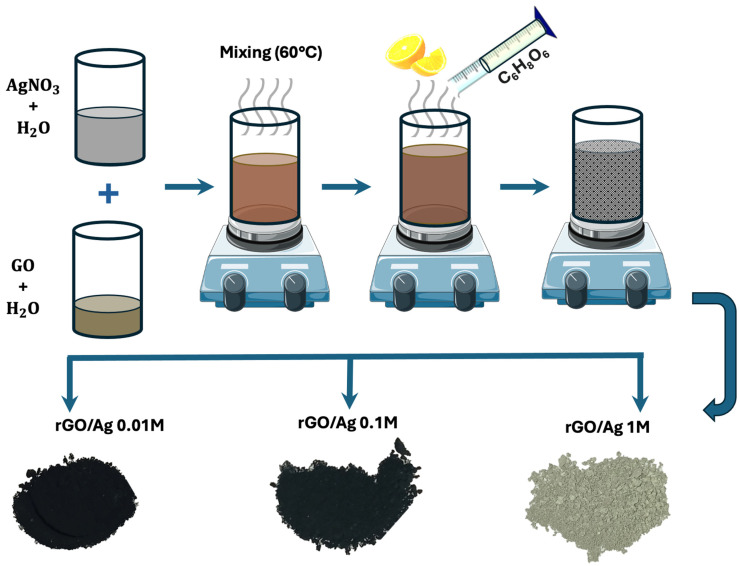 Figure 7
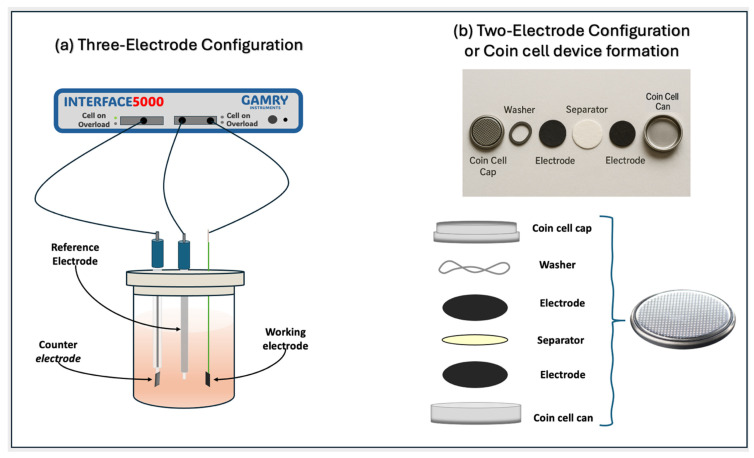 Figure 8
Peer Reviews
No public reviews on file for this paper yet. If you reviewed it on a platform where reviews are public (OpenReview, ICLR, NeurIPS, ICML), you can paste yours below so the community can read it here.
Videos
No videos yet. Explain this paper in a talk, walkthrough, or lecture? Add one.
Taxonomy
TopicsSupercapacitor Materials and Fabrication · Electrochemical sensors and biosensors · Graphene and Nanomaterials Applications