YKL-40 Level Is Associated with TyG-BMI-Estimated Insulin Resistance and Metabolic Syndrome in a Population Without Diabetes, Independent of Obesity
Hsin-Hua Chou, Shing-Hsien Chou, Kuan-Hung Yeh, Hsuan-Li Huang, I-Shiang Tzeng, Yu-Lin Ko

TL;DR
Higher YKL-40 levels are linked to insulin resistance and metabolic syndrome, even in non-diabetic individuals, and this relationship is not solely due to obesity.
Contribution
This study shows YKL-40 is independently associated with insulin resistance and metabolic syndrome, beyond the effects of obesity.
Findings
Higher YKL-40 levels correlate with increased odds of insulin resistance after adjusting for obesity-related factors.
YKL-40 levels are significantly linked to higher prevalence of metabolic syndrome across all weight categories.
Overweight/obese individuals have higher metabolic syndrome prevalence than normal-weight individuals at the same YKL-40 levels, but this effect weakens as YKL-40 increases.
Abstract
YKL-40, an obesity-related inflammatory biomarker, has inconsistently been associated with insulin resistance, and its relationship with metabolic syndrome is not well established. This study investigated the associations of YKL-40 levels with insulin resistance and metabolic syndrome independently of obesity. We analyzed data from 4303 participants without diabetes in the Taiwan Biobank. Insulin resistance was defined by the highest quartile of triglyceride-glucose body mass index (TyG-BMI). Metabolic syndrome was defined per AHA/NLHBI criteria. Both univariate and multivariate analyses demonstrated significant correlations between YKL-40 levels and TyG-BMI. Participants with higher YKL-40 quartiles exhibited increased odds of TyG-BMI-estimated insulin resistance even after adjusting for established predictors of TyG-BMI, including waist circumference. Similarly, higher YKL-40…
Genes, proteins, chemicals, diseases, species, mutations and cell lines named across the full text — each resolved to its canonical identifier and authoritative record.
Click any figure to enlarge with its caption.
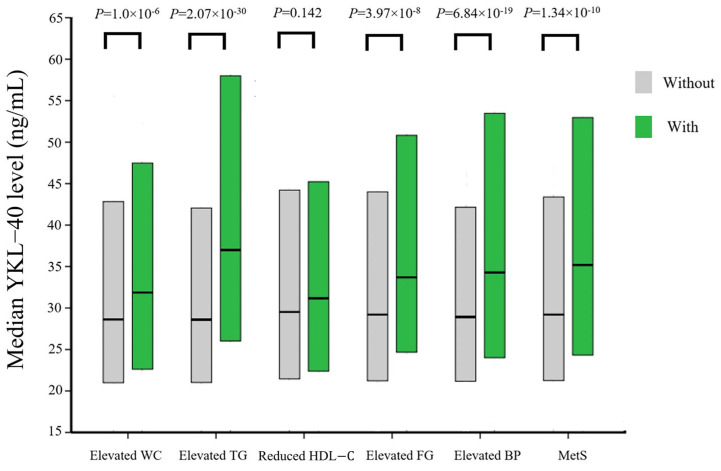 Figure 1
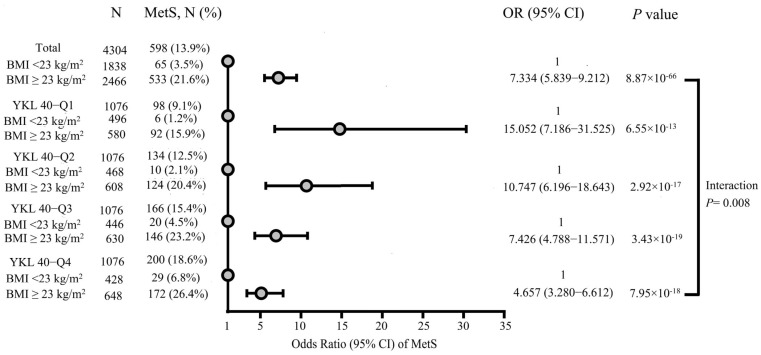 Figure 2
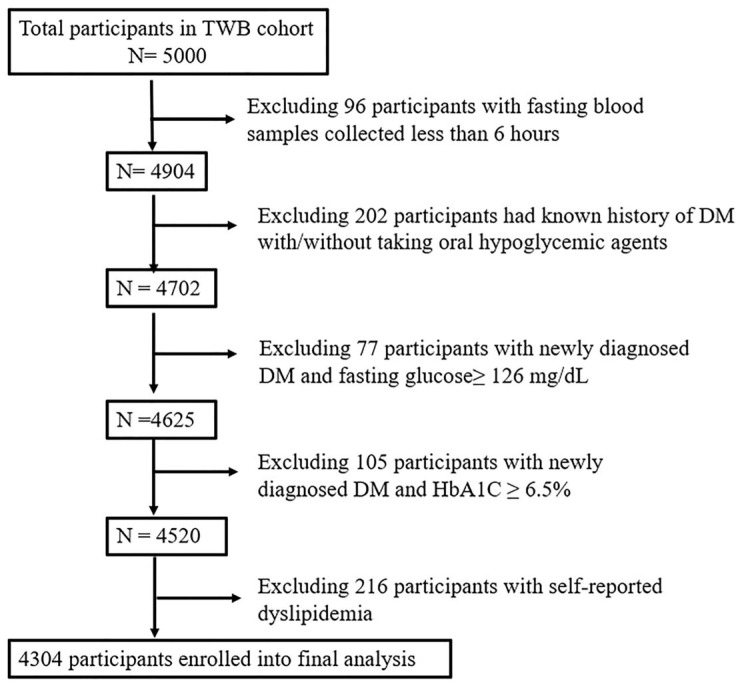 Figure 3
Peer Reviews
No public reviews on file for this paper yet. If you reviewed it on a platform where reviews are public (OpenReview, ICLR, NeurIPS, ICML), you can paste yours below so the community can read it here.
Videos
No videos yet. Explain this paper in a talk, walkthrough, or lecture? Add one.
Taxonomy
TopicsStudies on Chitinases and Chitosanases