Coumarin–Dithiocarbamate Derivatives as Biological Agents
Piotr Wiliński, Aleksander Kurzątkowski, Kinga Ostrowska

TL;DR
This paper reviews recent advances in coumarin-dithiocarbamate compounds, highlighting their diverse biological activities including anticancer and antimicrobial effects.
Contribution
The paper provides a focused review exclusively on coumarin-dithiocarbamate derivatives and their biological activities.
Findings
Coumarin-dithiocarbamate derivatives show cytotoxic activity against multiple human cancer cell lines.
These derivatives inhibit acetylcholinesterase and monoamine oxidases, suggesting potential CNS activity.
They also exhibit α-glucosidase inhibition and antimicrobial properties.
Abstract
Coumarin derivatives, whether natural or synthetic, have attracted considerable interest from medicinal chemists due to their versatile biological properties. Their appealing pharmacological activities—such as anticancer, anti-inflammatory, neuroprotective, anticoagulant, and antioxidant effects—combined with the ease of their synthesis and the ability to introduce chemical modifications at multiple positions have made them a widely explored class of compounds. In the scientific literature, there are many examples. On the other hand, dithiocarbamates, originally employed as pesticides and fungicides in agriculture, have recently emerged as potential therapeutic agents for the treatment of serious diseases such as cancer and microbial infections. Moreover, dithiocarbamates bearing diverse organic functionalities have demonstrated significant antifungal properties against resistant…
Genes, proteins, chemicals, diseases, species, mutations and cell lines named across the full text — each resolved to its canonical identifier and authoritative record.
Click any figure to enlarge with its caption.
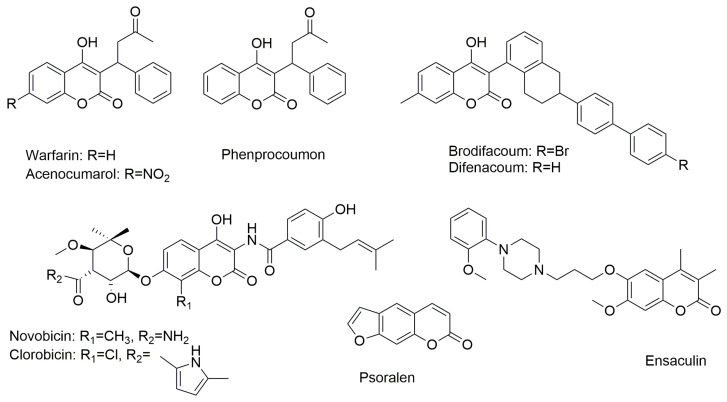 Figure 1
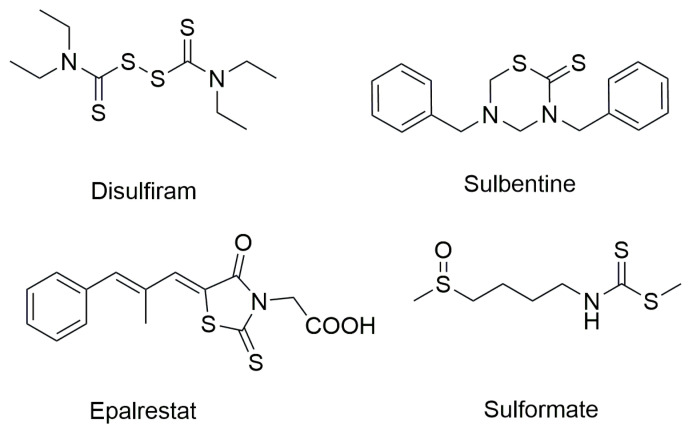 Figure 2
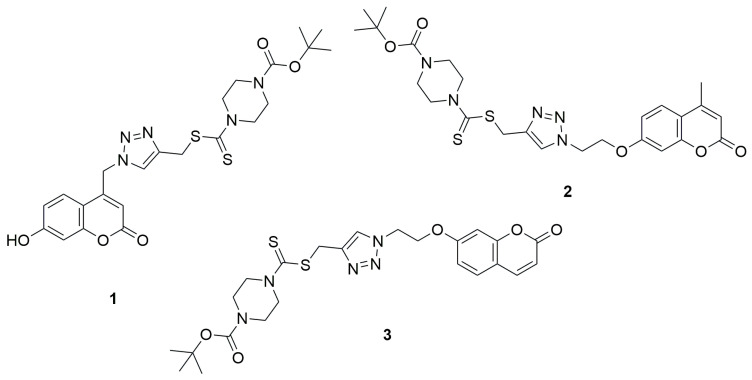 Figure 3
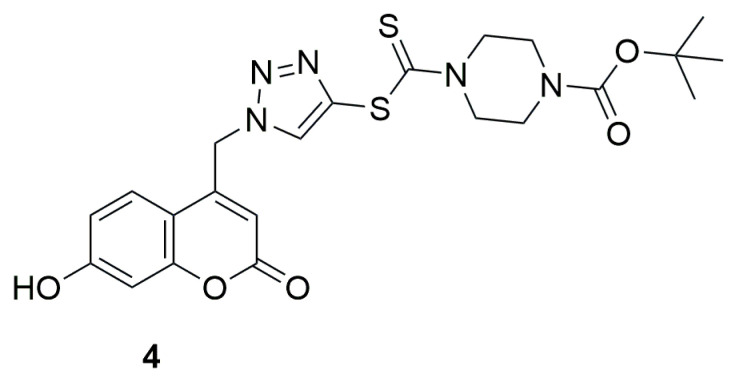 Figure 4
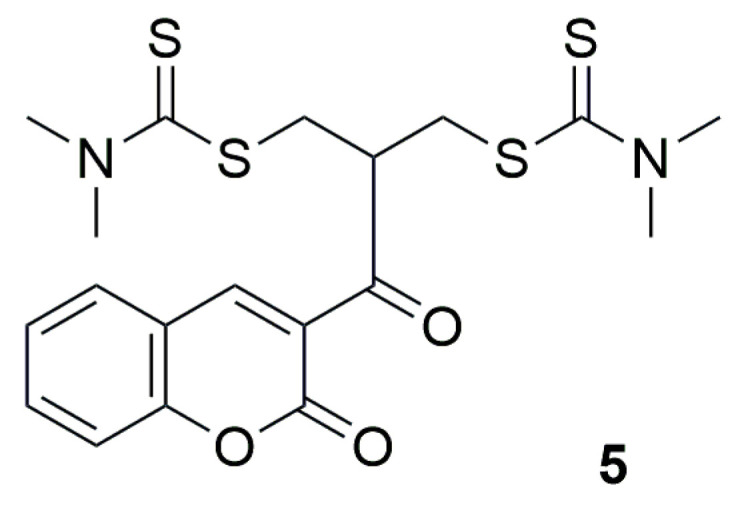 Figure 5
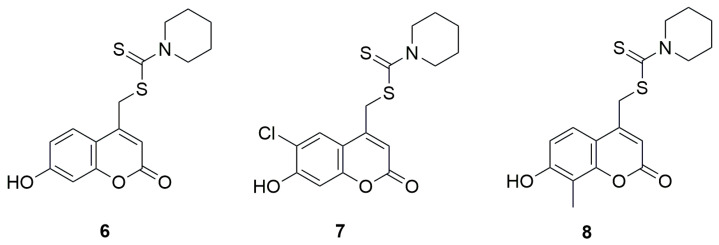 Figure 6
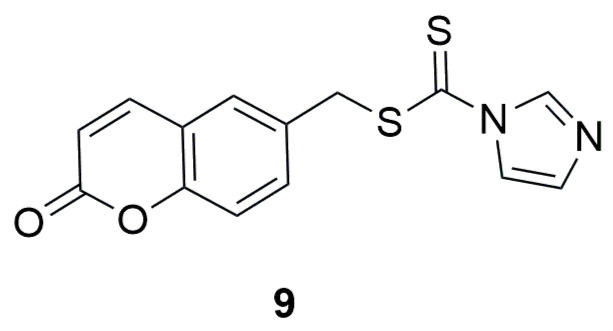 Figure 7
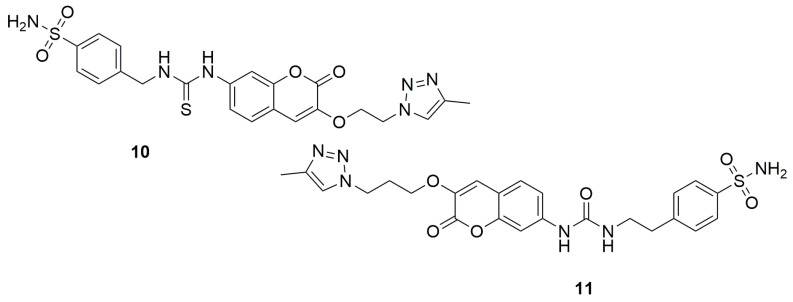 Figure 8
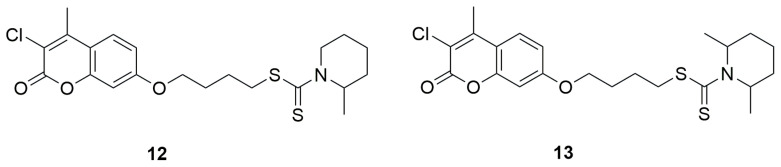 Figure 9
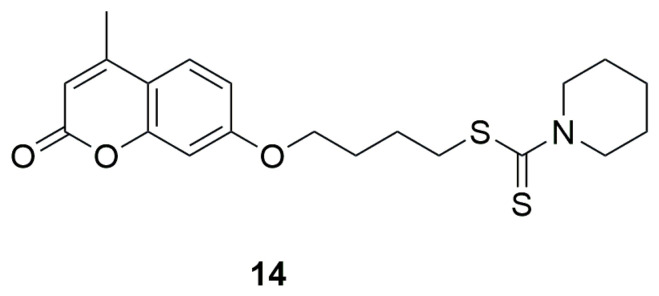 Figure 10
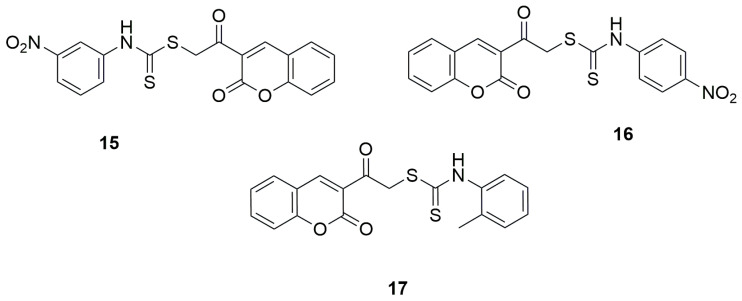 Figure 11
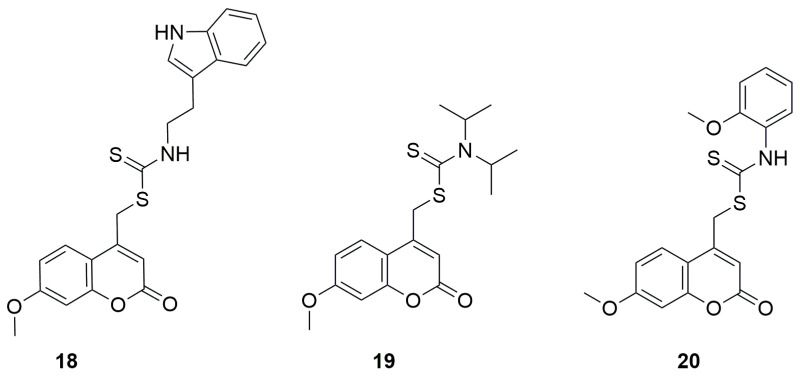 Figure 12
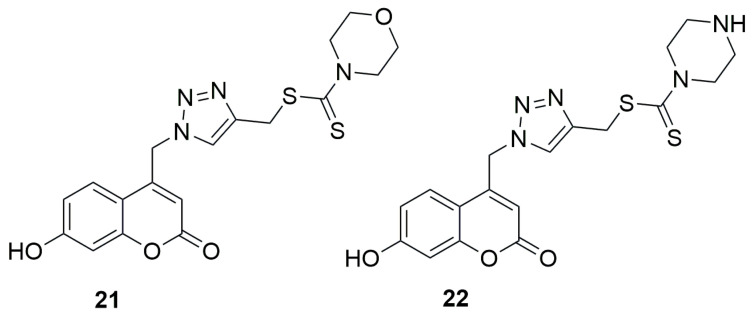 Figure 13
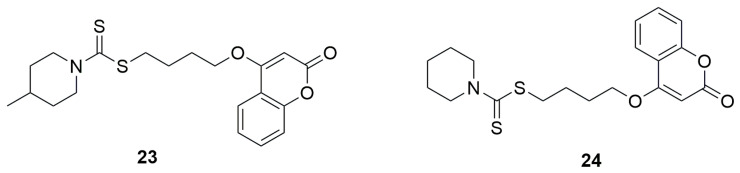 Figure 14
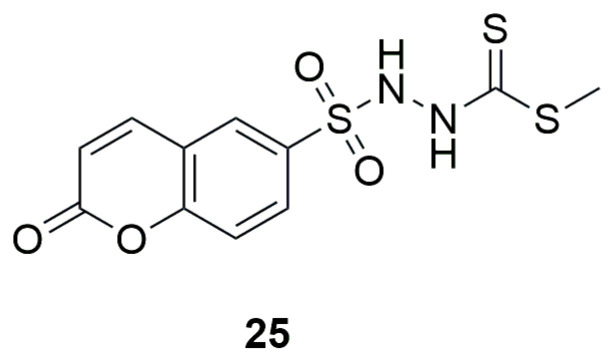 Figure 15
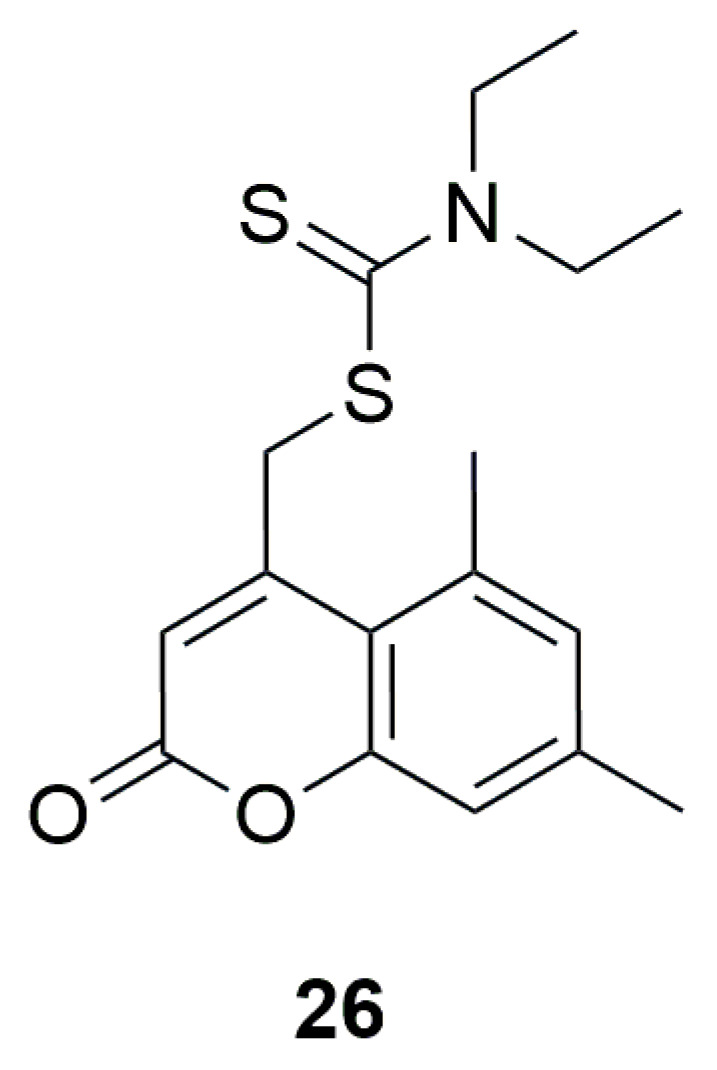 Figure 16
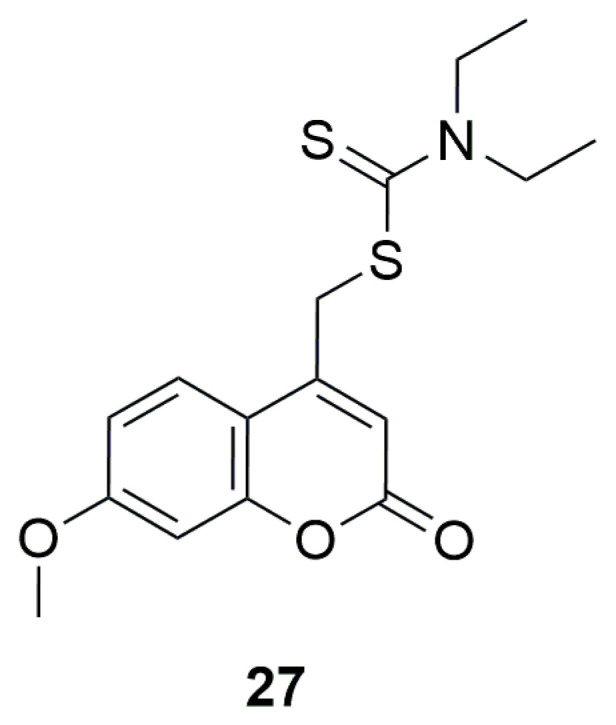 Figure 17
Peer Reviews
No public reviews on file for this paper yet. If you reviewed it on a platform where reviews are public (OpenReview, ICLR, NeurIPS, ICML), you can paste yours below so the community can read it here.
Videos
No videos yet. Explain this paper in a talk, walkthrough, or lecture? Add one.
Taxonomy
TopicsSynthesis and biological activity · Phenothiazines and Benzothiazines Synthesis and Activities · Sulfur-Based Synthesis Techniques