Phlorizin Ameliorates Amyloid-β Toxicity and Enhances Fatty Acid β-Oxidation in Caenorhabditis elegans via NHR-49-Dependent Pathway
Xuya Zhang, Yan Fu, Xue Li, Yali Zhang, Lingling Li, Tianxing Yi, Hong Jiang, Yi Lu

TL;DR
Phlorizin reduces amyloid-beta toxicity and improves fatty acid metabolism in worms, possibly through an NHR-49-related pathway, offering potential anti-aging benefits.
Contribution
This study is the first to show that phlorizin ameliorates Aβ toxicity in AD models via NHR-49-dependent fatty acid β-oxidation.
Findings
Phlorizin improves survival and delays aging in C. elegans AD models.
Phlorizin increases expression of fatty acid metabolism genes like nhr-49, acs-2, and cpt-5.
Phlorizin reduces lipid accumulation and ROS levels in worms.
Abstract
Phlorizin (PHZ) is a glucoside of phloretin, belonging to the dihydrochalcone class within flavonoids; It is one of the active ingredients of the plant Cynomorium, and it has been shown that PHZ can regulate lipid metabolism disorders as well as having anti-aging properties. However, no studies have investigated whether PHZ ameliorates Aβ-induced toxicity in Alzheimer’s disease (AD) by regulating fatty acid β-oxidation. This study aims to investigate the effects of PHZ on the regulation of fatty acid β-oxidation and resistance to Aβ-associated toxicity on the AD Caenorhabditis elegans and the mechanisms of action. Wild-type N2 and AD model CL4176 C. elegans were used; lifespan, heat stress resistance, chronic paraquat stress, reactive oxygen species (ROS), behavioral performance, and lipofuscin accumulation assays were examined to evaluate the anti-aging effects; and non-esterified…
Genes, proteins, chemicals, diseases, species, mutations and cell lines named across the full text — each resolved to its canonical identifier and authoritative record.
Click any figure to enlarge with its caption.
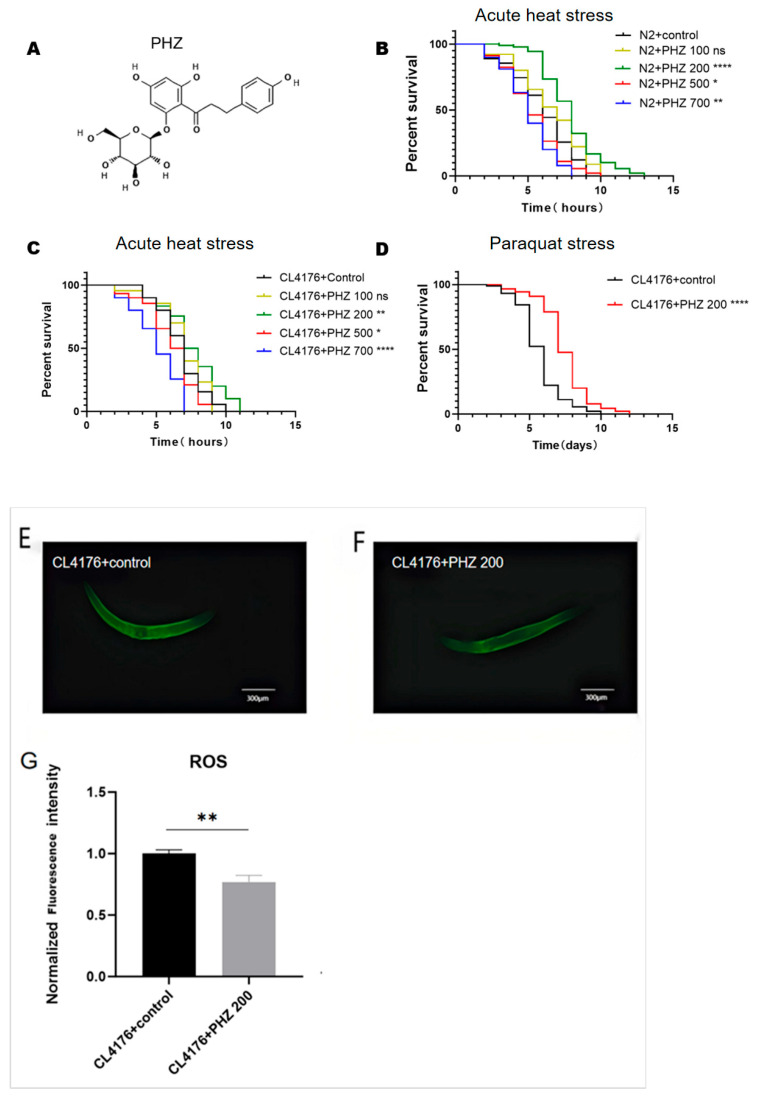 Figure 1
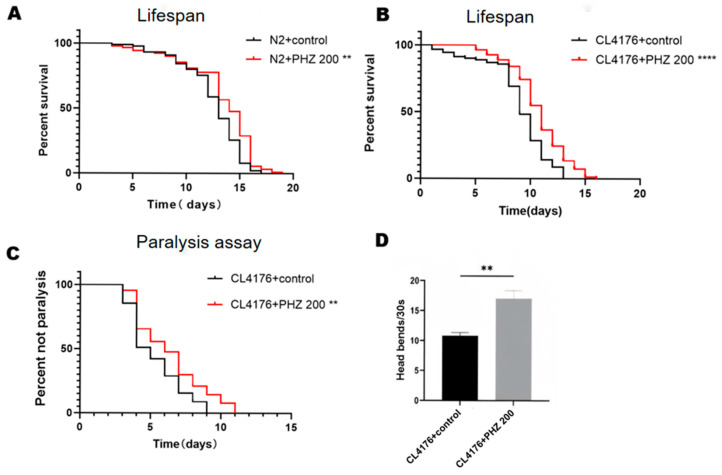 Figure 2
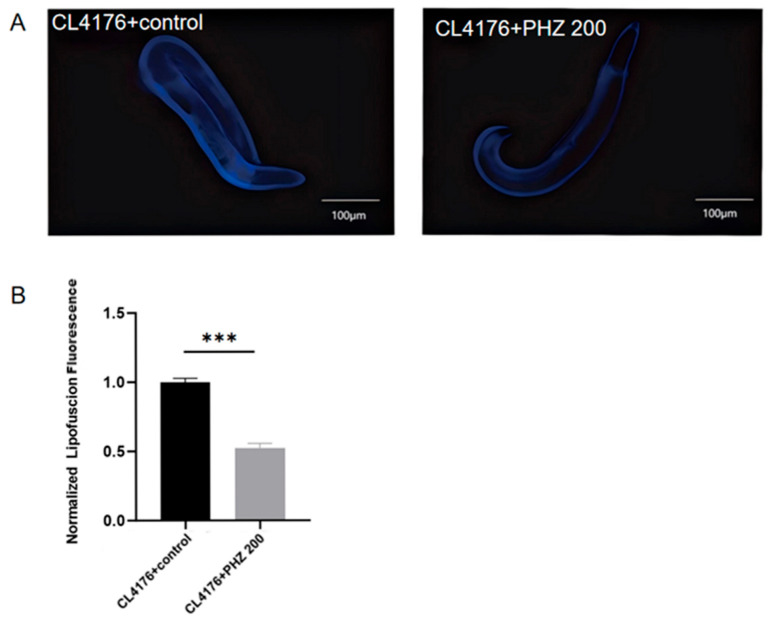 Figure 3
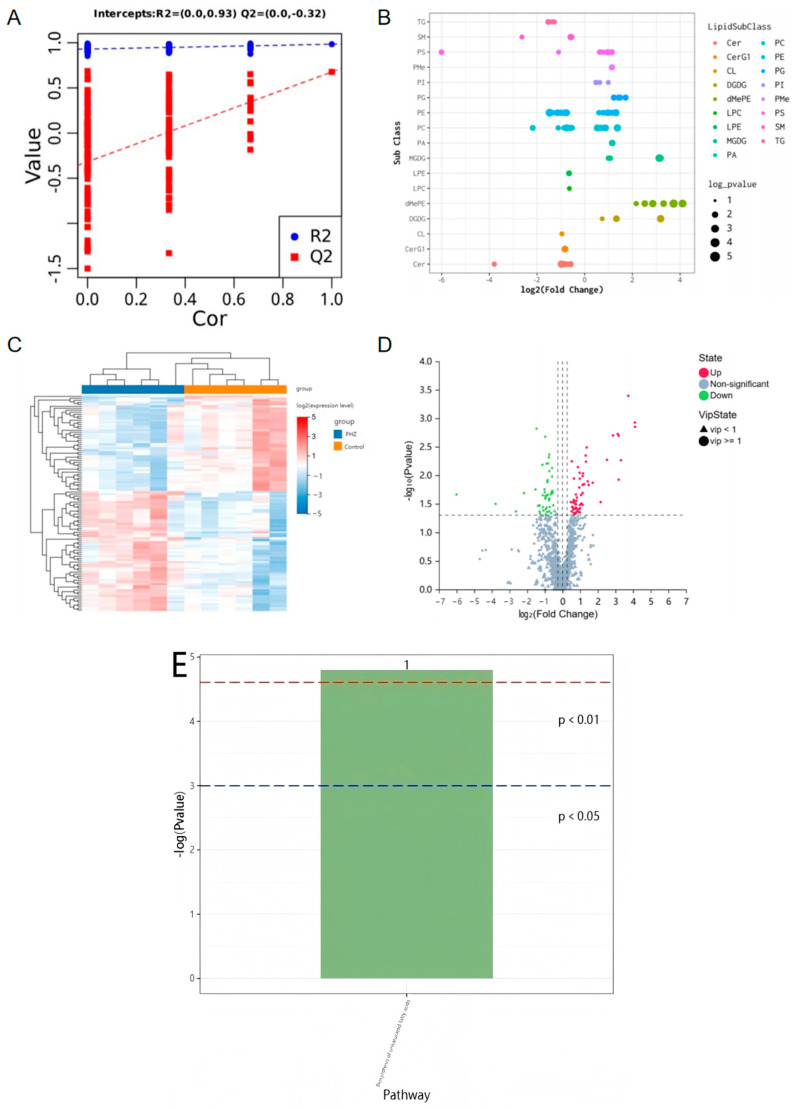 Figure 4
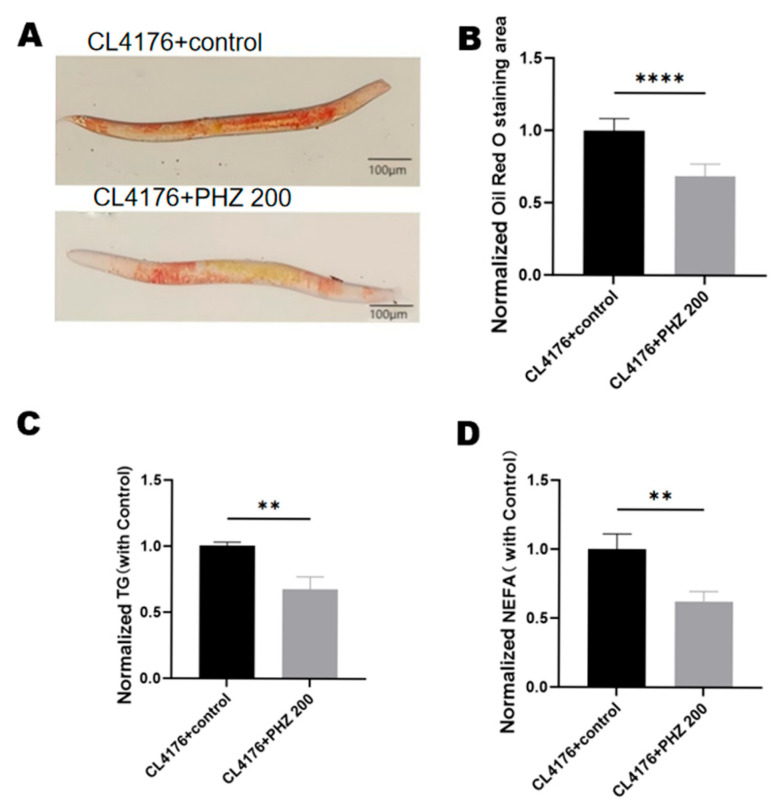 Figure 5
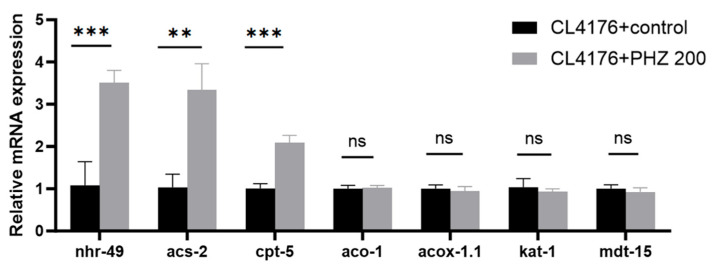 Figure 6
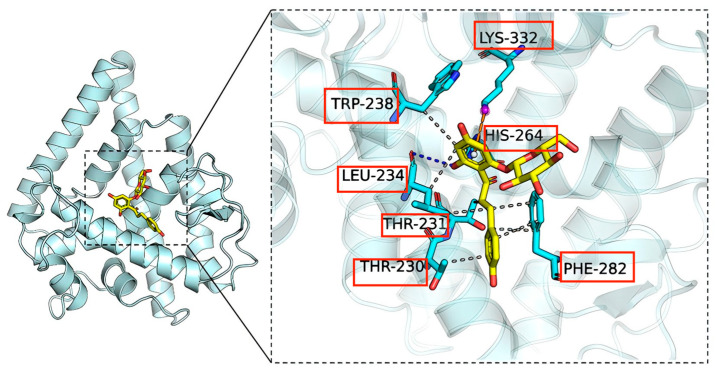 Figure 7
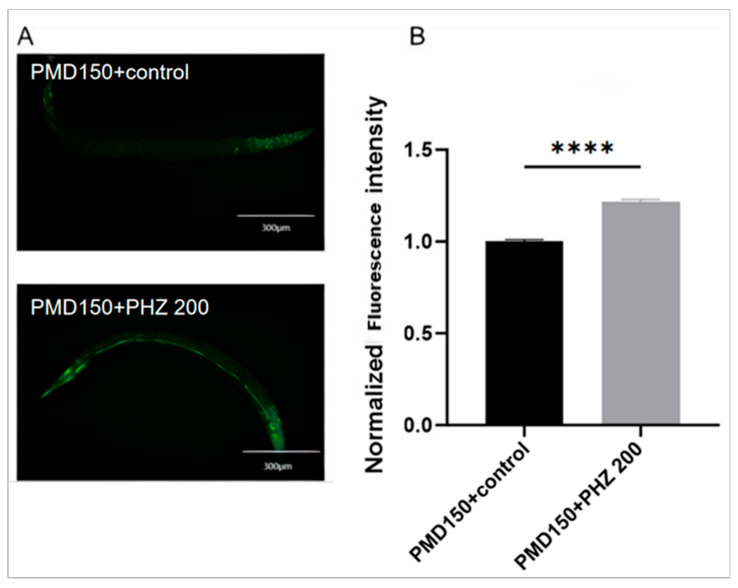 Figure 8
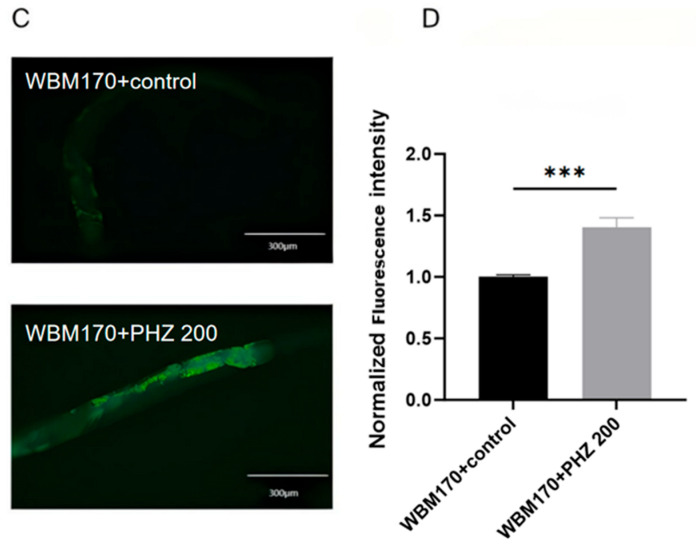 Figure 9
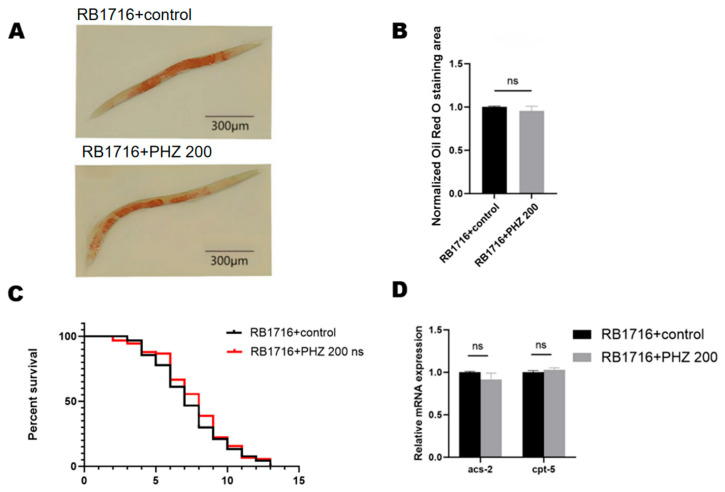 Figure 10
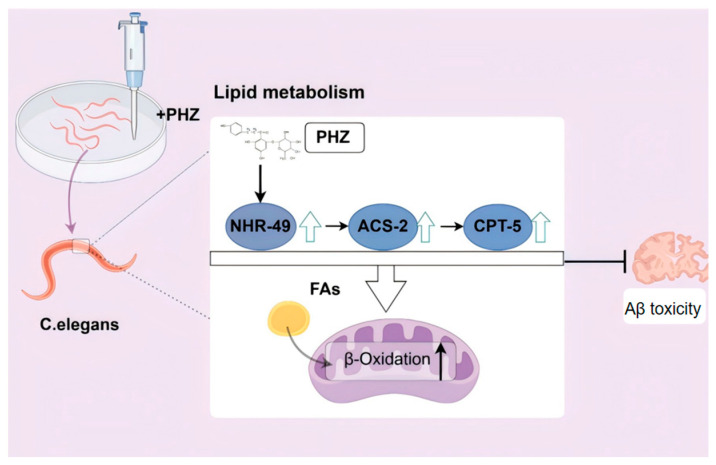 Figure 11
Peer Reviews
No public reviews on file for this paper yet. If you reviewed it on a platform where reviews are public (OpenReview, ICLR, NeurIPS, ICML), you can paste yours below so the community can read it here.
Videos
No videos yet. Explain this paper in a talk, walkthrough, or lecture? Add one.
Taxonomy
TopicsGenetics, Aging, and Longevity in Model Organisms · Biochemical Acid Research Studies · Medicinal Plants and Bioactive Compounds