Novel Type IIS-Based Library Assembly Technique for Developing Nanobodies Targeting IPNv VP2 Protein
Camila Pino-Belmar, Johanna Himelreichs, Camila Deride, Tamara Matute, Isaac Nuñez, Severine Cazaux, Fernan Federici, Karen Moreno-Mendieta, Genaro Soto-Rauch, Joaquín Castro, Valentina Frenkel, Joi-Hui Ho, David Ascencios, Daniel Sanhueza Teneo, José Munizaga, Denise Haussmann

TL;DR
A new method for creating nanobodies targeting a virus affecting fish is developed, offering faster and more adaptable tools for disease control in aquaculture.
Contribution
A novel Type IIS-based library assembly technique for nanobody development is introduced, enabling rapid and adaptable targeting of proteins.
Findings
A nanobody targeting the VP2 protein of IPNv was successfully identified and validated.
The method allows for the rapid generation of diverse nanobody repertoires adaptable to various protein targets.
The pipeline integrates density gradient enrichment and high-throughput screening for efficient nanobody discovery.
Abstract
The development of effective tools to combat viral diseases remains a major challenge for the aquaculture industry. Infectious pancreatic necrosis virus (IPNv) is one of the most devastating pathogens affecting salmonids, leading to high mortality rates and substantial economic losses worldwide. Here, we present a novel nanobody discovery pipeline based on a Type IIS restriction enzyme-driven library assembly method that enables the rapid generation of highly diverse nanobody repertoires. This streamlined approach not only shortens the time required for nanobody identification but also offers remarkable adaptability, allowing its application to virtually any protein target, including antigens from aquaculture pathogens and beyond. By integrating this strategy with density gradient–based enrichment and high-throughput screening, we successfully identified and validated a nanobody against…
Genes, proteins, chemicals, diseases, species, mutations and cell lines named across the full text — each resolved to its canonical identifier and authoritative record.
Click any figure to enlarge with its caption.
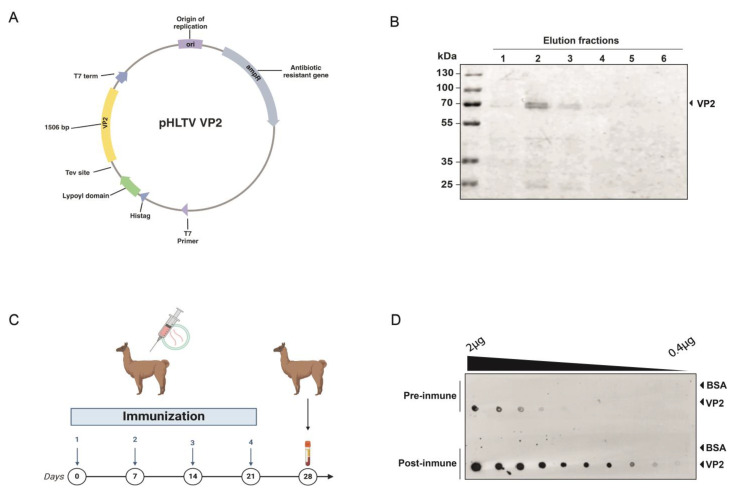 Figure 1
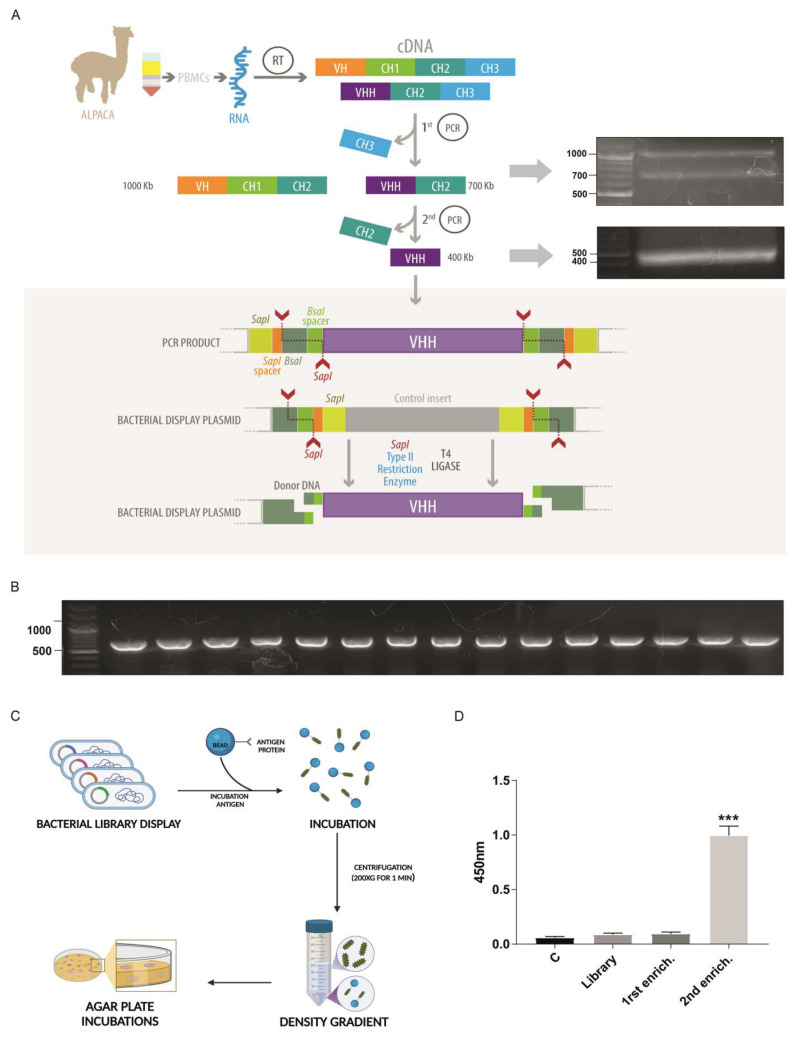 Figure 2
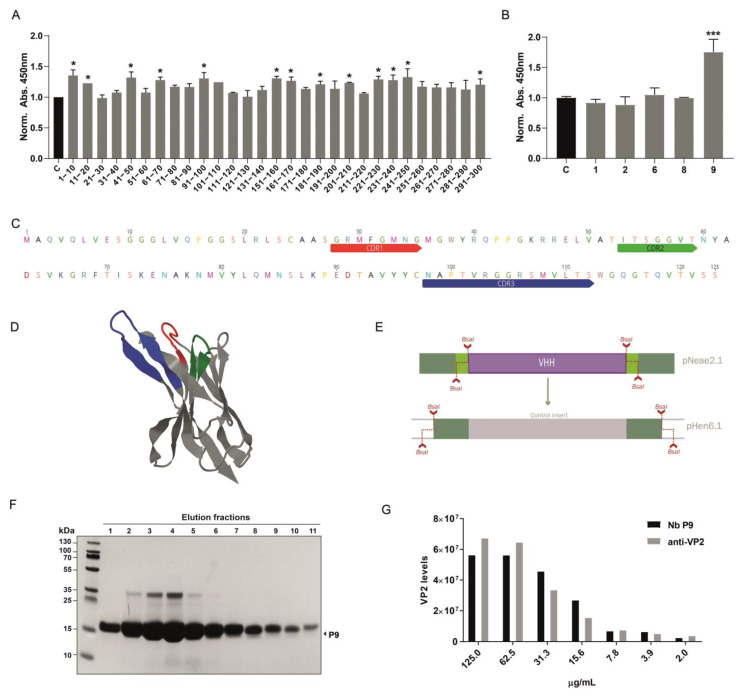 Figure 3
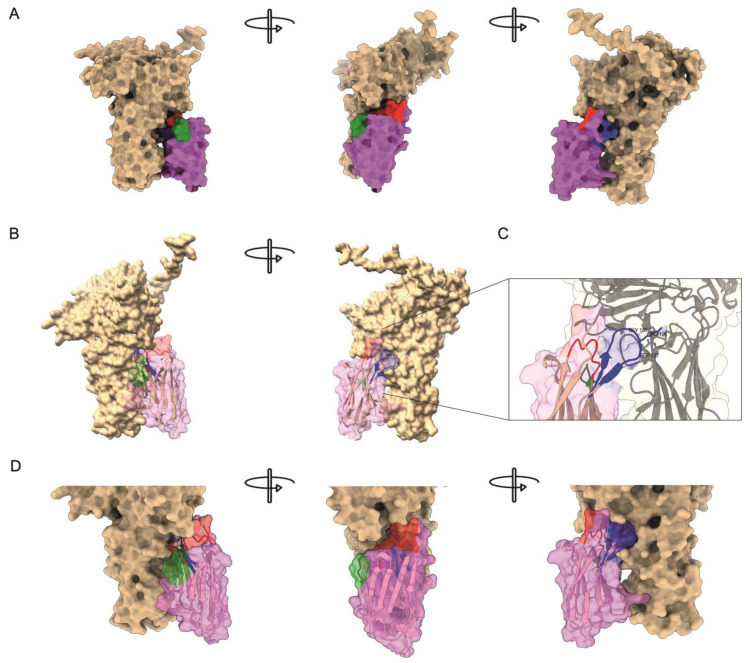 Figure 4
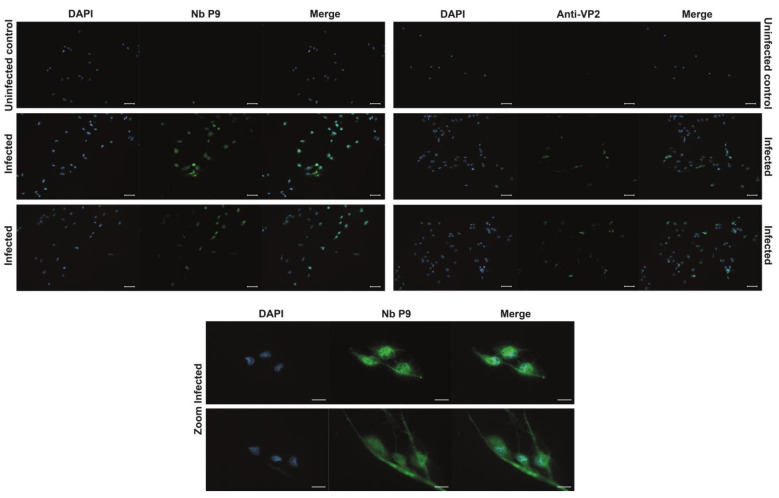 Figure 5
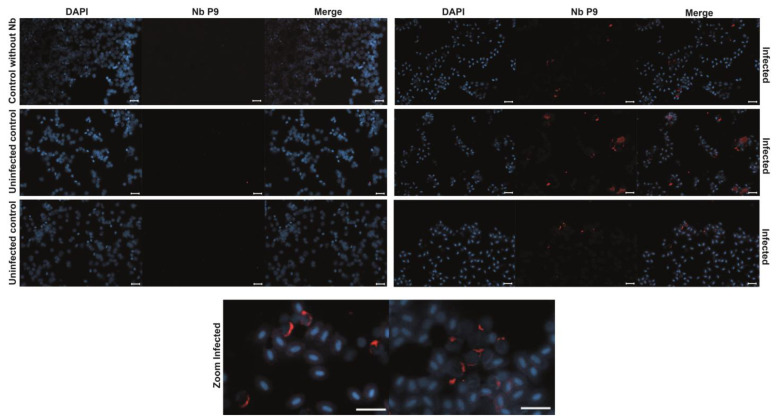 Figure 6
Peer Reviews
No public reviews on file for this paper yet. If you reviewed it on a platform where reviews are public (OpenReview, ICLR, NeurIPS, ICML), you can paste yours below so the community can read it here.
Videos
No videos yet. Explain this paper in a talk, walkthrough, or lecture? Add one.
Taxonomy
TopicsMonoclonal and Polyclonal Antibodies Research · Bacteriophages and microbial interactions · Viral Infectious Diseases and Gene Expression in Insects