Discovery of Galloyl–Flavonoid Conjugates as SARS-CoV-2 3CLpro Inhibitors: Understanding Binding Interactions Through Computational Approaches
Nopawit Khamto, Panida Boontawee, Vachira Choommongkol, Kritsada Pruksaphon, Suwicha Patnin, Nuttee Suree, Panchika Prangkio, Puttinan Meepowpan

TL;DR
Researchers discovered that adding a galloyl group to flavonoids significantly boosts their ability to inhibit a key SARS-CoV-2 enzyme, offering a new approach for antiviral drug development.
Contribution
The study introduces galloyl-flavonoid conjugates as potent SARS-CoV-2 3CLpro inhibitors, identified through computational and experimental methods.
Findings
Adding a galloyl moiety to flavonoids increased anti-proteolytic activity up to 23-fold against SARS-CoV-2 3CLpro.
7-O-galloyl-DMC showed the highest anti-proteolytic activity in enzymatic assays.
Molecular dynamics simulations revealed hydrogen bonding and π-interactions between galloyl groups and 3CLpro residues Thr26 and Leu27.
Abstract
The emergence of SARS-CoV-2 in 2019 posed significant global public health challenges. One of the most promising targets for novel antiviral drug development is the SARS-CoV-2 main protease (3CLpro). In this study, fragment molecular orbital (FMO) calculations were conducted to provide guidance for the structural modification of natural flavonoids, identifying the pyrogallol moiety as a key candidate. Natural flavonoids were chemically modified to generate 33 semi-synthetic derivatives through the introduction of various functional groups. Our findings revealed that the incorporation of a galloyl moiety significantly enhances anti-proteolytic activity against SARS-CoV-2 3CLpro, achieving up to a 23-fold increase compared to the activity of the parent compounds. Notably, 7-O-galloyl-DMC (40) exhibited the highest anti-proteolytic activity in an enzymatic assay. Additionally, molecular…
Genes, proteins, chemicals, diseases, species, mutations and cell lines named across the full text — each resolved to its canonical identifier and authoritative record.
Click any figure to enlarge with its caption.
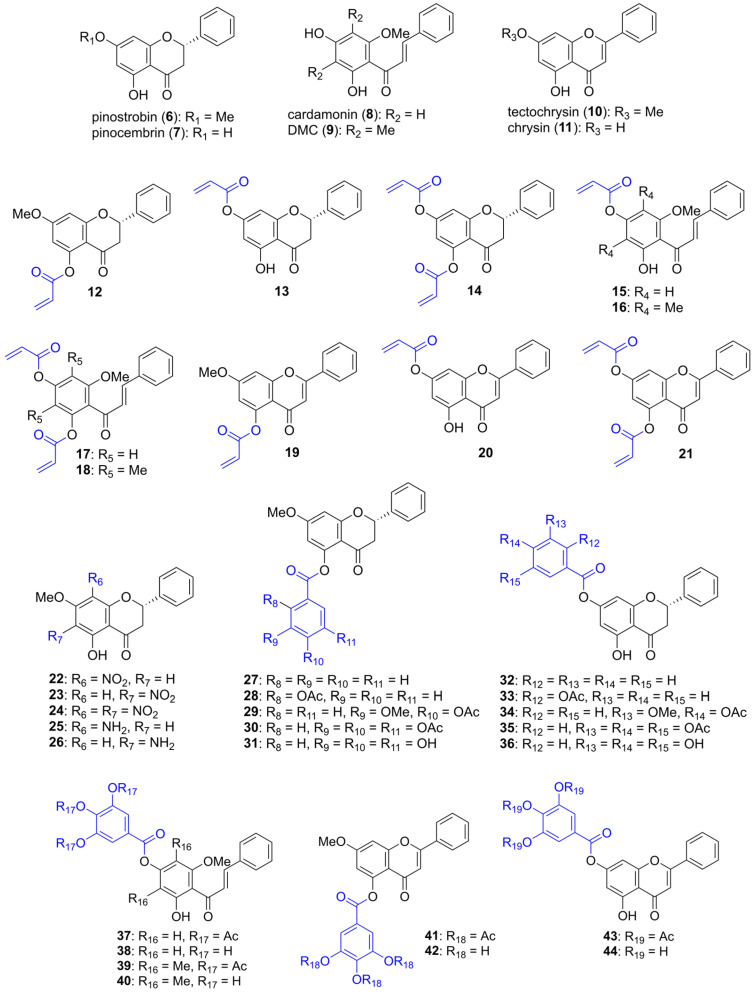 Figure 1
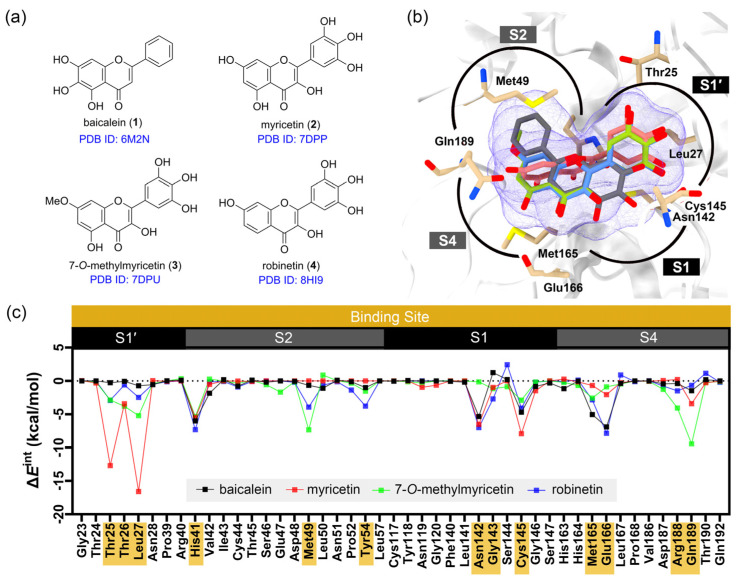 Figure 2
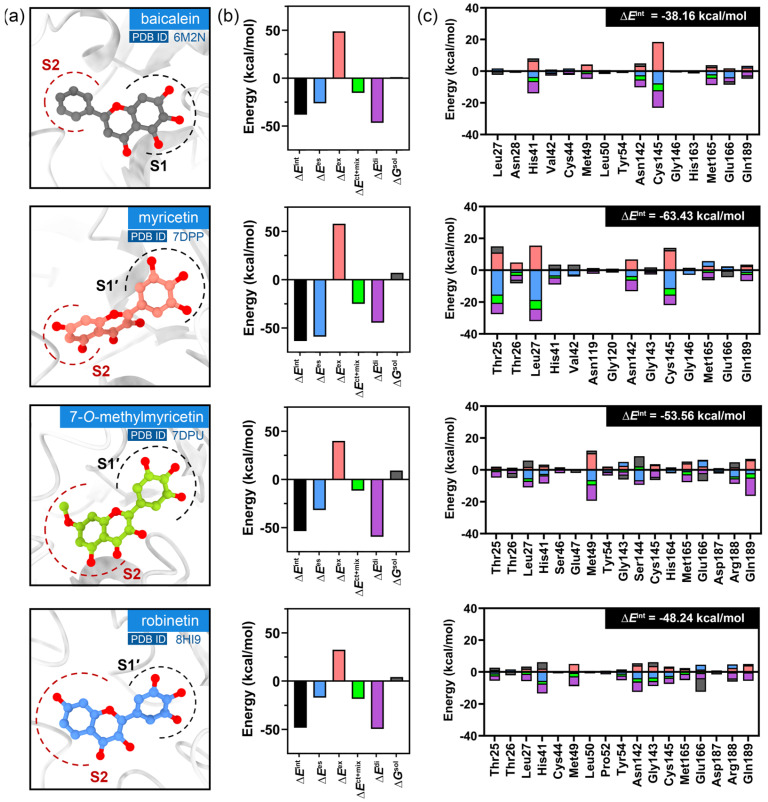 Figure 3
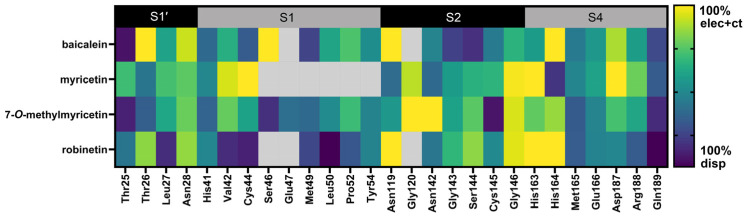 Figure 4
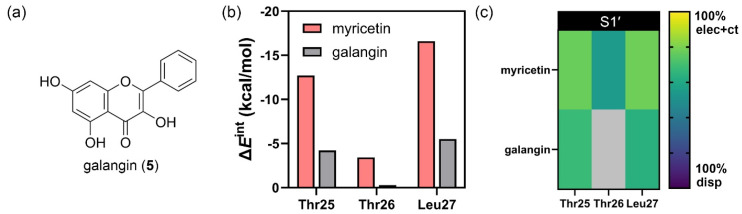 Figure 5
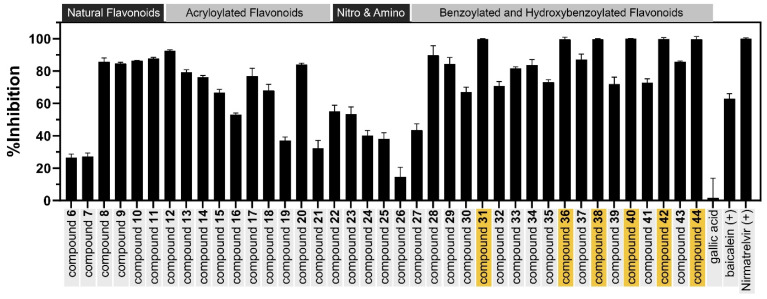 Figure 6
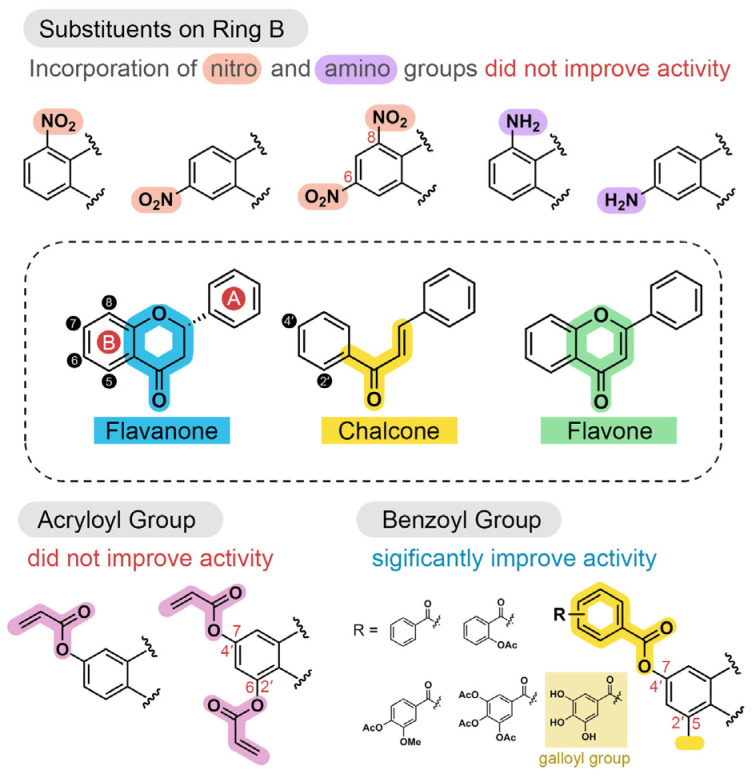 Figure 7
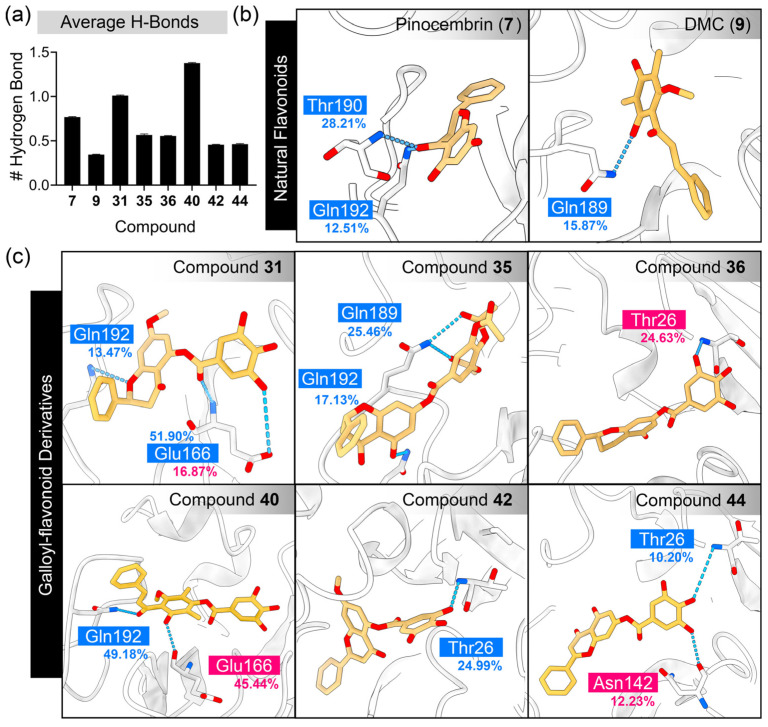 Figure 8
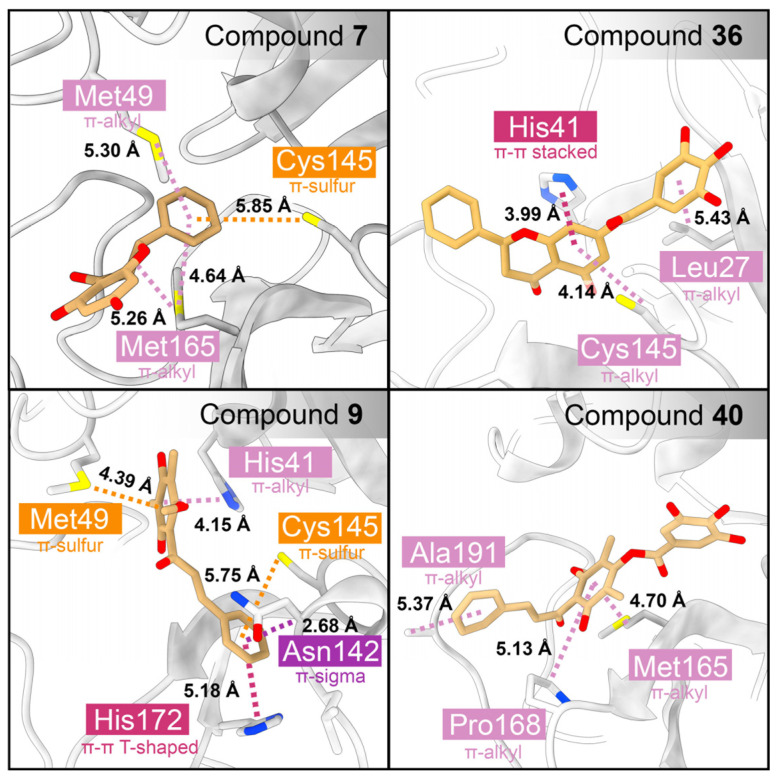 Figure 9
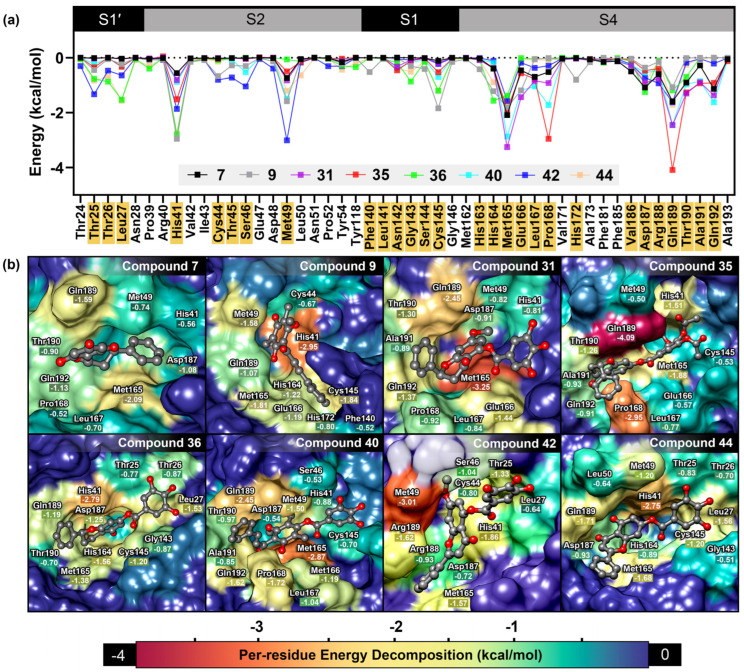 Figure 10
Peer Reviews
No public reviews on file for this paper yet. If you reviewed it on a platform where reviews are public (OpenReview, ICLR, NeurIPS, ICML), you can paste yours below so the community can read it here.
Videos
No videos yet. Explain this paper in a talk, walkthrough, or lecture? Add one.
Taxonomy
TopicsComputational Drug Discovery Methods · Synthesis and biological activity · Diverse Scientific Research Studies