Glenoid Radiolucent Lines and Subsidence Show Limited Impact on Clinical and Functional Long-Term Outcomes After Anatomic Total Shoulder Arthroplasty: A Retrospective Analysis of Cemented Polyethylene Glenoid Components
Felix Hochberger, Jonas Limmer, Justus Muhmann, Frank Gohlke, Laura Elisa Streck, Maximilian Rudert, Kilian List

TL;DR
This study found that certain radiographic changes after shoulder surgery do not significantly affect long-term patient outcomes.
Contribution
The study provides new evidence that radiolucent lines and subsidence may not always lead to poor clinical outcomes.
Findings
Extensive radiolucent lines were linked to slightly reduced external rotation but below the threshold for clinical concern.
Glenoid subsidence was associated with minor decreases in forward elevation and external rotation, also below clinical significance.
No significant differences were found in pain or overall function between groups with or without these radiographic changes.
Abstract
Background: Glenoid radiolucenct lines (gRLL) and glenoid component subsidence (gSC) after anatomic total shoulder arthroplasty (aTSA) have traditionally been linked to implant loosening and functional decline. However, their impact on long-term clinical outcomes remains unclear. This study aimed to evaluate whether gRLL and gSC are associated with inferior clinical or functional results in patients without revision surgery. Methods: In this retrospective study, 52 aTSA cases (2008–2015) were analyzed with a minimum of five years of clinical and radiographic follow-up. Based on final imaging, patients were categorized according to the presence and extent of gRLL and gSC. Clinical outcomes included the Constant-Murley Score, DASH, VAS for pain, and range of motion (ROM). Radiographic parameters included the critical shoulder angle (CSA), acromiohumeral distance (AHD), lateral offset…
Genes, proteins, chemicals, diseases, species, mutations and cell lines named across the full text — each resolved to its canonical identifier and authoritative record.
Click any figure to enlarge with its caption.
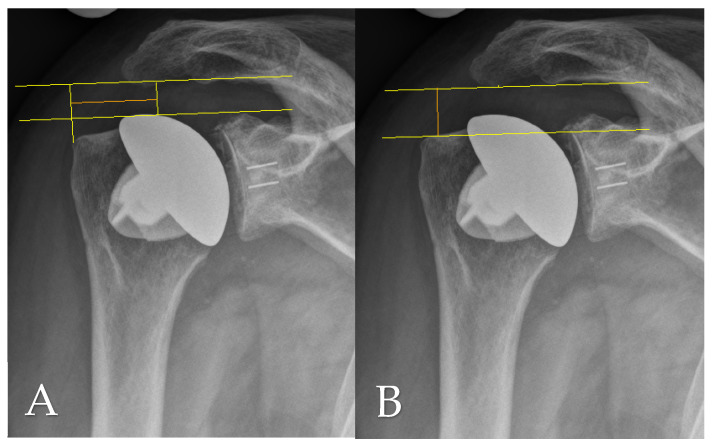 Figure 1
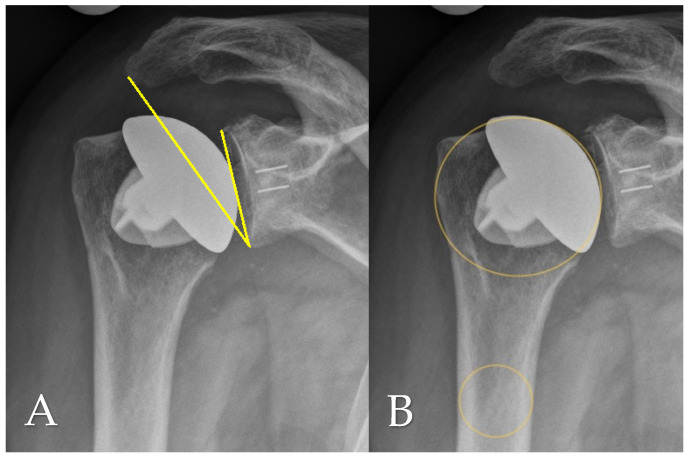 Figure 2
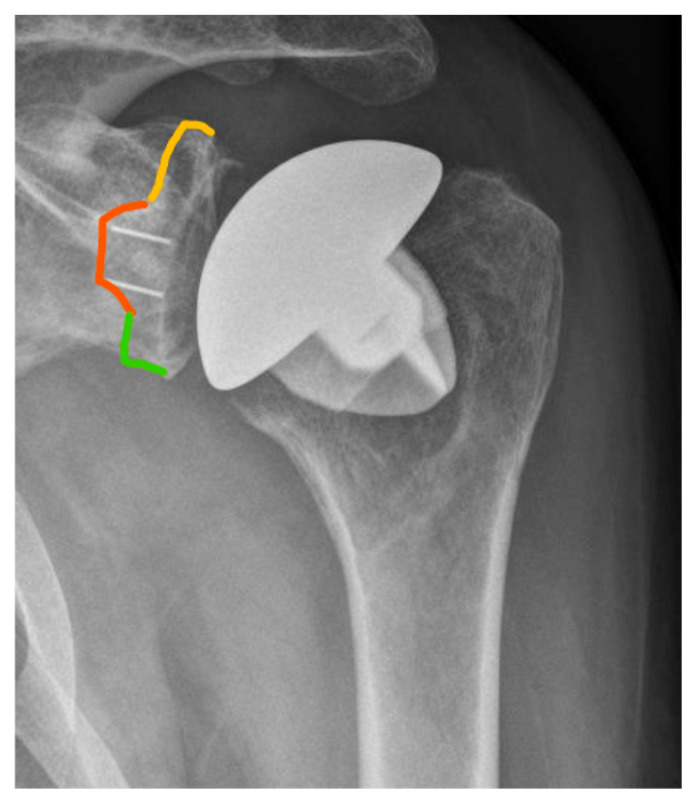 Figure 3
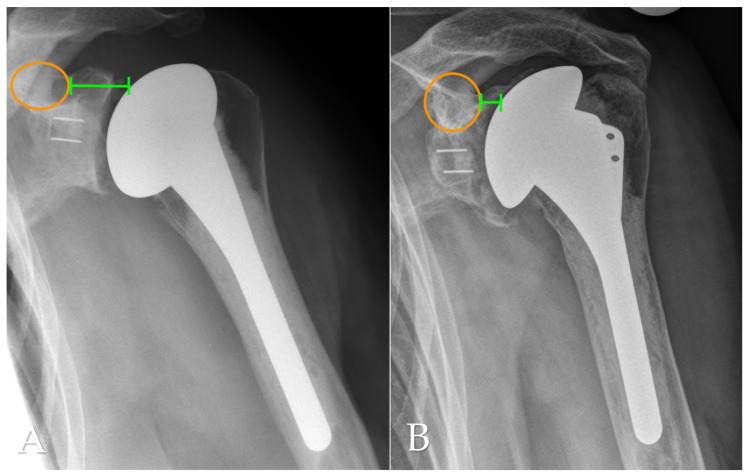 Figure 4
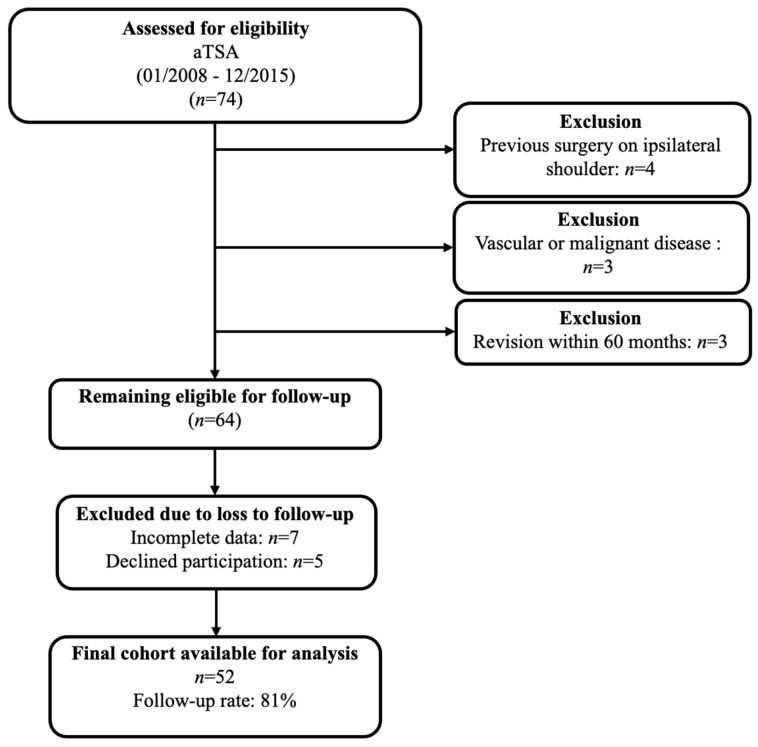 Figure 5
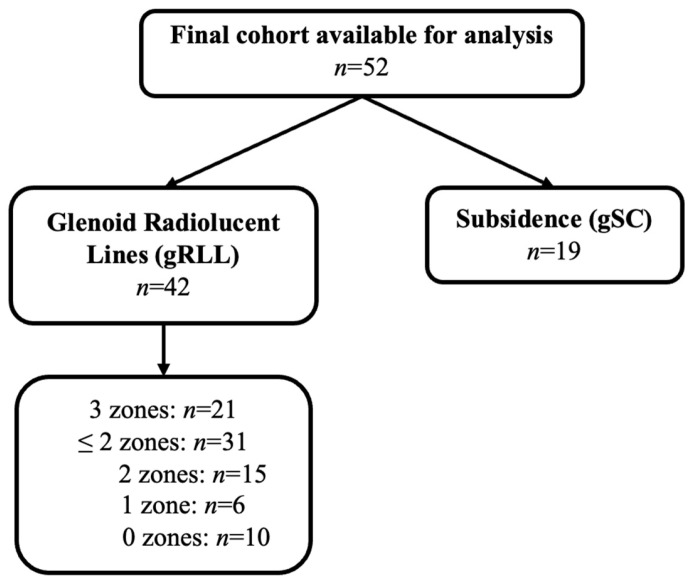 Figure 6
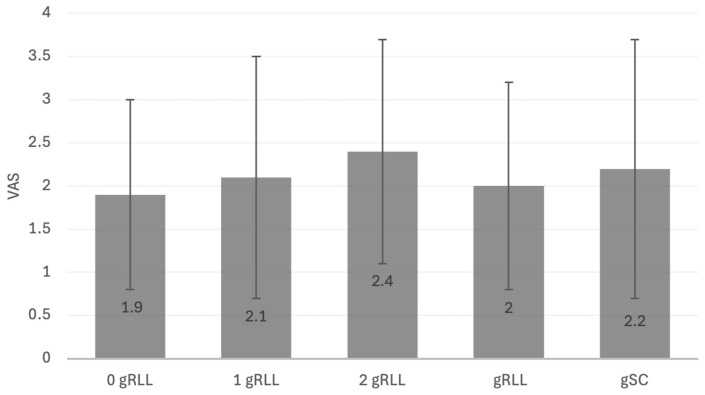 Figure 7
Peer Reviews
No public reviews on file for this paper yet. If you reviewed it on a platform where reviews are public (OpenReview, ICLR, NeurIPS, ICML), you can paste yours below so the community can read it here.
Videos
No videos yet. Explain this paper in a talk, walkthrough, or lecture? Add one.
Taxonomy
TopicsShoulder Injury and Treatment · Shoulder and Clavicle Injuries · Cardiac Arrhythmias and Treatments