Antidepressants Target the ST3GAL5–GM3 Lipid Pathway to Suppress Microglial Inflammation
Gaku Hayasaki, Hiroto Izumi, Yasuo Morimoto, Reiji Yoshimura

TL;DR
This study shows that antidepressants reduce microglial inflammation by targeting a lipid pathway involving ST3GAL5 and GM3.
Contribution
The study identifies the ST3GAL5–GM3 lipid pathway as a novel target for antidepressant action in suppressing microglial inflammation.
Findings
VEN and VOR suppressed NF-κB and STAT3 activation in microglia, effects mirrored by GM3 treatment and ST3GAL5 overexpression.
Transcriptomic analysis revealed consistent gene expression changes across VEN, VOR, and ST3GAL5OE conditions.
Downregulated genes were linked to pro-inflammatory pathways, while upregulated genes were associated with synaptic organization.
Abstract
Major depression (MD) is associated with chronic inflammation and impaired neuroplasticity; however, the cellular mechanisms underlying antidepressant action remain incompletely understood. We performed transcriptomic profiling and functional validation in human microglia treated with venlafaxine (VEN) and vortioxetine (VOR), or with stable ST3GAL5 overexpression (ST3GAL5OE). Differential expression analysis, enrichment studies, and functional assays using NF-κB-RE-NlucP and SIE-NlucP reporter lines were conducted to assess the impact on inflammatory signaling. Microarray analysis identified 41 genes consistently upregulated and 316 consistently downregulated across VEN, VOR, and ST3GAL5OE conditions. Upregulated genes were enriched for synaptic organization, whereas downregulated genes were associated with nitric oxide biosynthesis and pro-inflammatory pathways, including Rap1, MAPK,…
Genes, proteins, chemicals, diseases, species, mutations and cell lines named across the full text — each resolved to its canonical identifier and authoritative record.
Click any figure to enlarge with its caption.
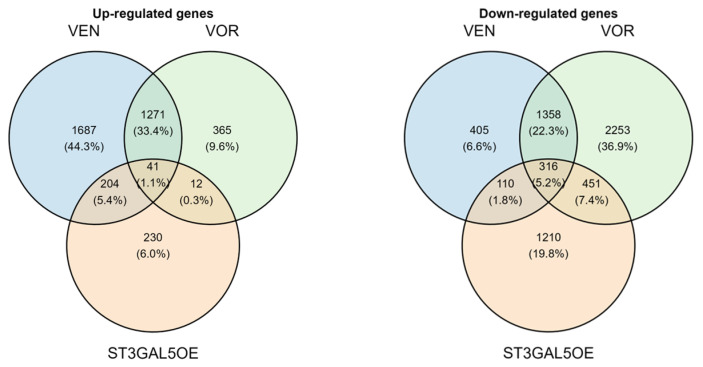 Figure 1
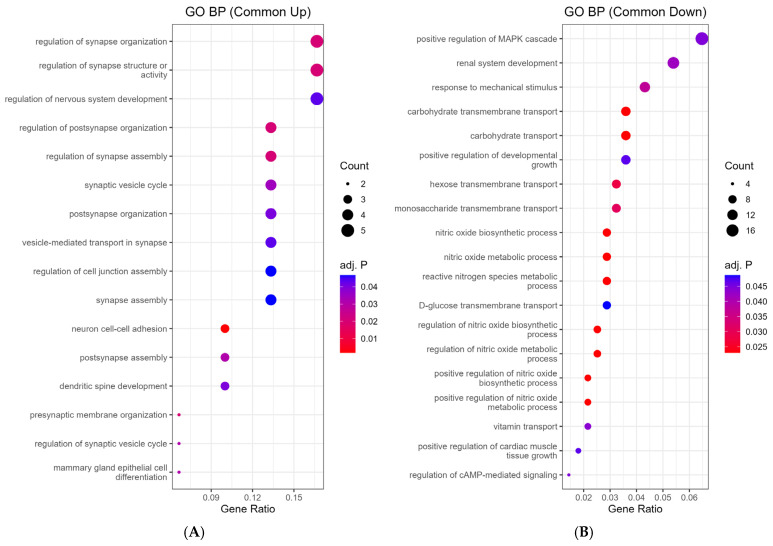 Figure 2
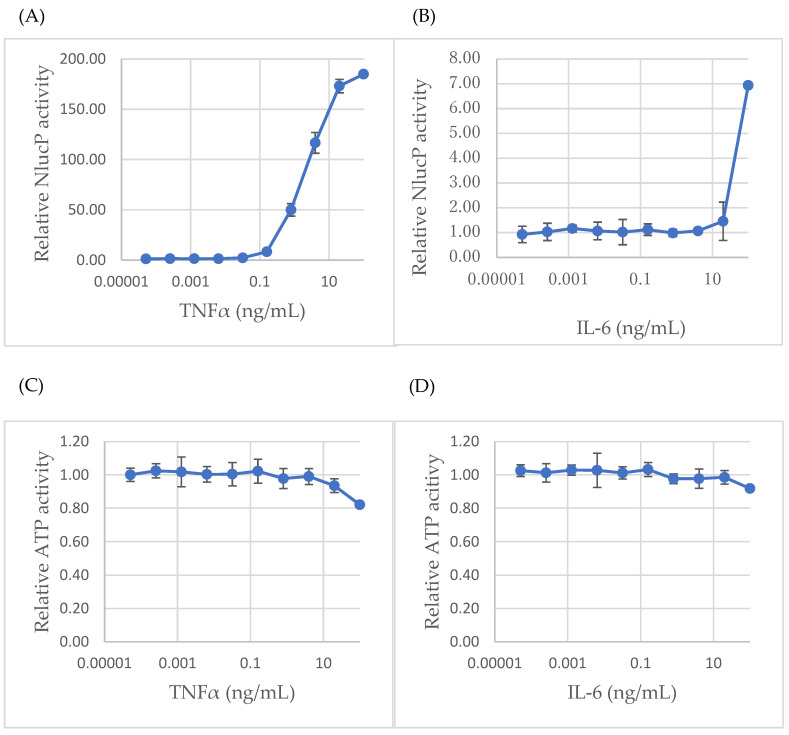 Figure 3
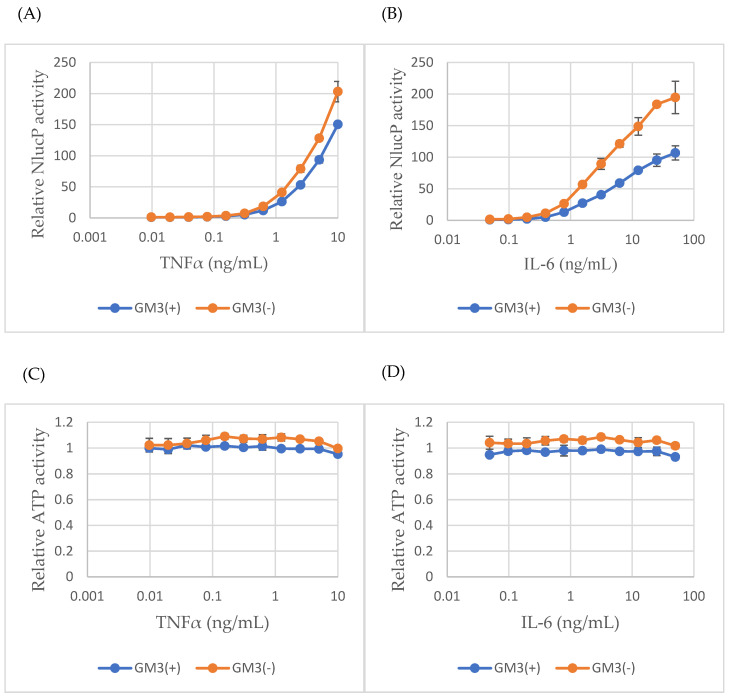 Figure 4
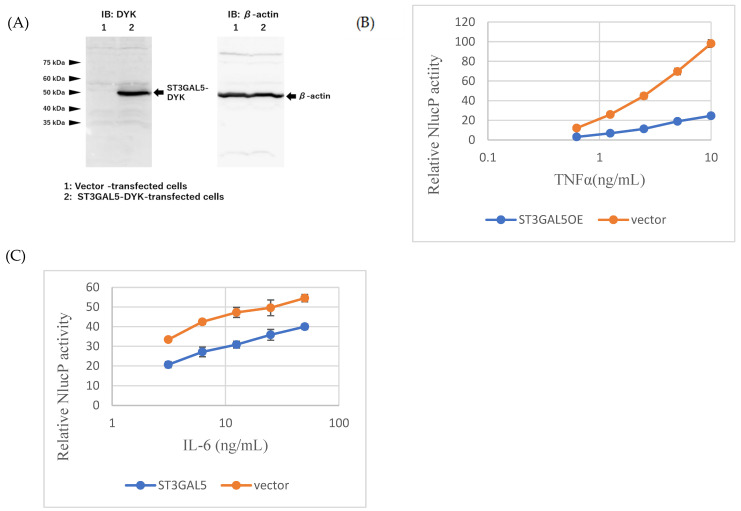 Figure 5
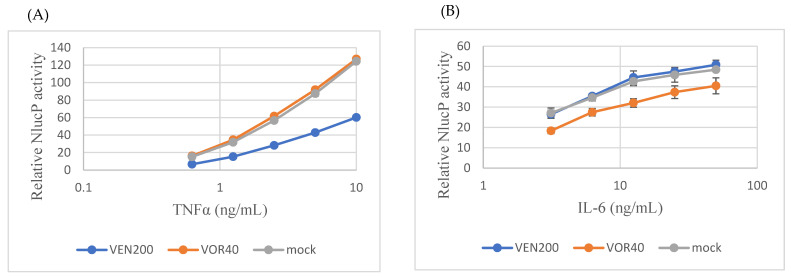 Figure 6
Peer Reviews
No public reviews on file for this paper yet. If you reviewed it on a platform where reviews are public (OpenReview, ICLR, NeurIPS, ICML), you can paste yours below so the community can read it here.
Videos
No videos yet. Explain this paper in a talk, walkthrough, or lecture? Add one.
Taxonomy
TopicsTryptophan and brain disorders · Neuroinflammation and Neurodegeneration Mechanisms · Stress Responses and Cortisol