Bottom-up engineering of the nucleus pulposus using a photocrosslinkable decellularized matrix hydrogel attenuates inflammaging and enhances microtissue-mediated regeneration
Xiaoxiao Li, Xiangwei Li, Dandan Zhou, Yanqin Xu, Biemin Sun, Yanzhu Hu, Yibo Zhu, Junxian Hu, Zeyu Pang, Chen Zhao, Yongjian Gao, You Long, Pei Li, Qiang Zhou, Yiyang Wang

TL;DR
A new bottom-up tissue engineering strategy using microtissues and a specialized hydrogel improves regeneration of disc tissue and reduces inflammation in degenerative disc disease.
Contribution
A novel bottom-up approach using NP microtissues and a methacrylate-modified decellularized matrix hydrogel for enhanced nucleus pulposus regeneration.
Findings
NP microtissues cultivated under hydrostatic pressure adapt well to the intradiscal environment.
The DNPM-MA hydrogel supports NP-MT growth, migration, and ECM synthesis.
The combination of NP-MTs and DNPM-MA hydrogel shows superior in vitro and in vivo regeneration outcomes.
Abstract
Degenerative disc disease (DDD), characterized by the pathological deterioration of nucleus pulposus (NP) tissue, affects millions globally. Tissue engineering strategies offer potential to create tissue-engineered NP (TE-NP) analogs to address DDD. However, traditional "top-down' approaches face challenges in achieving uniform cell distribution and replicating the intradiscal extracellular matrix (ECM) environment. In contrast, a "bottom-up' strategy utilizing microscale seed units represents a promising alternative. This study introduces an innovative "bottom-up' approach for constructing TE-NP, leveraging bioreactor-cultivated NP microtissues (NP-MTs) as seed units and a novel methacrylate-modified decellularized nucleus pulposus matrix (DNPM-MA) hydrogel as a supporting biomaterial. NP-MTs cultivated under low-magnitude hydrostatic pressure exhibit nascent ECM surroundings adapting…
Genes, proteins, chemicals, diseases, species, mutations and cell lines named across the full text — each resolved to its canonical identifier and authoritative record.
Click any figure to enlarge with its caption.
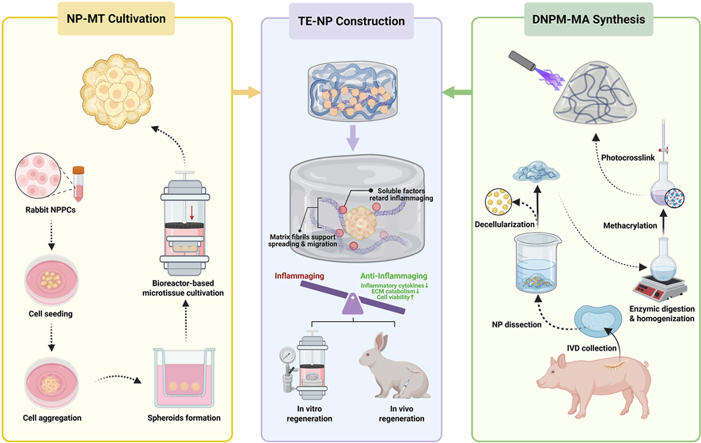 Figure 1
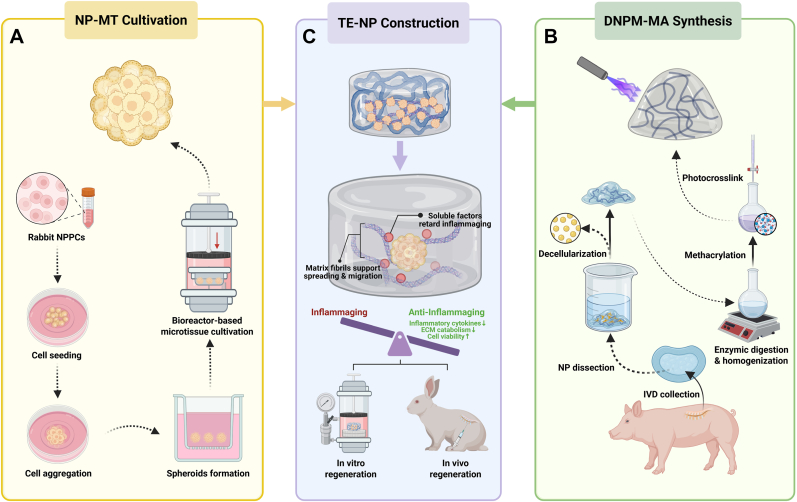 Figure 2
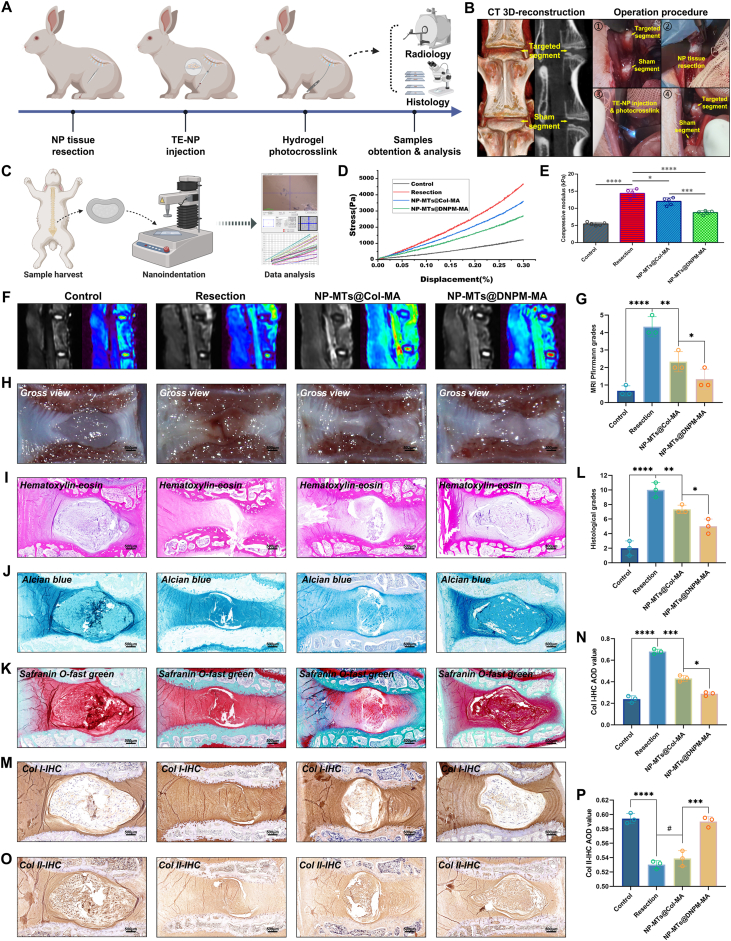 Figure 3
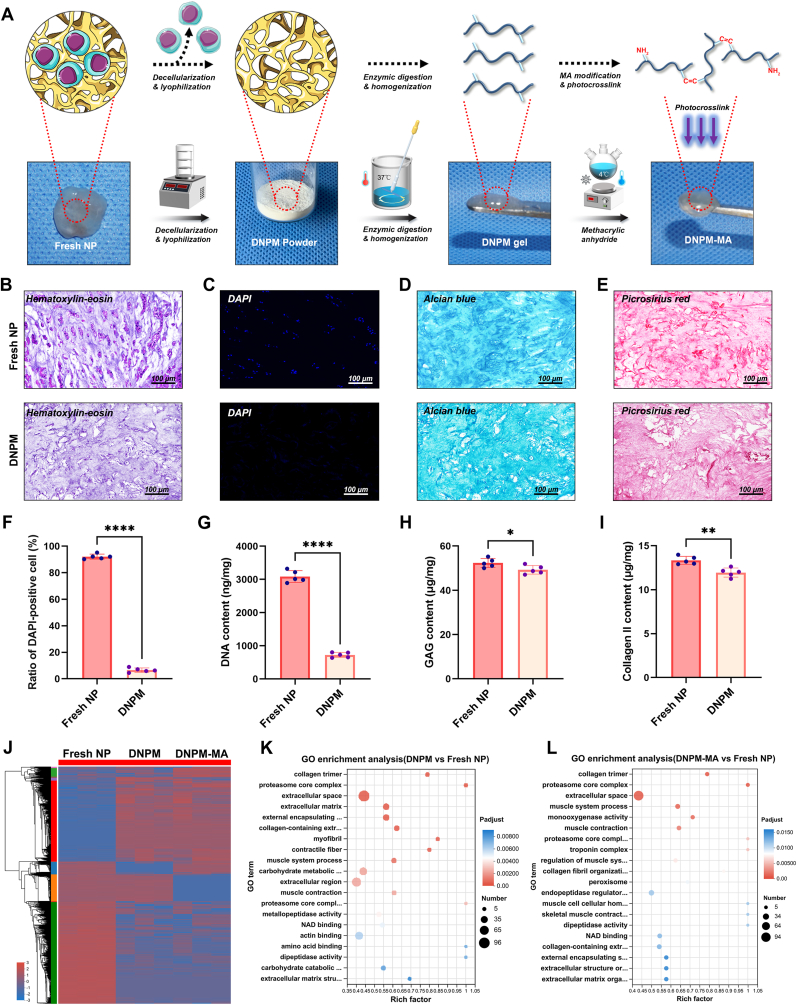 Figure 4
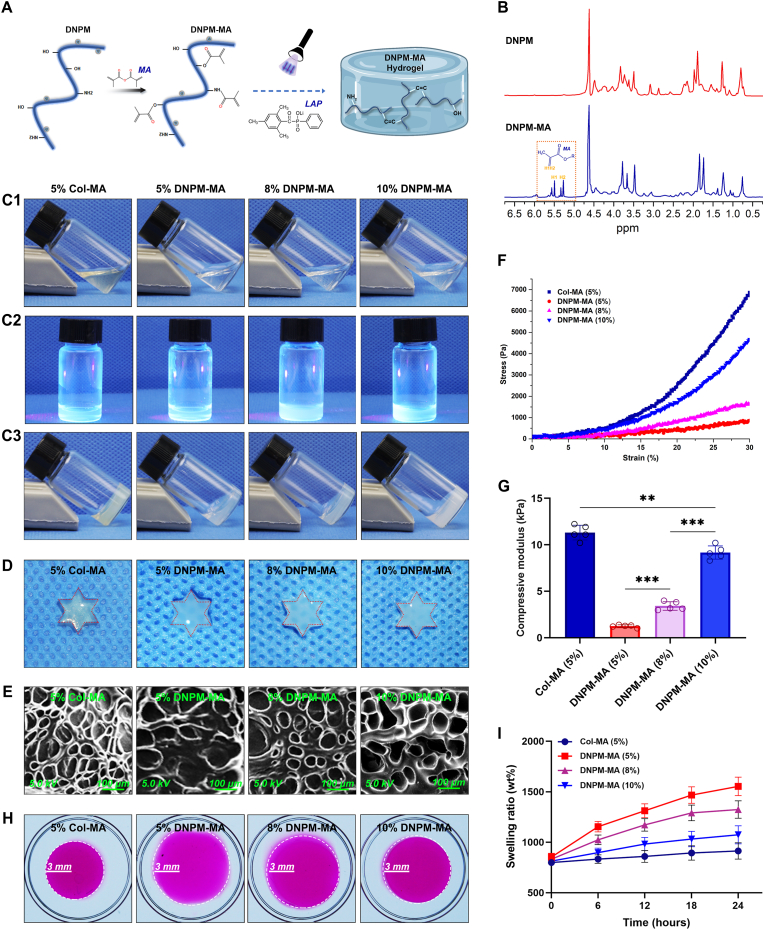 Figure 5
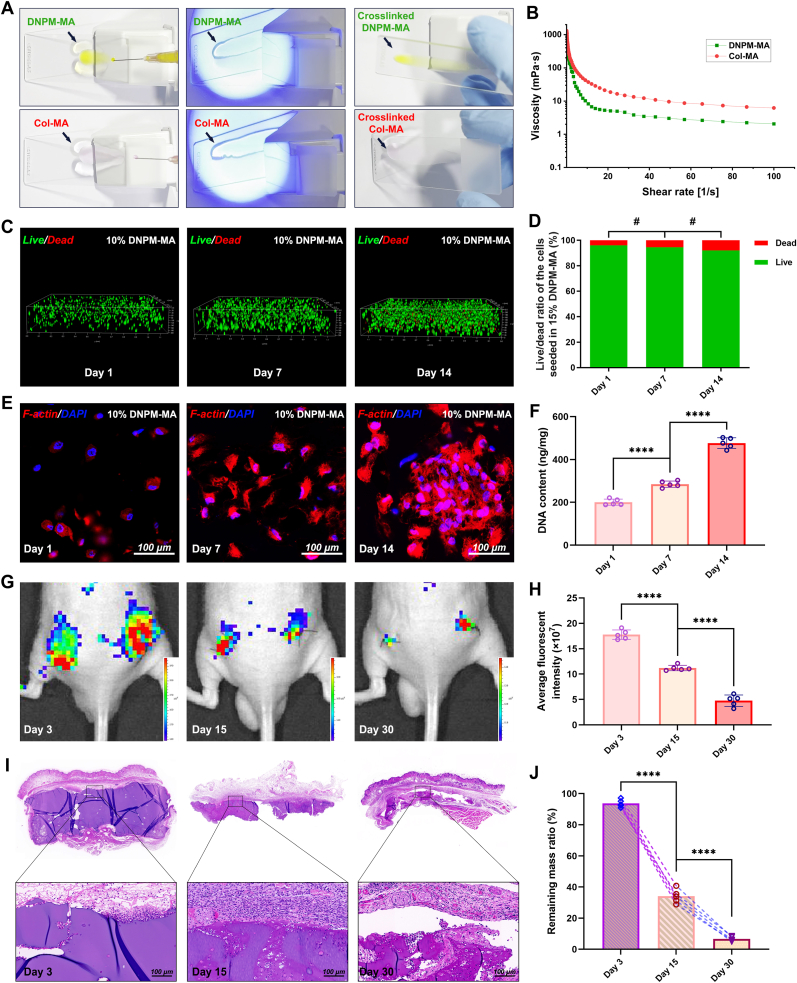 Figure 6
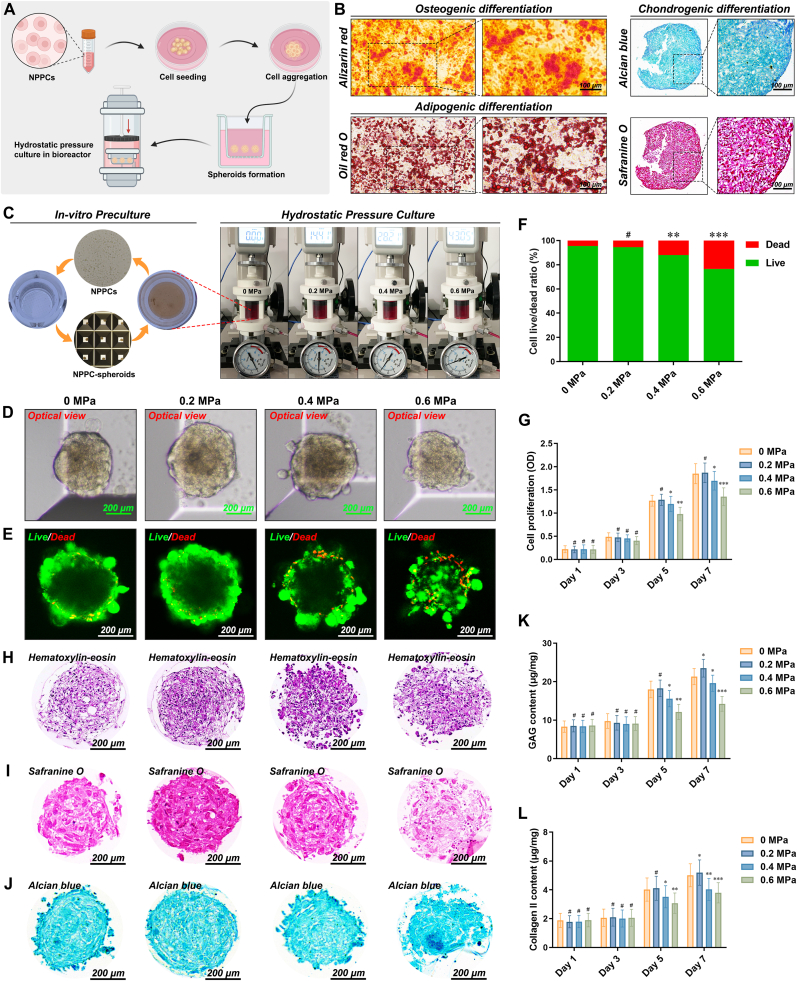 Figure 7
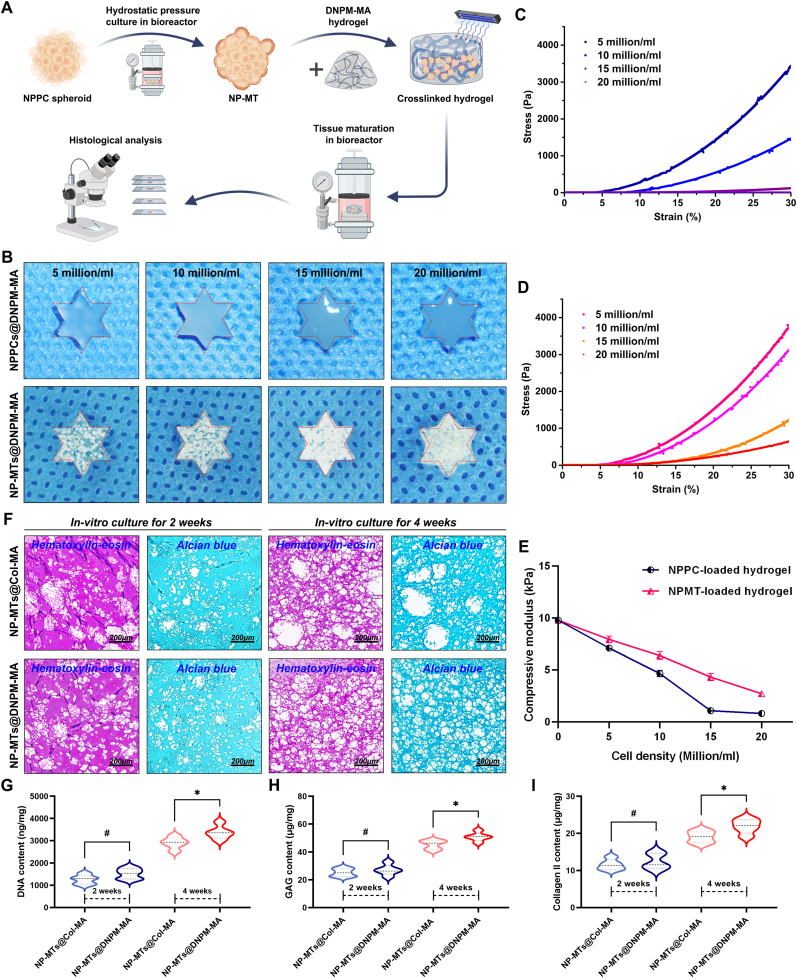 Figure 8
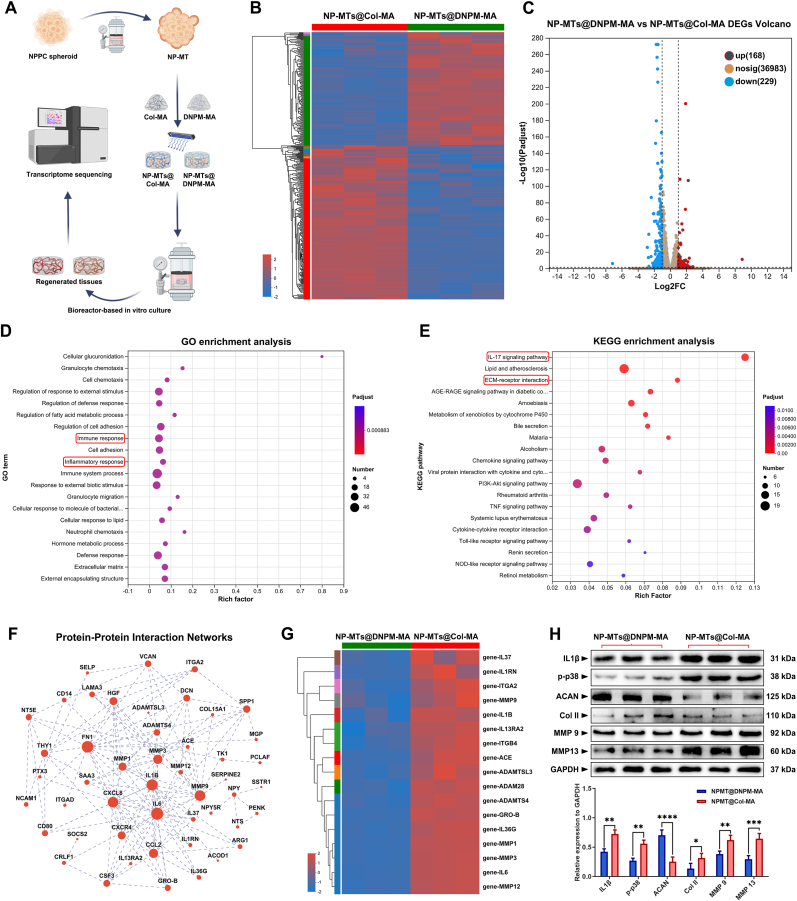 Figure 9
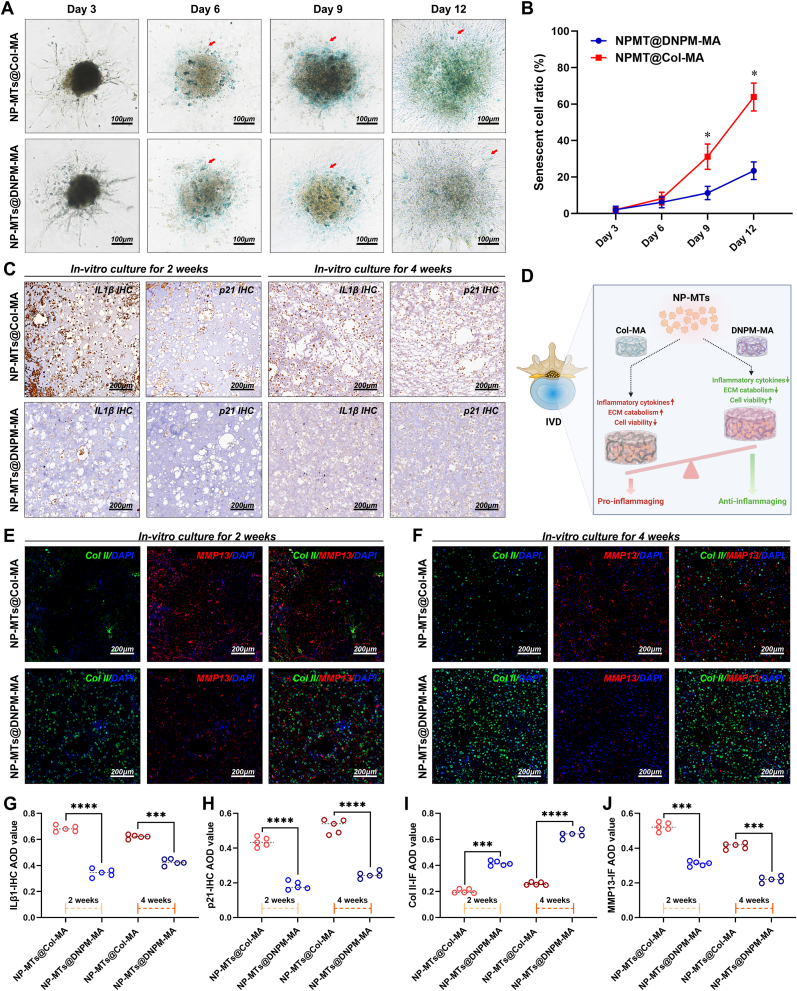 Figure 10
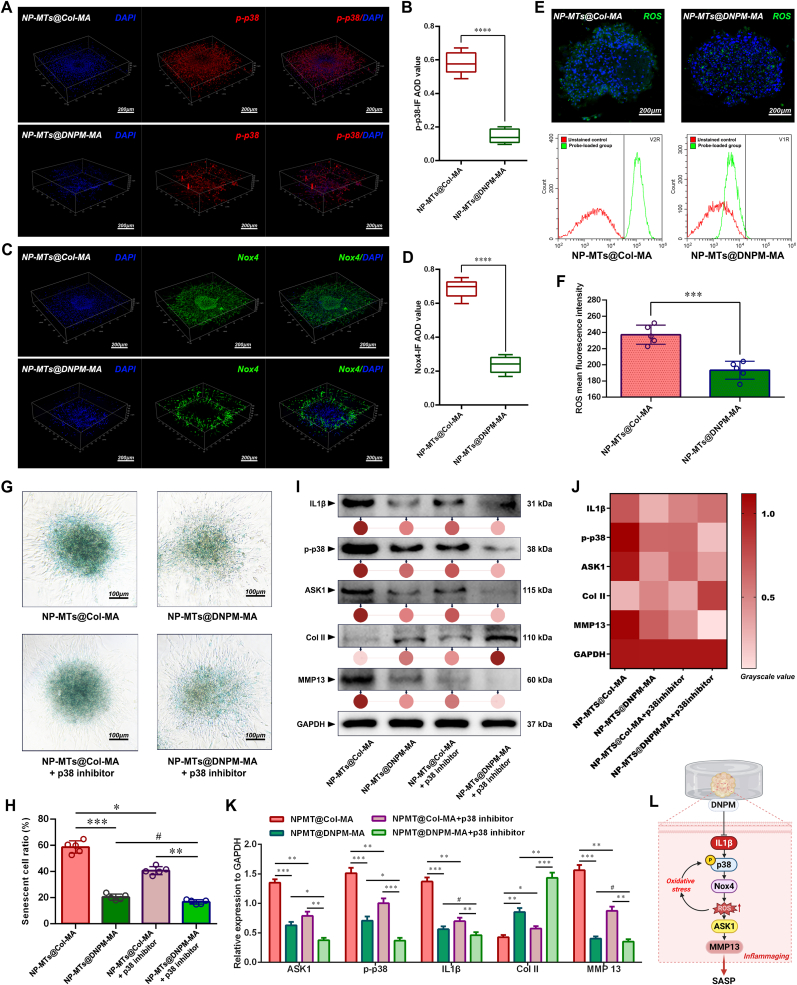 Figure 11
Peer Reviews
No public reviews on file for this paper yet. If you reviewed it on a platform where reviews are public (OpenReview, ICLR, NeurIPS, ICML), you can paste yours below so the community can read it here.
Videos
No videos yet. Explain this paper in a talk, walkthrough, or lecture? Add one.
Taxonomy
TopicsTissue Engineering and Regenerative Medicine · Nerve injury and regeneration · Nerve Injury and Rehabilitation