Bisphenol AF Induces Hepatic Steatosis via Succinate–SUCNR1-Mediated Macrophage–Hepatocyte Interactions: An Adverse Outcome Pathway Study in Male C57BL/6 Mice
Ning Wang, Jing Leng, Huimin Zhang, Jing Xu, Xiaoqi Yu, Kelei Qian, Zhiqing Zheng, Mengchao Ying, Gonghua Tao, Ping Xiao, Xinyu Hong

TL;DR
This study shows how Bisphenol AF causes liver fat accumulation in mice through a pathway involving macrophage-hepatocyte interactions and succinate signaling.
Contribution
The study proposes the first adverse outcome pathway for BPAF-induced hepatic steatosis, linking molecular events to liver fat accumulation.
Findings
BPAF dose-dependently increased serum succinate and hepatic triglycerides in mice.
BPAF binding to SUCNR1 disrupted its inactive-state conformation, as shown by cryo-EM docking.
BPAF-exposed macrophages released succinate, which inhibited Akt and activated JNK in hepatocytes, leading to lipid accumulation.
Abstract
Bisphenol AF (BPAF) exposure is increasingly linked to metabolic disorders, yet the molecular initiating events (MIE) and key events (KE) leading to hepatic steatosis remain unclear. We constructed an adverse outcome pathway (AOP) to mechanistically connect BPAF-triggered macrophage–hepatocyte crosstalk to liver fat accumulation. Male C57BL/6 mice received daily oral gavage of 0, 0.5, 4, or 32 mg kg−1 BPAF for 90 d, and Transwell co-cultures of RAW264.7 macrophages and AML12 hepatocytes were used for in vitro validation. Targeted metabolomics, western blotting, and lipid staining quantified succinate, pathway proteins, and steatosis. BPAF dose-dependently increased serum succinate (BMD = 6901.95 nM) and hepatic triglyceride (TG) (BMD = 874.26 nM). Cryo-EM docking revealed BPAF binding to SUCNR1 at 2.9 Å, disrupting the inactive-state conformation. In co-culture, BPAF-exposed macrophages…
Genes, proteins, chemicals, diseases, species, mutations and cell lines named across the full text — each resolved to its canonical identifier and authoritative record.
Click any figure to enlarge with its caption.
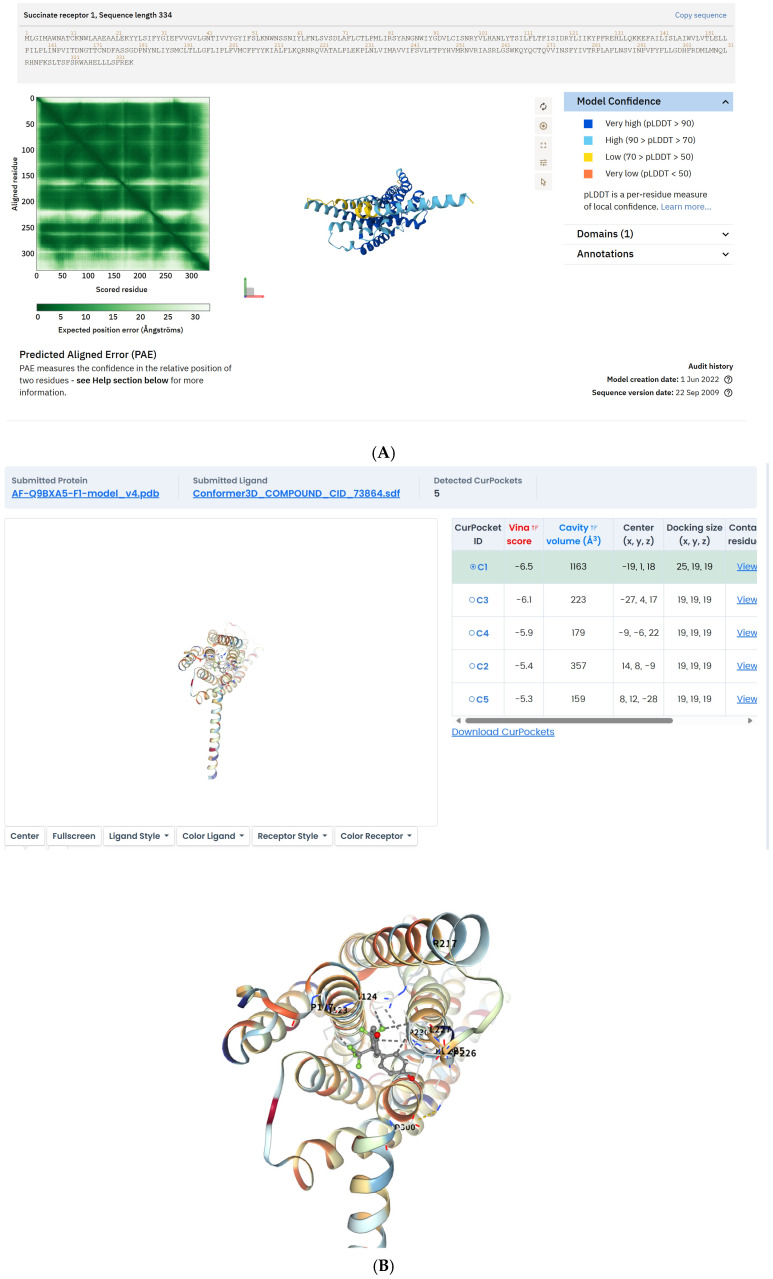 Figure 1
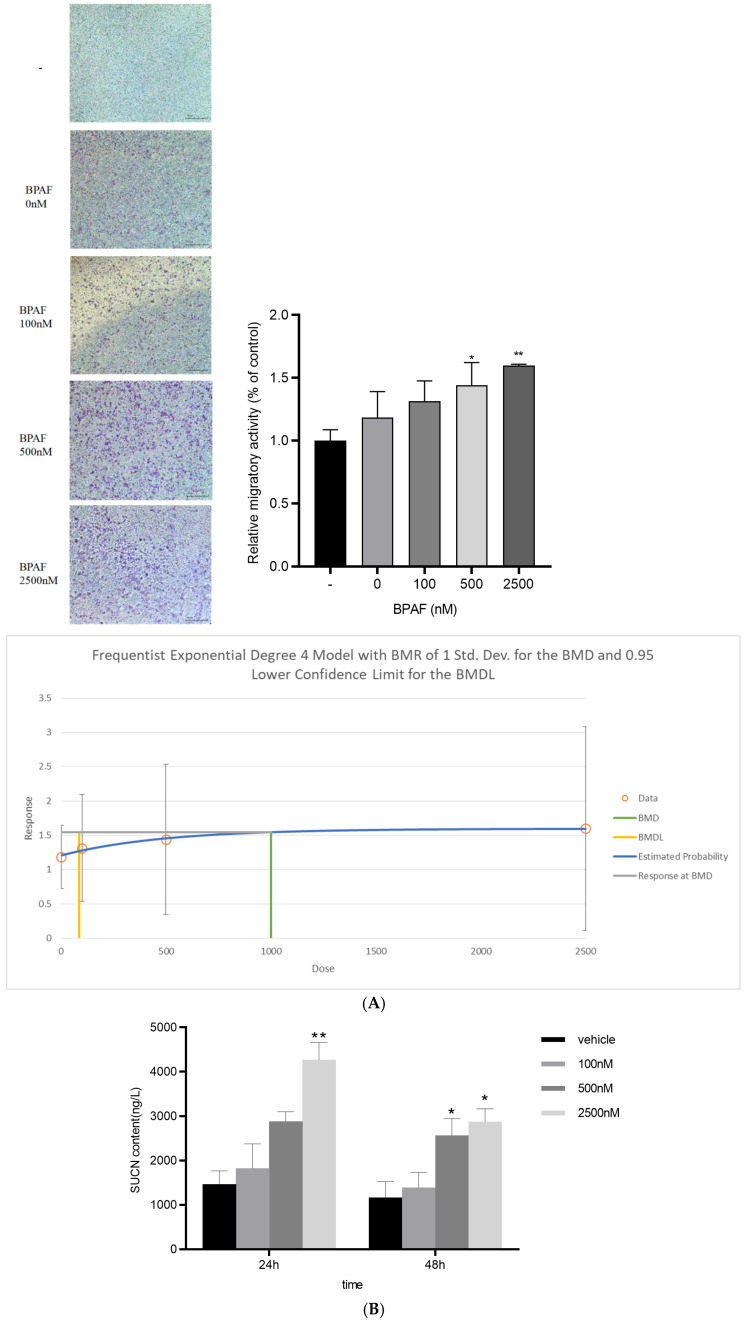 Figure 2
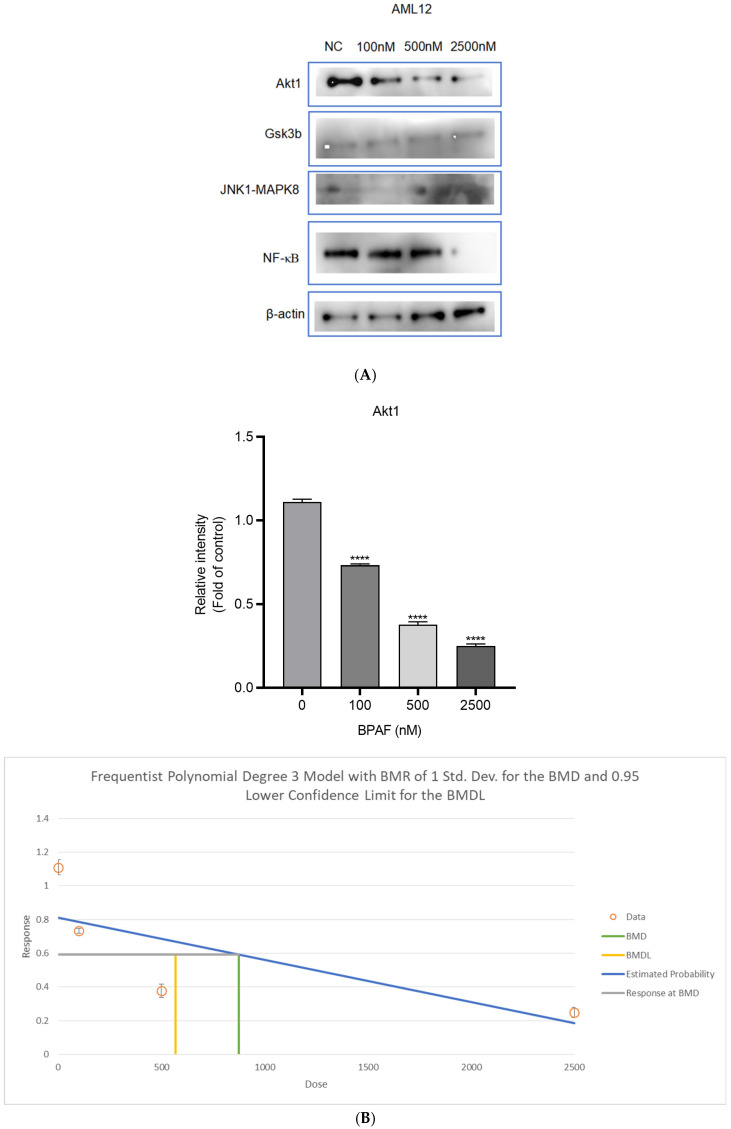 Figure 3
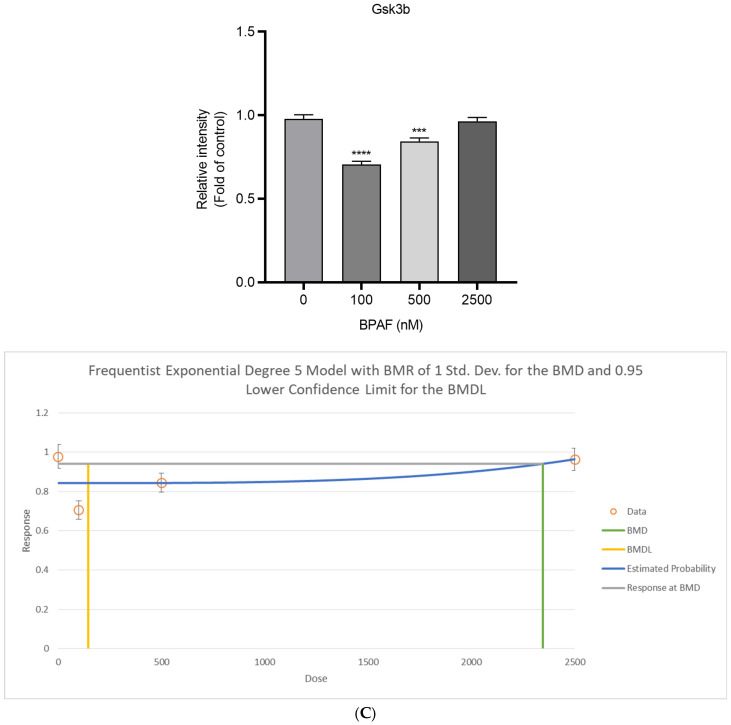 Figure 4
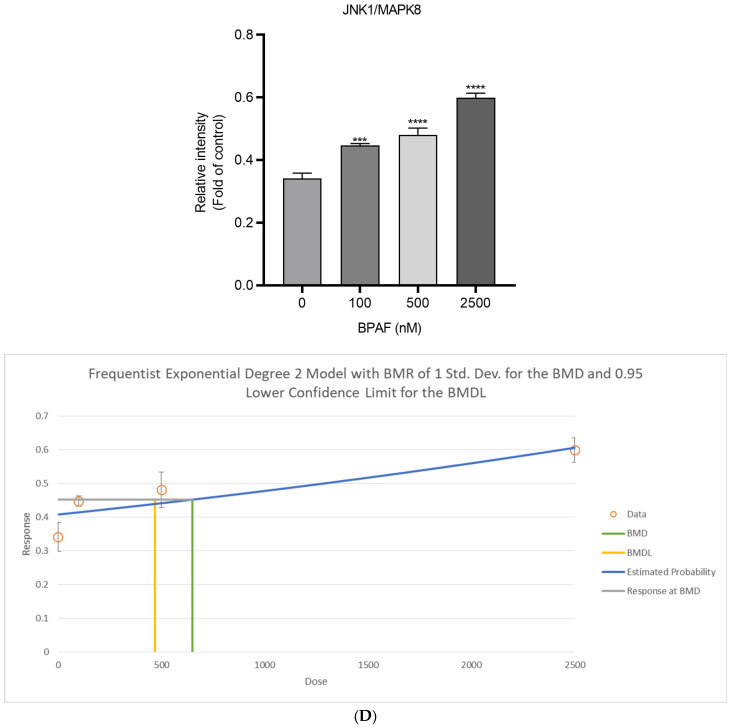 Figure 5
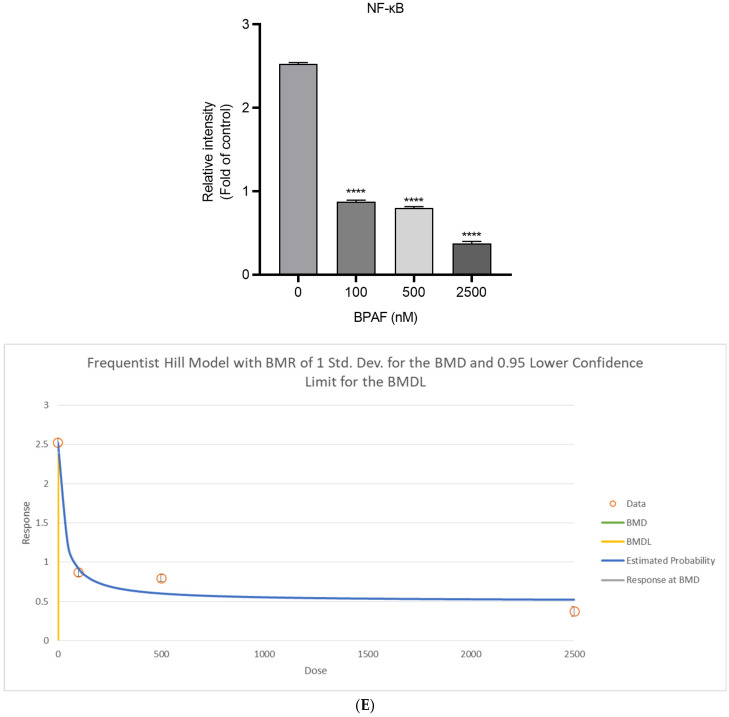 Figure 6
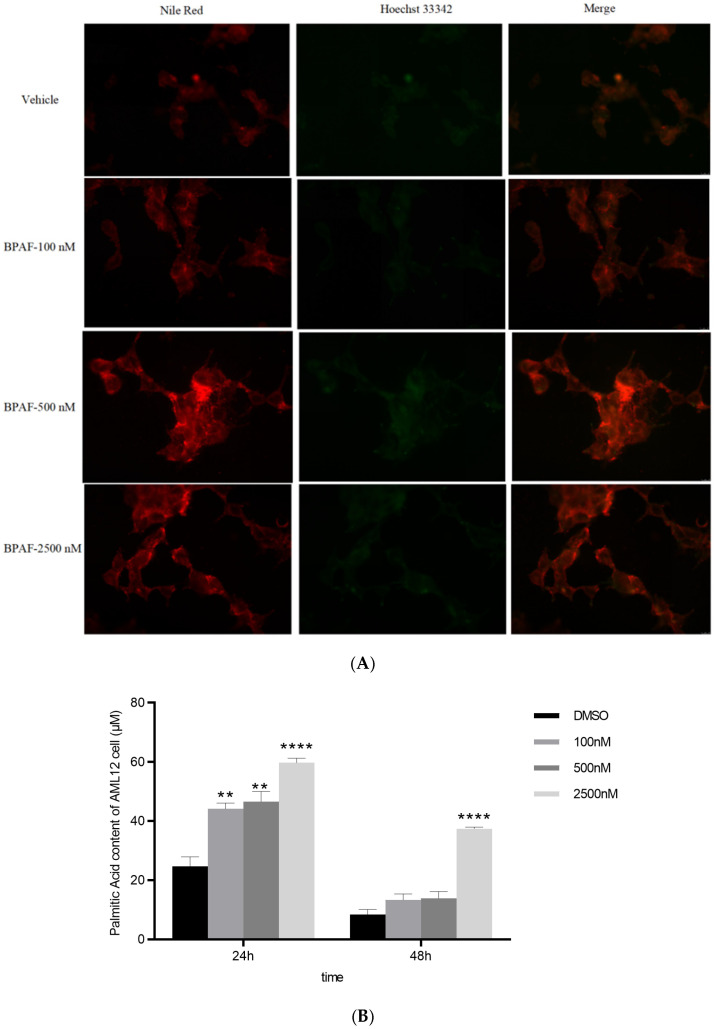 Figure 7
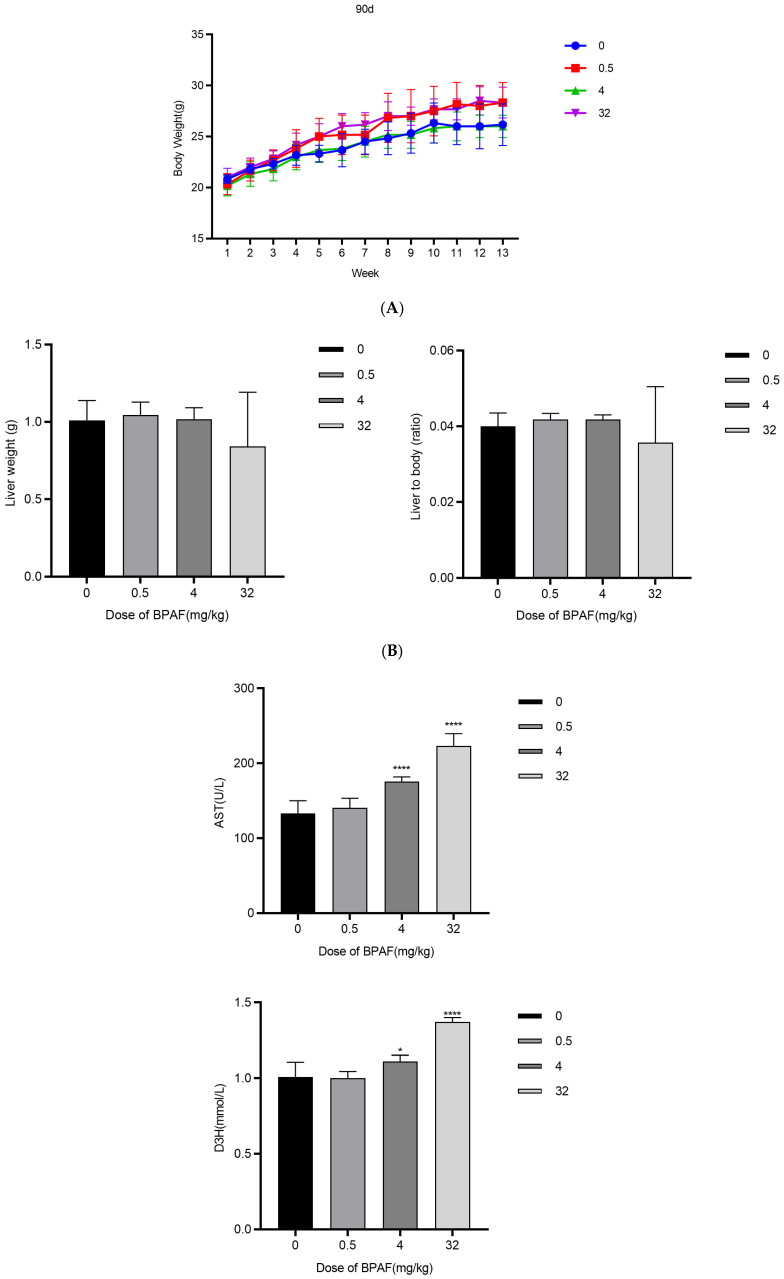 Figure 8
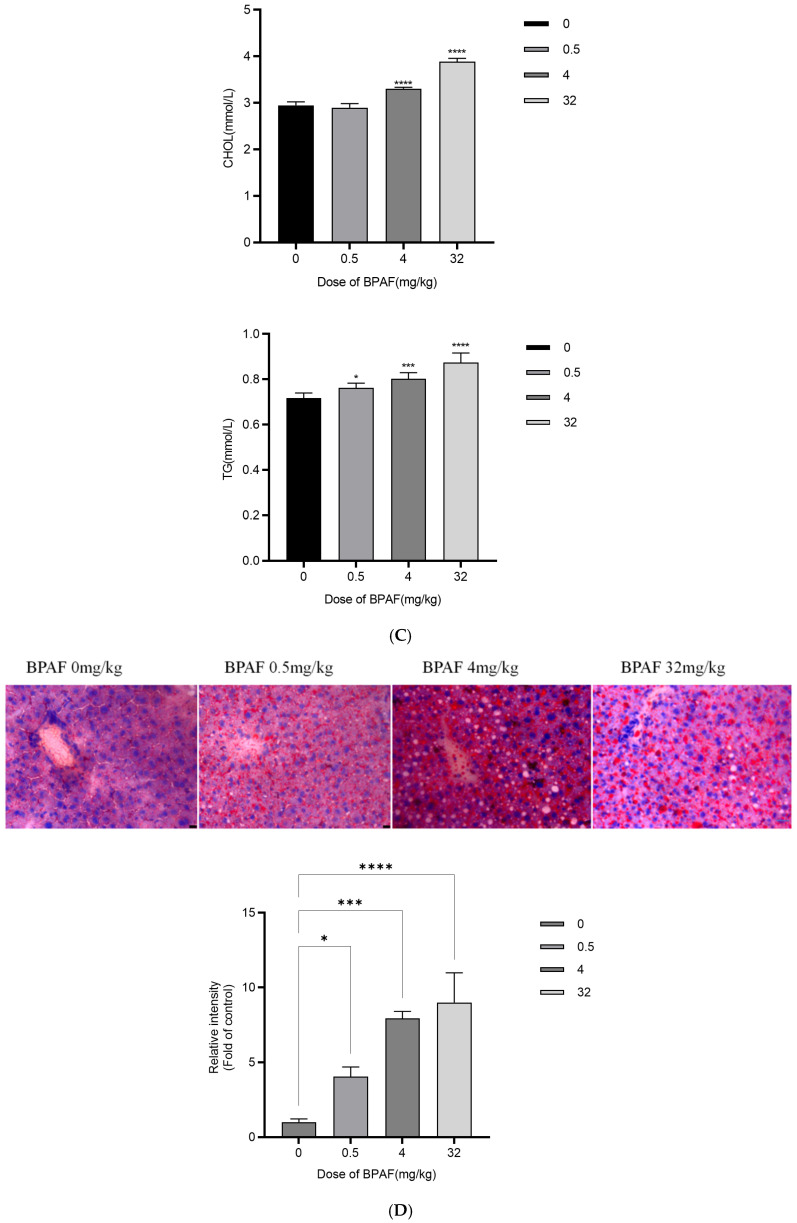 Figure 9
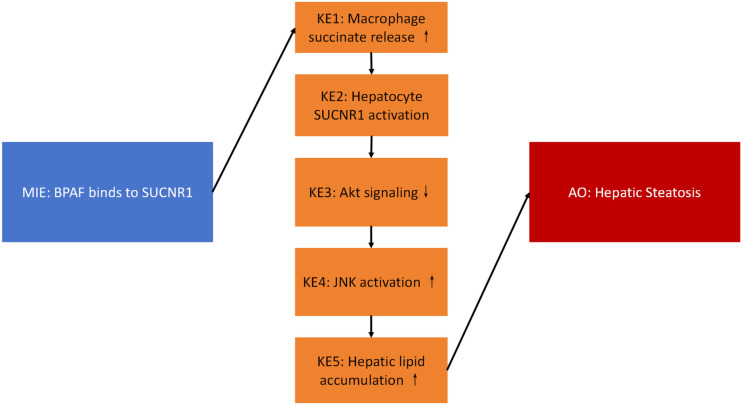 Figure 10
Peer Reviews
No public reviews on file for this paper yet. If you reviewed it on a platform where reviews are public (OpenReview, ICLR, NeurIPS, ICML), you can paste yours below so the community can read it here.
Videos
No videos yet. Explain this paper in a talk, walkthrough, or lecture? Add one.
Taxonomy
TopicsComputational Drug Discovery Methods · Adipose Tissue and Metabolism · Pharmacogenetics and Drug Metabolism