Vincristine Beyond Mitosis: Uncovering a First Link to G-Quadruplex DNA in Cancer Cells
Anna Di Porzio, Carolina Persico, Francesca Romano, Alessandra Barra, Immacolata Aiello, Ludovica D’Auria, Sara Abate, Federica D’Aria, Concetta Giancola, Elpidio Cinquegrana, Francesco Saverio Di Leva, Jussara Amato, Simona Marzano, Nunzia Iaccarino, Antonio Randazzo

TL;DR
This study reveals that vincristine, a chemotherapy drug, affects G-quadruplex DNA structures in cancer cells, impacting both the nucleus and mitochondria.
Contribution
The study is the first to show that vincristine interacts with G-quadruplex DNA structures, suggesting a new mechanism for its anticancer effects.
Findings
Vincristine increases nuclear and mitochondrial G4 foci in cancer cells.
Mitochondrial G4 levels rise by 1.5–2.5 fold, correlating with reduced membrane potential.
Vincristine interacts weakly but favorably with G4 DNA in vitro.
Abstract
Vincristine is a classical chemotherapeutic agent widely used for its ability to disrupt microtubule polymerization, yet additional molecular effects may contribute to its anticancer activity. G-quadruplexes (G4s), non-canonical nucleic acid structures enriched in regulatory regions of the genome and in mitochondrial DNA, have emerged as relevant modulators of cellular homeostasis. In this study, we investigated whether vincristine can influence G4 biology. Cancer cells treated with vincristine were analyzed by immunofluorescence, revealing a consistent increase in nuclear and mitochondrial G4 foci. In particular, mitochondrial G4s were significantly elevated by approximately 1.5–2.5 fold compared to untreated cells, an effect accompanied by a detectable reduction in membrane potential, indicative of impaired organelle function. In addition, biophysical analyses on representative…
Genes, proteins, chemicals, diseases, species, mutations and cell lines named across the full text — each resolved to its canonical identifier and authoritative record.
Click any figure to enlarge with its caption.
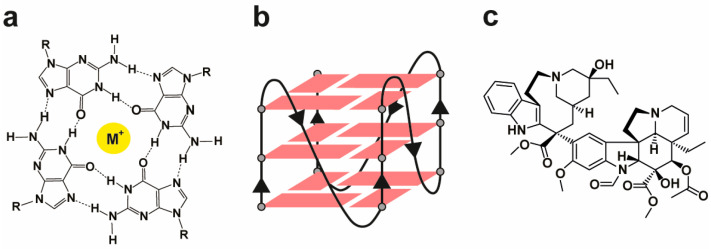 Figure 1
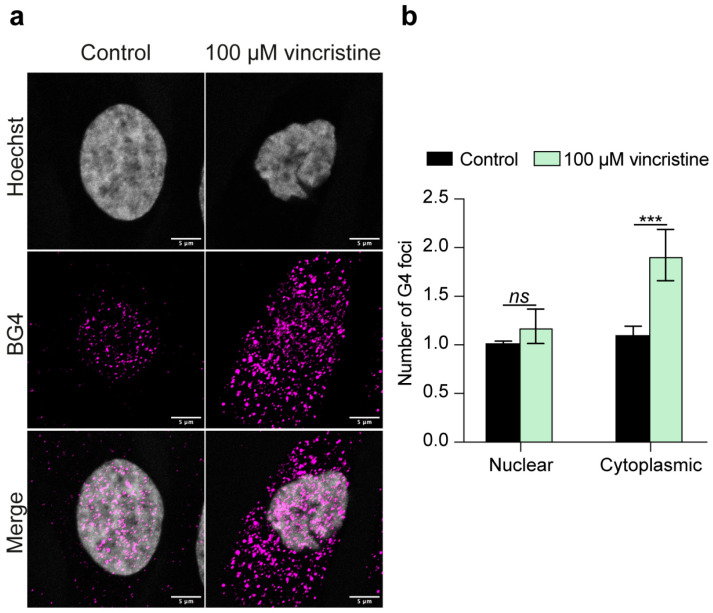 Figure 2
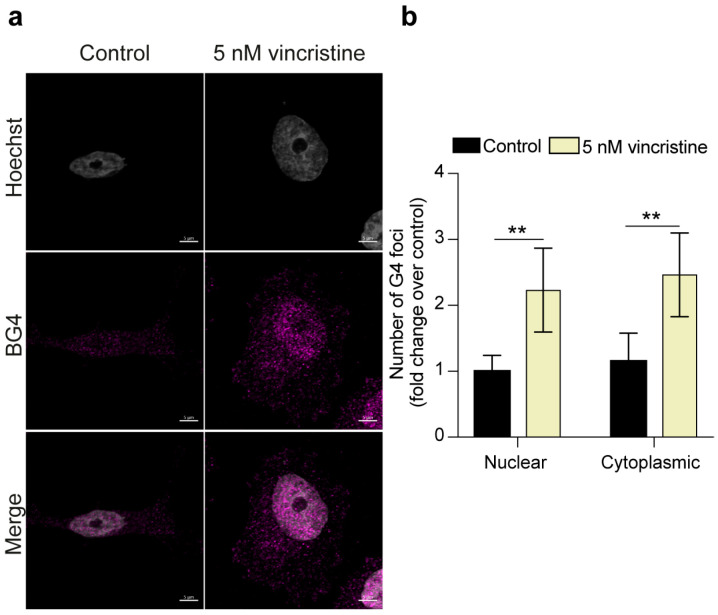 Figure 3
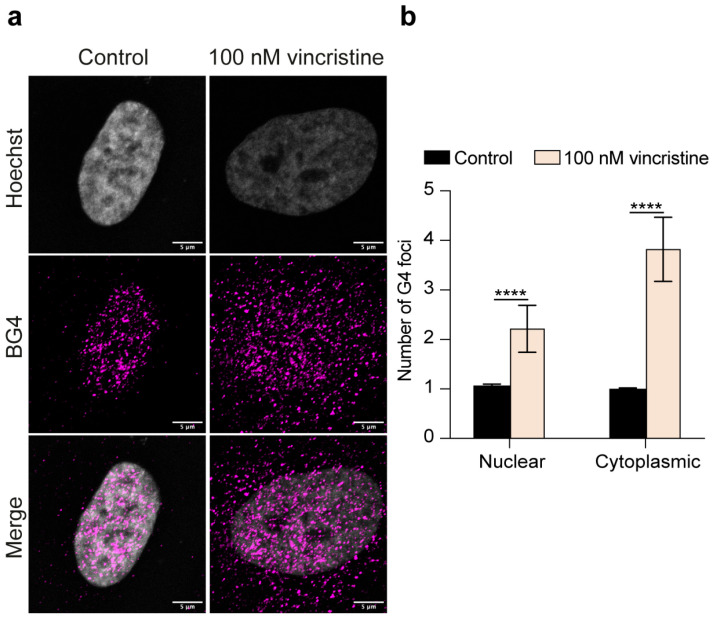 Figure 4
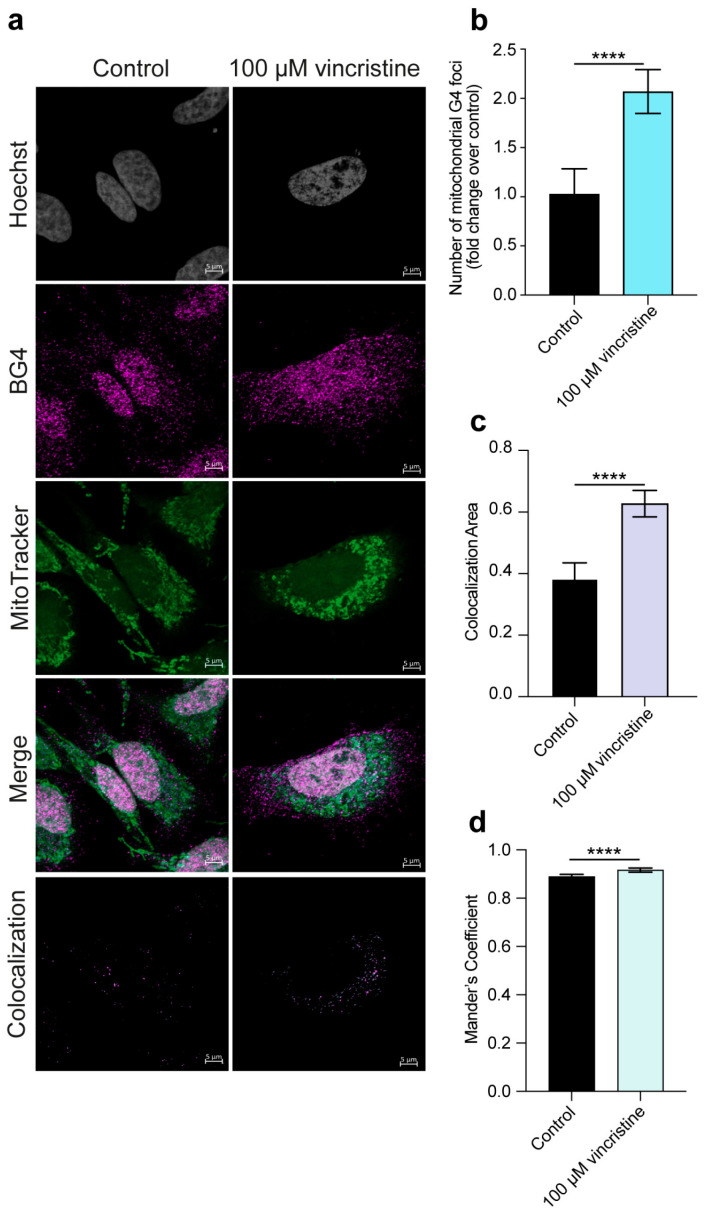 Figure 5
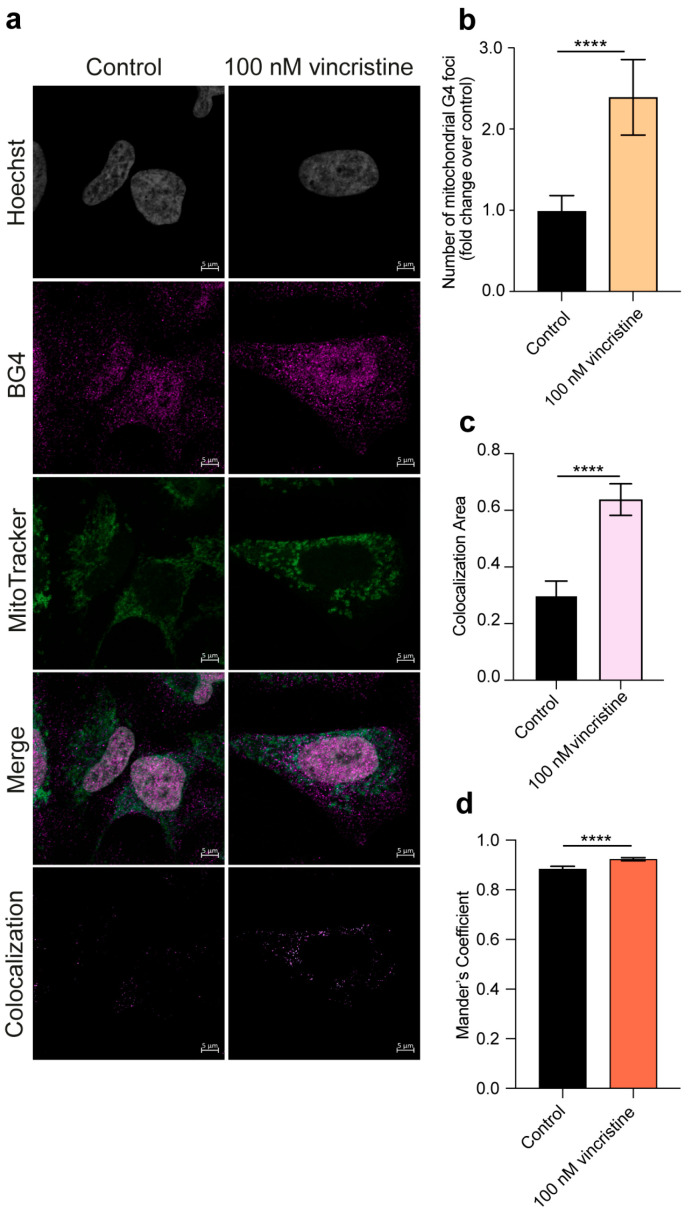 Figure 6
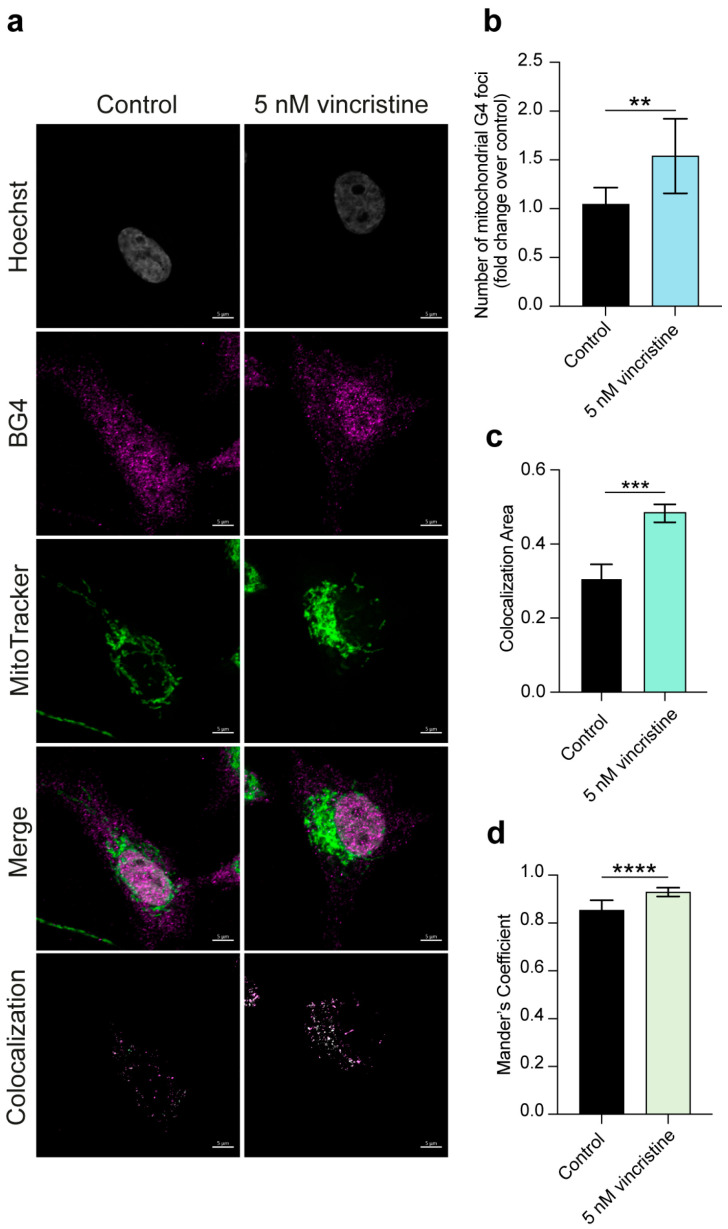 Figure 7
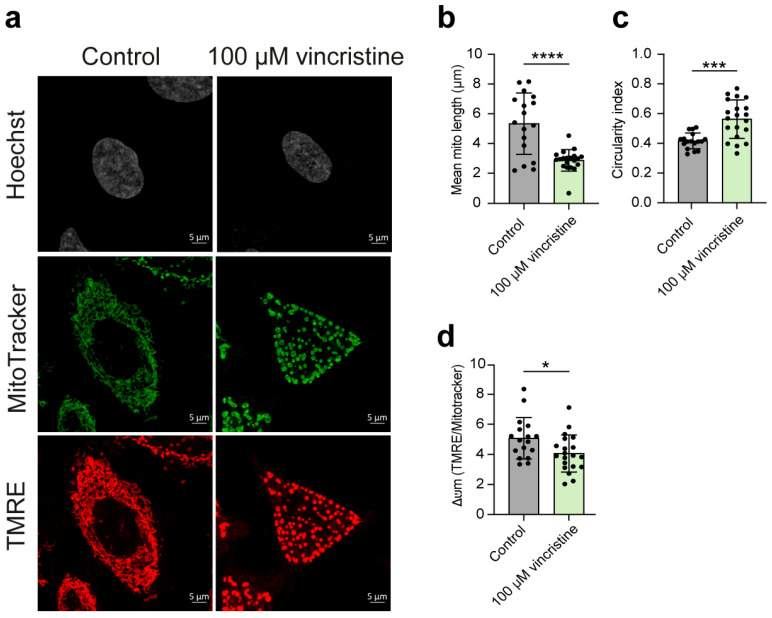 Figure 8
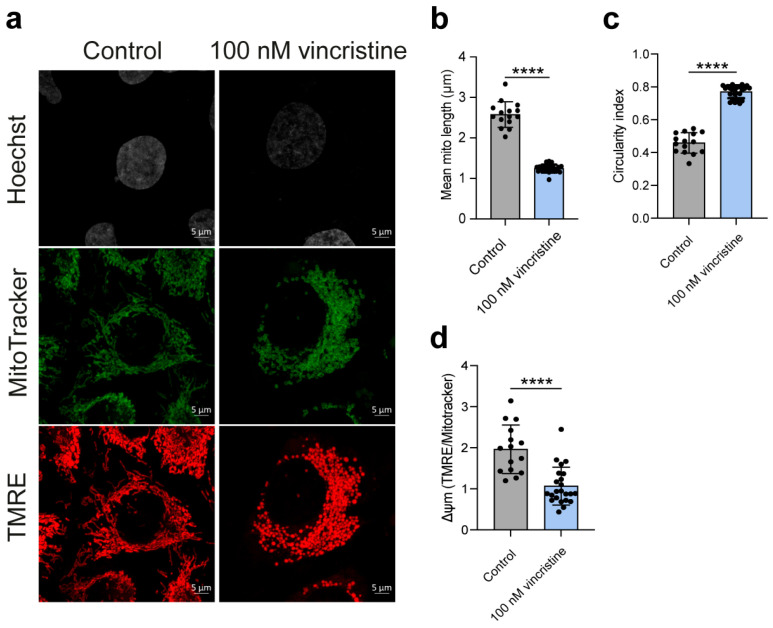 Figure 9
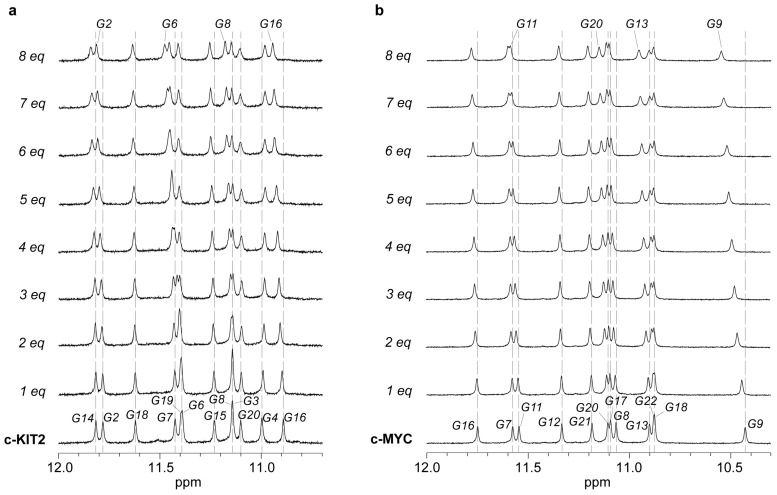 Figure 10
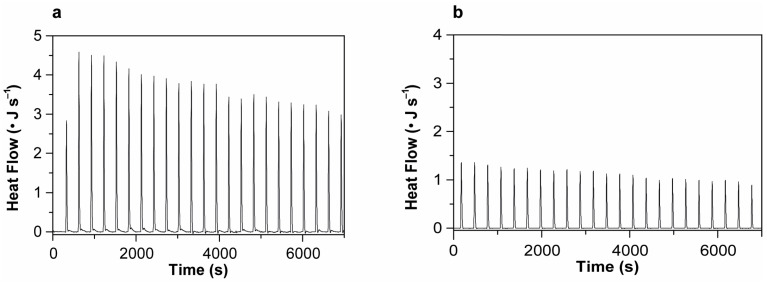 Figure 11
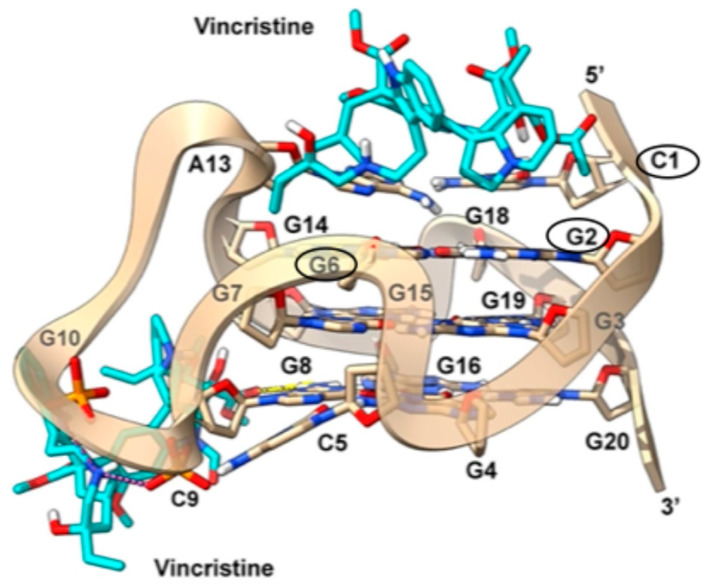 Figure 12
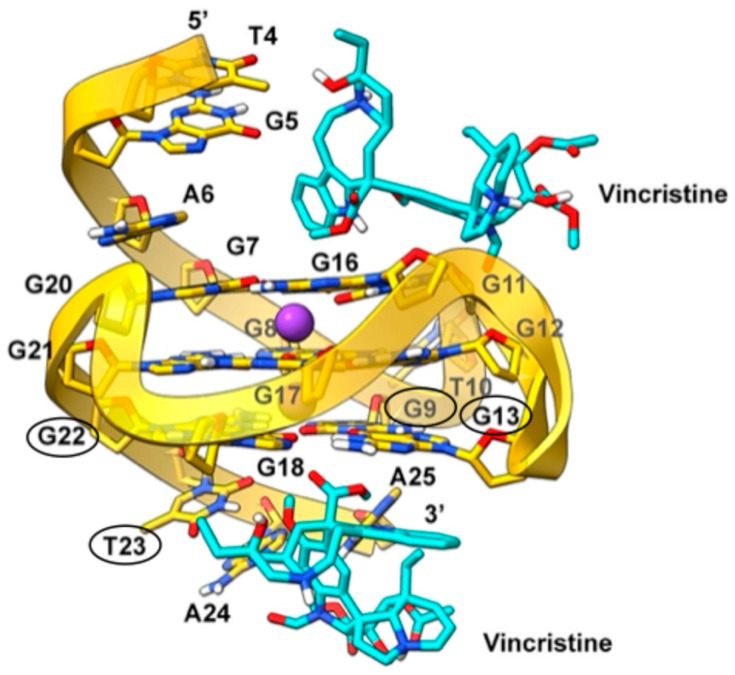 Figure 13
Peer Reviews
No public reviews on file for this paper yet. If you reviewed it on a platform where reviews are public (OpenReview, ICLR, NeurIPS, ICML), you can paste yours below so the community can read it here.
Videos
No videos yet. Explain this paper in a talk, walkthrough, or lecture? Add one.
Taxonomy
TopicsDNA and Nucleic Acid Chemistry · Advanced biosensing and bioanalysis techniques · RNA and protein synthesis mechanisms