Molecular Insights into the Biomedical Applications of Plagiomnium affine (Blandow ex Funck) T. Kop.: A Promising Source of Bioactive Metabolites
Julia Krupa, Andrzej Kaźmierczak, Izabela Kołodziejczyk

TL;DR
This paper explores the biomedical potential of the moss Plagiomnium affine, emphasizing its adaptability and bioactive compounds.
Contribution
The paper provides a comprehensive review of P. affine's biomedical applications and identifies research gaps.
Findings
P. affine is adaptable and rich in bioactive compounds of scientific interest.
The species can accumulate elements like manganese and cadmium.
Current knowledge on its biomedical applications and ecological roles is limited.
Abstract
Plagiomnium affine is a species of terrestrial moss that inhabits mainly coniferous forests but also occurs in areas with other characteristics. It is very adjustable, being a commercially available aquarium plant and popular among enthusiasts. Despite its wide distribution in various habitats, its physiological and biochemical adaptations, ecological roles, and responses to environmental changes remain only partially understood. In fact, it is not known what biomedical applications lie in this species, which is relatively easy to cultivate in vitro, and its role as an accumulator of elements such as manganese or cadmium is largely ignored. This article reviews the current state of research on P. affine, focusing on available published data that can help illuminate the biomedical application of the species, highlighting gaps in knowledge and identifying priorities for future research.…
Genes, proteins, chemicals, diseases, species, mutations and cell lines named across the full text — each resolved to its canonical identifier and authoritative record.
Click any figure to enlarge with its caption.
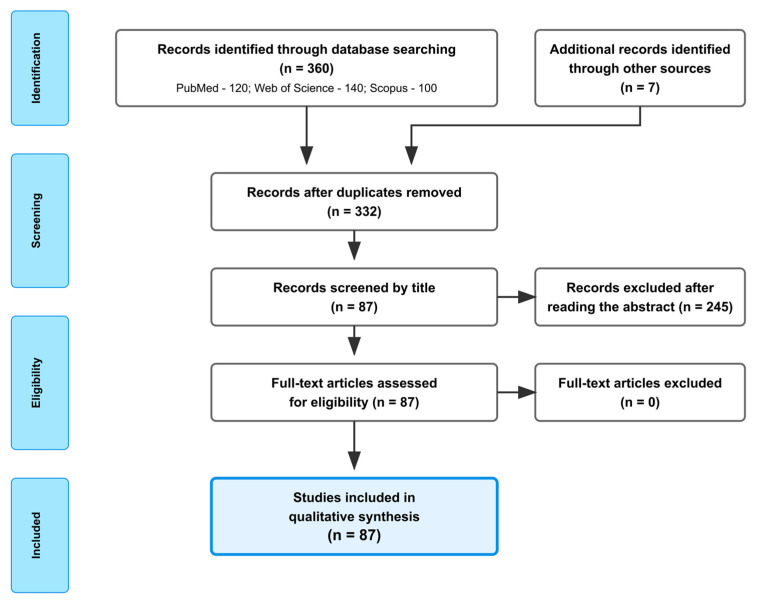 Figure 1
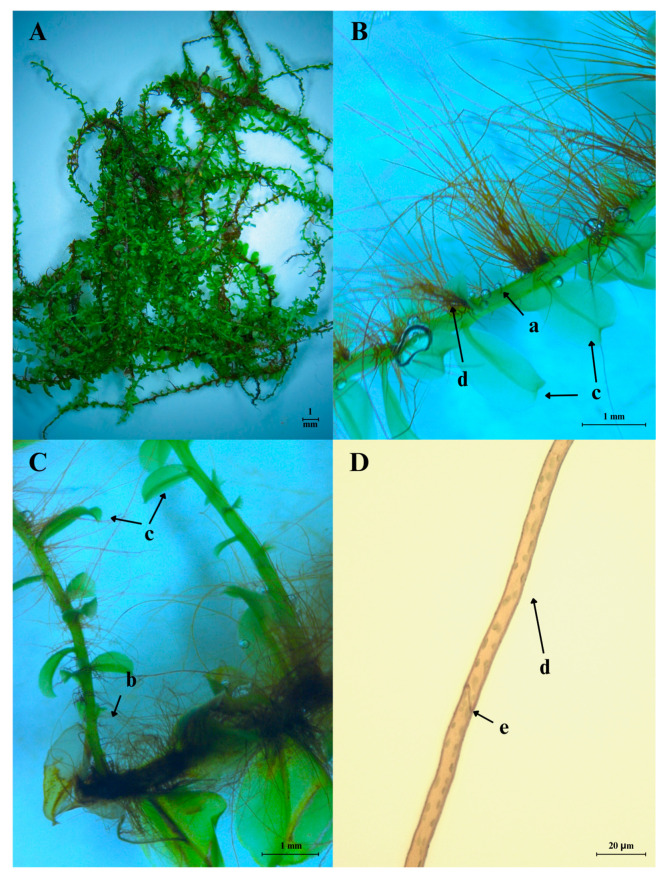 Figure 2
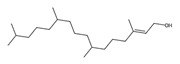 Figure 3
 Figure 4
 Figure 5
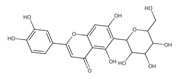 Figure 6
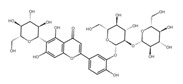 Figure 7
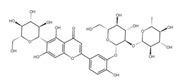 Figure 8
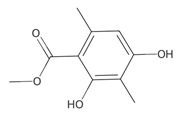 Figure 9
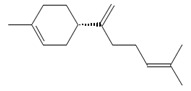 Figure 10
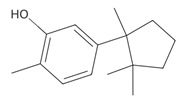 Figure 11
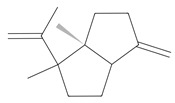 Figure 12
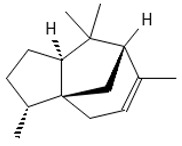 Figure 13
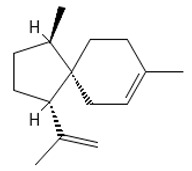 Figure 14
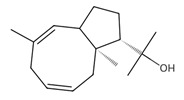 Figure 15
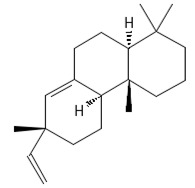 Figure 16
 Figure 17
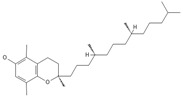 Figure 18
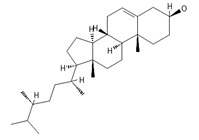 Figure 19
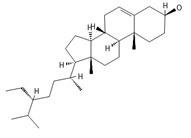 Figure 20
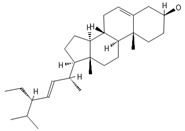 Figure 21
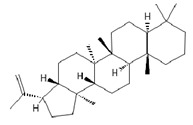 Figure 22
 Figure 23
 Figure 24
 Figure 25
 Figure 26
 Figure 27
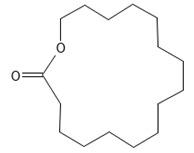 Figure 28
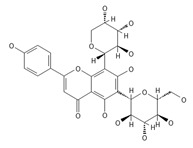 Figure 29
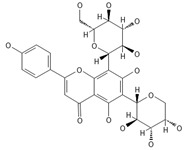 Figure 30
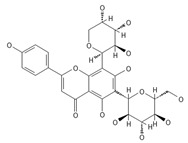 Figure 31
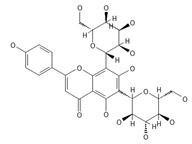 Figure 32
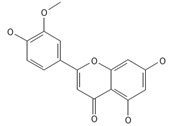 Figure 33
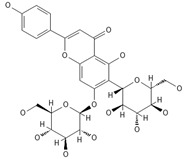 Figure 34
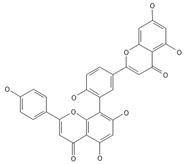 Figure 35
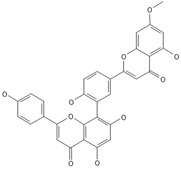 Figure 36
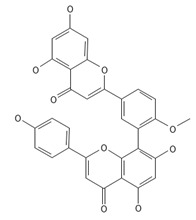 Figure 37
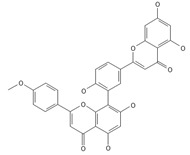 Figure 38
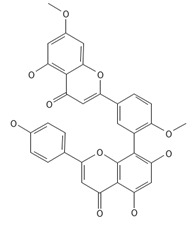 Figure 39
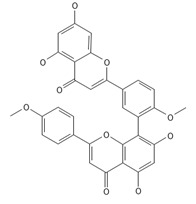 Figure 40
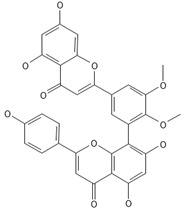 Figure 41
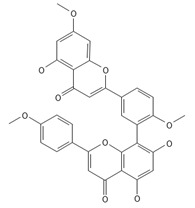 Figure 42
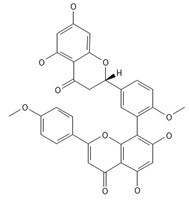 Figure 43
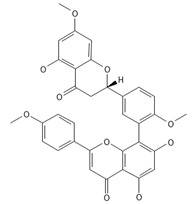 Figure 44
Peer Reviews
No public reviews on file for this paper yet. If you reviewed it on a platform where reviews are public (OpenReview, ICLR, NeurIPS, ICML), you can paste yours below so the community can read it here.
Videos
No videos yet. Explain this paper in a talk, walkthrough, or lecture? Add one.
Taxonomy
TopicsBryophyte Studies and Records · Lichen and fungal ecology · Botany and Plant Ecology Studies