Minocycline Treatment Improves Memory and Reduces Anxiety by Lowering Levels of Brain Amyloid Precursor Protein and Indoleamine 2,3-Dioxygenase in a Rat Model of Streptozotocin-Induced Alzheimer’s Disease
Grzegorz Świątek, Jowita Nowakowska-Gołacka, Monika Słomińska-Wojewódzka, Wojciech Glac, Oliwia Harackiewicz, Ewelina Kurowska-Rucińska, Danuta Wrona

TL;DR
Minocycline improves memory and reduces anxiety in a rat model of Alzheimer's disease by lowering brain proteins linked to the disease and reducing inflammation.
Contribution
The study demonstrates minocycline's novel neuroprotective and psychotropic effects in an Alzheimer's model via APP and IDO1 modulation.
Findings
Minocycline improved memory and reduced anxiety in rats with Alzheimer's disease.
Treatment reduced amyloid precursor protein and IDO1 levels in brain regions.
Minocycline induced an anti-inflammatory response in the blood.
Abstract
Minocycline (MINO), a classic antibiotic, may have psychotropic activity related to the modulation of the tryptophan-kynurenine pathway. In this study, we investigated the effects of MINO on (1) memory and anxiety behaviors, (2) the modulation of brain levels of amyloid precursor protein (APP) and 2,3-indoleamine dioxygenase (IDO1) levels, and (3) peripheral inflammatory markers in a streptozotocin (STZ)-induced rat model of sporadic Alzheimer’s disease (sAD). After repeated treatment with a dose of 35 mg/kg MINO for seven consecutive days, male Wistar rats with sAD showed (1) improvements in early (29 days after injection, probe test) reference memory (decreased latency to reach the platform, increased time in the critical quadrant of the Morris water maze) and anxiety disorders (increased time in the open arms of the elevated plus maze; increased exploration and entrances in the…
Genes, proteins, chemicals, diseases, species, mutations and cell lines named across the full text — each resolved to its canonical identifier and authoritative record.
Click any figure to enlarge with its caption.
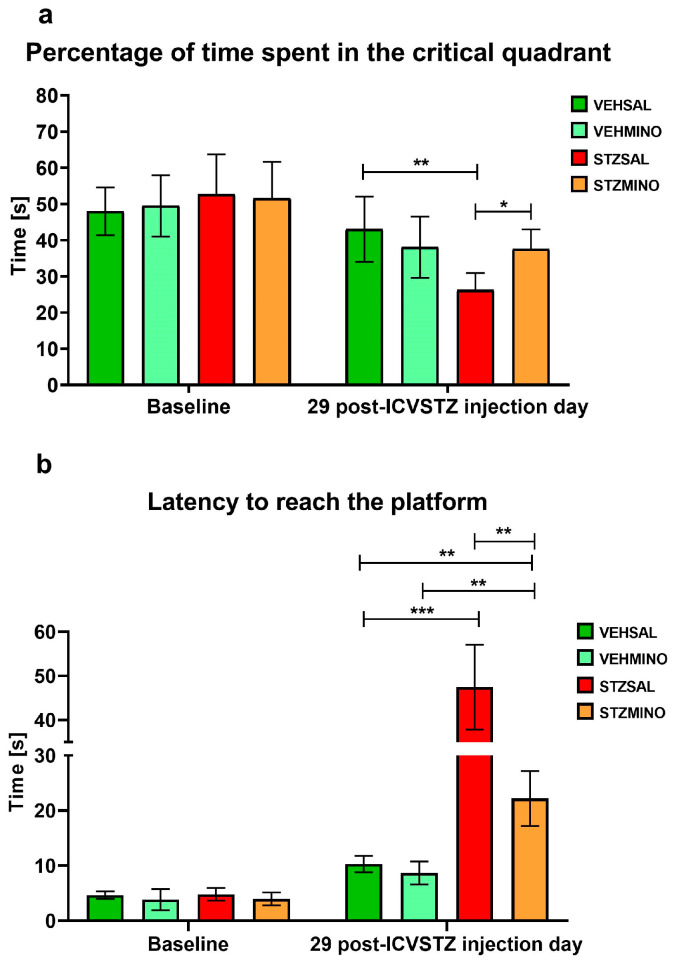 Figure 1
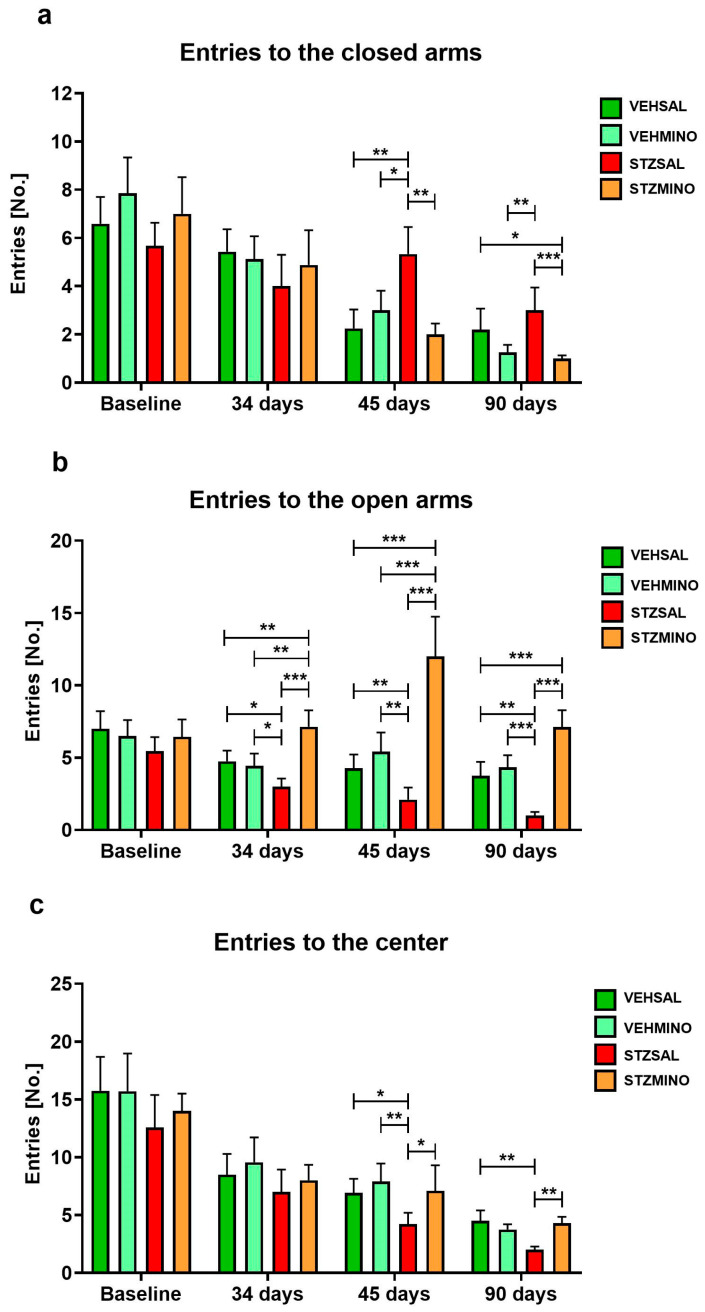 Figure 2
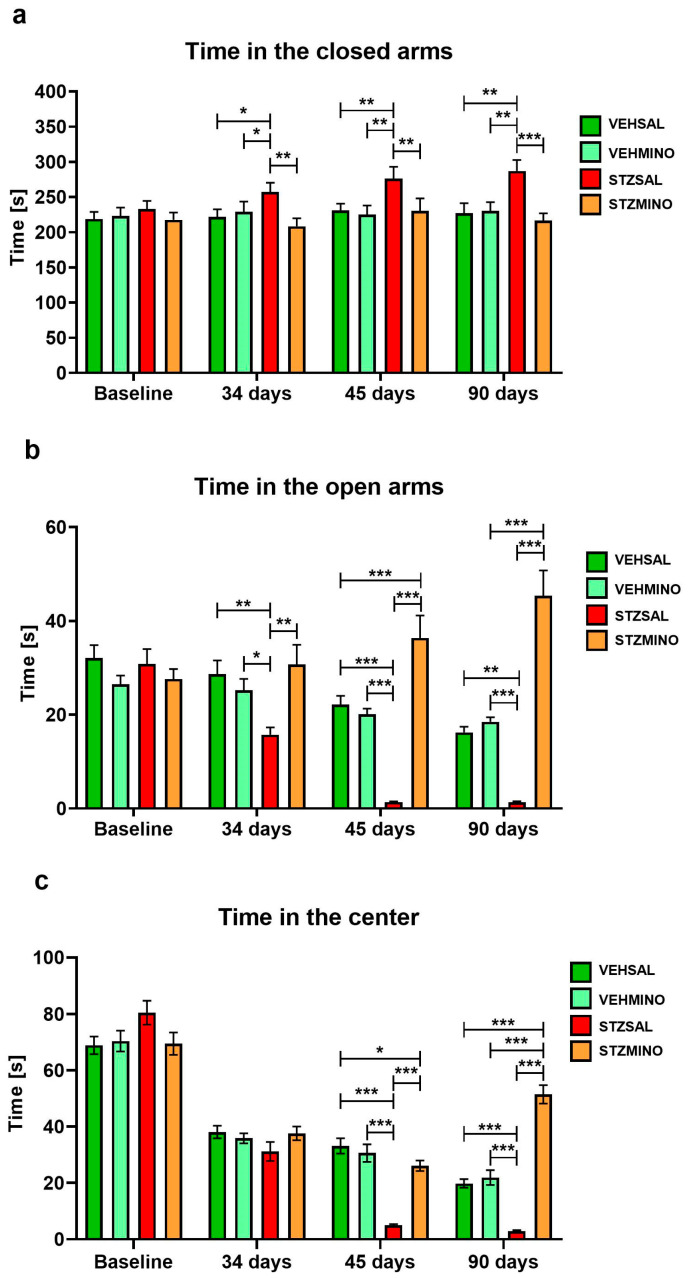 Figure 3
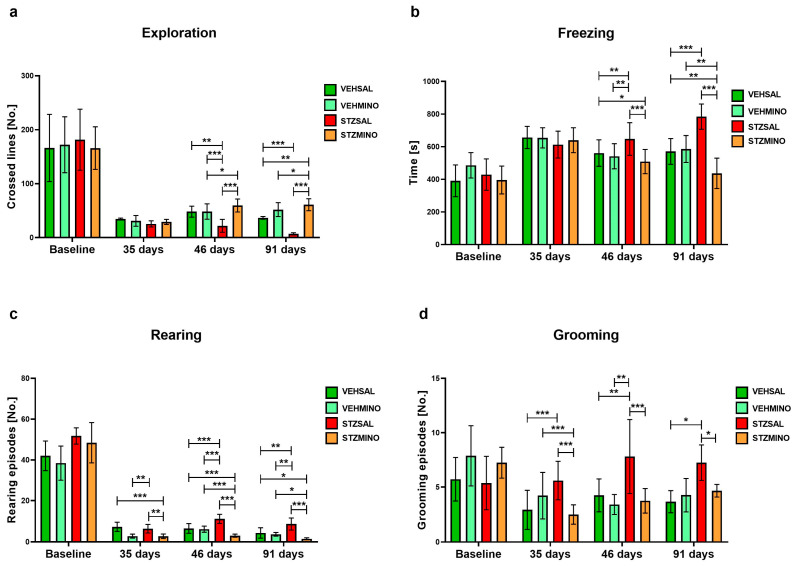 Figure 4
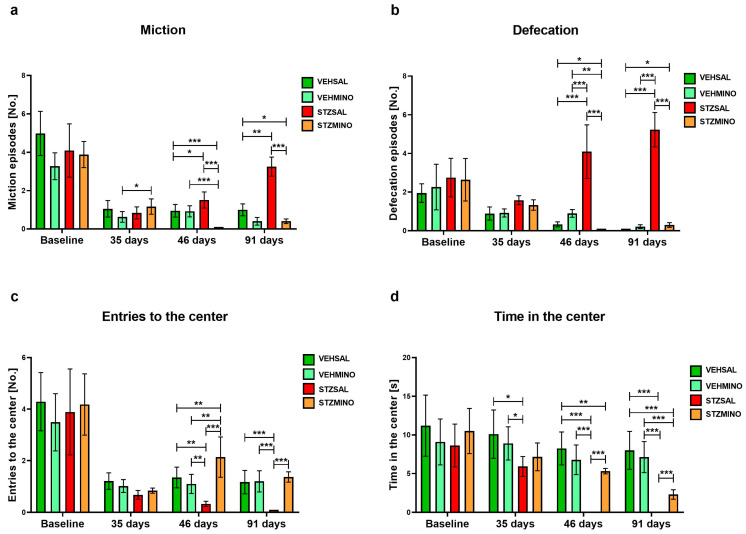 Figure 5
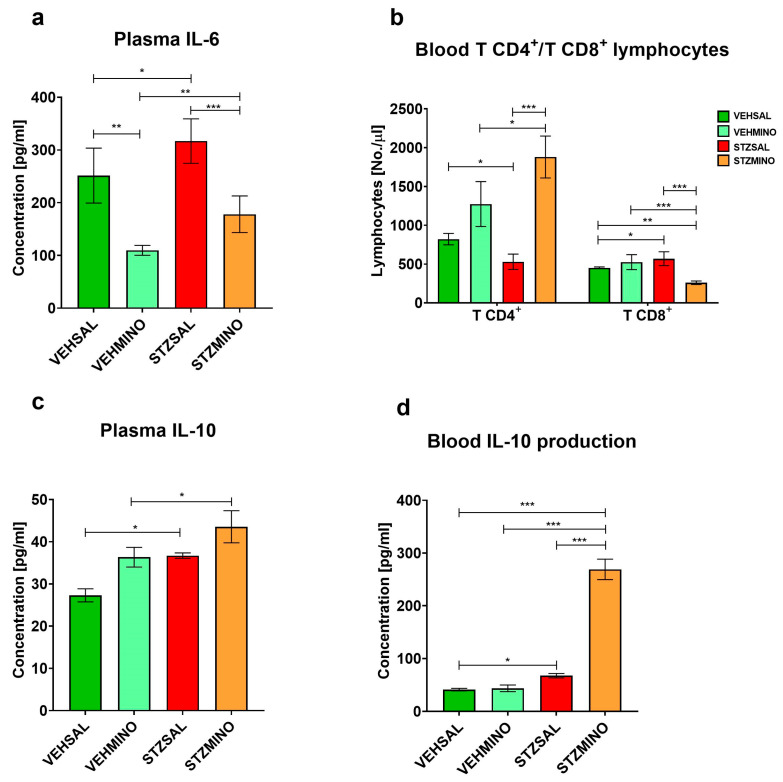 Figure 6
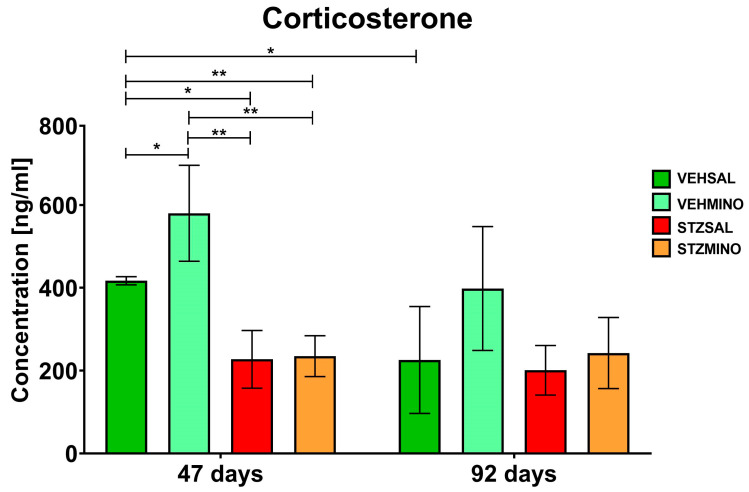 Figure 7
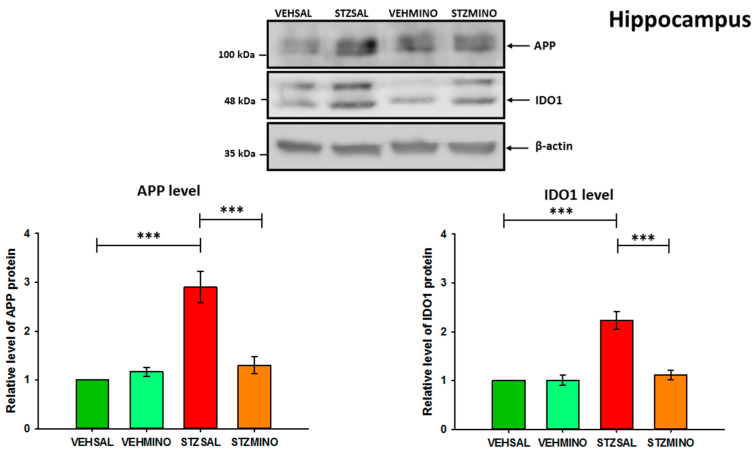 Figure 8
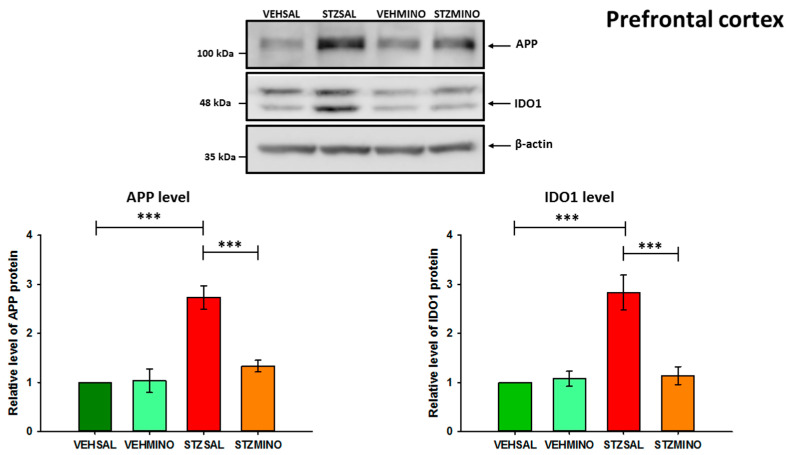 Figure 9
 Figure 10
Peer Reviews
No public reviews on file for this paper yet. If you reviewed it on a platform where reviews are public (OpenReview, ICLR, NeurIPS, ICML), you can paste yours below so the community can read it here.
Videos
No videos yet. Explain this paper in a talk, walkthrough, or lecture? Add one.
Taxonomy
TopicsTryptophan and brain disorders · Neuroinflammation and Neurodegeneration Mechanisms · Alzheimer's disease research and treatments