Association Between Genetic Polymorphisms in the Prostaglandin Pathway and the Development of Patent Ductus Arteriosus in Preterm Infants
Marcin Minta, Grażyna Kurzawińska, Zuzanna-Banach Minta, Agnieszka Seremak Mrozikiewicz, Dawid Szpecht

TL;DR
This study explores how genetic variations in the prostaglandin pathway may increase the risk of patent ductus arteriosus in preterm infants.
Contribution
The study identifies specific genetic polymorphisms in the prostaglandin pathway associated with PDA development in preterm infants.
Findings
Selected polymorphisms in the prostaglandin pathway genes were significantly associated with increased PDA risk.
The study suggests genetic variability may contribute to PDA pathogenesis in preterm neonates.
Abstract
Patent ductus arteriosus (PDA) constitutes a significant clinical condition, frequently associated with a spectrum of complications that may profoundly compromise the health status of neonates, particularly those born preterm. Multiple predisposing factors—including prematurity, low birth weight, and respiratory insufficiency—have been consistently documented in the scientific literature. In this study, we investigated the influence of genetic polymorphisms in genes associated with the arachidonic acid–prostaglandin metabolic pathway. Specifically, we analyzed polymorphisms in genes encoding phospholipase A2 (rs10798059, rs1549637, rs4375, rs1805017, rs1051931), cyclooxygenase-1 (rs1236913), prostaglandin synthase 2 (rs13283456), and the prostaglandin E2 receptor EP4 (rs4613763). The study cohort comprised 99 preterm neonates born between 24 and 32 weeks of gestation. Genetic analyses…
Genes, proteins, chemicals, diseases, species, mutations and cell lines named across the full text — each resolved to its canonical identifier and authoritative record.
Click any figure to enlarge with its caption.
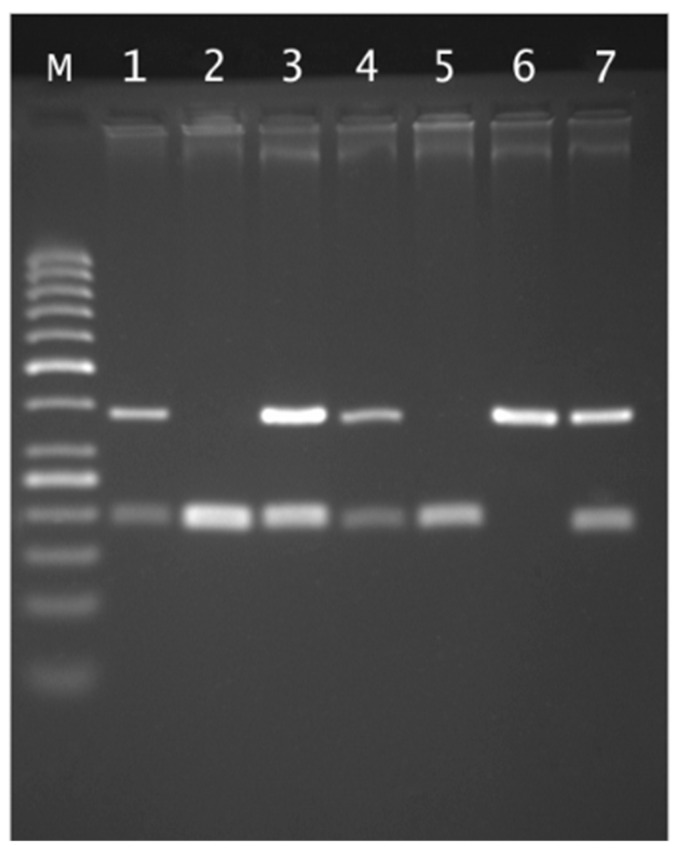 Figure 1
Peer Reviews
No public reviews on file for this paper yet. If you reviewed it on a platform where reviews are public (OpenReview, ICLR, NeurIPS, ICML), you can paste yours below so the community can read it here.
Videos
No videos yet. Explain this paper in a talk, walkthrough, or lecture? Add one.
Taxonomy
TopicsCardiovascular Conditions and Treatments · Congenital Heart Disease Studies · Cardiac Arrhythmias and Treatments