Psychological and Behavioral Adjustment in Patients with Non-Traumatic Lower Limb Amputation and Prosthesis: A Mixed-Method Triangulation Study
Marina Maffoni, Alessandra Casati, Clara Tambussi, Valeria Torlaschi, Marco Baldini, Roberto Dragoni, Cira Fundarò, Laura Bagnara, Chiara Ferretti, Antonia Pierobon

TL;DR
This study explores how patients with non-traumatic lower limb amputation adjust psychologically and behaviorally during rehabilitation, combining quantitative and qualitative methods.
Contribution
The study introduces a mixed-method triangulation approach to better understand psychological adaptation in amputees and prosthesis users.
Findings
Anxiety and depression symptoms decreased with prosthesis use, and medication adherence improved.
Qualitative interviews revealed a more complex psychological experience than quantitative data alone.
Patients generally maintained body image despite fears of social judgment regarding their prosthesis.
Abstract
Background: Lower limb amputation (LLA), due to non-traumatic causes such as vascular diseases and diabetes, significantly impacts patients’ physical, psychological, and social well-being. While multidisciplinary rehabilitation programs commonly address physical and functional recovery, psychological and subjective experiences related to limb loss remain less explored. Thus, this preliminary study aimed to investigate the psychological and behavioral adaptation processes in patients undergoing rehabilitation following lower limb amputation. Methods: A preliminary observational study with a mixed-method approach based on quantitative and qualitative data triangulation was conducted. This approach involves integrating multiple data sources and methodologies—in this case, quantitative psychometric measures and qualitative interviews via the prospective of amputees and those who use…
Genes, proteins, chemicals, diseases, species, mutations and cell lines named across the full text — each resolved to its canonical identifier and authoritative record.
Click any figure to enlarge with its caption.
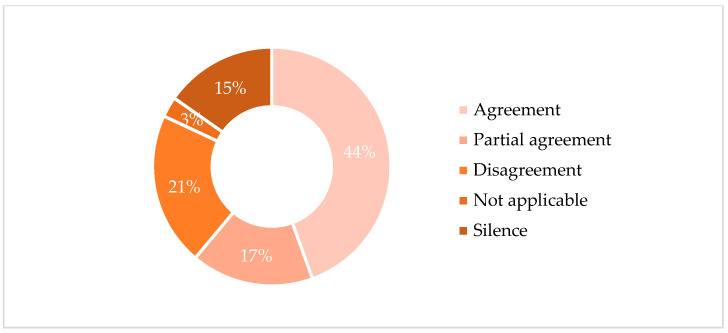 Figure 1
Peer Reviews
No public reviews on file for this paper yet. If you reviewed it on a platform where reviews are public (OpenReview, ICLR, NeurIPS, ICML), you can paste yours below so the community can read it here.
Videos
No videos yet. Explain this paper in a talk, walkthrough, or lecture? Add one.
Taxonomy
TopicsStroke Rehabilitation and Recovery · Vagus Nerve Stimulation Research · Diabetic Foot Ulcer Assessment and Management