Conformational Dynamics of the Active Site Loop in Dihydroorotase Highlighting the Limitations of Loop-In Structures for Inhibitor Docking
Yen-Hua Huang, Tsai-Ying Huang, Man-Cheng Wang, Cheng-Yang Huang

TL;DR
The study shows that the active site loop in Dihydroorotase (DHOase) can adopt different conformations, which affects inhibitor binding and drug design.
Contribution
The study identifies new inhibitors of DHOase and reveals that loop conformation is not always ligand-dependent, impacting inhibitor docking.
Findings
Loop conformation in DHOase varies across types and is not always influenced by ligand binding.
S. cerevisiae DHOase consistently adopts the loop-in state, limiting inhibitor docking.
Docking experiments confirmed that the loop-in state prevents effective inhibitor binding.
Abstract
Dihydroorotase (DHOase) catalyzes the reversible cyclization of N-carbamoyl-L-aspartate to dihydroorotate, a key step in de novo pyrimidine biosynthesis. A flexible active site loop in DHOase undergoes conformational switching between loop-in and loop-out states, influencing substrate binding, catalysis, and inhibitor recognition. In this study, we identified 5-fluoroorotate (5-FOA) and myricetin as inhibitors of Saccharomyces cerevisiae DHOase and systematically analyzed 97 crystal structures and AlphaFold 3.0 models of DHOases from 16 species representing types I, II, and III. Our results demonstrate that loop conformation is not universally ligand-dependent and varies markedly across DHOase types, with type II enzymes showing the greatest flexibility. Notably, S. cerevisiae DHOase consistently adopted the loop-in state, even with non-substrate ligands, restricting accessibility for…
Genes, proteins, chemicals, diseases, species, mutations and cell lines named across the full text — each resolved to its canonical identifier and authoritative record.
Click any figure to enlarge with its caption.
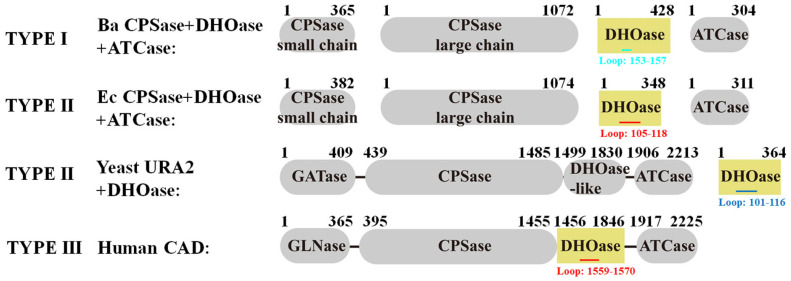 Figure 1
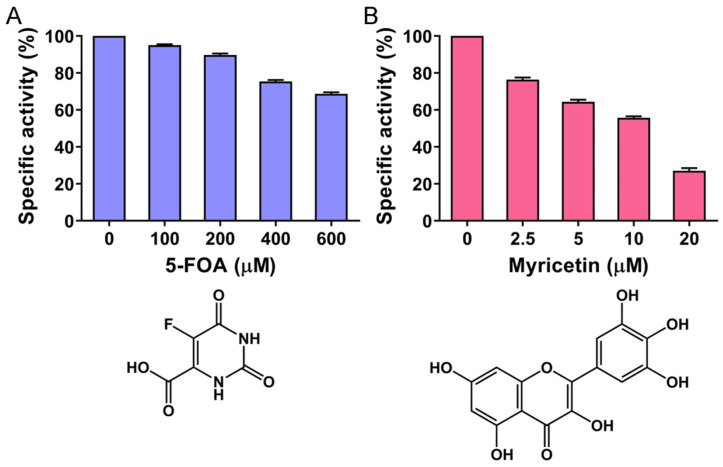 Figure 2
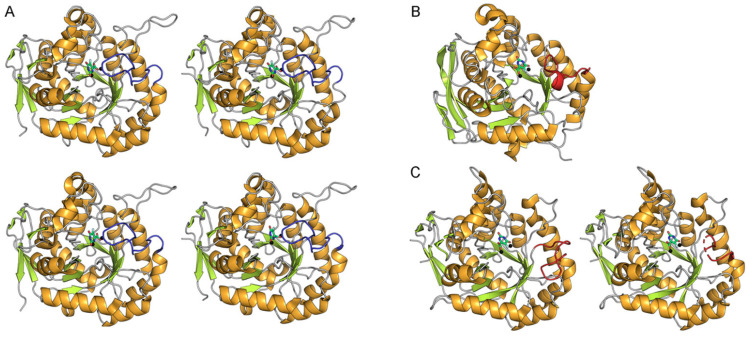 Figure 3
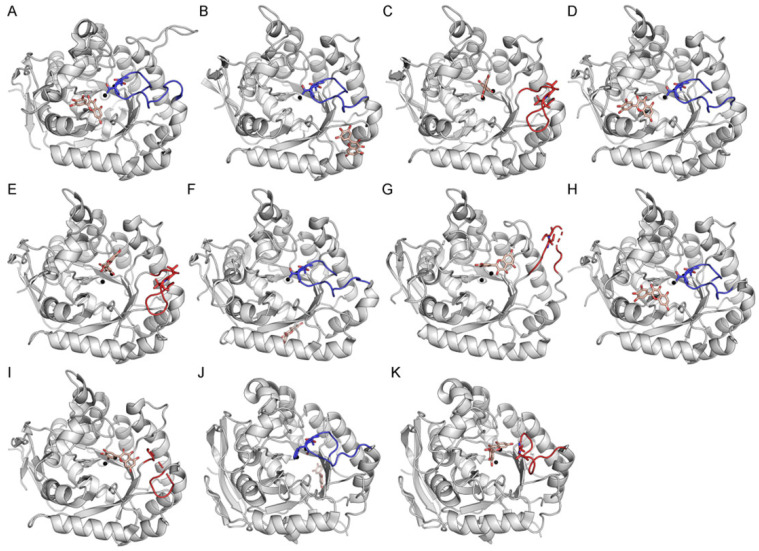 Figure 4
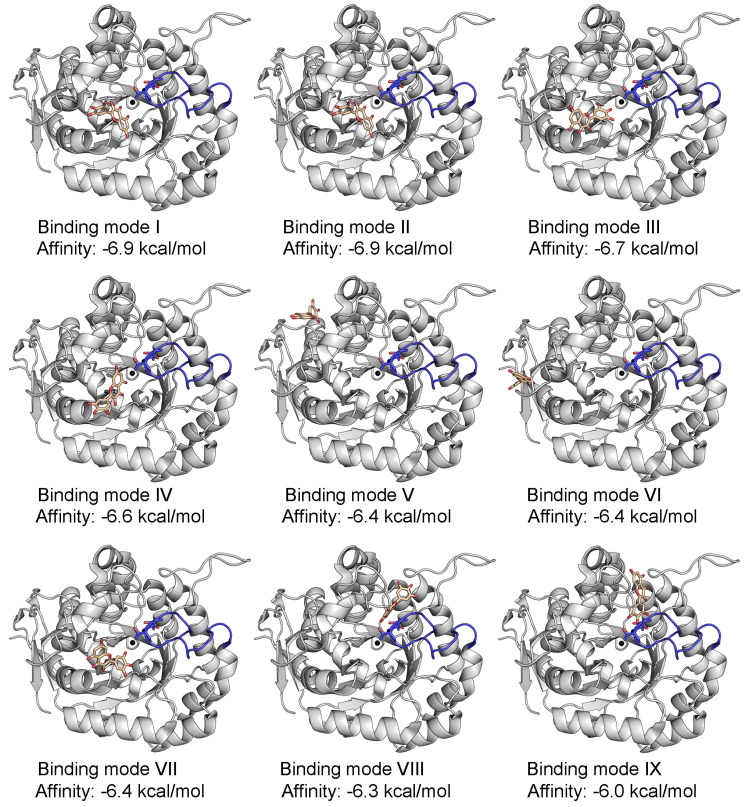 Figure 5
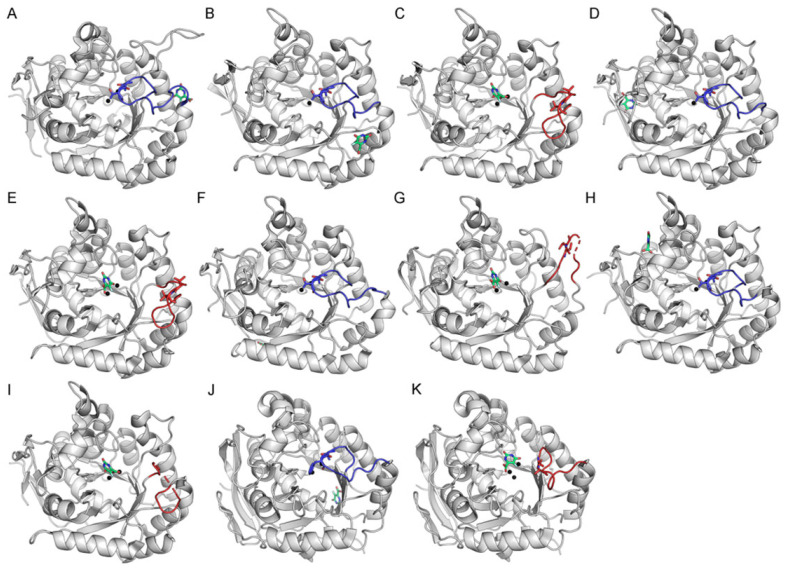 Figure 6
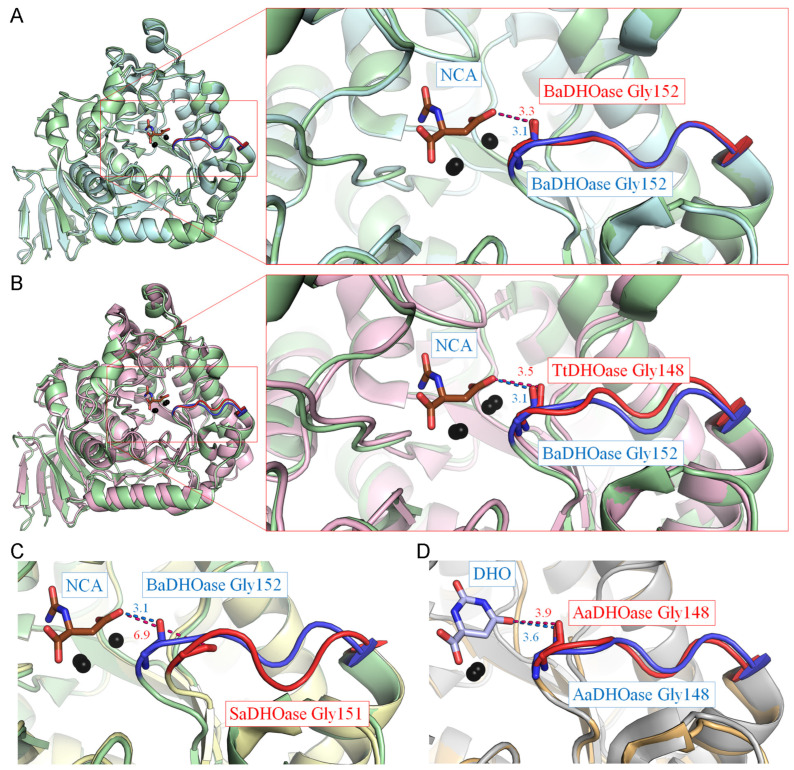 Figure 7
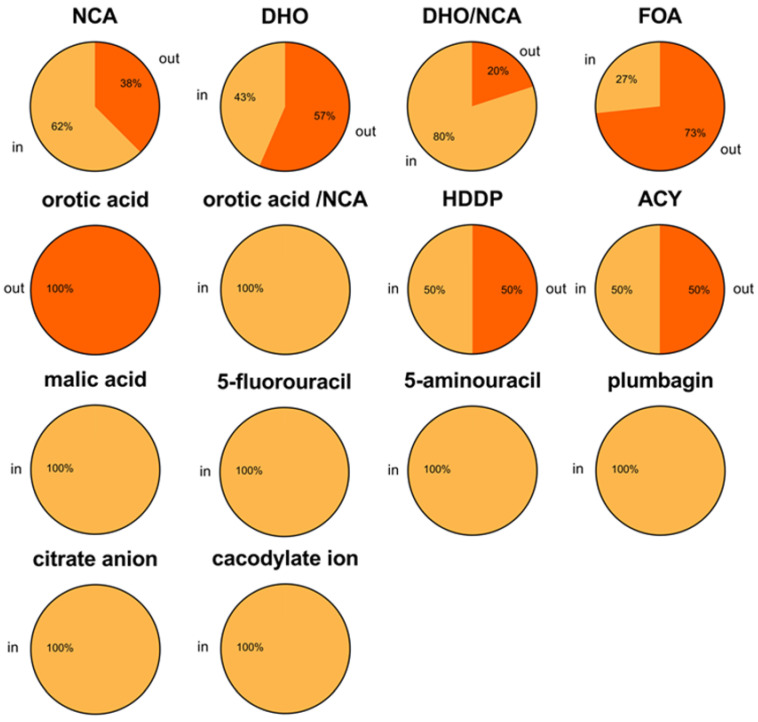 Figure 8
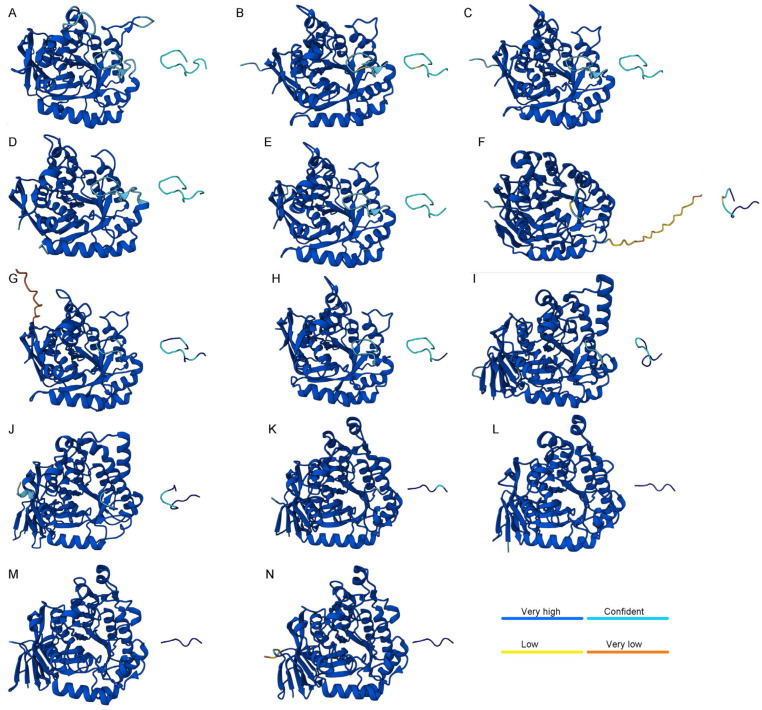 Figure 9
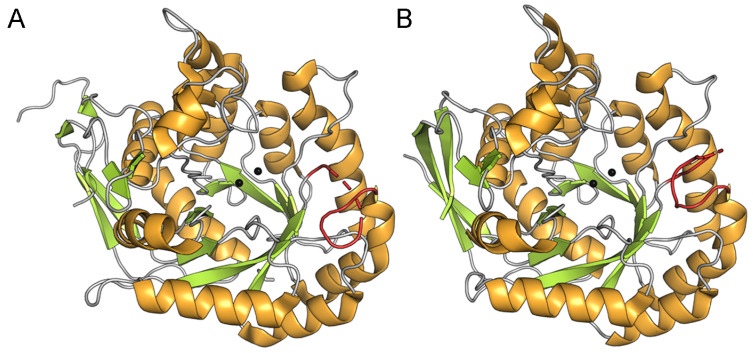 Figure 10
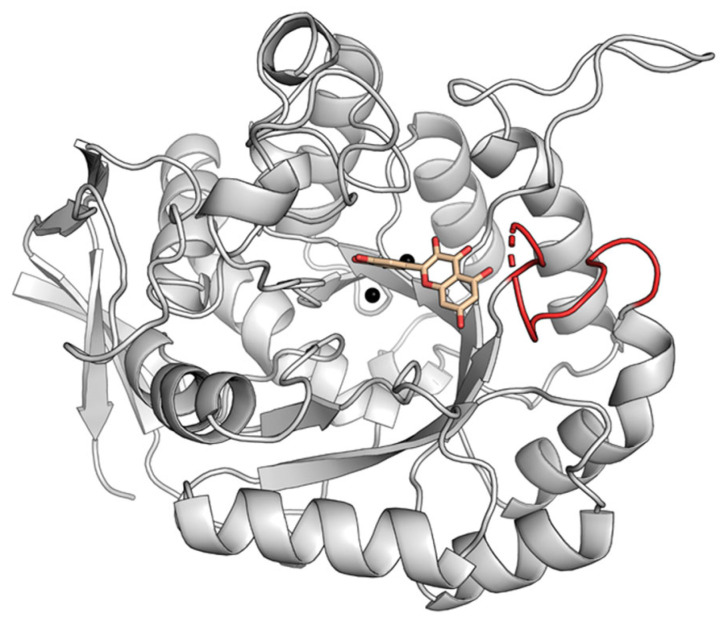 Figure 11
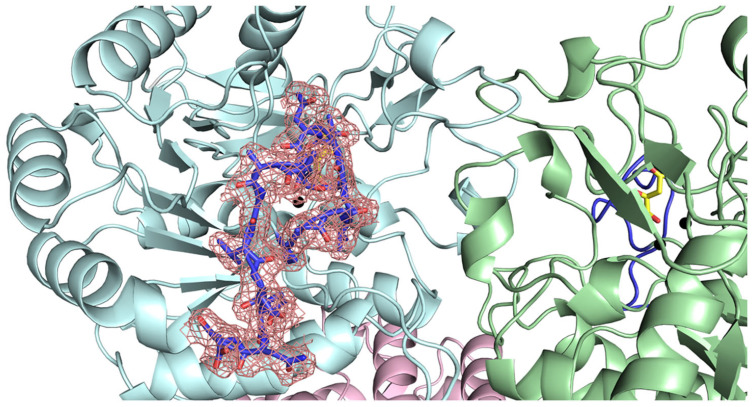 Figure 12
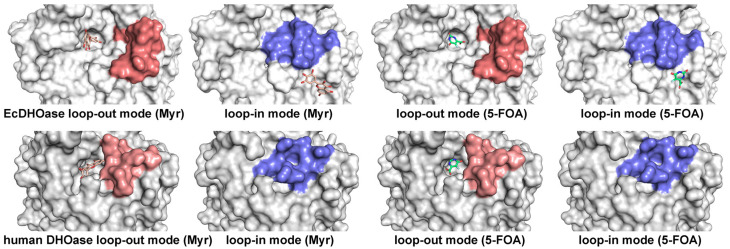 Figure 13
Peer Reviews
No public reviews on file for this paper yet. If you reviewed it on a platform where reviews are public (OpenReview, ICLR, NeurIPS, ICML), you can paste yours below so the community can read it here.
Videos
No videos yet. Explain this paper in a talk, walkthrough, or lecture? Add one.
Taxonomy
TopicsBiochemical and Molecular Research · Enzyme Structure and Function · Carbohydrate Chemistry and Synthesis