Gaussian Accelerated Molecular Dynamics Simulations Combined with NRIMD to Explore the Mechanism of Substrate Selectivity of Cid1 Polymerase for Different Nucleoside Triphosphates
Hanwen Liu, Xue Zhou, Haohao Wang, Fuyan Cao, Weiwei Han

TL;DR
This study uses advanced simulations to understand why the Cid1 protein preferentially uses UTP over other nucleoside triphosphates.
Contribution
The study reveals the molecular mechanism behind Cid1's substrate selectivity using GaMD and MM-PBSA binding energy analysis.
Findings
UTP forms stronger and more non-covalent interactions with Cid1 compared to ATP, CTP, and GTP.
MM-PBSA analysis shows Cid1's preference for UTP over ATP, CTP, and GTP in that order.
Abstract
Cid1 protein is a crucial component in the RNA interference pathway and abnormal nuclear RNA turnover processes, primarily responsible for adding uridine to the 3′ end of RNA. Cid1 exhibits selective polymerization of UTP over other nucleoside triphosphates. To explore the mechanism of this selectivity, five systems: free-Cid1, Cid1-ATP, Cid1-UTP, Cid1-CTP, and Cid1-GTP with 500 ns Gaussian accelerated molecular dynamics (GaMD) simulations were performed to investigate conformational changes and binding affinities between substrates and Cid1. The results showed that UTP formed stronger and more numerous non-covalent interactions with Cid1 compared to the other three substrates. The Molecular Mechanics Poisson-Boltzmann Surface Area (MM-PBSA) binding energy analysis revealed a substrate preference for Cid1 polymerase in the order of UTP, followed by ATP, CTP, and GTP. These findings…
Genes, proteins, chemicals, diseases, species, mutations and cell lines named across the full text — each resolved to its canonical identifier and authoritative record.
Click any figure to enlarge with its caption.
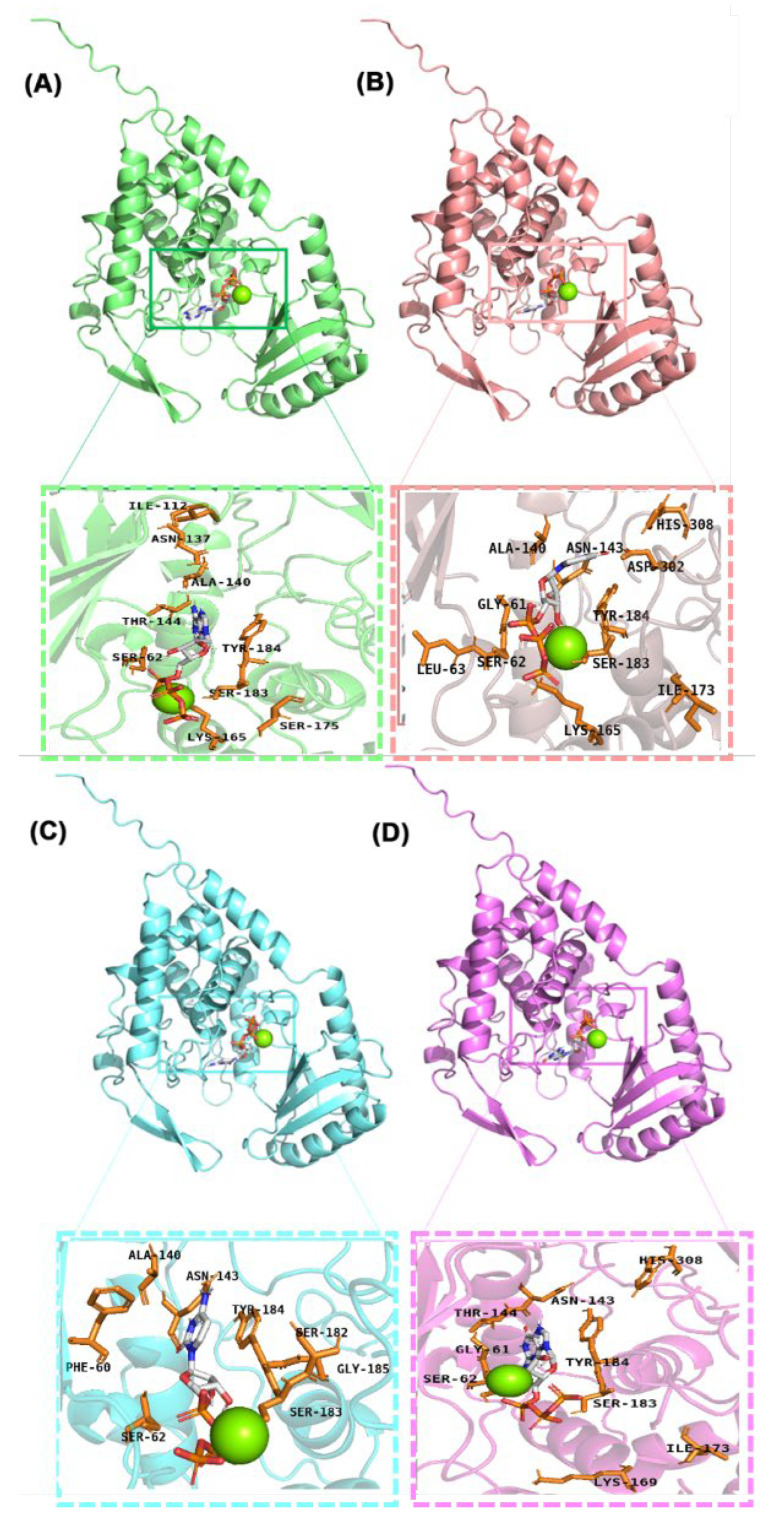 Figure 1
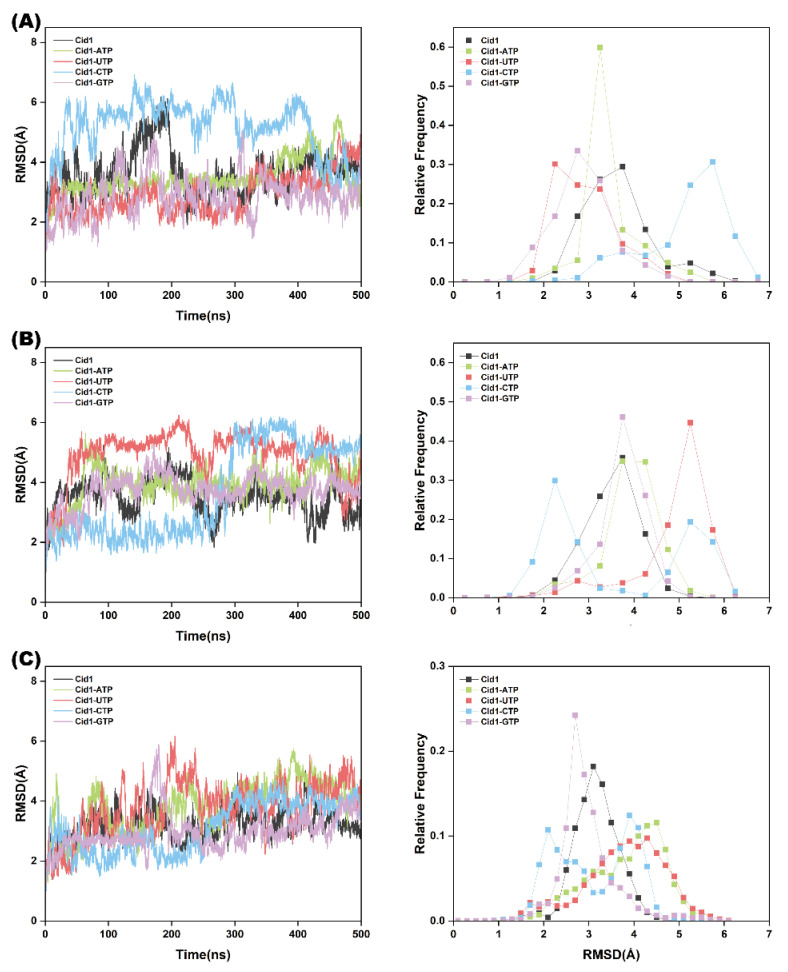 Figure 2
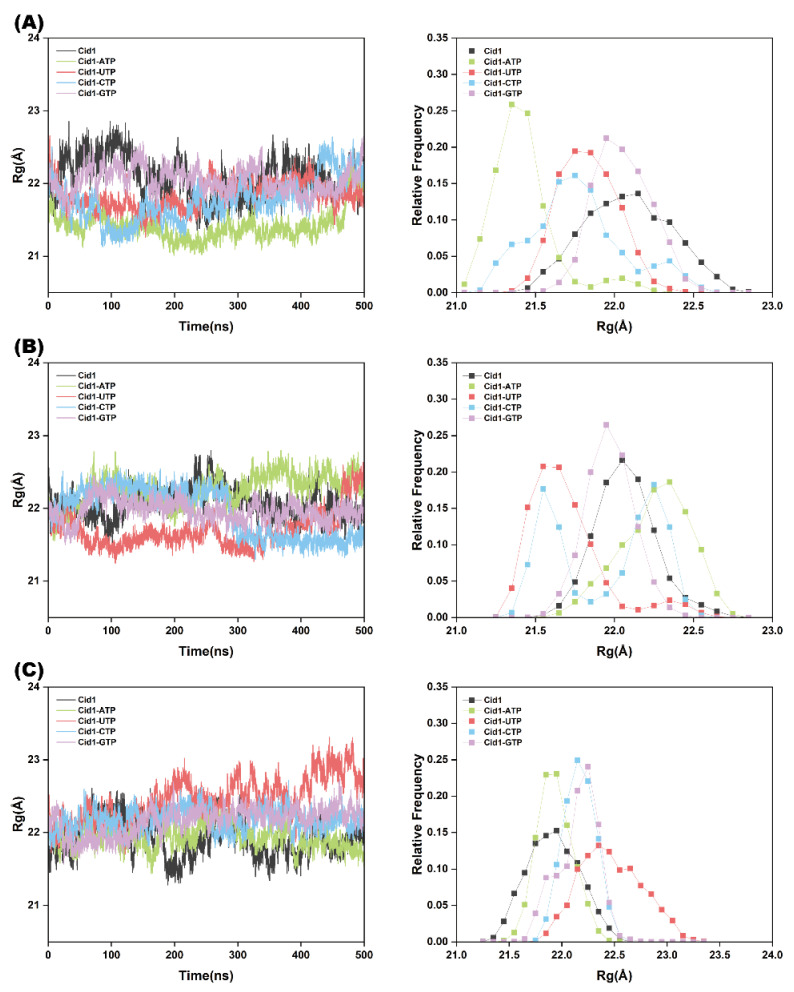 Figure 3
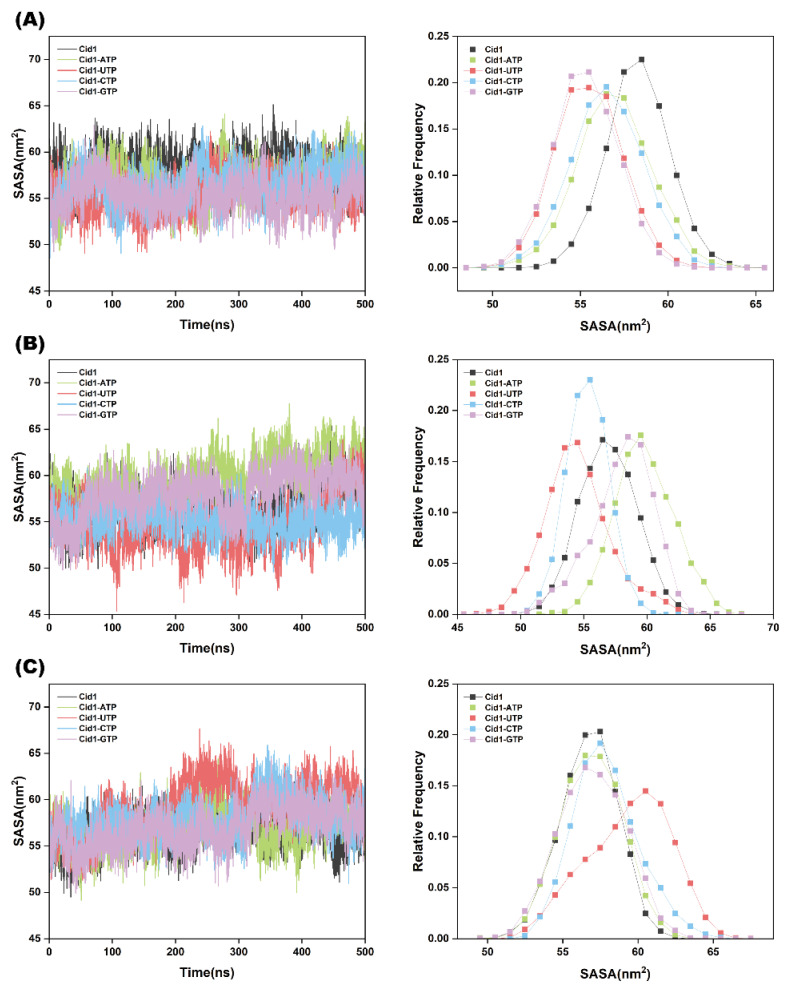 Figure 4
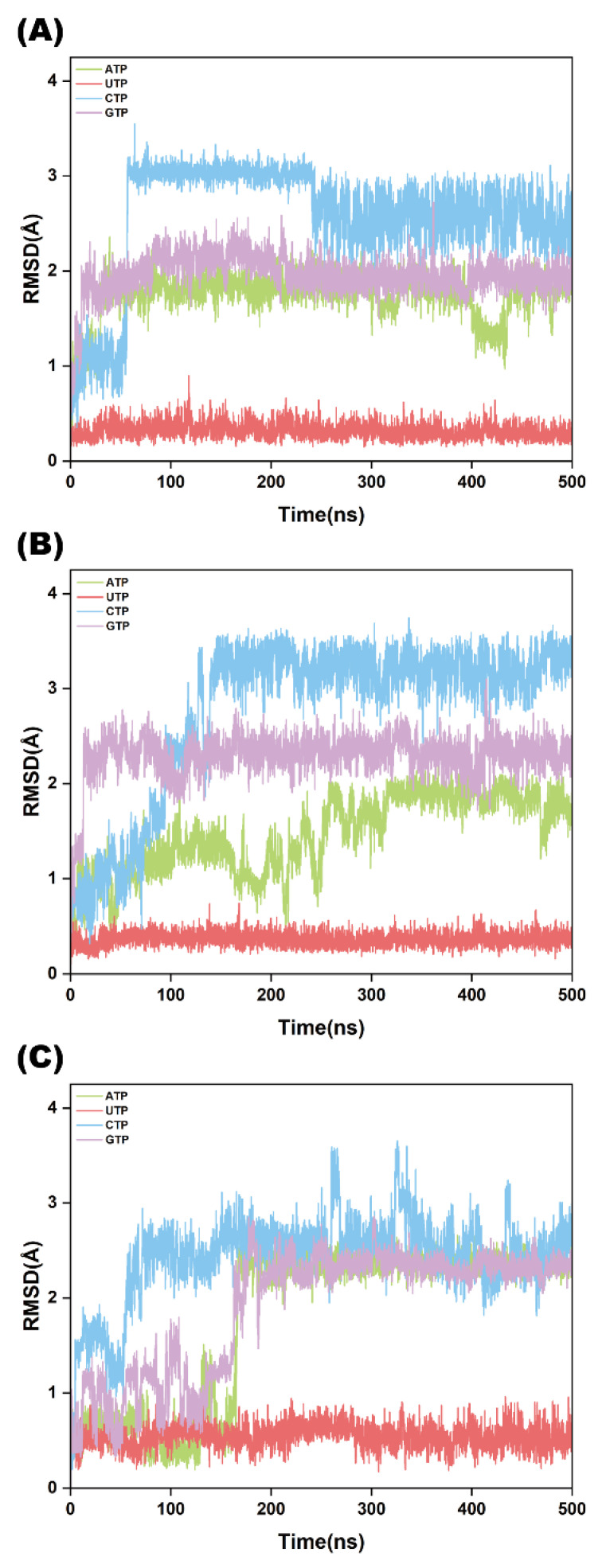 Figure 5
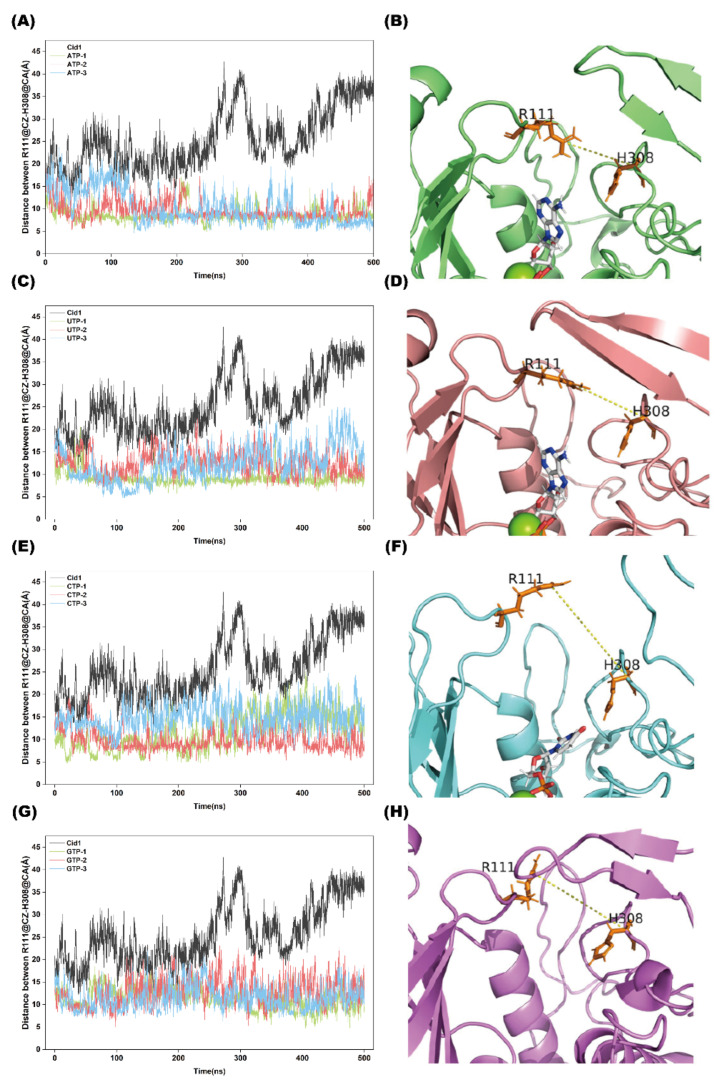 Figure 6
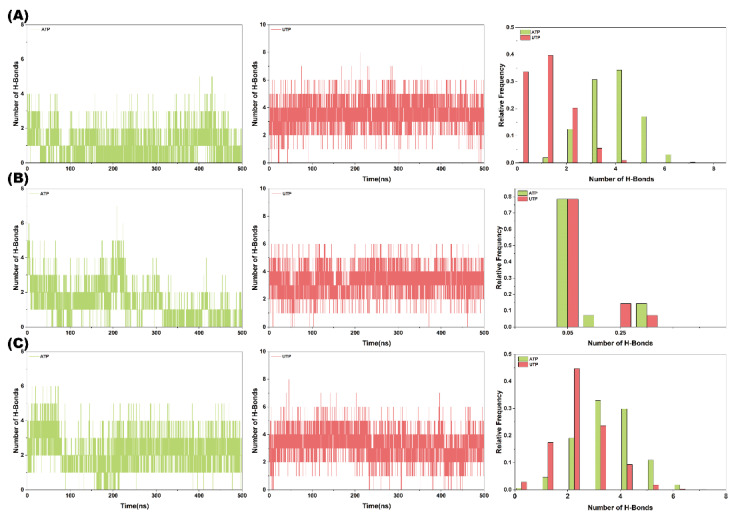 Figure 7
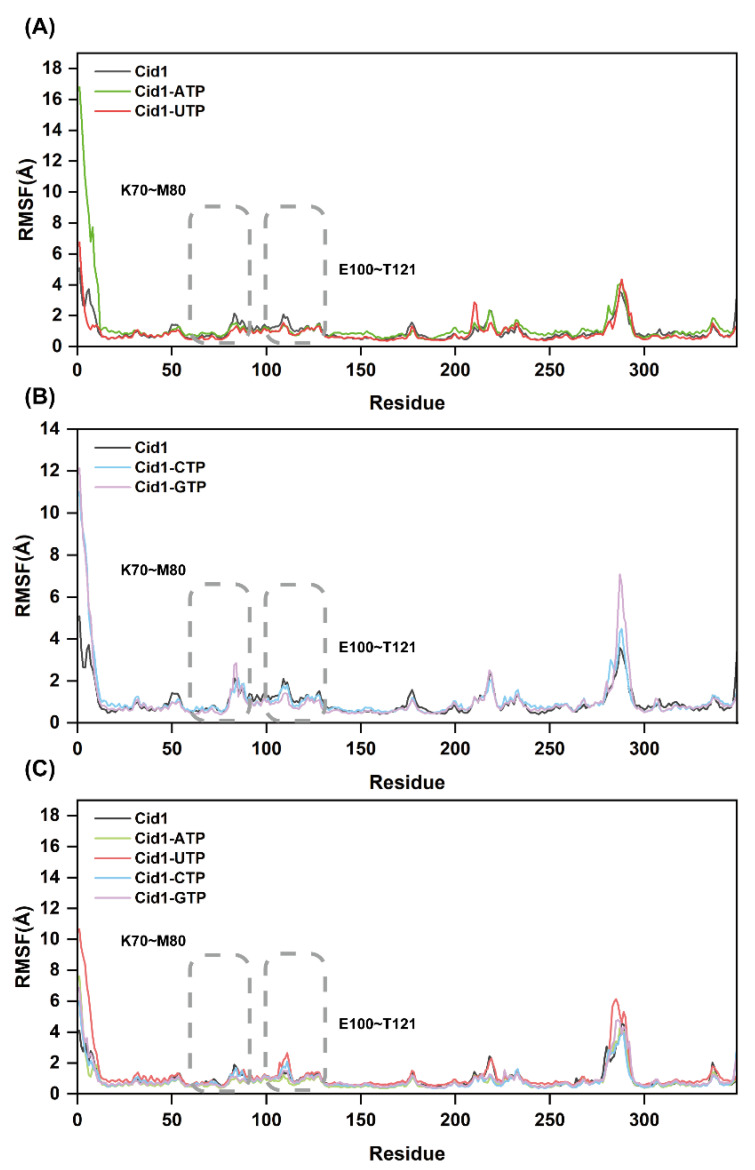 Figure 8
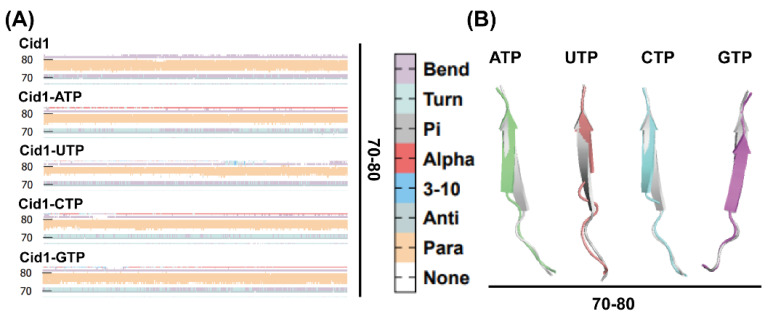 Figure 9
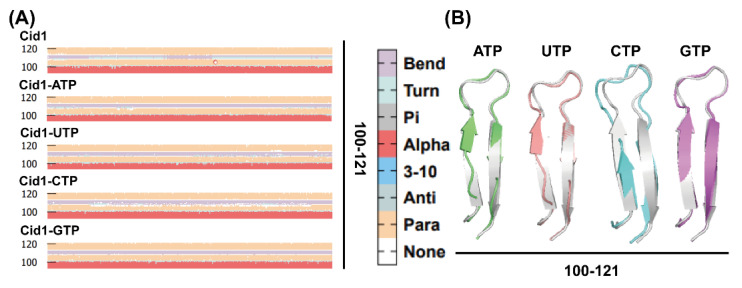 Figure 10
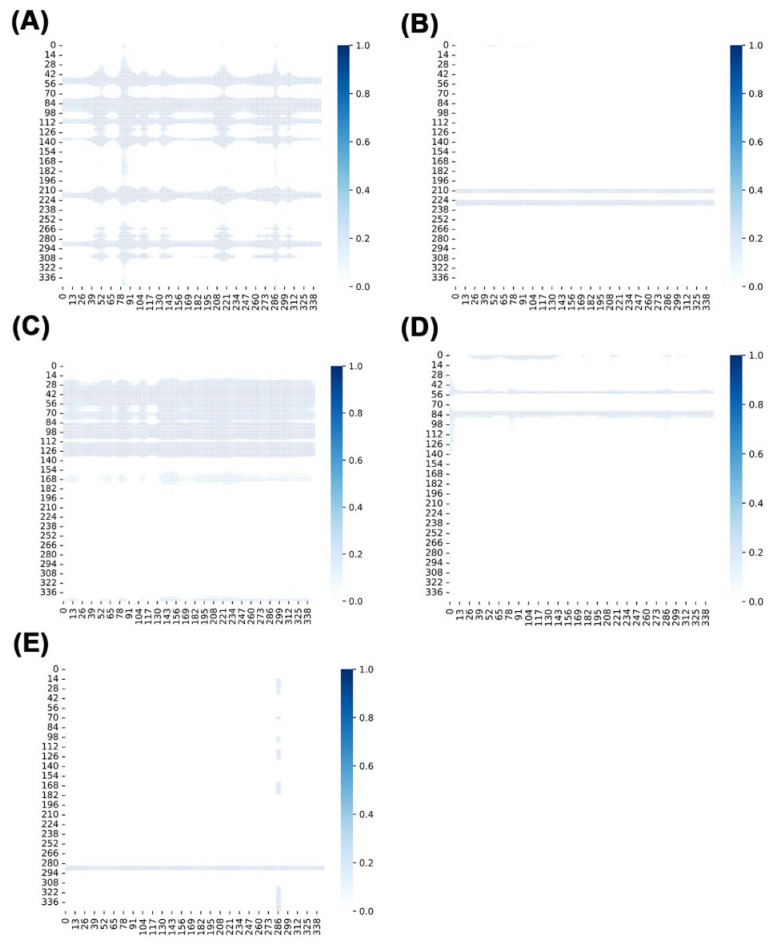 Figure 11
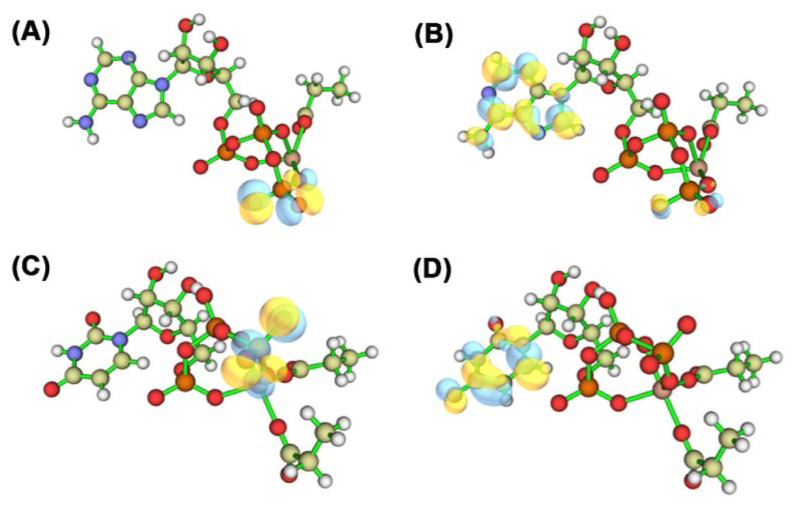 Figure 12
Peer Reviews
No public reviews on file for this paper yet. If you reviewed it on a platform where reviews are public (OpenReview, ICLR, NeurIPS, ICML), you can paste yours below so the community can read it here.
Videos
No videos yet. Explain this paper in a talk, walkthrough, or lecture? Add one.
Taxonomy
TopicsDNA and Nucleic Acid Chemistry · DNA Repair Mechanisms · Enzyme Structure and Function