Selective Inactivation Strategies for Vegetable Raw Materials: Regulating Microbial Communities to Ensure the Safety and Quality of Fermented Vegetables
Lin Zhu, Mengke Cheng, Cuicui Xu, Rong Wang, Meng Zhang, Yufei Tao, Shanshan Qi, Wei Wei

TL;DR
This paper reviews selective methods to control harmful microbes in fermented vegetables without harming beneficial ones, preserving taste and quality.
Contribution
The paper introduces a framework for using selective inactivation technologies to manage microbial communities in fermented vegetables.
Findings
Selective inactivation methods like cold plasma and natural essential oils target pathogens without harming beneficial microbes.
Optimized antimicrobial technologies preserve the sensory and nutritional qualities of fermented vegetables.
These strategies maintain indigenous fermentative microbiota crucial for regional flavor characteristics.
Abstract
Fermented vegetables, which are valued for their distinctive organoleptic properties and nutritional profile, are susceptible to quality deterioration during processing and storage because microorganisms inhabit vegetable raw materials. The metabolic processes of these microorganisms may induce texture degradation, chromatic alterations, flavor diminution, and spoilage. Conventional inactivation methods employing thermal sterilization or chemical preservatives achieve microbial control through nonselective inactivation, inevitably compromising the regional sensory characteristics conferred by indigenous fermentative microbiota. Recent advances in existing antimicrobial technologies offer promising alternatives for selective microbial management in fermented vegetable matrices. Existing modalities, including cold plasma, electromagnetic wave-based inactivation (e.g., photodynamic…
Genes, proteins, chemicals, diseases, species, mutations and cell lines named across the full text — each resolved to its canonical identifier and authoritative record.
Click any figure to enlarge with its caption.
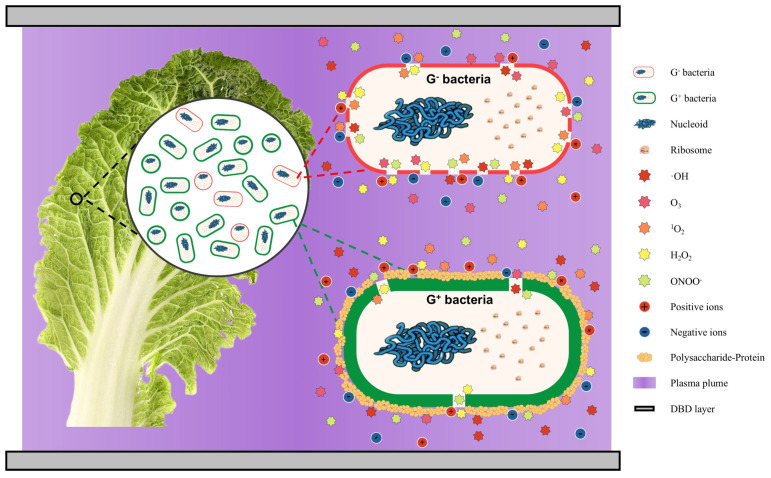 Figure 1
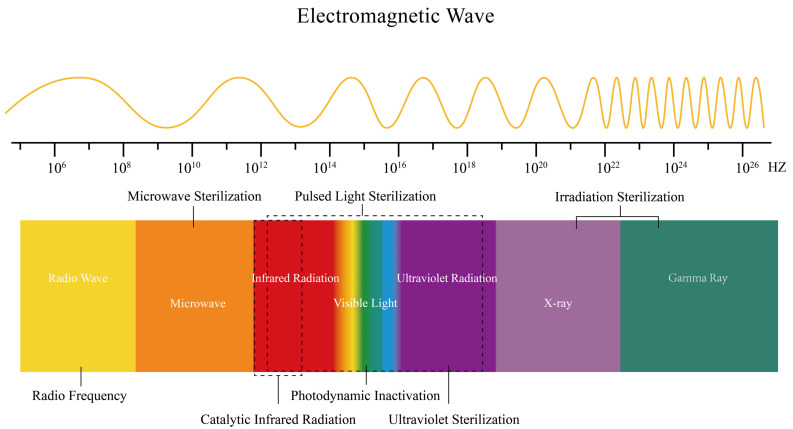 Figure 2
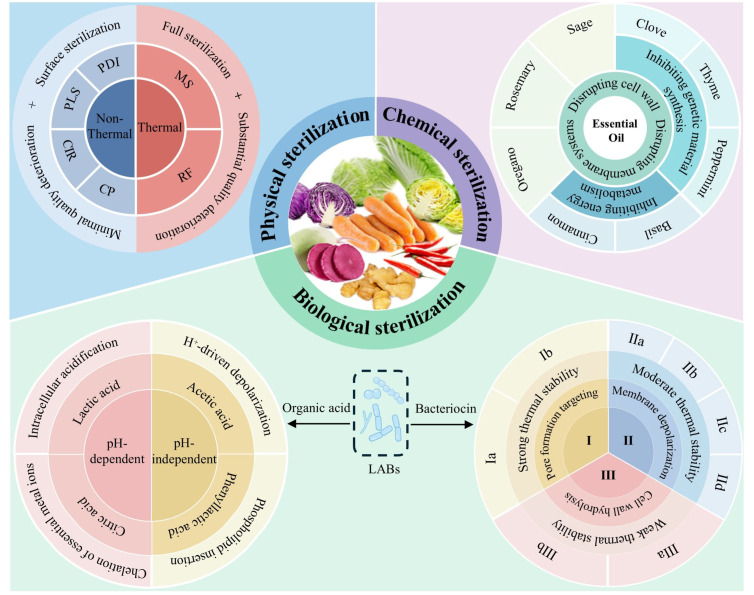 Figure 3
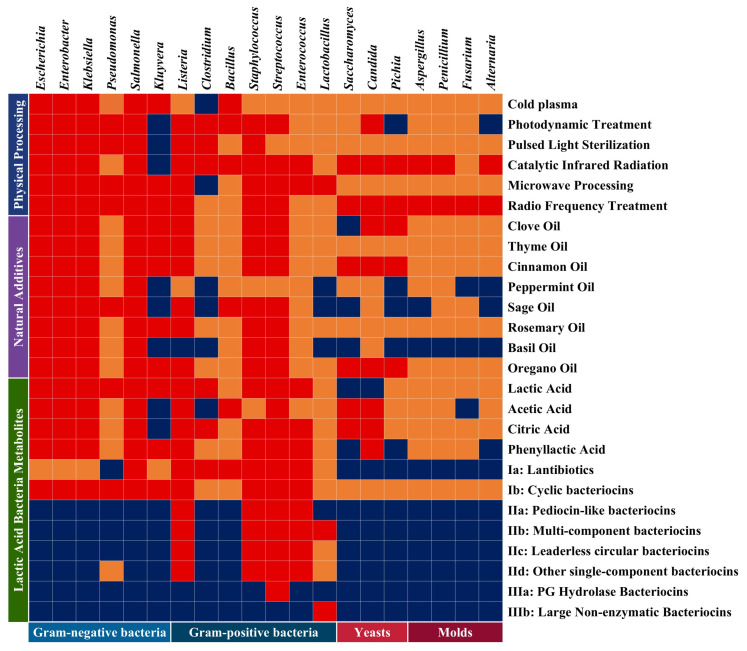 Figure 4
Peer Reviews
No public reviews on file for this paper yet. If you reviewed it on a platform where reviews are public (OpenReview, ICLR, NeurIPS, ICML), you can paste yours below so the community can read it here.
Videos
No videos yet. Explain this paper in a talk, walkthrough, or lecture? Add one.
Taxonomy
TopicsMicrobial Inactivation Methods · Advanced Chemical Sensor Technologies · Listeria monocytogenes in Food Safety