Reactivation of Human X-Linked Gene and Stable X-Chromosome Inactivation Observed in Generation and Differentiation of iPSCs from a Female Patient with HNRNPH2 Mutation
Guibin Chen, Alexander Rodriguez-Lopez, Darawalee Wangsa, Richa Madan Lomash, Xiuli Huang, Catherine Z. Chen, Rodney A. Bowling, Neda Ghousifam, Courtney J. Banks, Kerstin A. Hurd, Jizhong Zou, Wei Zheng

TL;DR
This study shows how X-chromosome inactivation behaves in stem cells from a female patient with an X-linked disorder, offering insights for disease modeling.
Contribution
The study reveals stable XCI patterns during iPSC reprogramming and differentiation in a patient with an HNRNPH2 mutation.
Findings
12 iPSC clones showed either mutant or wild-type HNRNPH2 allele expression due to XCR and random XCI.
XCI patterns remained stable during long-term iPSC propagation and differentiation into germ layers and neural stem cells.
Findings highlight the importance of clone selection for accurate disease modeling in X-linked disorders.
Abstract
X chromosome inactivation (XCI) is a fundamental epigenetic process that balances X-linked gene expression between females and males by silencing one X chromosome in female cells. Variability or skewing of XCI can influence the clinical presentation of X-linked disorders. Bain type X-linked intellectual disability syndrome (MRXSB), caused by mutations in the X-linked HNRNPH2 gene, is characterized by intellectual disability, developmental delay, and neurological abnormalities. In female patients, XCI heterogeneity complicates disease modeling and therapeutic development. Induced pluripotent stem cells (iPSCs) offer a unique platform to study patient-specific disease mechanisms, but the dynamics of XCI during iPSC reprogramming, maintenance, and differentiation are not fully understood. In this study, we generated 12 iPSC clones from fibroblasts of a female MRXSB patient heterozygous for…
Genes, proteins, chemicals, diseases, species, mutations and cell lines named across the full text — each resolved to its canonical identifier and authoritative record.
Click any figure to enlarge with its caption.
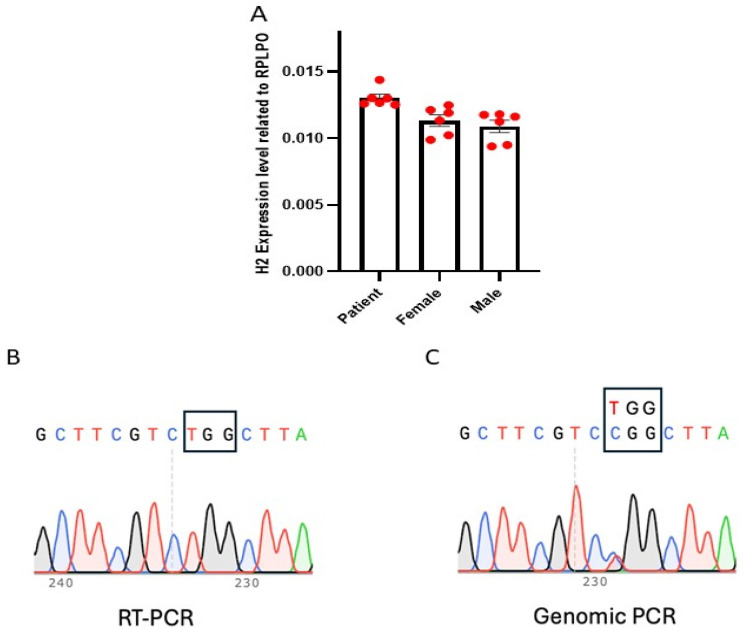 Figure 1
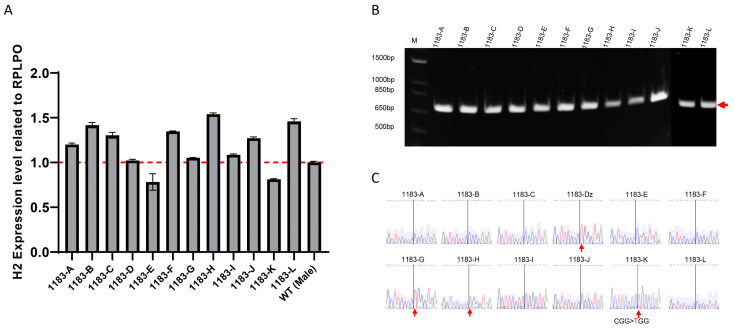 Figure 2
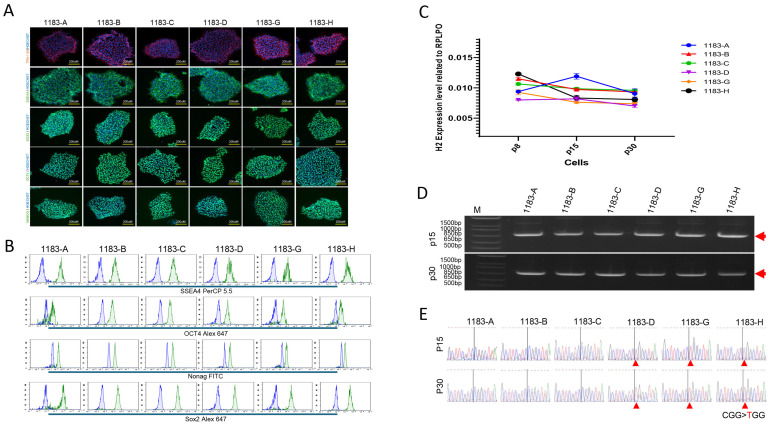 Figure 3
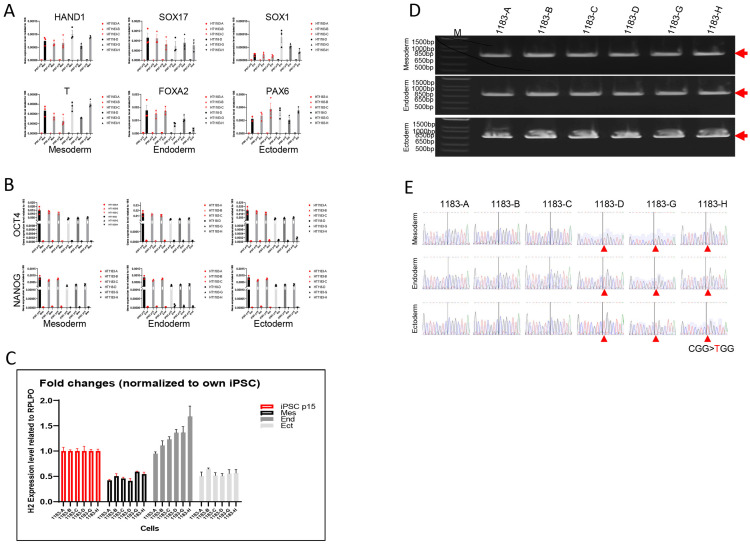 Figure 4
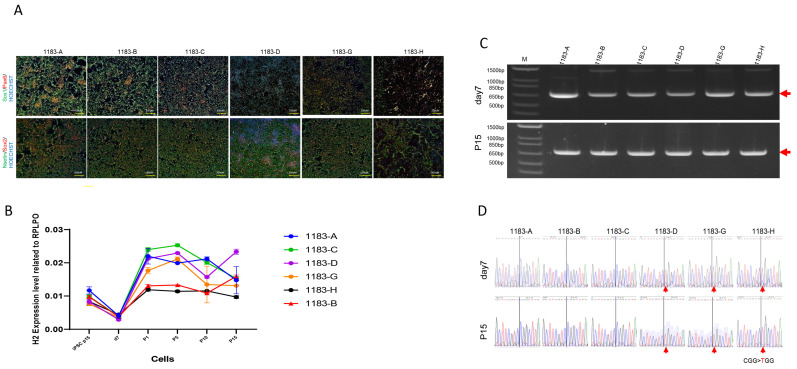 Figure 5
Peer Reviews
No public reviews on file for this paper yet. If you reviewed it on a platform where reviews are public (OpenReview, ICLR, NeurIPS, ICML), you can paste yours below so the community can read it here.
Videos
No videos yet. Explain this paper in a talk, walkthrough, or lecture? Add one.
Taxonomy
TopicsGenetics and Neurodevelopmental Disorders · CRISPR and Genetic Engineering · Congenital heart defects research