Cytokine Expression and Haptoglobin Levels in Bovine Fetuses Spontaneously Aborted by Intracellular Infectious Agents and by Probable Infectious Etiology
Emiliano Sosa, Natalia Pla, Dadin Prando Moore, Juan Agustín García, Lucía María Campero, María Andrea Fiorentino, Evangelina Miqueo, Erika González Altamiranda, Fermín Lázaro, Karen Morán, María Guillermina Bilbao, Silvina Quintana, Maia Solange Marín, Germán José Cantón

TL;DR
This study explores immune responses in bovine fetuses aborted by intracellular pathogens, revealing gestation-dependent immune shifts that could improve abortion diagnosis in cattle.
Contribution
The study identifies gestational age-dependent immune modulation in bovine fetuses aborted by intracellular agents, offering new diagnostic insights.
Findings
Mid-gestation fetuses infected with intracellular agents showed elevated IFN-γ and IL-8, indicating a Th1-type immune response.
Late-gestation fetuses exhibited decreased IFN-γ and IL-8, suggesting a shift toward a Th2-type response.
Fetuses with probable infectious abortions also showed downregulation of IFN-γ in late gestation.
Abstract
Cattle abortions pose a serious challenge to livestock health and farm income, yet many cases lack a clear cause even when signs of infection are present. We examined immune activity in aborted bovine fetuses at mid and late gestation caused by three common agents that invade cells, comparing them with fetuses showing infection-like lesions without a known cause and with healthy controls. In mid-gestation losses by intracellular agents, we found a surge in proteins that drive inflammation, indicating a strong early defensive reaction. In contrast, late-pregnancy losses showed a drop in those inflammatory signals, suggesting a shift toward a more subdued immune state. Fetuses with unknown infections also showed distinct patterns. Although differences in haptoglobin levels were observed in mid-gestation fetuses aborted due to intracellular agents compared to controls, the overall…
Genes, proteins, chemicals, diseases, species, mutations and cell lines named across the full text — each resolved to its canonical identifier and authoritative record.
Click any figure to enlarge with its caption.
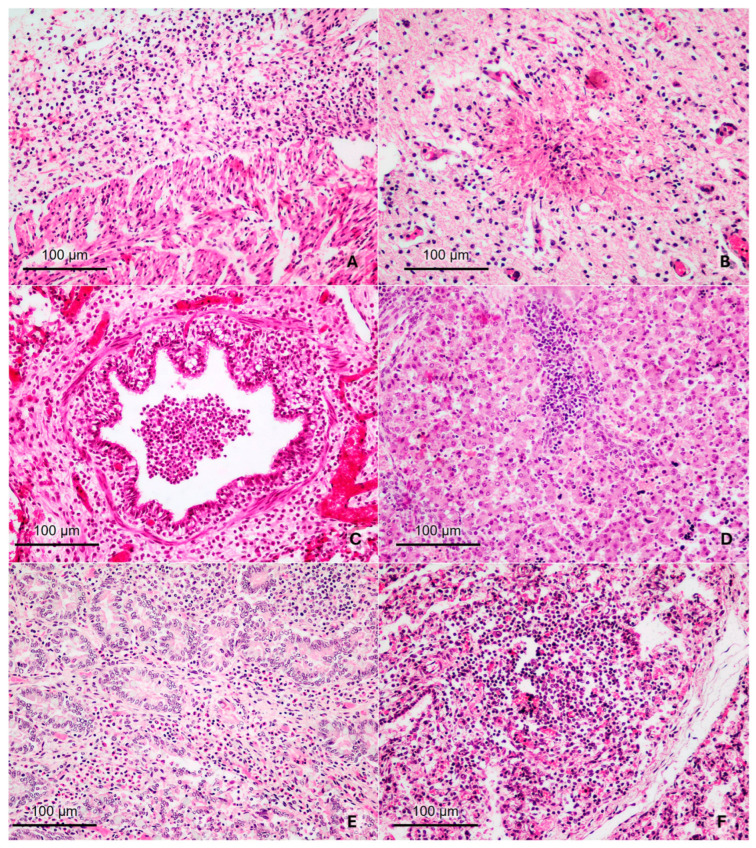 Figure 1
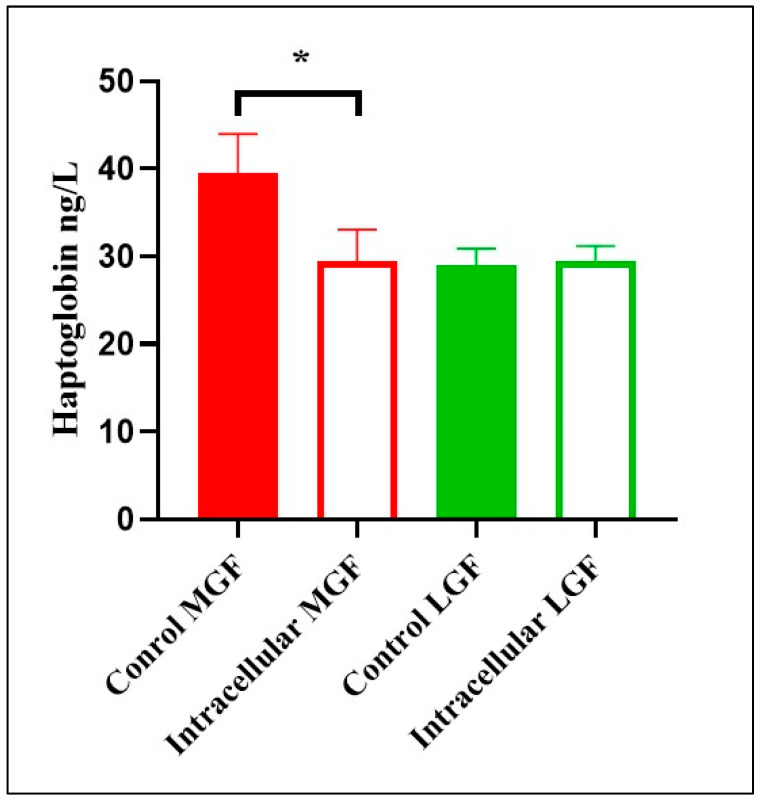 Figure 2
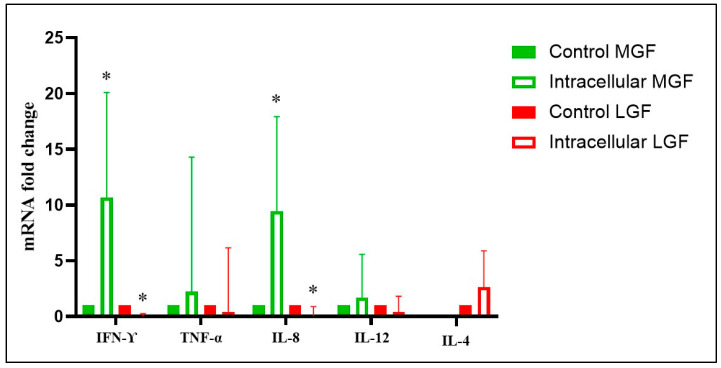 Figure 3
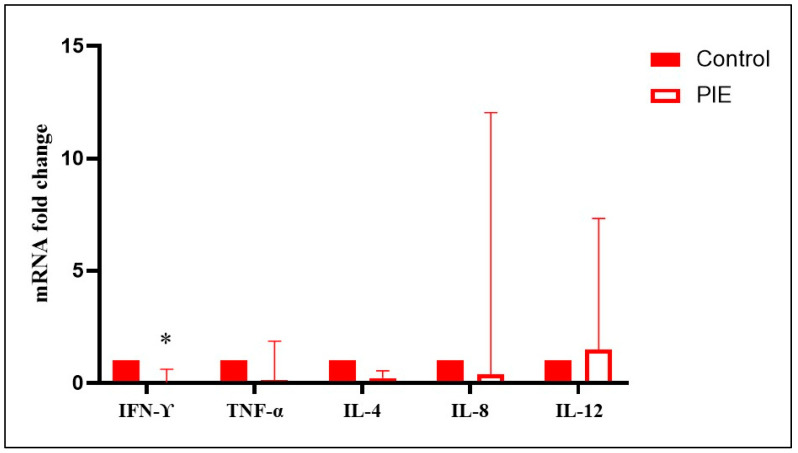 Figure 4
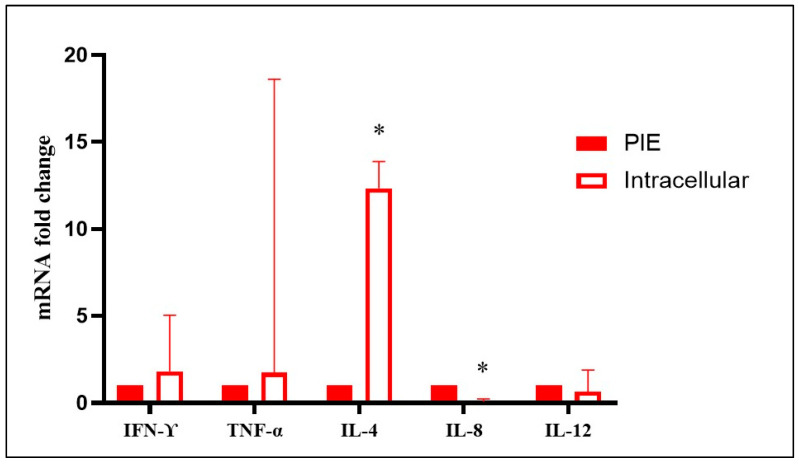 Figure 5
Peer Reviews
No public reviews on file for this paper yet. If you reviewed it on a platform where reviews are public (OpenReview, ICLR, NeurIPS, ICML), you can paste yours below so the community can read it here.
Videos
No videos yet. Explain this paper in a talk, walkthrough, or lecture? Add one.
Taxonomy
TopicsAnimal Disease Management and Epidemiology · Vector-Borne Animal Diseases · T-cell and Retrovirus Studies