Effects of Free and Conjugated Methionine on Growth, Meat Quality, Mineral Profile, and Shell Strength in Garden Snails (Cornu aspersum)
Anna Rygało-Galewska, Klara Piotrowska, Magdalena Matusiewicz, Damian Bień, Monika Łukasiewicz-Mierzejewska, Zbigniew Skibko, Andrzej Borusiewicz, Tomasz Niemiec

TL;DR
This study shows that adding methionine, especially in its conjugated form, improves snail growth, shell strength, and meat quality, which could benefit snail farming.
Contribution
The study demonstrates that Met-Met supplementation enhances snail productivity and shell resistance more effectively than free methionine.
Findings
Supplementing snail feed with 1.4 g/kg methionine increased shell weight and crushing force significantly.
Met-Met supplementation improved carcass weight and copper absorption compared to free methionine.
Methionine addition enhanced carcass mineral content, particularly calcium and phosphorus.
Abstract
This study evaluated the effects of methionine (Met) and its conjugated form (Met-Met) on the growth performance, carcass composition, mineral profile, and shell quality of Cornu aspersum snails under controlled laboratory conditions. Two experiments tested different Met inclusion levels (0.3, 0.6, and 1.4 g/kg feed) and compared free Met, Met-Met, and their mixture (1.4 g/kg feed). The highest Met dose (1.4 g/kg) significantly improved body weight, shell mass, and shell crushing force, while also increasing carcass Met content and enhancing shell mineralisation, particularly calcium. Among treatments, Met-Met supplementation yielded the greatest carcass-to-body weight ratio, the highest proportion of mature individuals, and indications of improved copper absorption and storage. These results demonstrate that methionine supplementation can enhance productivity, product quality, and…
Genes, proteins, chemicals, diseases, species, mutations and cell lines named across the full text — each resolved to its canonical identifier and authoritative record.
Click any figure to enlarge with its caption.
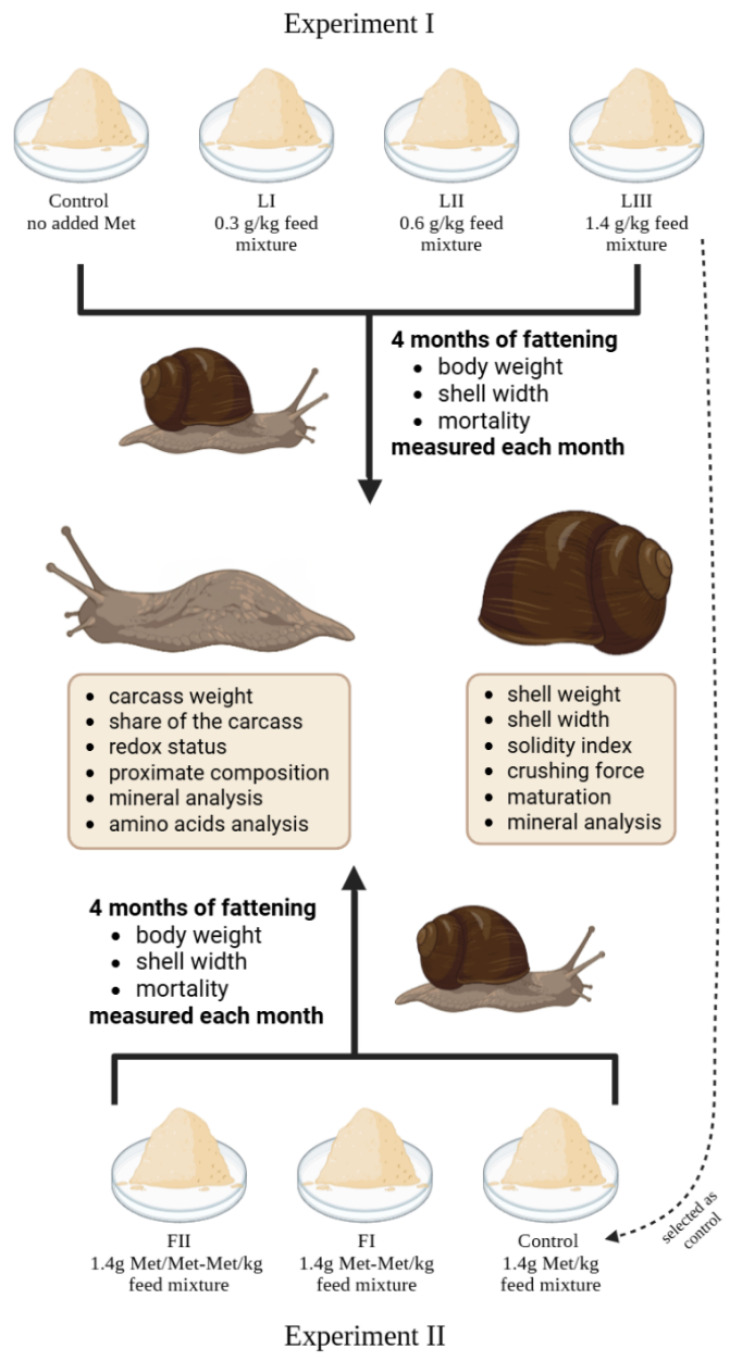 Figure 1
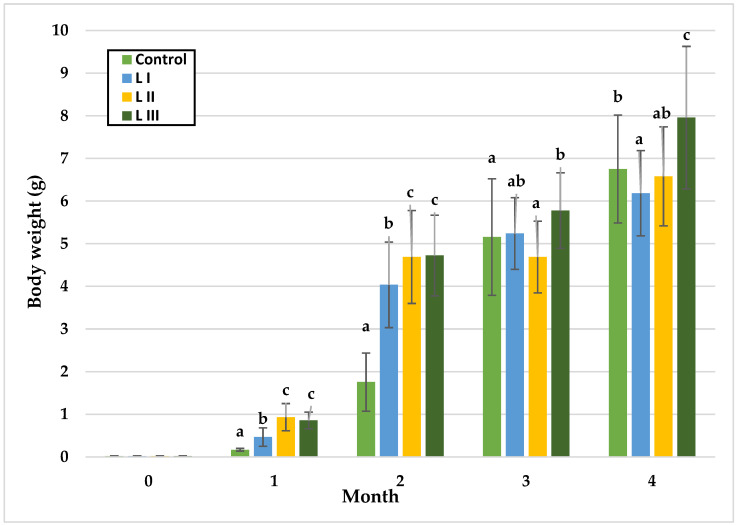 Figure 2
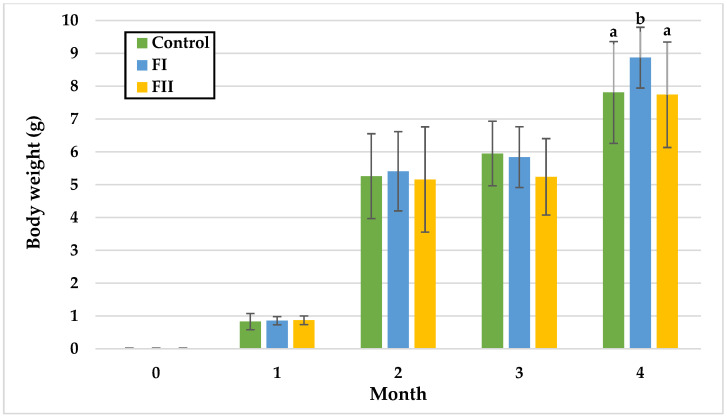 Figure 3
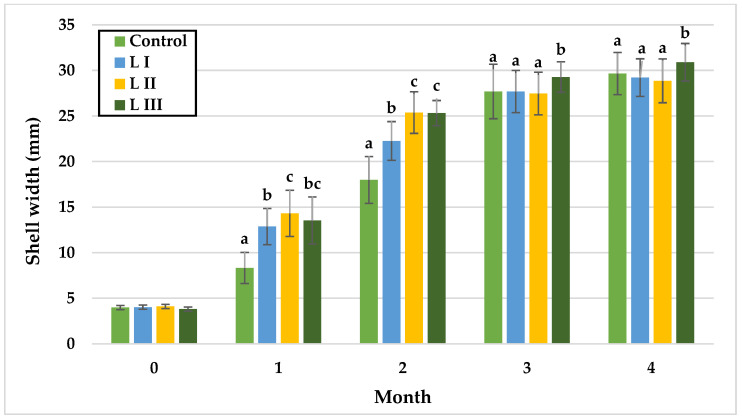 Figure 4
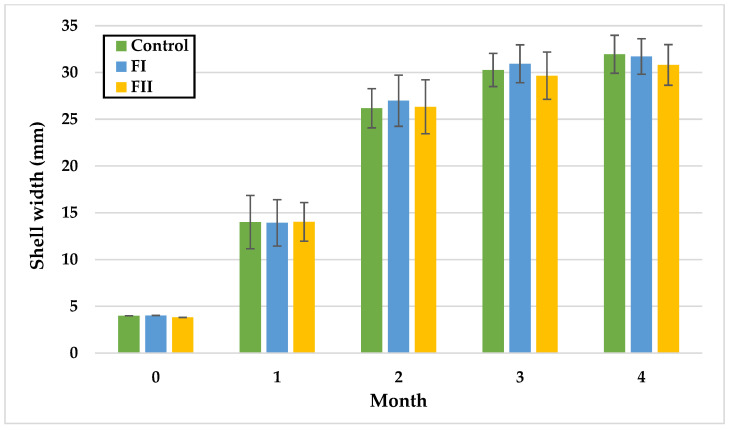 Figure 5
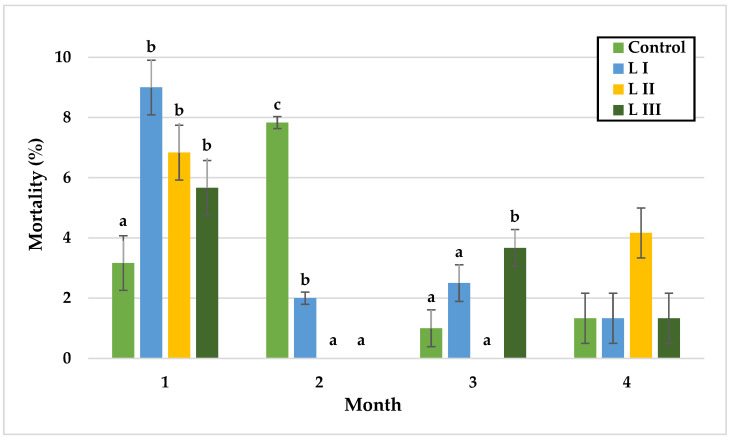 Figure 6
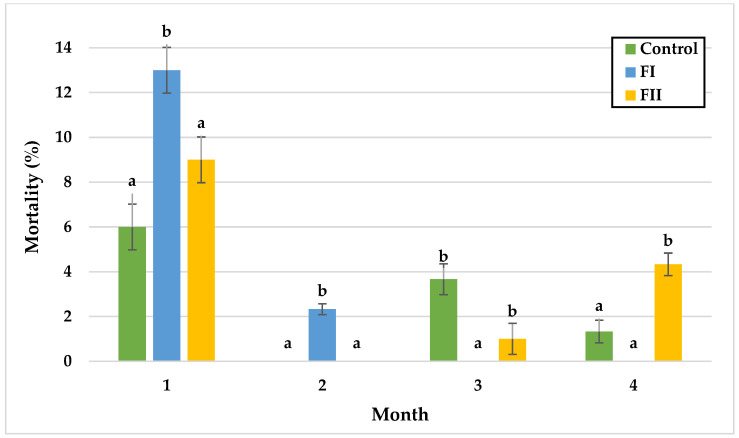 Figure 7
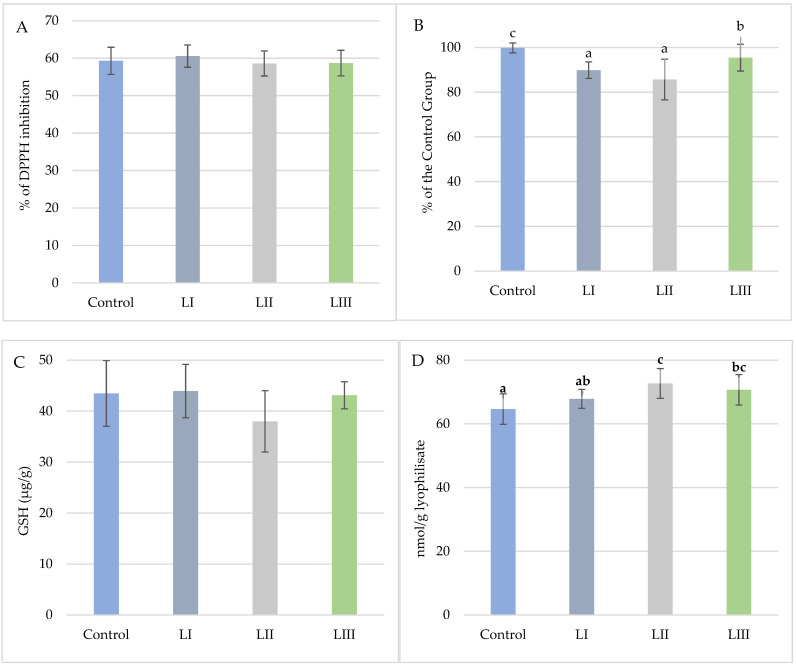 Figure 8
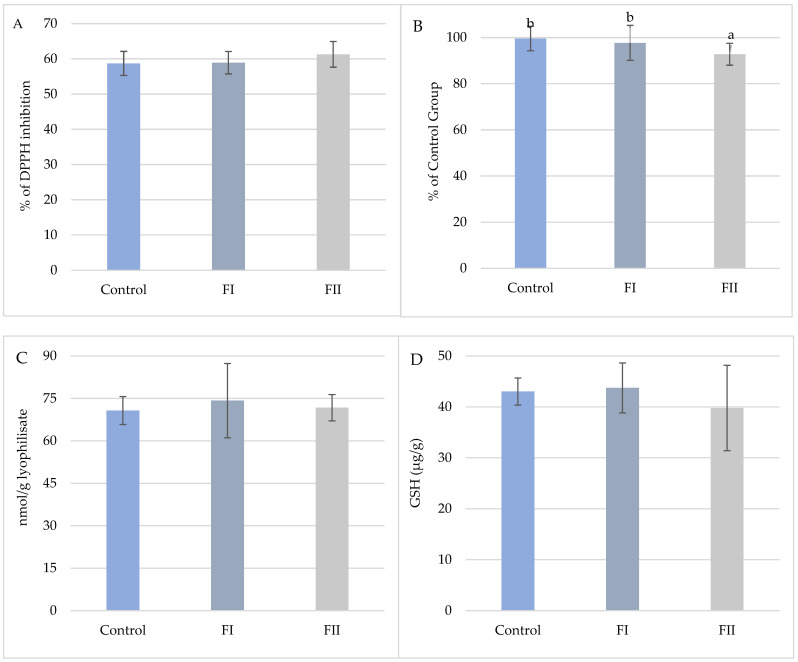 Figure 9
Peer Reviews
No public reviews on file for this paper yet. If you reviewed it on a platform where reviews are public (OpenReview, ICLR, NeurIPS, ICML), you can paste yours below so the community can read it here.
Videos
No videos yet. Explain this paper in a talk, walkthrough, or lecture? Add one.
Taxonomy
TopicsAquaculture Nutrition and Growth · Rabbits: Nutrition, Reproduction, Health · Animal Nutrition and Physiology