Molecular Mechanisms and Antioxidant Effects of Latilactobacillus sakei F1, Lacticaseibacillus paracasei D2, Lacticaseibacillus rhamnosus JL, and Weissella cibaria JLK Isolated from Spontaneously Fermented and Raw Food Products
Thilakna Ampemohotti, Christopher Spooner, Sarah Eastwood, Aida Golneshin, Charles Brennan, Christopher Pillidge, Thi Thu Hao Van

TL;DR
This study identifies four lactic acid bacteria strains with antioxidant properties that could help reduce oxidative stress and support the development of functional foods.
Contribution
The paper reveals distinct molecular antioxidant mechanisms in four LAB strains, including the presence of the catalase gene in one strain and differential gene expression patterns.
Findings
L. sakei F1 contains the catalase gene (katE), which is absent in other studied strains.
L. paracasei D2 and L. rhamnosus JL utilize NADH oxidase-peroxidase, thioredoxin, and glutathione peroxidase systems for antioxidant activity.
L. sakei F1 and W. cibaria JLK do not upregulate antioxidant-related genes under H2O2 stress.
Abstract
An imbalance of pro-oxidants and antioxidants causes oxidative stress, contributing to various chronic diseases. Lactic acid bacteria (LAB) have recognised antioxidant activities that can help reduce oxidative stress. This study isolated fifty LAB strains from various fermented foods and raw vegetable products and evaluated their radical scavenging activity using DPPH and ABTS assays. Among them, four strains Lacticaseibacillus paracasei D2, Lacticaseibacillus rhamnosus JL, Latilactobacillus sakei F1, and Weissella cibaria JLK were selected and assessed for their tolerance to hydrogen peroxide (H2O2). Antioxidant mechanisms were investigated at the molecular level. Genome analysis revealed that the catalase gene (katE) was present in L. sakei F1, while it was absent in other strains. After exposure to H2O2, expression of genes associated with various antioxidant systems in the bacterial…
Genes, proteins, chemicals, diseases, species, mutations and cell lines named across the full text — each resolved to its canonical identifier and authoritative record.
Click any figure to enlarge with its caption.
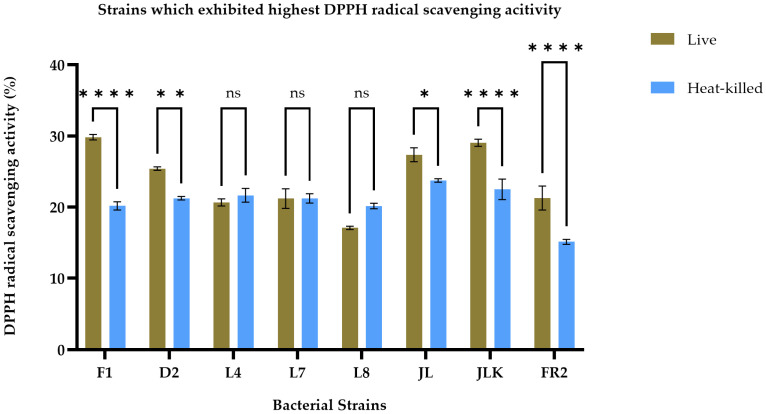 Figure 1
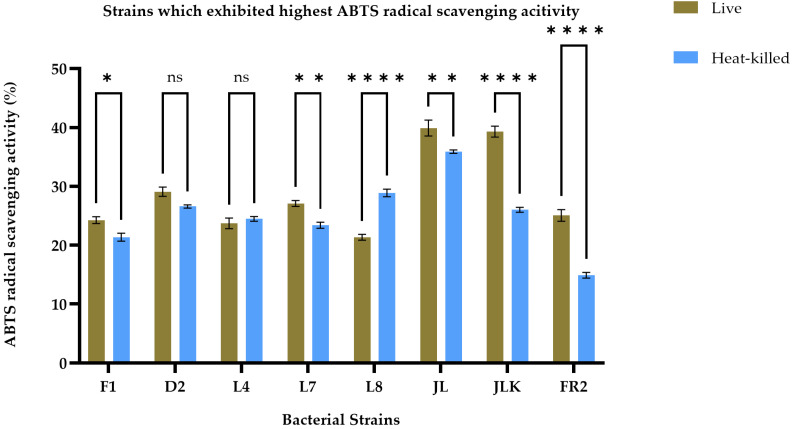 Figure 2
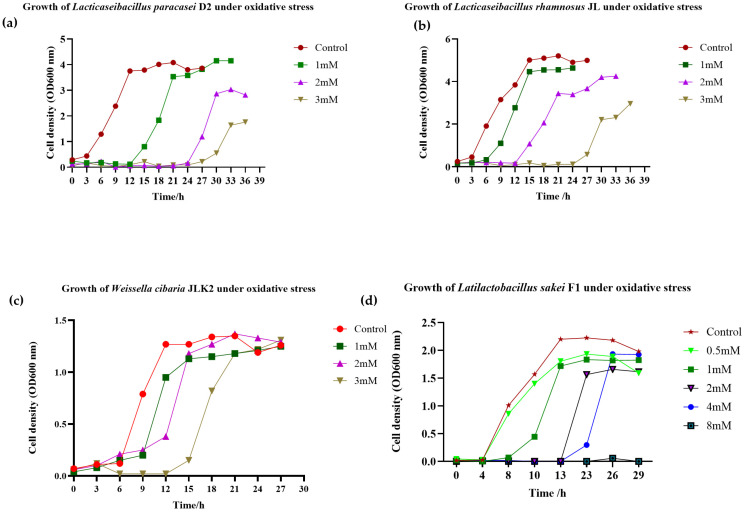 Figure 3
Peer Reviews
No public reviews on file for this paper yet. If you reviewed it on a platform where reviews are public (OpenReview, ICLR, NeurIPS, ICML), you can paste yours below so the community can read it here.
Videos
No videos yet. Explain this paper in a talk, walkthrough, or lecture? Add one.
Taxonomy
TopicsProbiotics and Fermented Foods · Protein Hydrolysis and Bioactive Peptides · Microbial Metabolism and Applications