Ultrasonographic Assessment of Caudal Vena Cava Collapsibility Index, Caudal Vena Cava-to-Aorta, and Femoral Vein-to-Artery Ratios in Healthy Sedated Adult Horses
Elisa Scala, Inge Durie, Kris Gommeren, Claude Saegerman, Gaby van Galen

TL;DR
This study explores using ultrasound to assess blood vessel measurements in sedated horses to help evaluate their fluid status, similar to techniques used in human and small animal medicine.
Contribution
The study introduces the feasibility of using transrectal and inguinal ultrasonography to assess vascular parameters in horses for the first time.
Findings
Transrectal and inguinal ultrasonography approaches are well-tolerated and feasible in horses.
Caudal vena cava collapsibility index and vein-to-artery ratios can be reliably measured with high repeatability and reproducibility.
B-mode and M-mode measurements did not differ significantly, but M-mode was inadequate for inguinal analysis.
Abstract
This is a prospective, observational pilot study conducted at a private equine referral hospital that aims to establish baseline data in adult horses for ultrasonographic evaluation of the caudal vena cava respiratory collapsibility index and large vessel vein-to-artery ratios, which are currently used in human and small animal emergency medicine to guide fluid therapy. This study showed that both transrectal and inguinal ultrasonographic approaches are well-tolerated and feasible and offers valuable insights for the future development of non-invasive tools to assess intravascular volume status and fluid responsiveness in horses. (1) Background: Ultrasonography of major vessels helps evaluate fluid status and responsiveness in critical human and canine patients. Aims: transrectal and inguinal ultrasonography of caudal vena cava (CVC), aorta (Ao), and femoral artery (FA) and vein (FV)…
Genes, proteins, chemicals, diseases, species, mutations and cell lines named across the full text — each resolved to its canonical identifier and authoritative record.
Click any figure to enlarge with its caption.
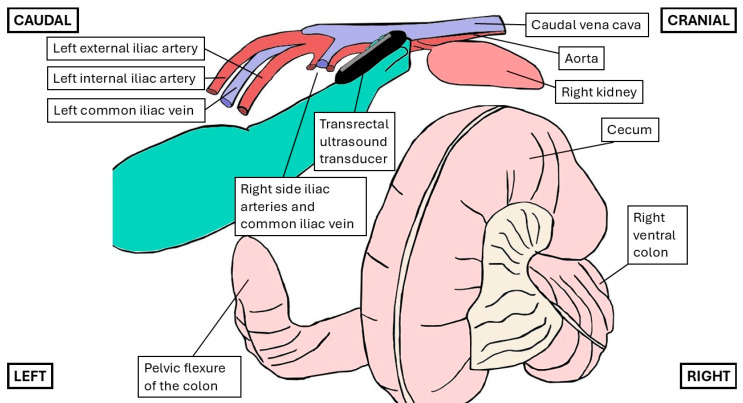 Figure 1
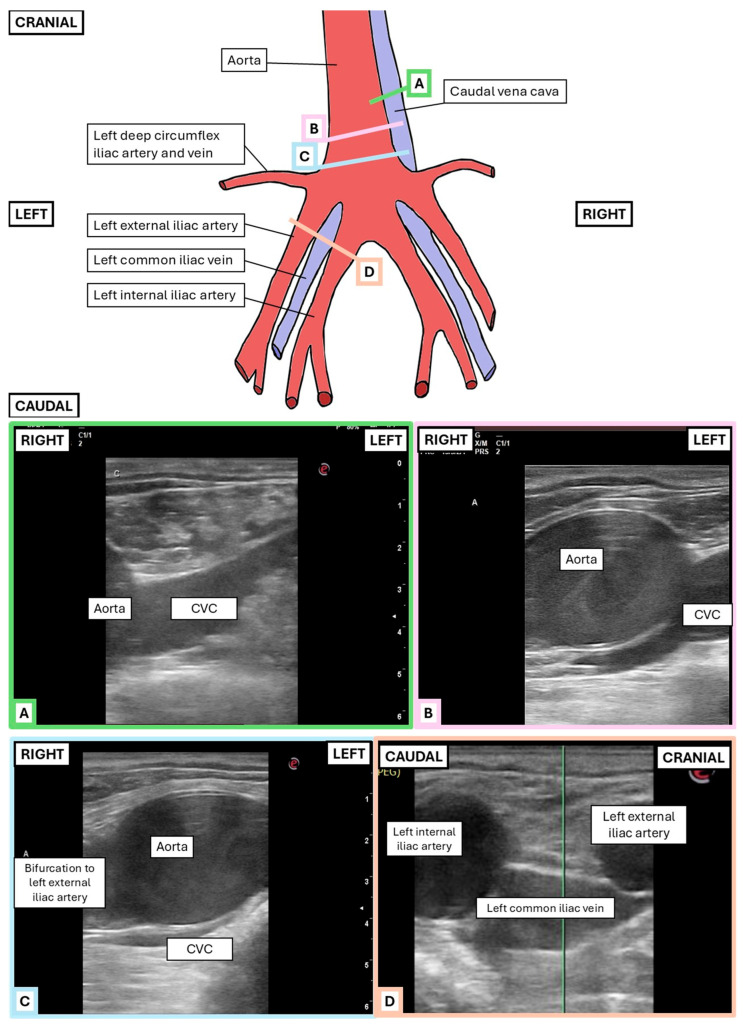 Figure 2
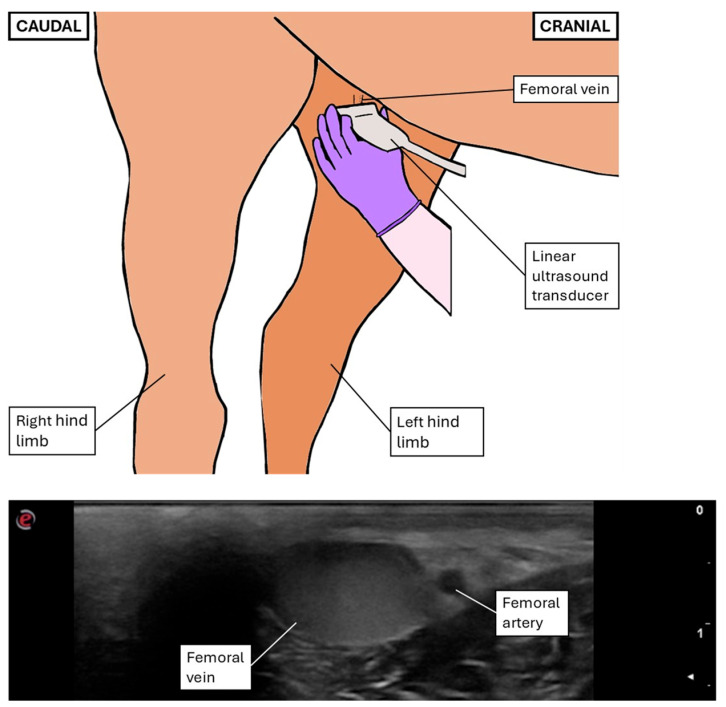 Figure 3
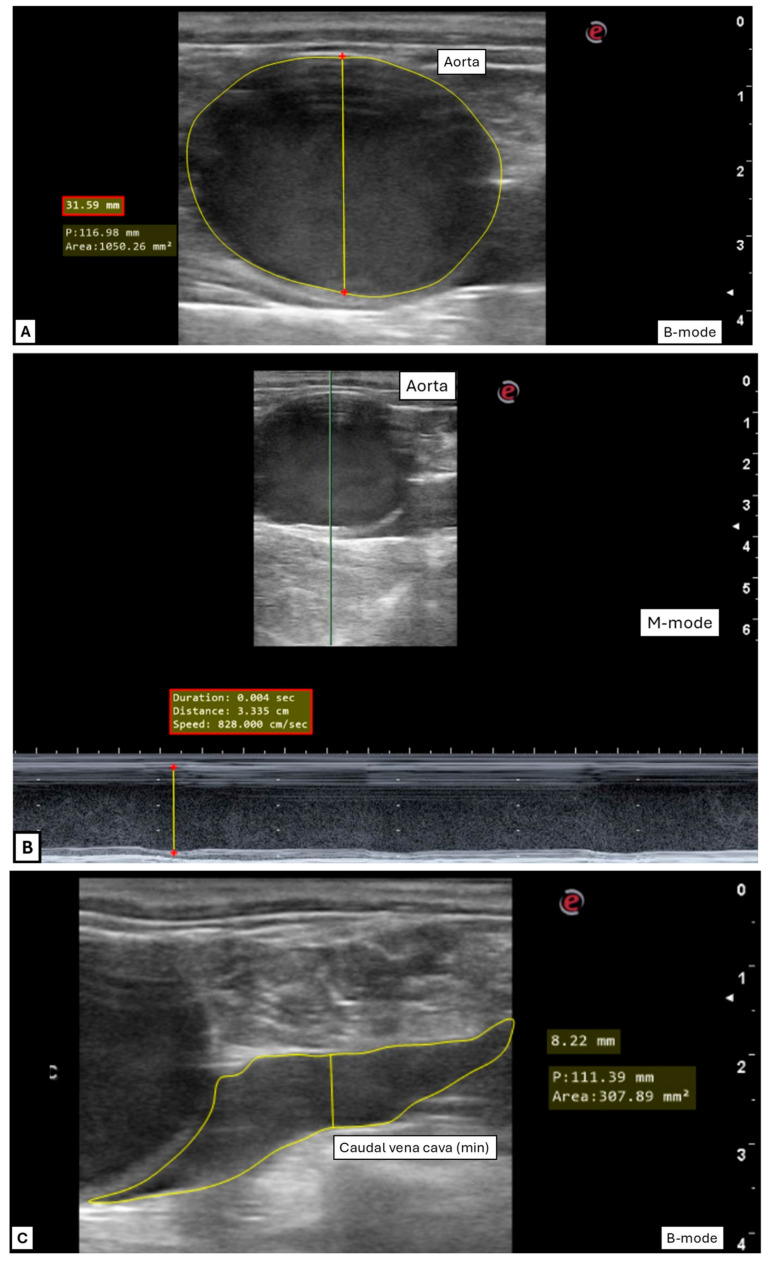 Figure 4
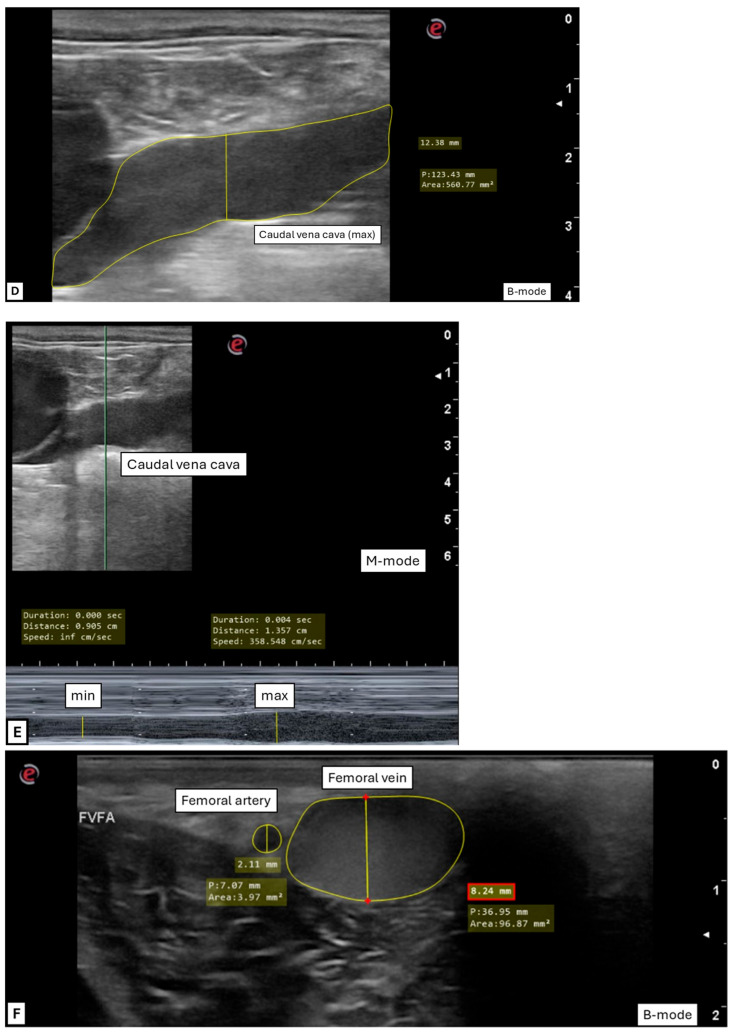 Figure 5
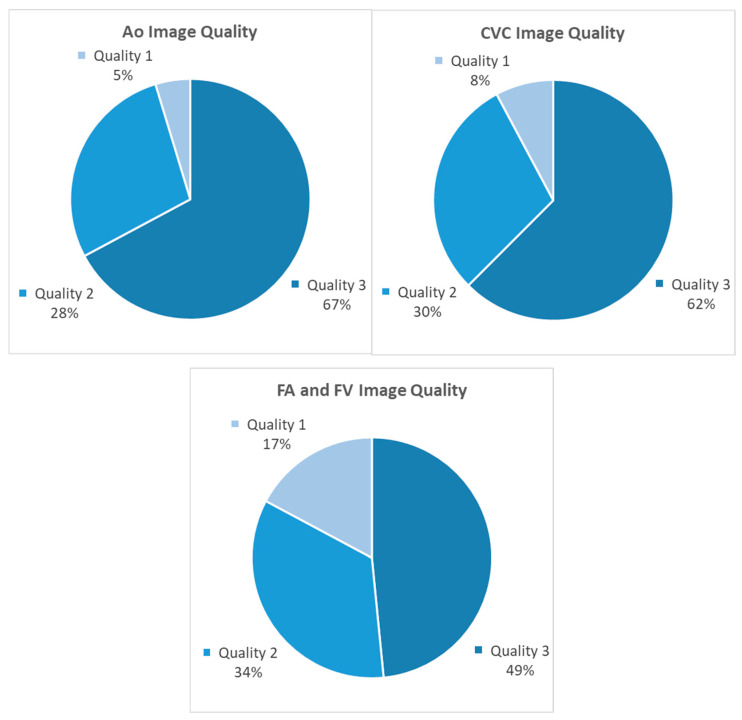 Figure 6
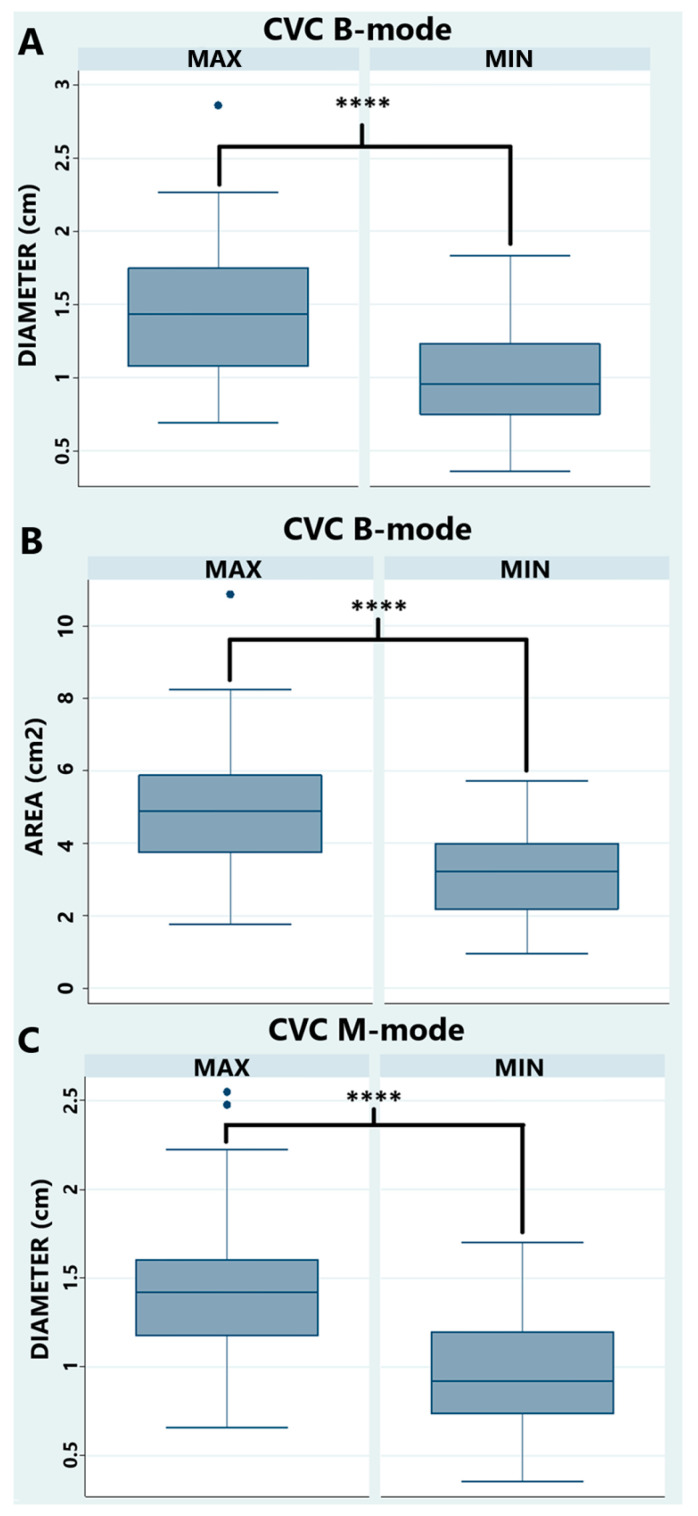 Figure 7
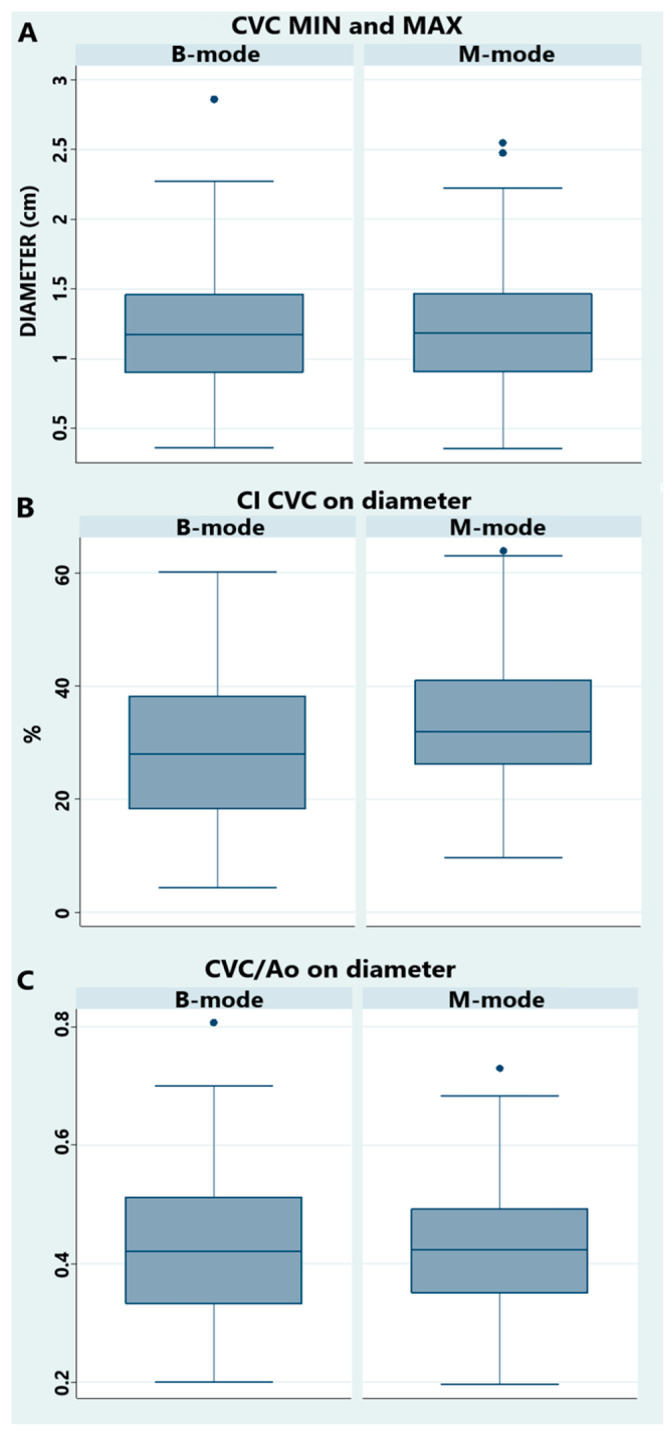 Figure 8
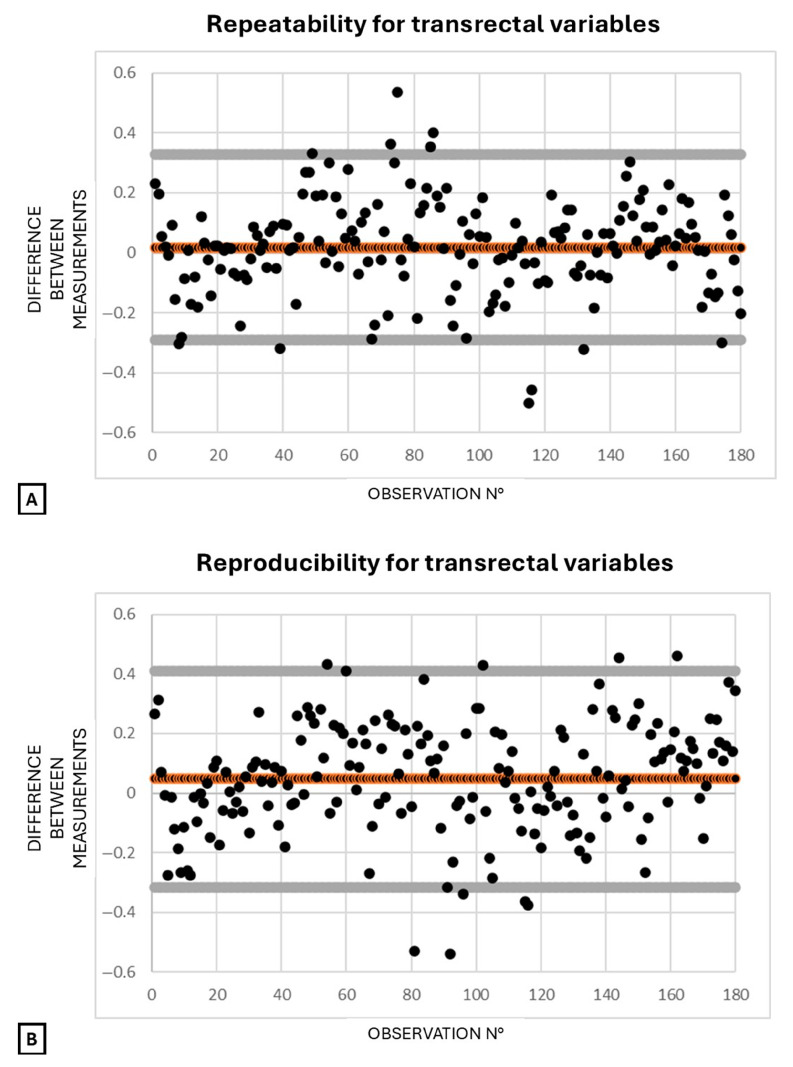 Figure 9
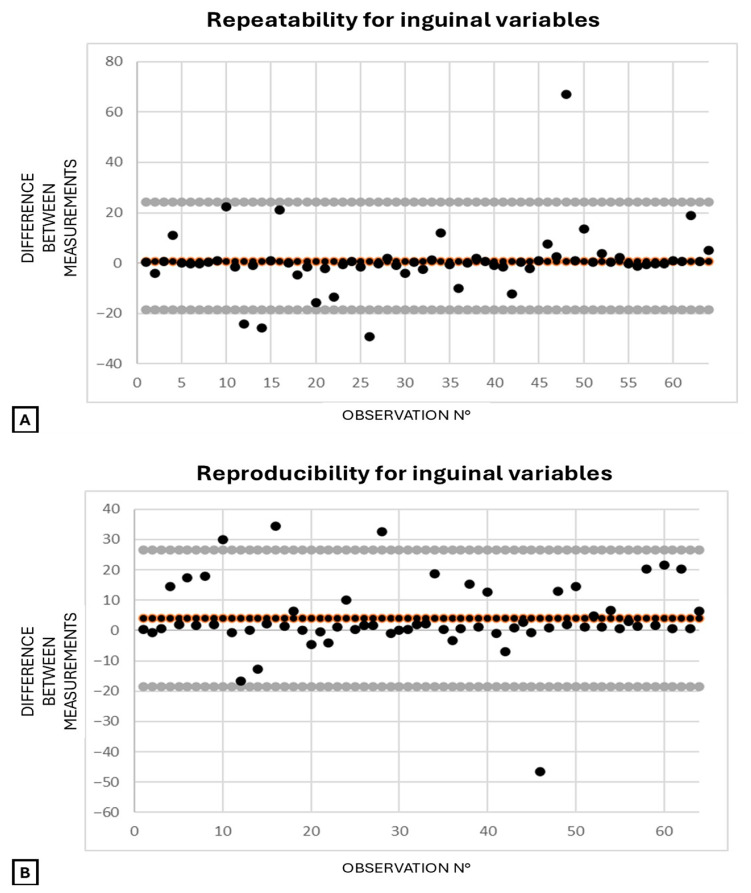 Figure 10
Peer Reviews
No public reviews on file for this paper yet. If you reviewed it on a platform where reviews are public (OpenReview, ICLR, NeurIPS, ICML), you can paste yours below so the community can read it here.
Videos
No videos yet. Explain this paper in a talk, walkthrough, or lecture? Add one.
Taxonomy
TopicsHemodynamic Monitoring and Therapy · Venous Thromboembolism Diagnosis and Management · Veterinary Equine Medical Research