Features of the Liver Microstructural Organization of the Bactrian Camel
Lyalya Musina, Anna Lebedeva, Ludmila Drozdova, Alexey Prusakov, Vladimir Ponamarev

TL;DR
This study reveals unique liver cell structures in Bactrian camels that help them survive in harsh desert environments by storing fat and toxins.
Contribution
The paper identifies specific ultrastructural adaptations in Bactrian camel hepatocytes related to lipid storage and detoxification.
Findings
Bactrian camel hepatocytes are significantly larger (25–30 µm) compared to other mammals.
Hepatocytes contain fewer medium-sized lipid droplets (12–15% of cells) and have high densities of Kupffer and Ito cells.
These adaptations suggest enhanced fat storage and detoxification capabilities for desert survival.
Abstract
Camels exhibit remarkable physiological adaptations that enable them to survive in harsh, resource-limited environments. A key factor in this resilience is their unique fat metabolism, which has a profound influence on the structure and function of their internal organs. This study specifically investigated the liver of the Bactrian camel. Through detailed electron microscopic analysis of liver tissue samples, researchers discovered several distinctive features. Unlike the livers of many other mammals, the camel liver possesses exceptionally large hepatocytes (25–30 µm). It may be related to the need to store metabolites and water. A further significant finding was the presence of fewer (registered in 12–15% of all hepatocytes), medium-sized (0.5–2 µm) lipid droplets in the hepatocytes, compared to the other species. Large numbers (for Kupffer cells, 15–20 cells per 10,000 µm2) and…
Genes, proteins, chemicals, diseases, species, mutations and cell lines named across the full text — each resolved to its canonical identifier and authoritative record.
Click any figure to enlarge with its caption.
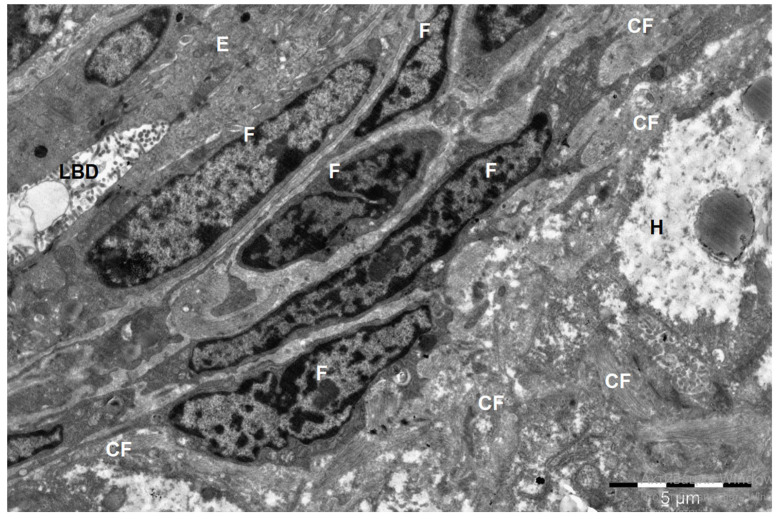 Figure 1
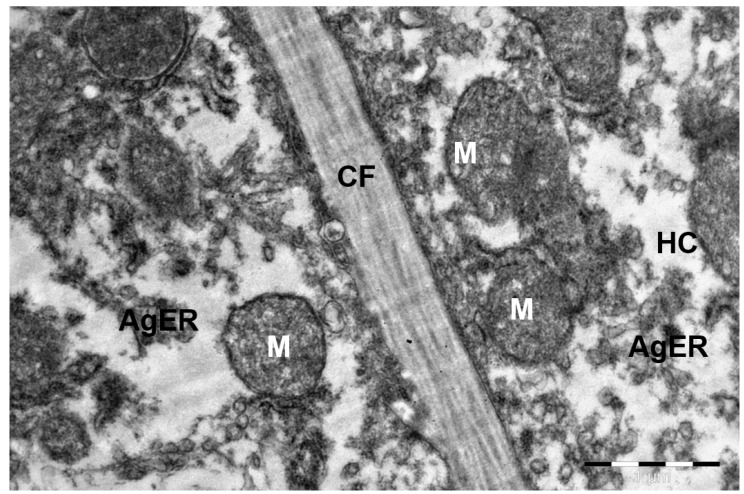 Figure 2
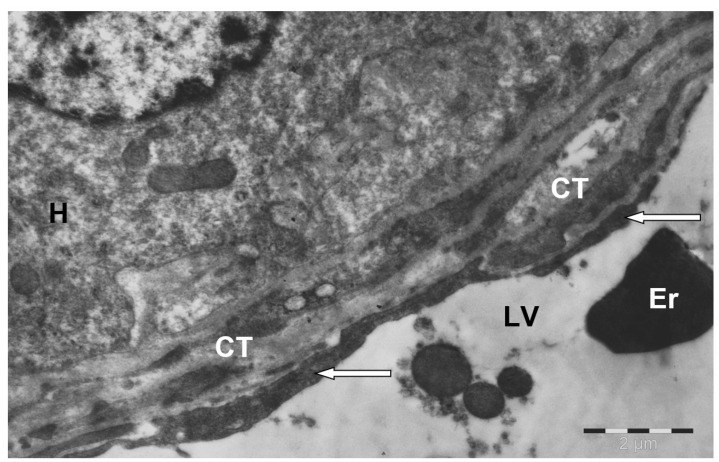 Figure 3
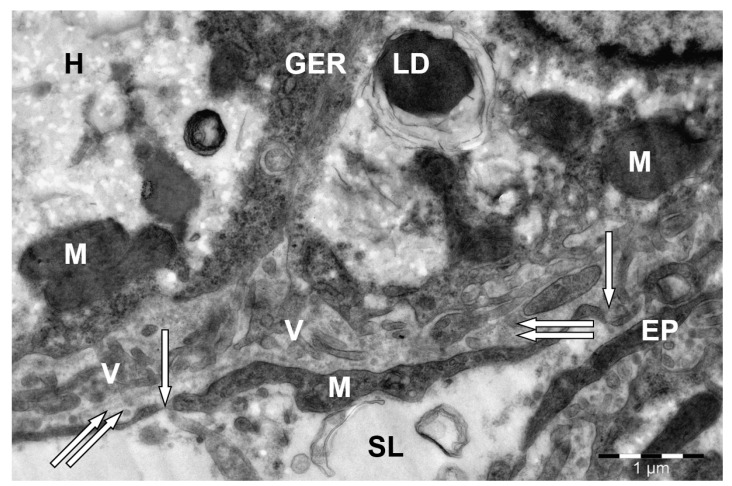 Figure 4
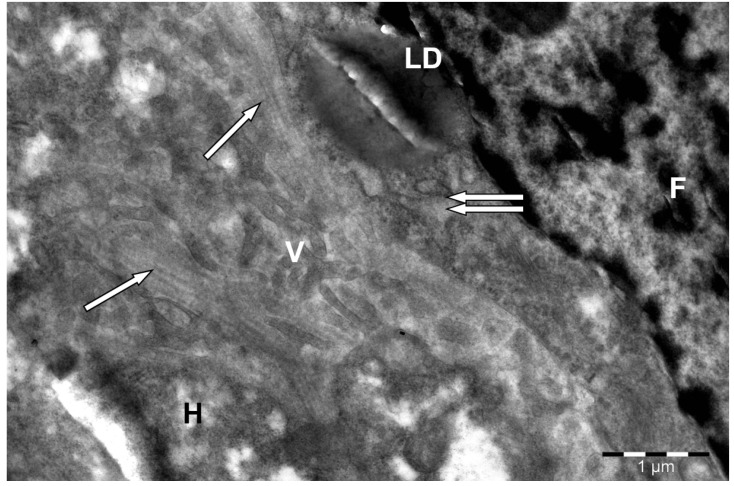 Figure 5
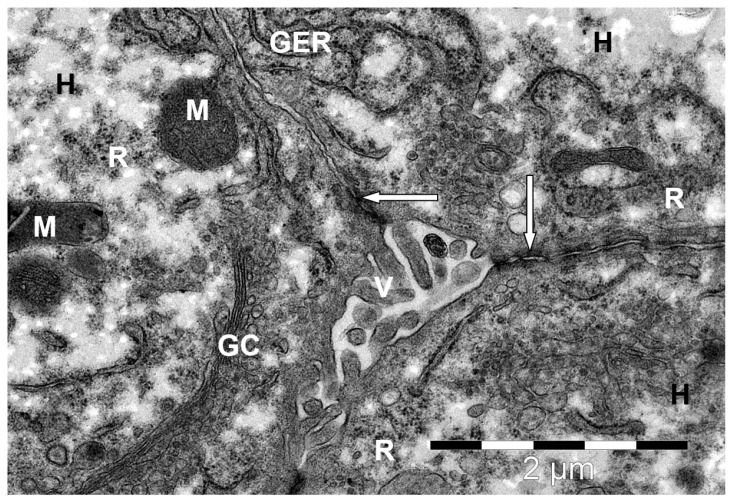 Figure 6
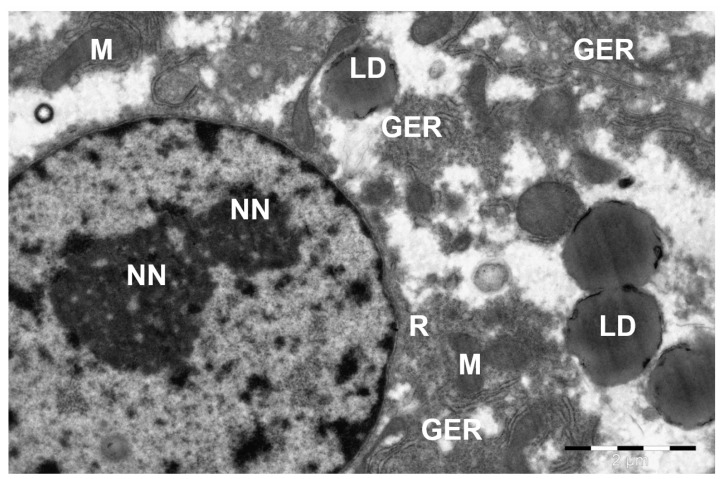 Figure 7
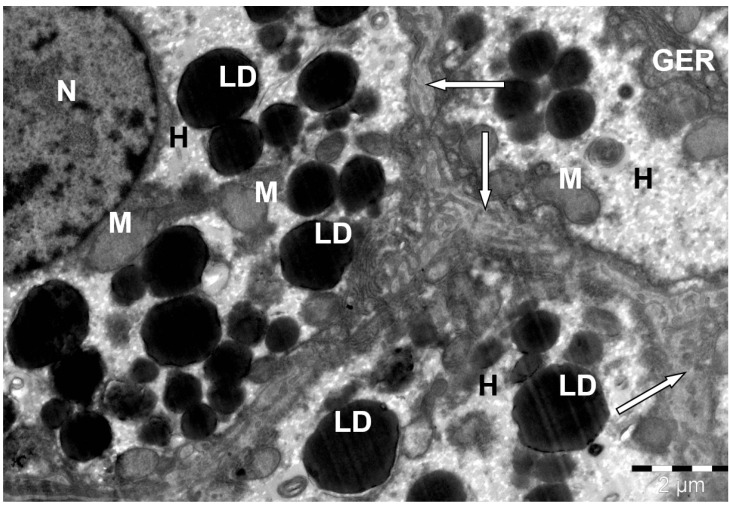 Figure 8
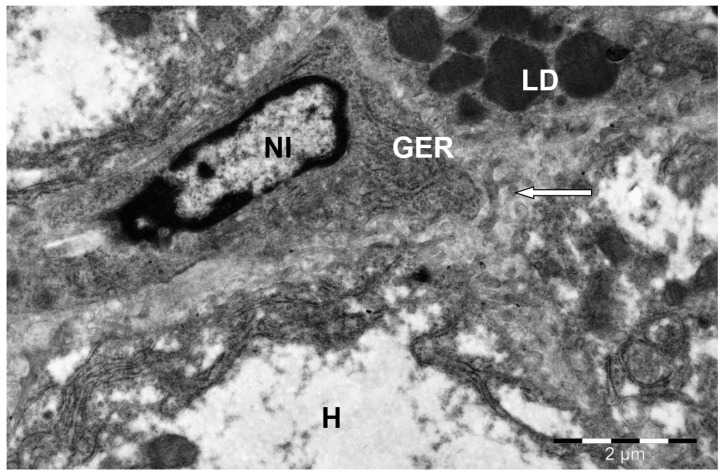 Figure 9
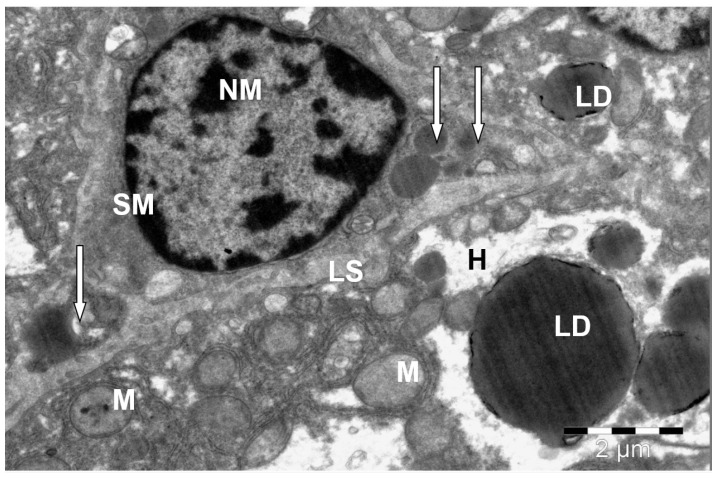 Figure 10
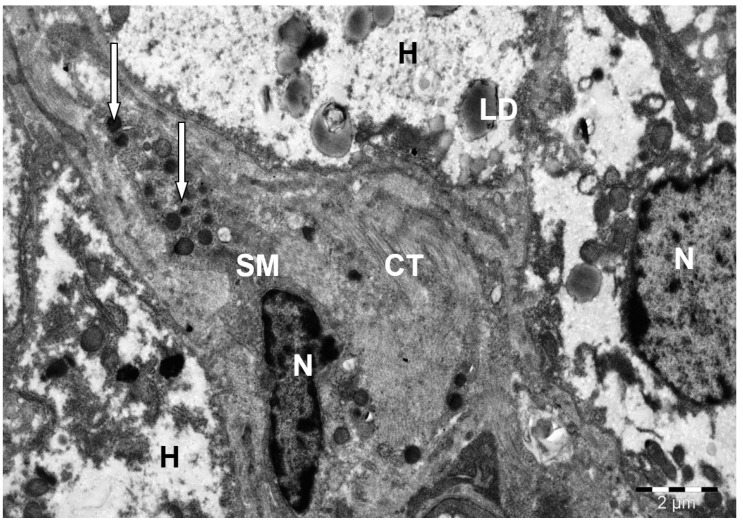 Figure 11
Peer Reviews
No public reviews on file for this paper yet. If you reviewed it on a platform where reviews are public (OpenReview, ICLR, NeurIPS, ICML), you can paste yours below so the community can read it here.
Videos
No videos yet. Explain this paper in a talk, walkthrough, or lecture? Add one.
Taxonomy
TopicsAnimal Diversity and Health Studies · African Botany and Ecology Studies · Rangeland Management and Livestock Ecology