Use of FDG PET for Staging and Re-Staging of Head and Neck Squamous Cell Carcinoma
Charles Marcus

TL;DR
FDG PET/CT improves staging and treatment planning for head and neck cancers compared to traditional imaging.
Contribution
FDG PET/CT is shown to detect hidden tumors and guide treatment changes more effectively than conventional methods.
Findings
FDG PET/CT detects nodal and distant metastases better than conventional imaging.
PET/CT identifies occult primary tumors and synchronous malignancies.
PET/CT results influence surgical and chemoradiation treatment plans.
Abstract
18F-FDG PET/CT plays a complementary role to clinical evaluation in the staging, treatment planning, treatment response assessment, recurrent disease detection, and follow-up of patients with head and neck cancer. It plays both a complementary and advantageous role over conventional imaging techniques, providing an added advantage in the detection of synchronous and occult primary tumors, improving staging, and impacting treatment strategies, including surgical, radiation, and systemic treatment. It provides valuable prognostic information at different stages of diagnosis, treatment, and follow-up. The role of PET/CT in these cancers is constantly evolving, with ongoing and future trials discovering new and valuable information which can have a significant impact on the future management of these cancers. Head and neck cancers account for approximately 3.0% of all new cancer diagnoses.…
Genes, proteins, chemicals, diseases, species, mutations and cell lines named across the full text — each resolved to its canonical identifier and authoritative record.
Click any figure to enlarge with its caption.
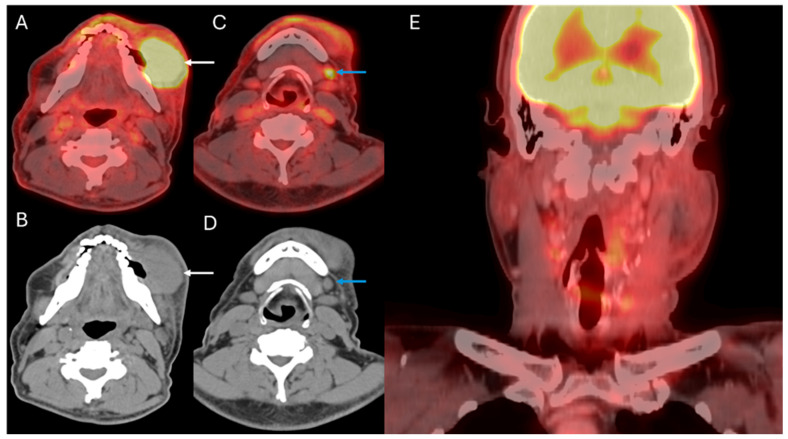 Figure 1
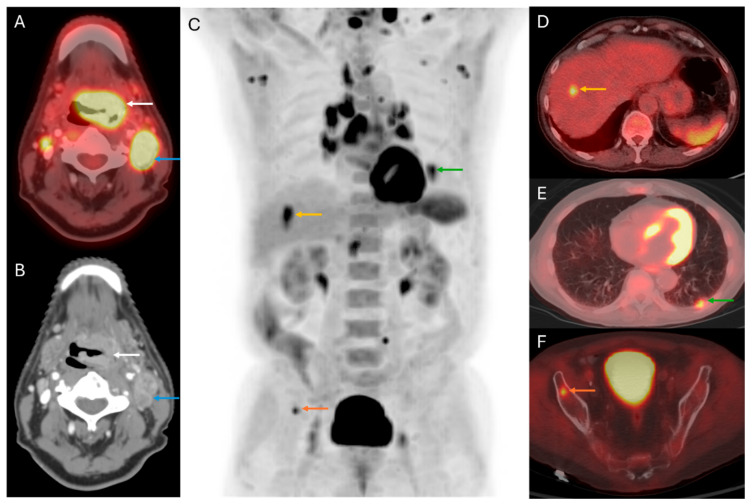 Figure 2
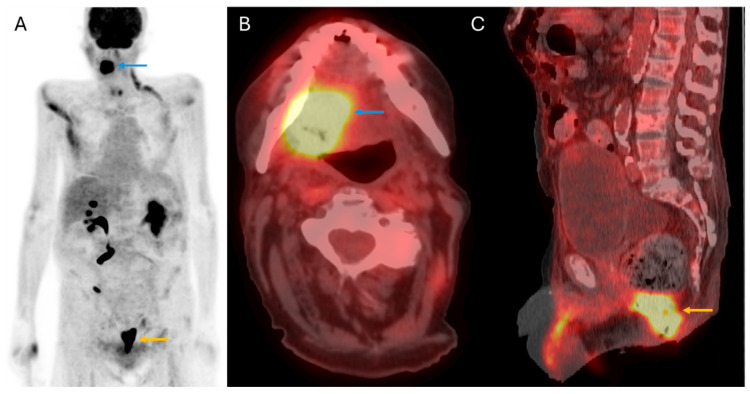 Figure 3
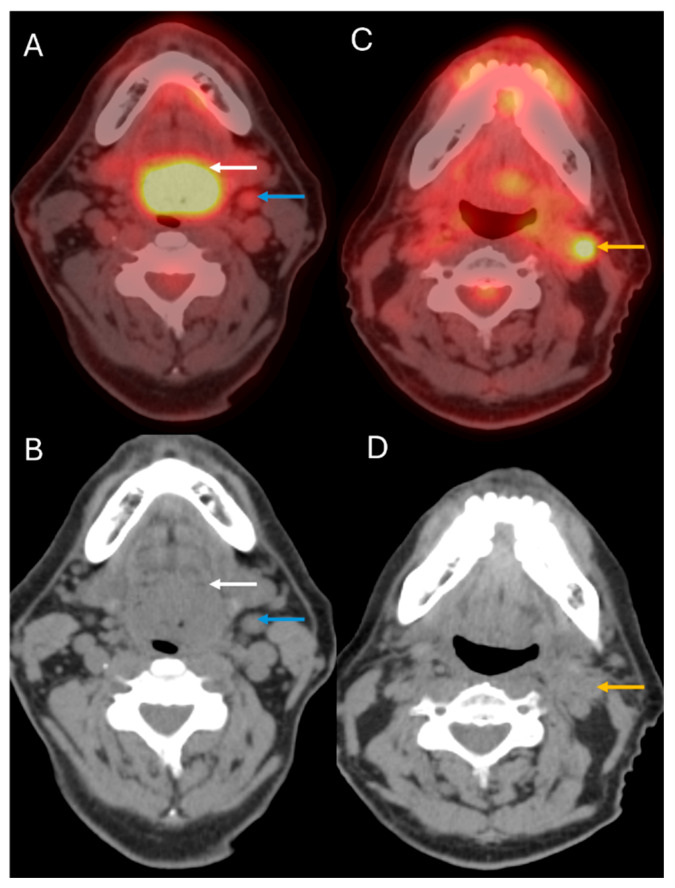 Figure 4
Peer Reviews
No public reviews on file for this paper yet. If you reviewed it on a platform where reviews are public (OpenReview, ICLR, NeurIPS, ICML), you can paste yours below so the community can read it here.
Videos
No videos yet. Explain this paper in a talk, walkthrough, or lecture? Add one.
Taxonomy
TopicsHead and Neck Cancer Studies · Radiomics and Machine Learning in Medical Imaging · Cancer Diagnosis and Treatment