VSIG4 Is Dispensable for Tumor Growth and Metastasis in Murine Colorectal and Breast Cancer Models
Els Lebegge, Neema Ahishakiye Jumapili, Jolien Van Craenenbroeck, Daliya Kancheva, Máté Kiss, Romina Mora Barthelmess, Ahmed E. I. Hamouda, Yvon Elkrim, Geert Raes, Éva Hadadi, Damya Laoui, Jo A. Van Ginderachter, Sana M. Arnouk

TL;DR
VSIG4, a protein found on human tumor-associated macrophages, does not seem to play a key role in tumor growth or metastasis in mouse models of colorectal and breast cancer.
Contribution
This study reveals that VSIG4 is not expressed in murine tumor-associated macrophages and does not significantly affect tumor progression or metastasis in mice.
Findings
VSIG4 is expressed on human tumor-associated macrophages but not on murine tumor-associated macrophages.
VSIG4 deficiency in mice does not alter primary tumor growth or metastasis to the liver and peritoneal cavity.
Murine models are not suitable for studying the role of VSIG4 in tumor progression.
Abstract
The role of some immune cell types in promoting tumor growth has become indisputable. A prime example of this is tumor-associated macrophages (TAMs). One protein that has been associated with tumor-promoting TAMs is VSIG4. In this study, we aim to further dissect the role of VSIG4 in tumor progression and metastasis. Analysis of publicly available datasets of human cancers confirmed the expression of VSIG4 mainly on TAMs. However, VSIG4 expression was absent in murine TAMs. Consequently, we observed no differences in primary tumor growth in mice that lack the VSIG4 receptor, compared to their normal counterparts. In tumor-bearing mice, VSIG4 could be detected on macrophages in healthy organs, but its absence did not affect metastasis to those organs. Therefore, murine models are not suitable to study the role of VSIG4 in TAMs and tissue macrophage-expressed VSIG4 does not seem to play…
Genes, proteins, chemicals, diseases, species, mutations and cell lines named across the full text — each resolved to its canonical identifier and authoritative record.
Click any figure to enlarge with its caption.
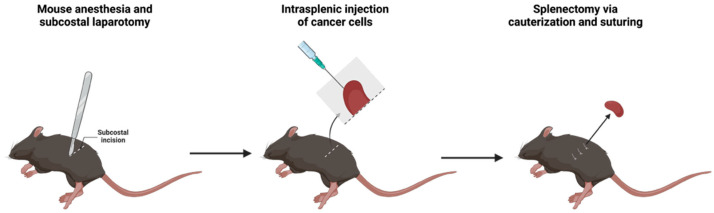 Figure 1
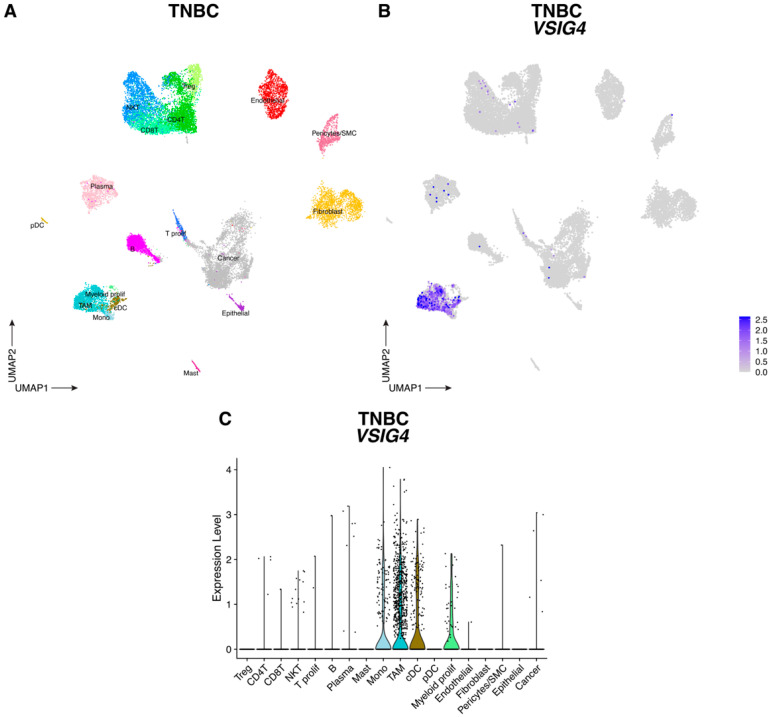 Figure 2
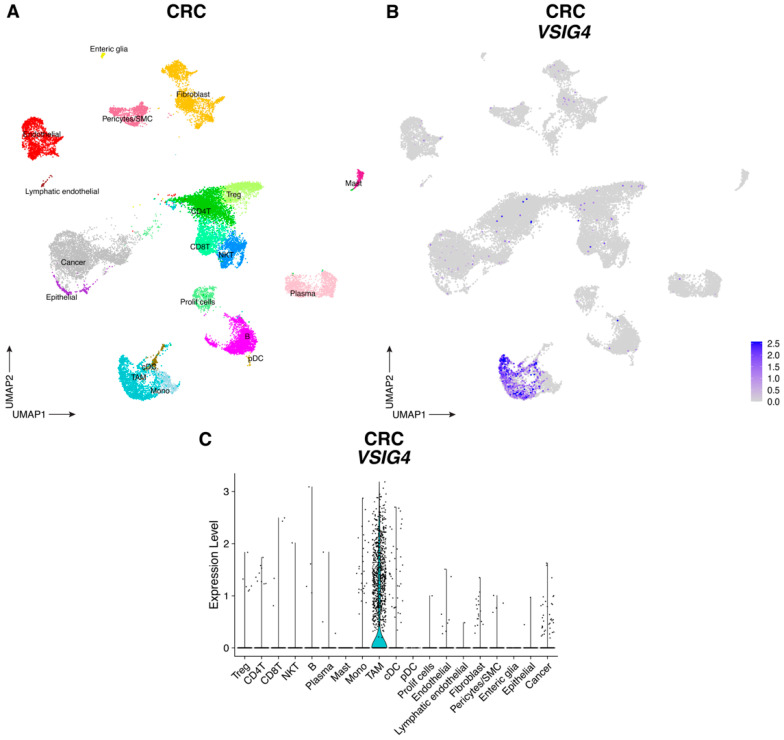 Figure 3
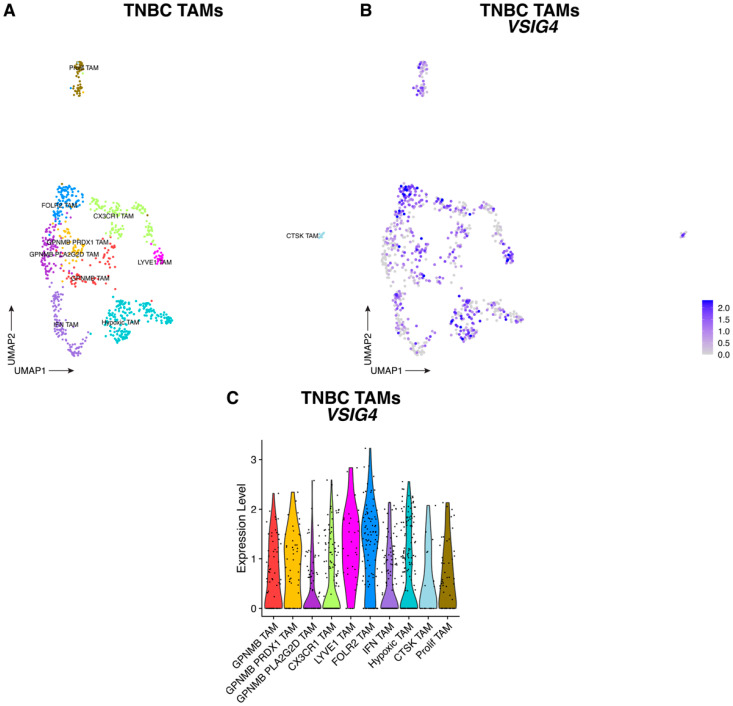 Figure 4
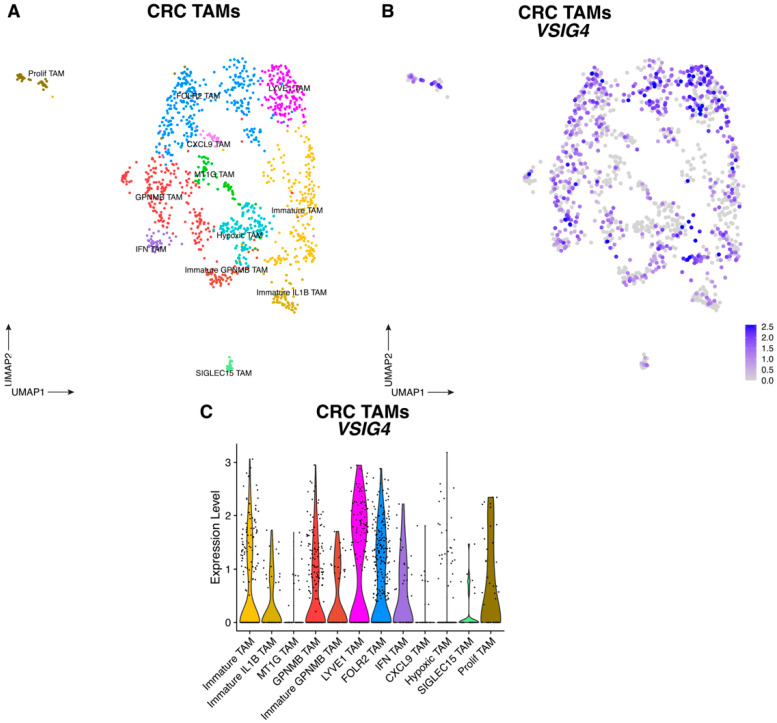 Figure 5
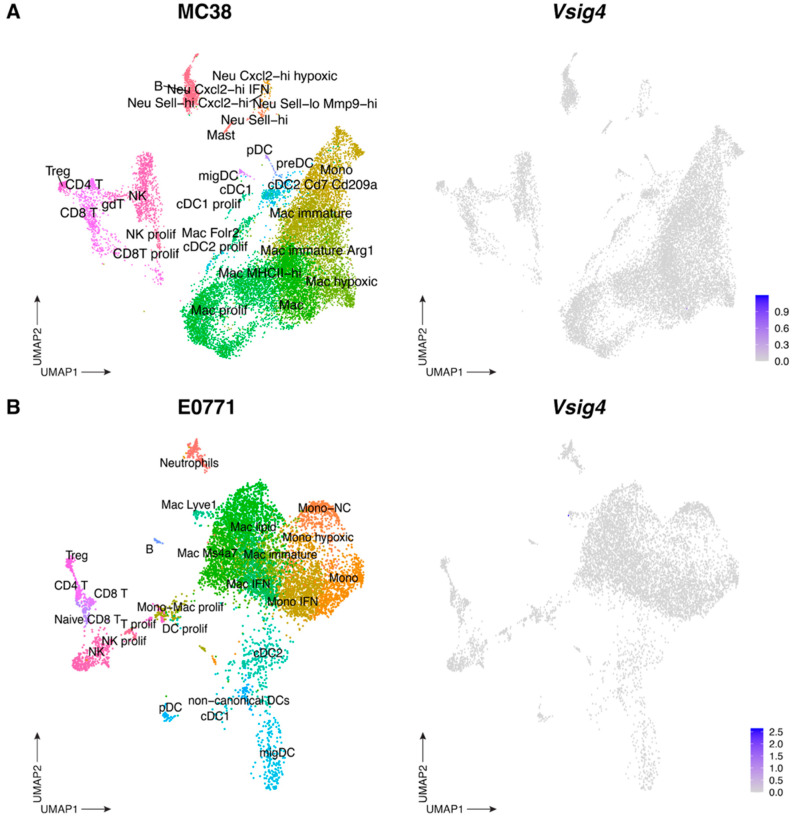 Figure 6
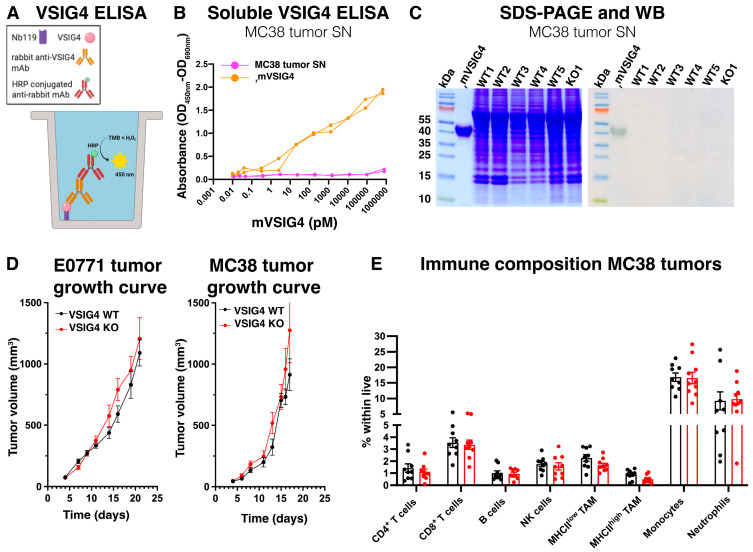 Figure 7
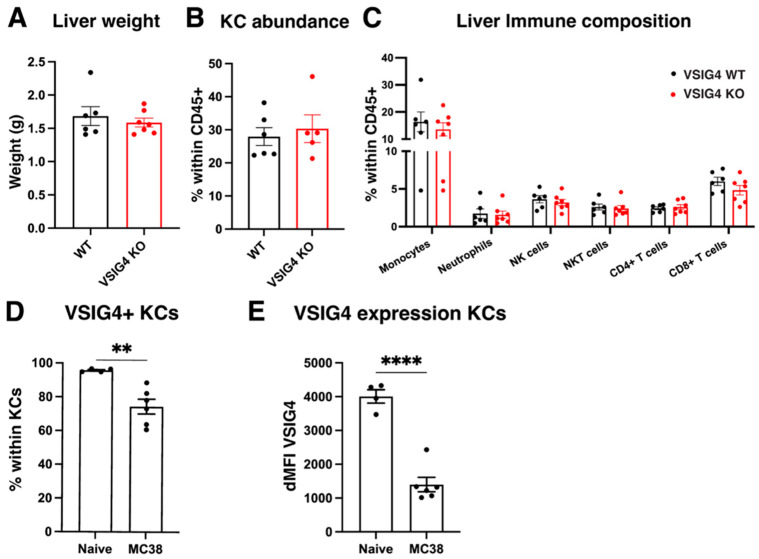 Figure 8
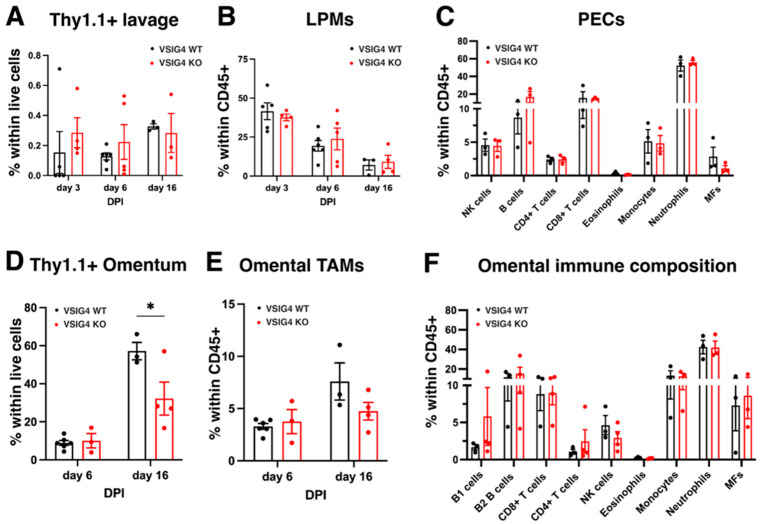 Figure 9
Peer Reviews
No public reviews on file for this paper yet. If you reviewed it on a platform where reviews are public (OpenReview, ICLR, NeurIPS, ICML), you can paste yours below so the community can read it here.
Videos
No videos yet. Explain this paper in a talk, walkthrough, or lecture? Add one.
Taxonomy
TopicsFerroptosis and cancer prognosis · RNA modifications and cancer · Epigenetics and DNA Methylation