Self-Reported Outcomes of Endocrine Therapy with or Without Ovarian Suppression in Premenopausal Breast Cancer Patients: A Brazilian Quality-of-Life Prospective Cohort
Natália Nunes, Giselle Carvalho, Bernardo Ramos, Juliana Pecoraro, Lilian Lerner, Debora Azevedo, Thamirez Ferreira, Larissa Santiago de Moura, Carolina Galvão, Mariana Monteiro

TL;DR
This study shows that adding ovarian suppression to endocrine therapy worsens quality of life, especially body image and sexual health, in young Brazilian breast cancer patients.
Contribution
The study provides new insights into the long-term quality-of-life effects of combining endocrine therapy with ovarian suppression in premenopausal breast cancer patients.
Findings
Patients receiving ovarian suppression reported worse body image and femininity compared to those on endocrine therapy alone.
Sexual functioning and enjoyment declined in both groups but recovered in endocrine therapy-only patients by 24 months.
Ovarian suppression was associated with a higher frequency of lack of sexual activity and persistent sexual health issues.
Abstract
Breast cancer is increasingly affecting young women, and many require long periods of treatment that may influence their quality of life. One important therapy for this group is endocrine treatment, sometimes combined with ovarian suppression. While these treatments improve cancer outcomes, they can also cause menopausal symptoms, affect body image, and interfere with sexual health. In this study, we followed premenopausal women with breast cancer in Brazil and collected quality-of-life data every three months for two years using standardized questionnaires. We found that women who received ovarian suppression reported more persistent difficulties, especially related to body image, compared with those treated with endocrine therapy alone. These findings emphasize the importance of considering not only cancer control but also quality of life when making treatment decisions and highlight…
Genes, proteins, chemicals, diseases, species, mutations and cell lines named across the full text — each resolved to its canonical identifier and authoritative record.
Click any figure to enlarge with its caption.
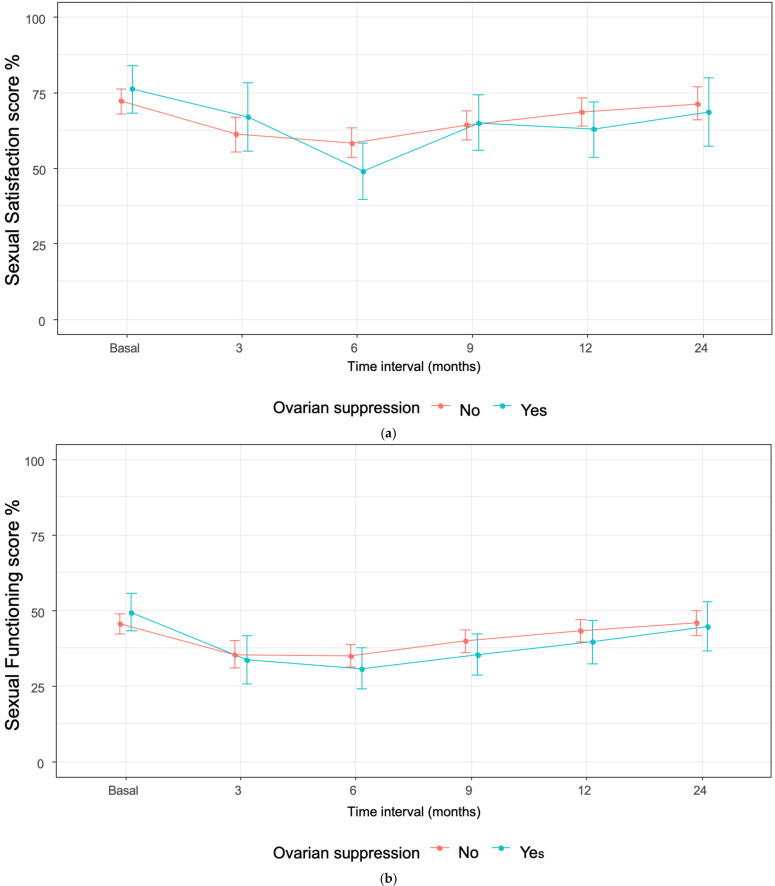 Figure 1
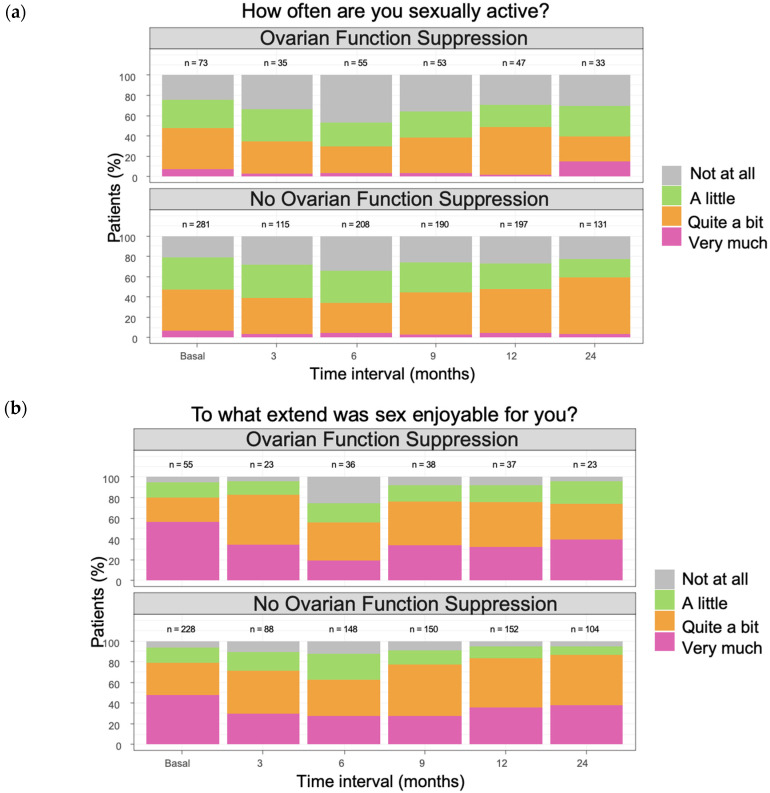 Figure 2
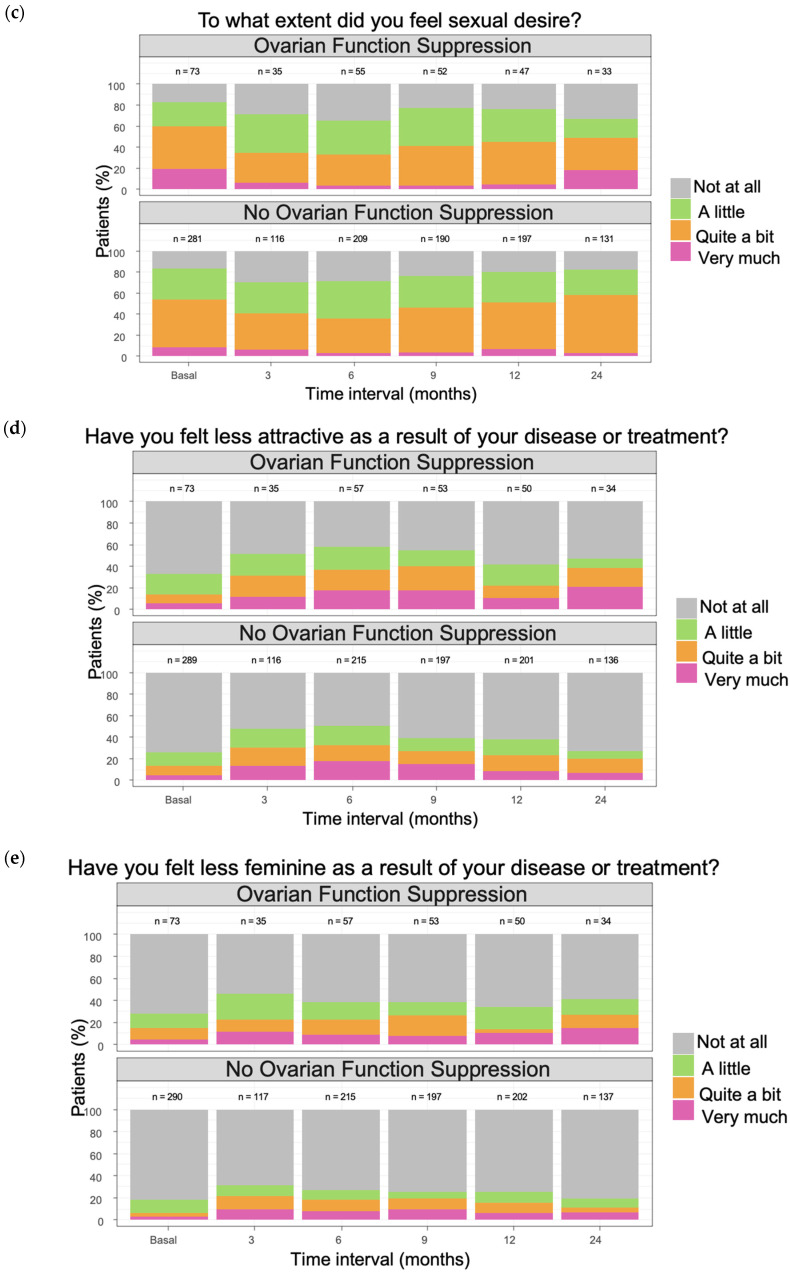 Figure 3
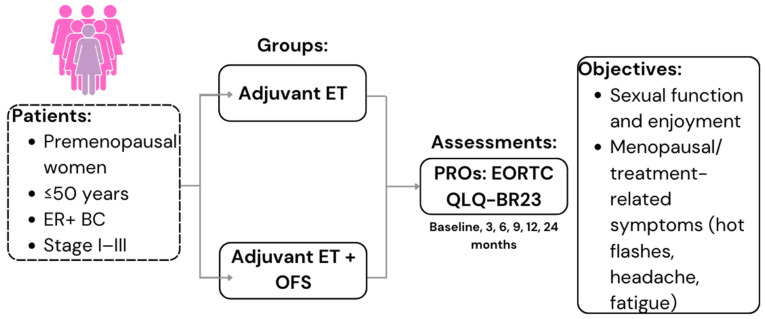 Figure 4
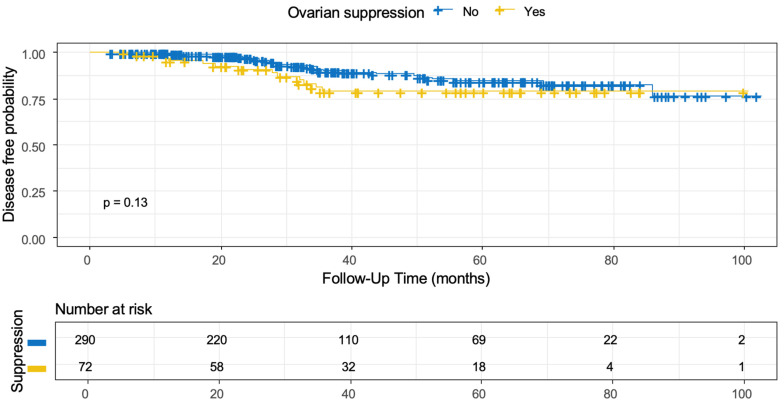 Figure 5
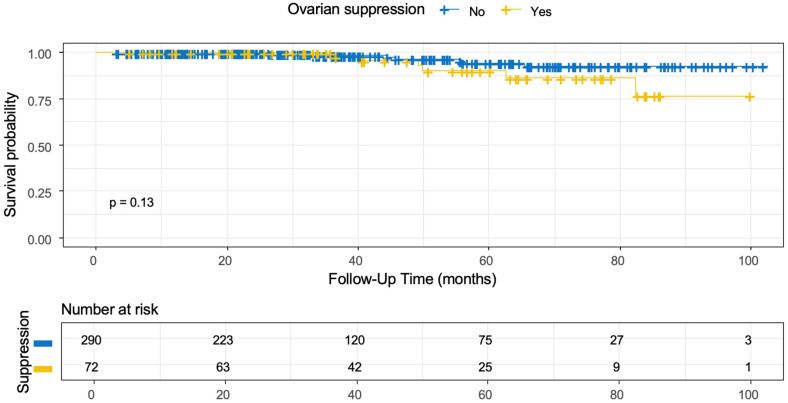 Figure 6
Peer Reviews
No public reviews on file for this paper yet. If you reviewed it on a platform where reviews are public (OpenReview, ICLR, NeurIPS, ICML), you can paste yours below so the community can read it here.
Videos
No videos yet. Explain this paper in a talk, walkthrough, or lecture? Add one.
Taxonomy
TopicsCancer survivorship and care · Family Support in Illness · Women's cancer prevention and management