Genomic Analysis Defines Increased Circulating, Leukemia-Induced Macrophages That Promote Immune Suppression in Mouse Models of FGFR1-Driven Leukemogenesis
Ting Zhang, Atsuko Matsunaga, Xiaocui Lu, Hui Fang, Nandini Chatterjee, Ahmad Alimadadi, Stephanie F. Mori, Xuexiu Fang, Gavin Wang, Huidong Shi, Litao Zhang, Catherine C. Hedrick, Bo Cheng, Tianxiang Hu, John K. Cowell

TL;DR
This study shows that leukemia in mice causes immune suppression by increasing specific macrophages, and blocking these macrophages improves survival.
Contribution
The study identifies leukemia-induced macrophages as key immune suppressors and shows that targeting them improves survival in mouse models.
Findings
Leukemia in mice increases circulating macrophages derived from Ly6CHi M-MDSC and monocytic populations.
Leukemia-induced macrophages upregulate stress and inflammation genes like Hspa1a, Hspa1b, and Nfkbia.
Blocking macrophages with GW2580 restores immune surveillance and improves survival in leukemic mice.
Abstract
The development of FGFR1-driven stem cell leukemia and lymphoma syndrome (SCLL) in mouse models is accompanied by an increase in highly heterogenous myeloid derived suppressor cells (MDSCs), which promote immune evasion. To dissect this heterogeneity, we used a combination of CyTOF and scRNA-Seq to define the phenotypes and genotypes of these MDSCs. CyTOF demonstrated increased levels of circulating macrophages in the peripheral blood of leukemic mice, and flow cytometry demonstrated that these macrophages were derived from Ly6CHi M-MDSC as well as the Ly6CInt and Ly6CLow monocytic populations. Consistently, scRNA-Seq analysis demonstrated the accumulation of non-classical monocytes (ncMono) during leukemia progression, which also express macrophage markers. These leukemia-induced macrophages show continuous transcriptional reprogramming during leukemia progression, with the…
Genes, proteins, chemicals, diseases, species, mutations and cell lines named across the full text — each resolved to its canonical identifier and authoritative record.
Click any figure to enlarge with its caption.
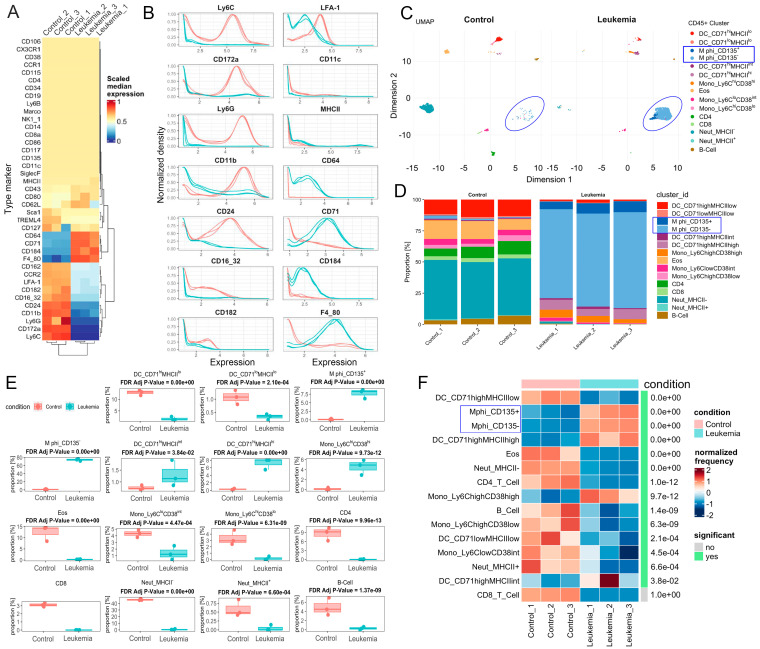 Figure 1
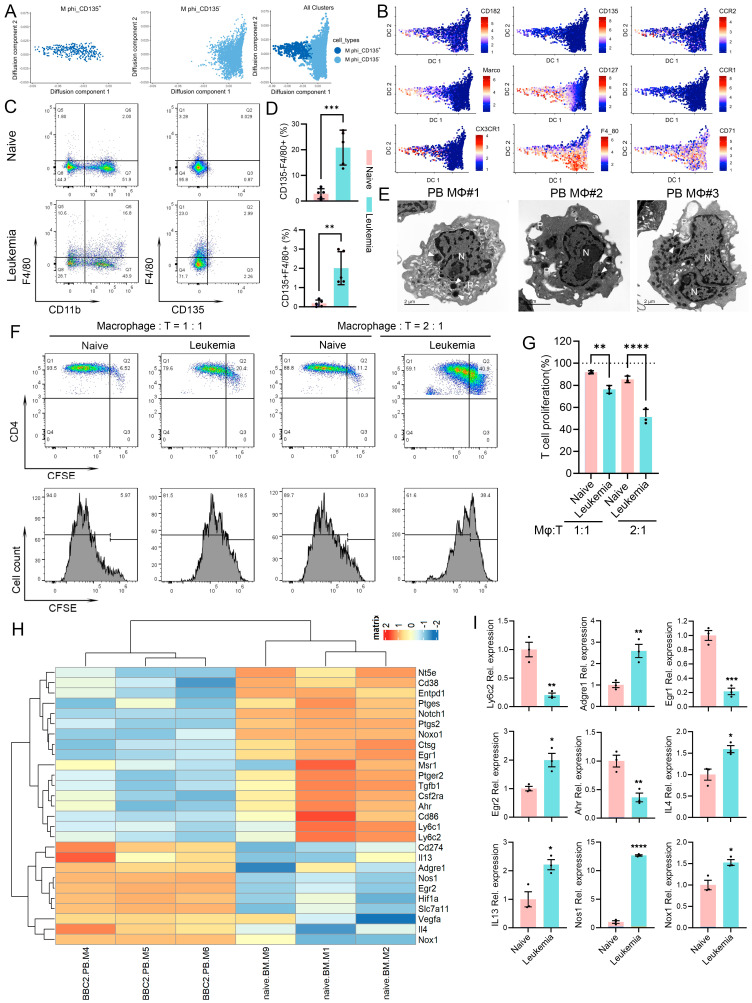 Figure 2
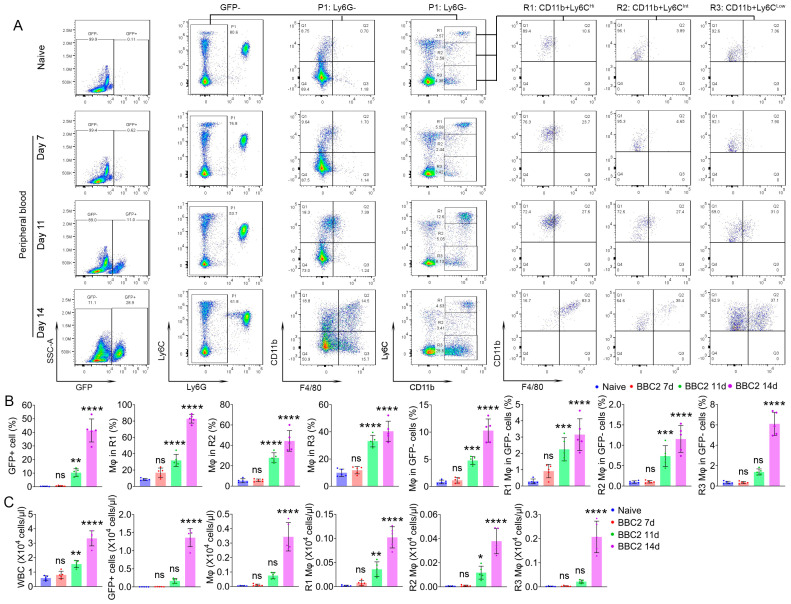 Figure 3
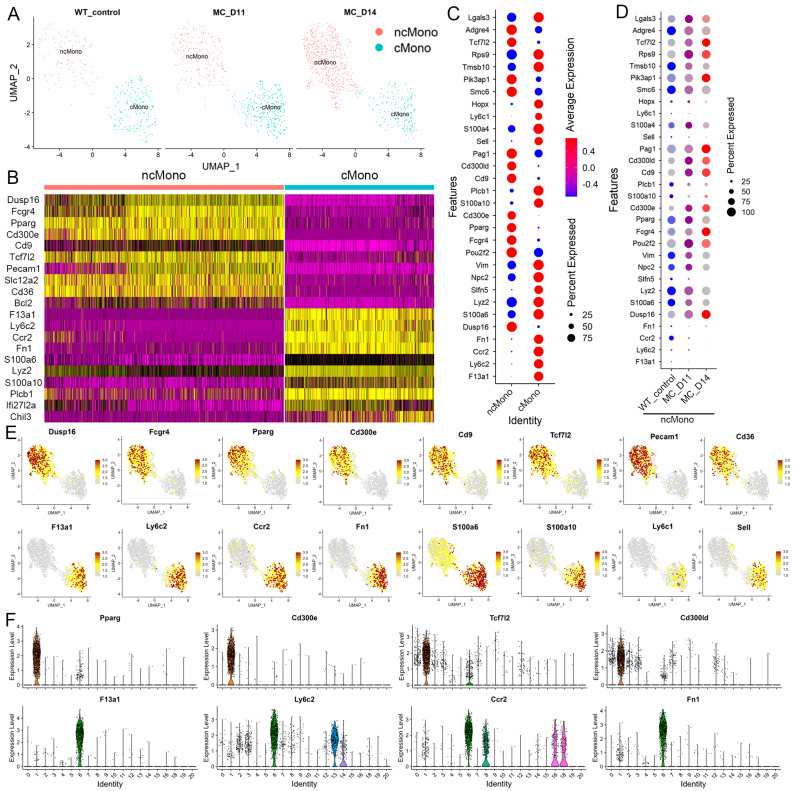 Figure 4
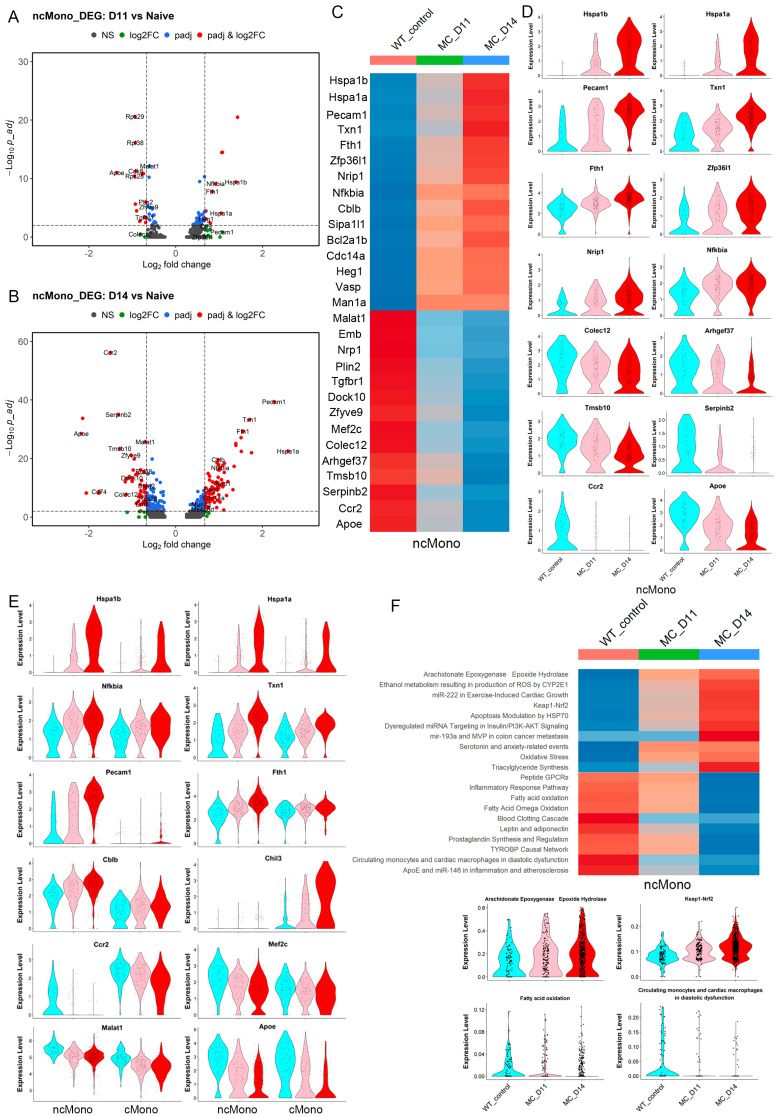 Figure 5
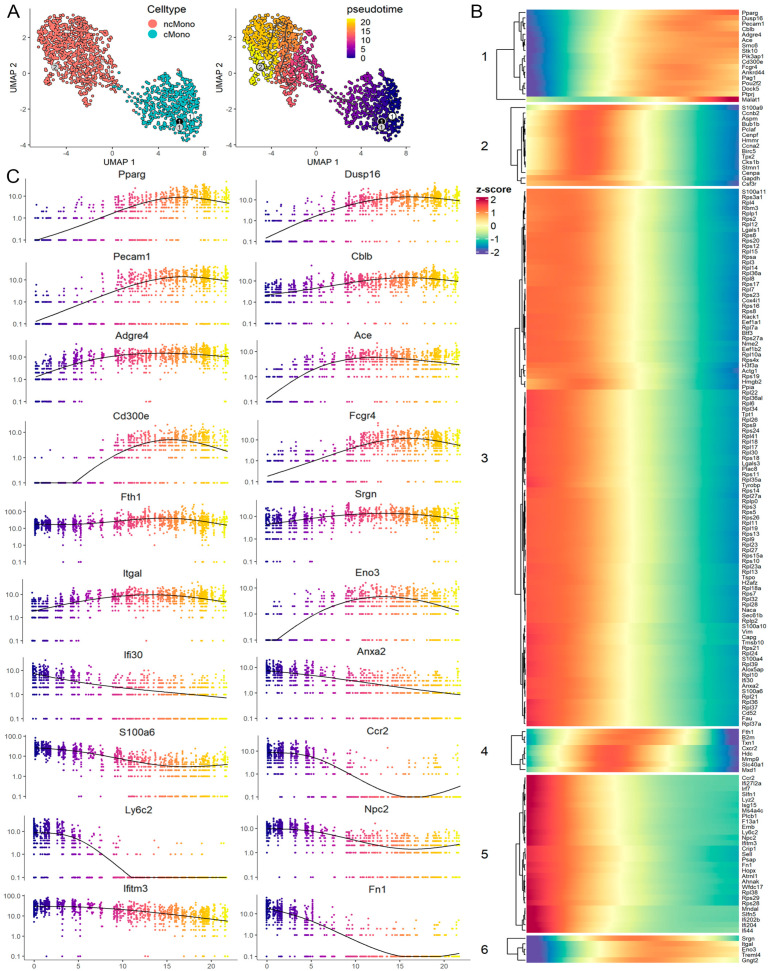 Figure 6
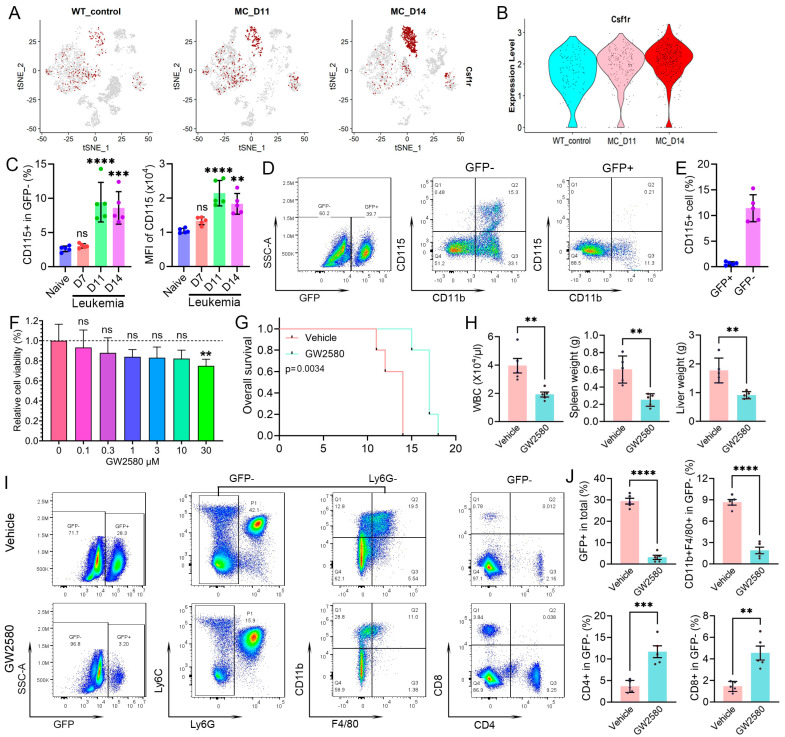 Figure 7
Peer Reviews
No public reviews on file for this paper yet. If you reviewed it on a platform where reviews are public (OpenReview, ICLR, NeurIPS, ICML), you can paste yours below so the community can read it here.
Videos
No videos yet. Explain this paper in a talk, walkthrough, or lecture? Add one.
Taxonomy
TopicsImmune cells in cancer · Epigenetics and DNA Methylation · Immune Cell Function and Interaction