A Rare Case of Severe Pelvic Organ Prolapse with Massive Perineal Hernia in a Nulliparous Woman: A Case Report and Literature Review
Andrea Rus, Andrei Manea, Andrei Cora, Béla Szabó, Ioana Hălmaciu

TL;DR
A rare case of severe pelvic organ prolapse with a massive perineal hernia in a nulliparous woman is reported, highlighting the challenges in its management and recurrence.
Contribution
This case report presents an unusual instance of severe pelvic organ prolapse in a nulliparous woman with no known risk factors.
Findings
The patient had a severe grade IV pelvic organ prolapse with a perineal hernia containing the uterus, bladder, and small bowel.
Despite successful initial surgery, the patient experienced a recurrence of prolapse within two months.
Multiple complications, including chronic kidney disease and infections, delayed further gynaecological intervention.
Abstract
Background and Clinical Significance: Advanced pelvic organ prolapse (POP) associated with perineal herniation of pelvic and abdominal organs is a sporadic occurrence in gynaecological practice. Generally, POP affects up to 50% of multiparous women at some point during their lives. Advanced forms (grade III or IV) represent less than 10% of all cases, with severe grade IV prolapse occurring in fewer than 2% of patients. Case Presentation: We report the case of a 48-year-old nulliparous woman with no prior surgical history and no known medical conditions at presentation. The patient presented with severe grade IV POP (Baden–Walker Classification), characterised by abdominal pain, vaginal bleeding and significant urinary incontinence. A computed tomography scan was performed, revealing an extremely large perineal hernia, containing the uterus, urinary bladder, and small bowel loops—a rare…
Genes, proteins, chemicals, diseases, species, mutations and cell lines named across the full text — each resolved to its canonical identifier and authoritative record.
Click any figure to enlarge with its caption.
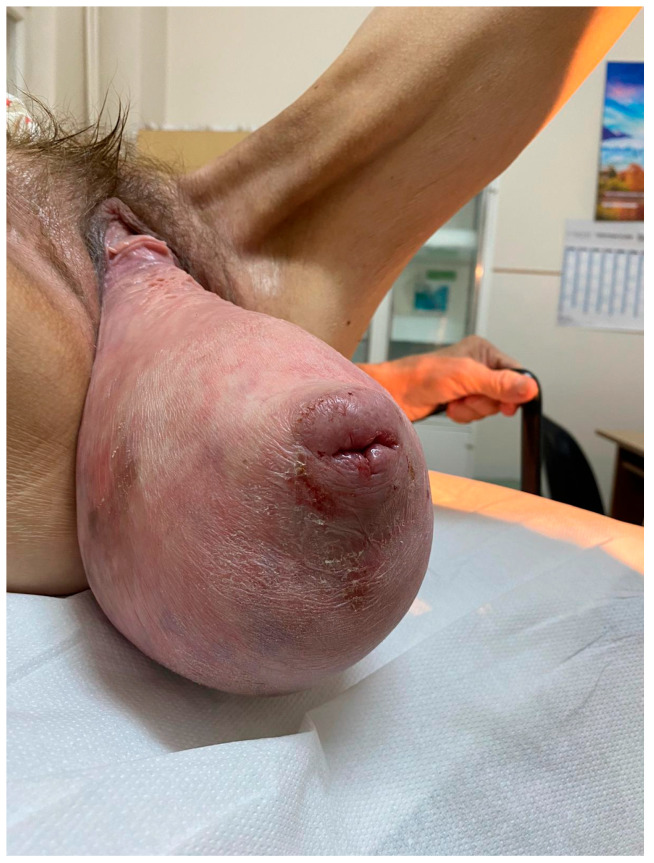 Figure 1
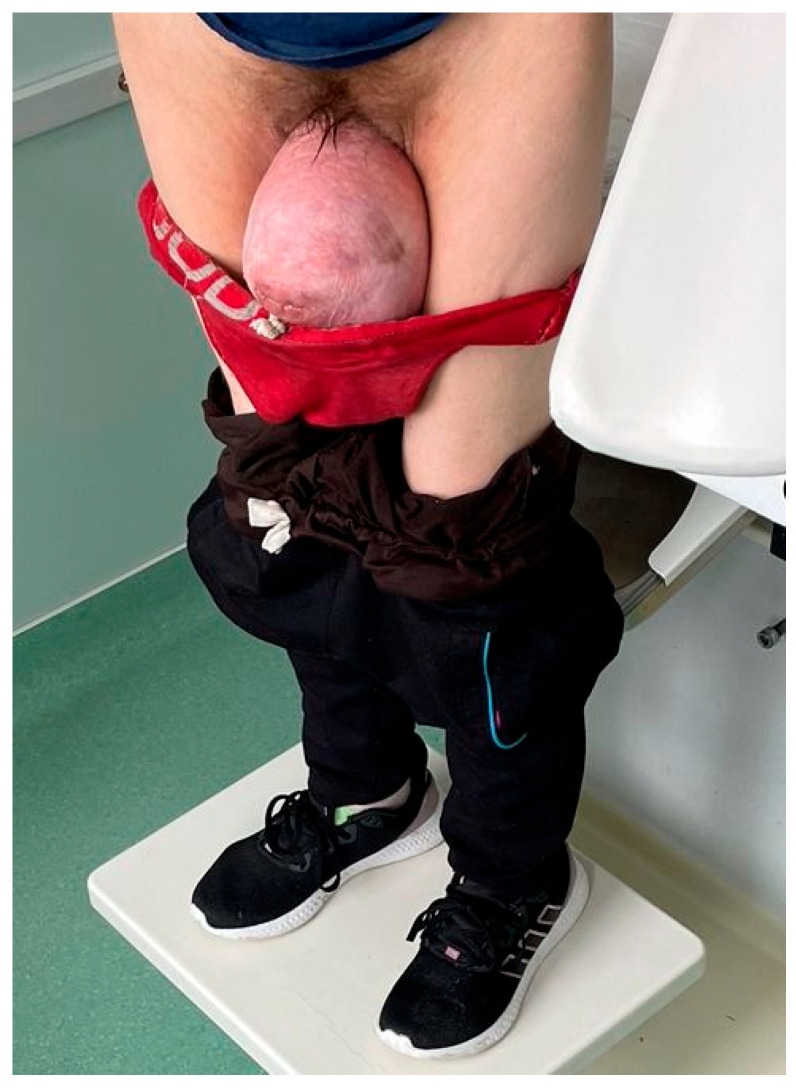 Figure 2
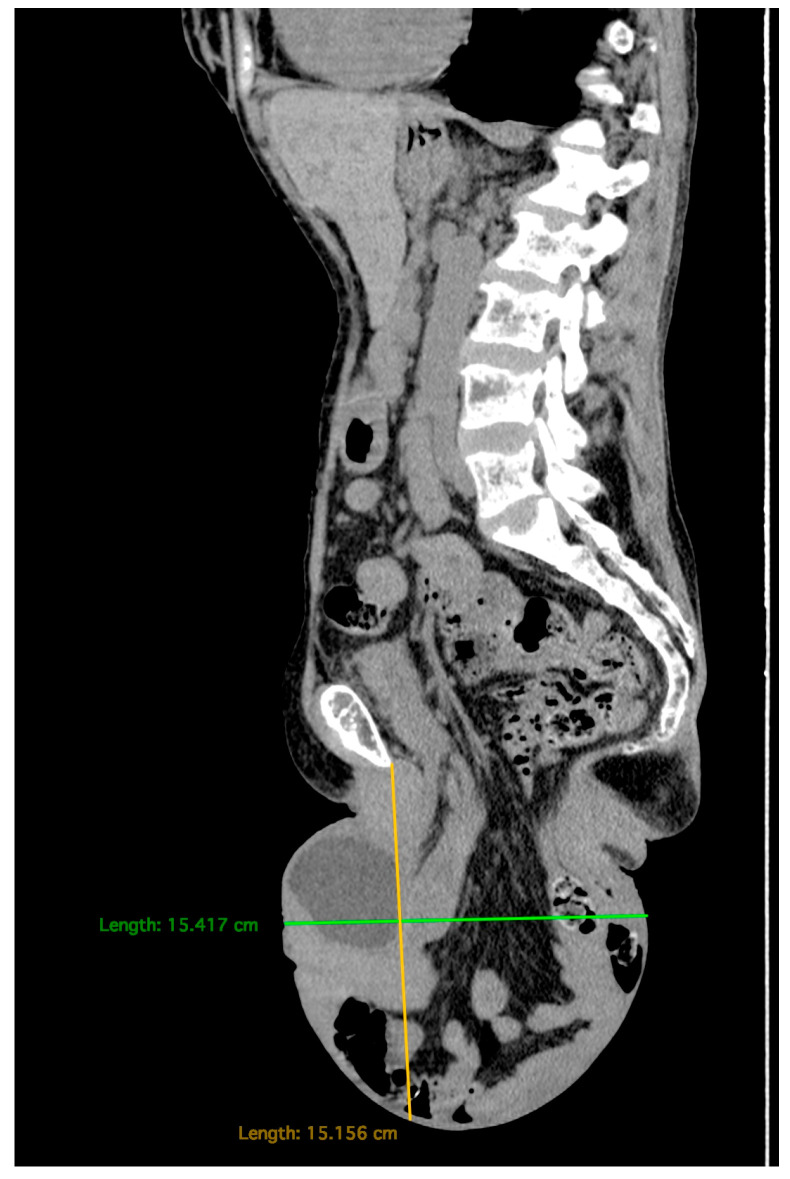 Figure 3
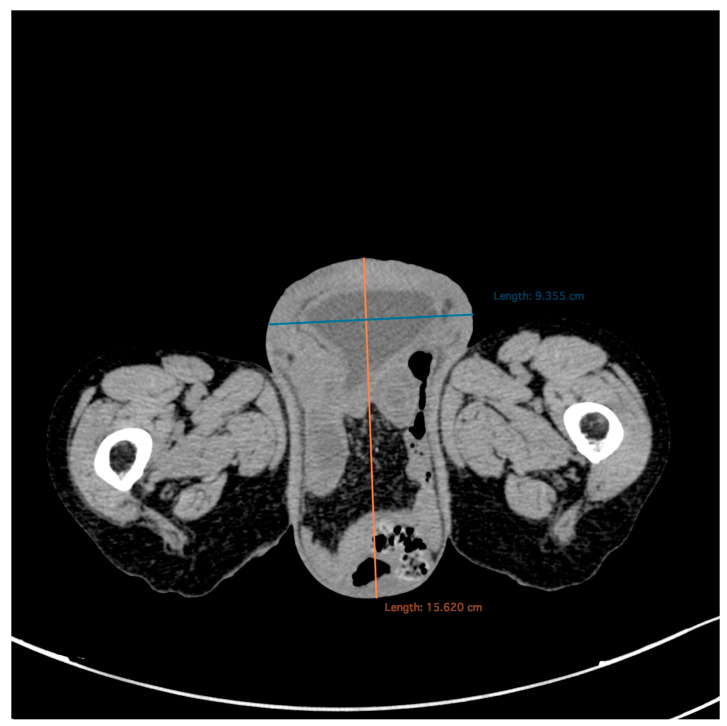 Figure 4
Peer Reviews
No public reviews on file for this paper yet. If you reviewed it on a platform where reviews are public (OpenReview, ICLR, NeurIPS, ICML), you can paste yours below so the community can read it here.
Videos
No videos yet. Explain this paper in a talk, walkthrough, or lecture? Add one.
Taxonomy
TopicsPelvic floor disorders treatments · Hernia repair and management · Pelvic and Acetabular Injuries