Local Recurrence After Nephron Surgery: What to Do? An Italian Multicentric Registry
Angelo Porreca, Filippo Marino, Davide De Marchi, Marco Giampaoli, Daniele D’Agostino, Francesca Simonetti, Antonio Amodeo, Paolo Corsi, Francesco Claps, Alessandro Crestani, Riccardo Bertolo, Alessandro Antonelli, Fabrizio Di Maida, Andrea Minervini, Paolo Parma

TL;DR
This study examines kidney cancer recurrence after surgery, finding that recurrence is more likely with cancer cells at the cut edge and aggressive cell types, and surgery offers the best cancer control.
Contribution
The study identifies risk factors and optimal treatment strategies for local recurrence after kidney cancer surgery using a multicenter registry.
Findings
Local recurrence typically occurs within 18 months and is more likely with cancer cells at the cut edge and aggressive cell types.
Surgery for recurrence provides the best cancer control while preserving kidney function.
Positive surgical margins and histological variants are independent risk factors for recurrence.
Abstract
Patients who undergo surgery for kidney cancer could, in a small but important number of cases, see the cancer return near the original site. Because it is hard to predict who is at risk and which treatment works best, we studied real-world cases from several Italian centers. We analyzed 135 patients who experienced local recurrence after undergoing partial or complete kidney removal. Recurrence usually appeared within about 18 months. It was more likely when the first operation left cancer cells at the cut edge and when the cancer had more aggressive cell types. Treating the recurrence with surgery achieved the best cancer control, while kidney function was generally preserved across approaches. These findings can help refine follow-up schedules, identify higher-risk patients, and guide multidisciplinary care, informing future research and personalized treatment strategies.…
Genes, proteins, chemicals, diseases, species, mutations and cell lines named across the full text — each resolved to its canonical identifier and authoritative record.
Click any figure to enlarge with its caption.
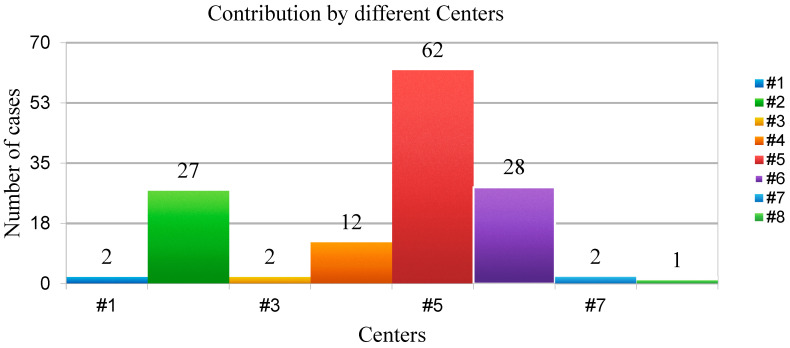 Figure 1
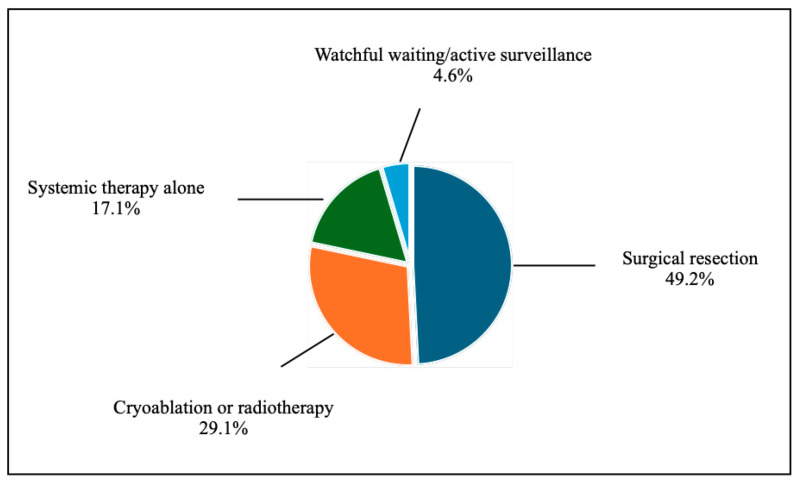 Figure 2
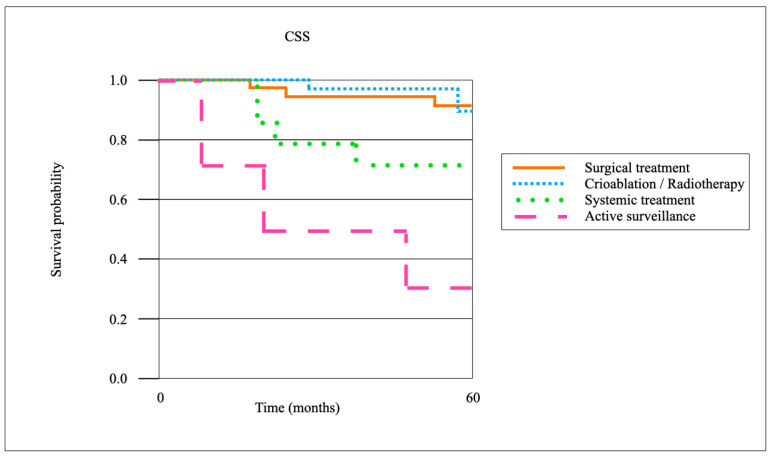 Figure 3
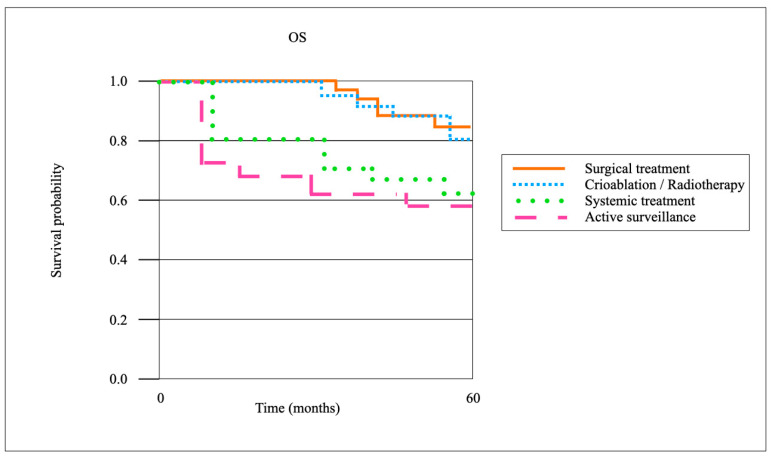 Figure 4
Peer Reviews
No public reviews on file for this paper yet. If you reviewed it on a platform where reviews are public (OpenReview, ICLR, NeurIPS, ICML), you can paste yours below so the community can read it here.
Videos
No videos yet. Explain this paper in a talk, walkthrough, or lecture? Add one.
Taxonomy
TopicsRenal cell carcinoma treatment · Renal and related cancers · Bladder and Urothelial Cancer Treatments