Effect of Emerging Contaminants (Sucralose) at Relevant Concentrations on Functional Properties in Fish Muscle of Common Carp (Cyprinus carpio)
Karinne Saucedo-Vence, Octavio Dublán-García, Ana Gabriela Morachis-Valdez, Daniel Díaz-Bandera, Francisco Antonio López-Medina, Guadalupe López-García, Andrea Yazmín Guadarrama-Lezama, Gerardo Heredia-García, Angel Santillán-Álvarez, Leobardo Manuel Gómez-Oliván

TL;DR
This study shows that the artificial sweetener sucralose harms fish muscle function at low concentrations, causing oxidative stress and structural damage in common carp.
Contribution
The study demonstrates for the first time that environmentally relevant sucralose concentrations impair fish muscle properties through oxidative stress and protein degradation.
Findings
Sucralose exposure increased protein carbonyl content up to 10-fold and caused lipid peroxidation in fish muscle.
Fish muscle showed reduced sulfhydryl groups and decreased water-holding capacity, indicating structural impairment.
Electrophoretic analysis confirmed myosin degradation, linking sucralose to protein oxidation and muscle dysfunction.
Abstract
Sucralose, a persistent and widely used artificial sweetener, has emerged as a significant contaminant in aquatic environments, raising concerns about its ecological and physiological effects on aquatic species. This study investigates the impact of environmentally relevant concentrations of sucralose on the muscle quality of common carp (Cyprinus carpio), a bioindicator species. Using High-Performance Liquid Chromatography (HPLC), sucralose was quantified in water and fish muscle tissues, revealing its persistence and bioaccumulation. Sucralose exposure disrupted critical physicochemical, textural, and structural properties of fish muscle. Protein carbonyl content increased up to 10-fold, while lipid peroxidation levels rose significantly, indicating oxidative stress. Sulfhydryl groups were reduced by more than 40%, and water-holding capacity decreased by 12%, compromising muscle…
Genes, proteins, chemicals, diseases, species, mutations and cell lines named across the full text — each resolved to its canonical identifier and authoritative record.
Click any figure to enlarge with its caption.
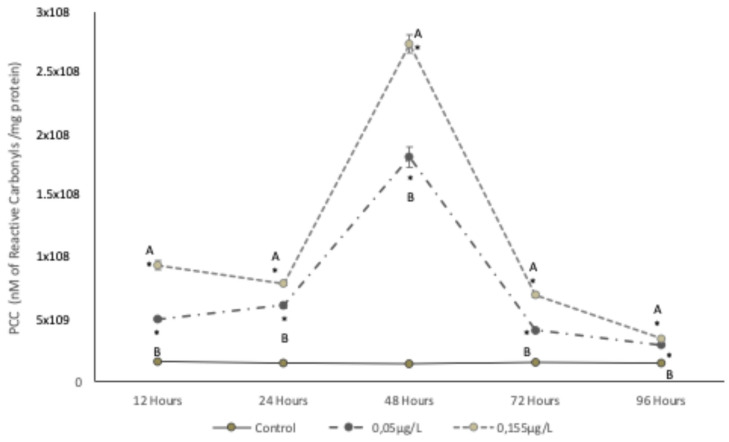 Figure 1
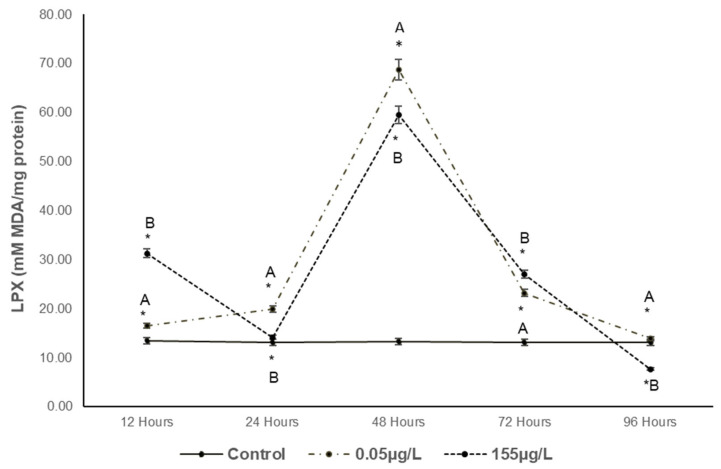 Figure 2
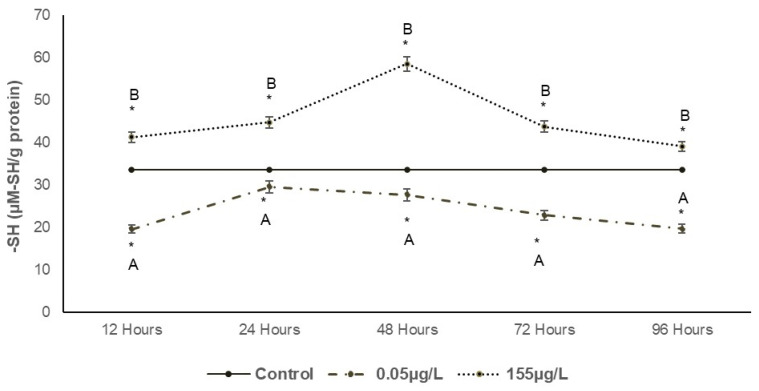 Figure 3
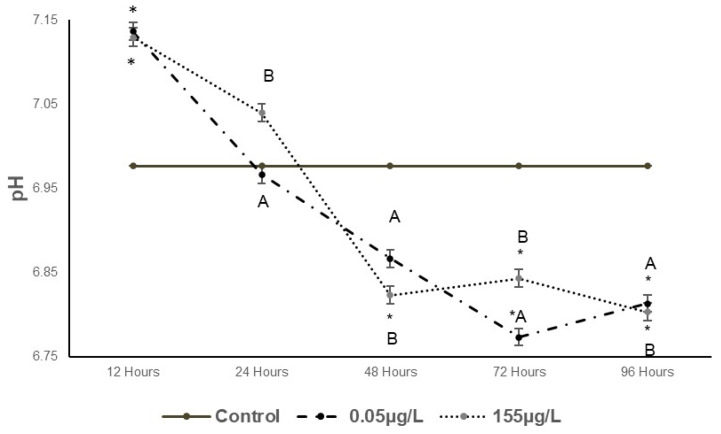 Figure 4
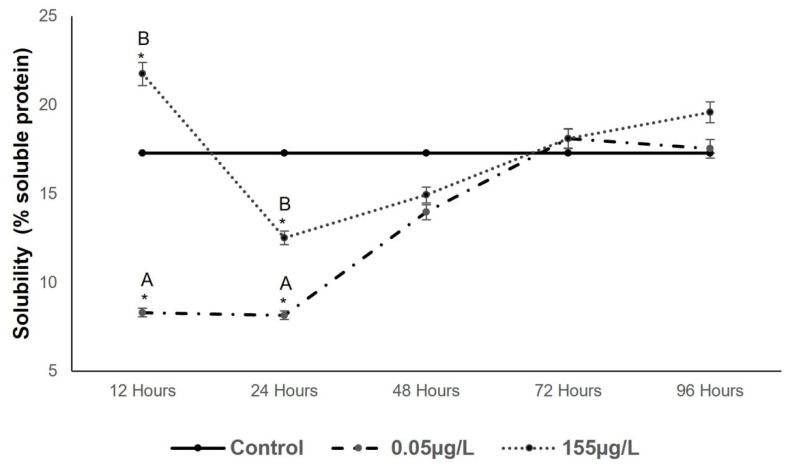 Figure 5
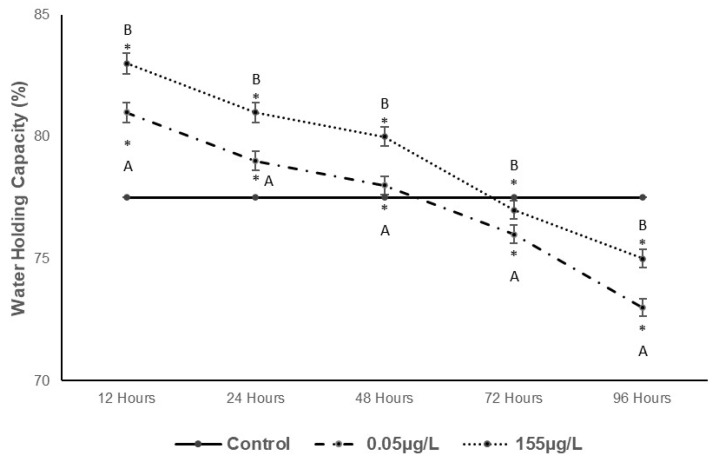 Figure 6
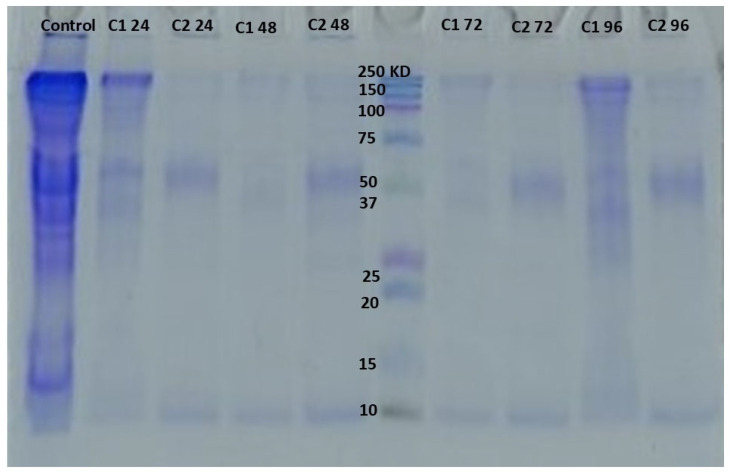 Figure 7
Peer Reviews
No public reviews on file for this paper yet. If you reviewed it on a platform where reviews are public (OpenReview, ICLR, NeurIPS, ICML), you can paste yours below so the community can read it here.
Videos
No videos yet. Explain this paper in a talk, walkthrough, or lecture? Add one.
Taxonomy
TopicsAquaculture Nutrition and Growth · Meat and Animal Product Quality · Biochemical Analysis and Sensing Techniques