The Molecular Mechanism of Polysaccharides from Polygonatum cyrtonema Hua in Improving Hyperuricemia by Regulating Key Targets of Uric Acid Metabolism in Mice
Shoucheng Pu, Jufang Gong, Meihao Sun, Zunhong Hu, Zhihua Wu

TL;DR
This study shows how polysaccharides from Polygonatum cyrtonema Hua reduce high uric acid levels in mice by targeting key metabolic pathways and inflammation.
Contribution
The first demonstration of PCPs' anti-hyperuricemic effects and their molecular mechanisms in mice.
Findings
PCPs significantly reduced serum uric acid and xanthine oxidase activity in hyperuricemic mice.
PCPs downregulated urate transporter 1 and reduced inflammatory cytokines like IL-1β and TNF-α.
Galactose residues in PCPs formed strong hydrogen bonds with XOD and URAT1, improving target regulation.
Abstract
Polygonatum cyrtonema Hua, a plant with a long history of consumption in China, serves both medicinal and edible purposes, and it exhibits numerous pharmacological effects, including promoting kidney health and enhancing immune function. However, the effect and molecular mechanism of Polygonatum cyrtonema polysaccharides (PCPs) on hyperuricemia have not yet been reported. The hyperuricemic mice model was induced by the intraperitoneal injection of potassium oxonate (PO, 300 mg/kg), combined with the intragastric administration of hypoxanthine (HX, 300 mg/kg). Biochemical assays in mice revealed that PCPs markedly lowered high serum uric acid levels, suppressed xanthine oxidase (XOD) activity, and reduced the expression of inflammatory cytokines, including interleukin-1β (IL-1β), interleukin-6 (IL-6), and tumor necrosis factor-alpha (TNF-α). Western blot analysis demonstrated that PCPs…
Genes, proteins, chemicals, diseases, species, mutations and cell lines named across the full text — each resolved to its canonical identifier and authoritative record.
Click any figure to enlarge with its caption.
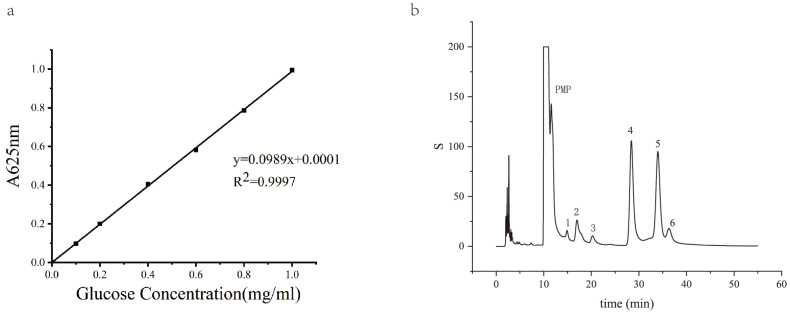 Figure 1
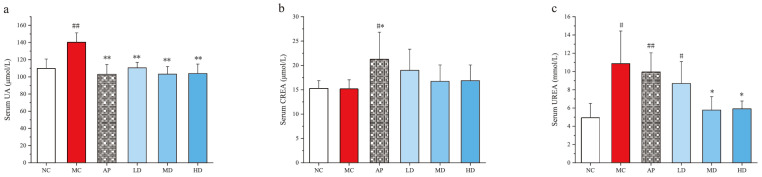 Figure 2
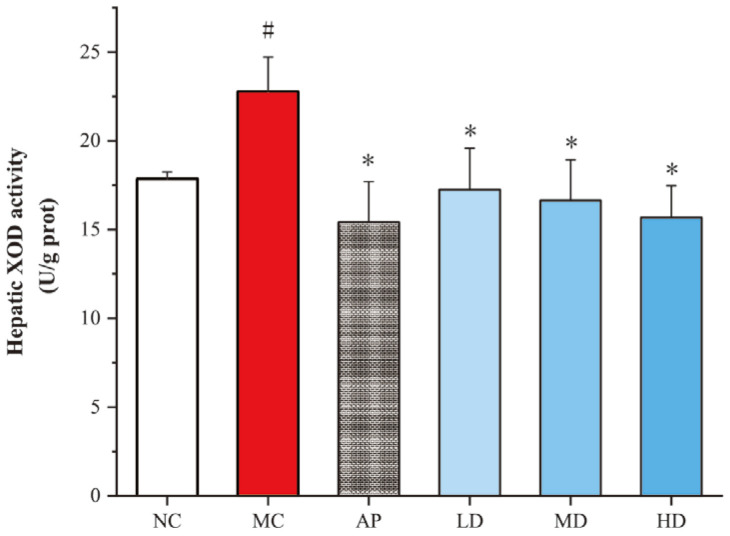 Figure 3
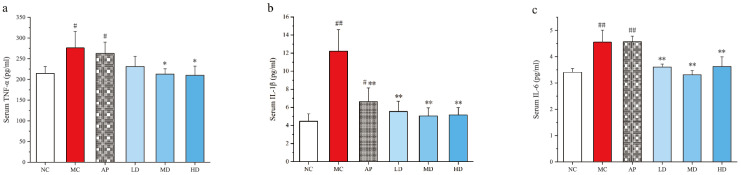 Figure 4
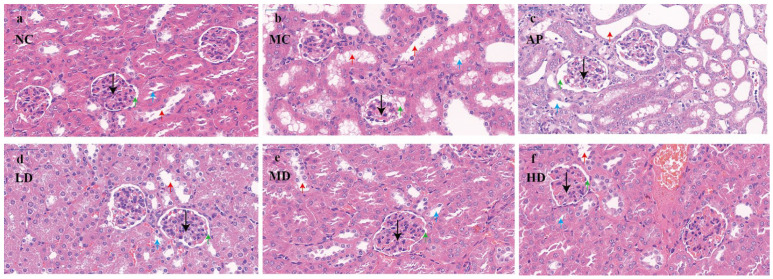 Figure 5
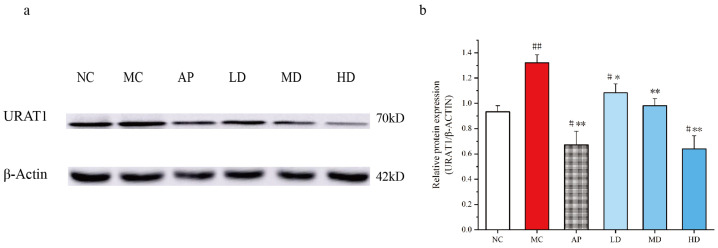 Figure 6
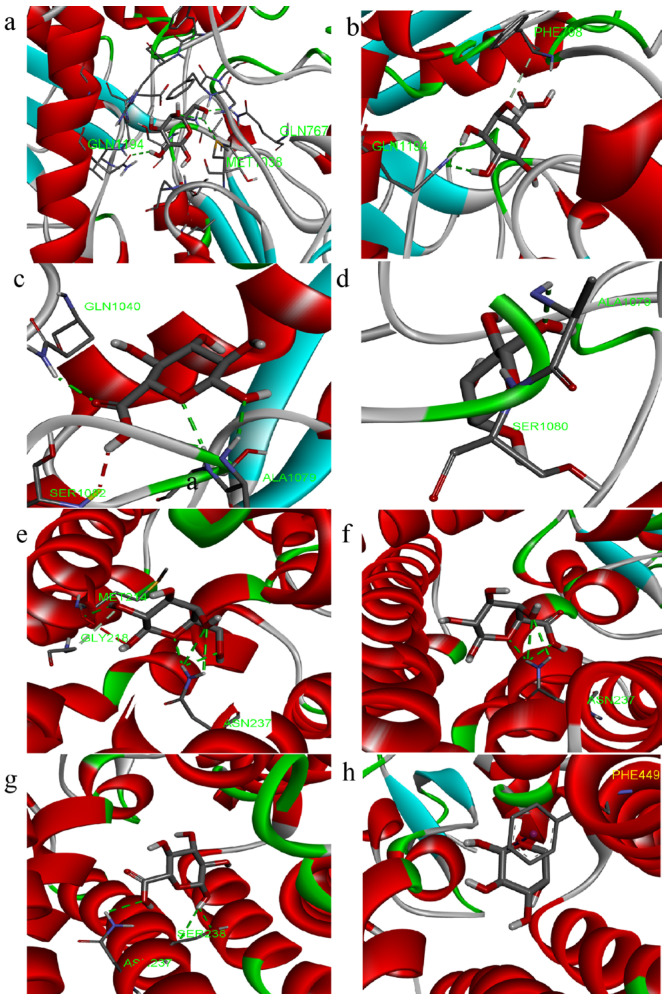 Figure 7
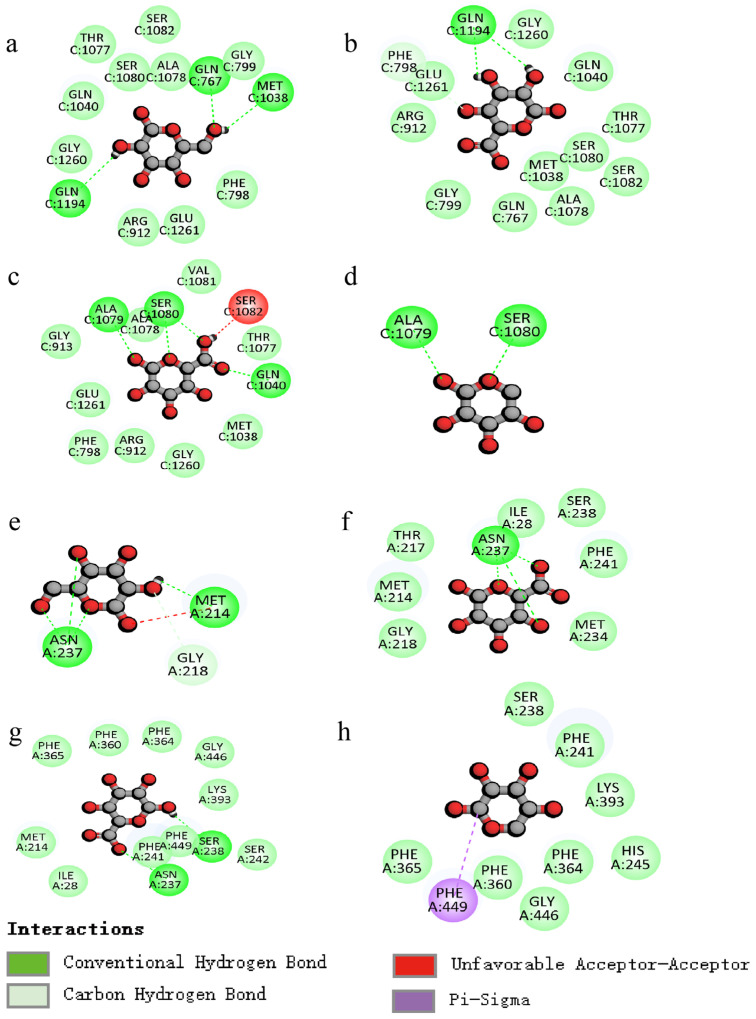 Figure 8
Peer Reviews
No public reviews on file for this paper yet. If you reviewed it on a platform where reviews are public (OpenReview, ICLR, NeurIPS, ICML), you can paste yours below so the community can read it here.
Videos
No videos yet. Explain this paper in a talk, walkthrough, or lecture? Add one.
Taxonomy
TopicsGout, Hyperuricemia, Uric Acid