No Effect of a Commercially Used Odor Repellent for Roe Deer (Capreolus capreolus) Protection During Meadow Harvest
Jan Cukor, Klára Matějka Košinová, Rostislav Linda, Vlastimil Skoták, Richard Ševčík, Tereza Červená, Kateřina Brynychová, Zdeněk Vacek

TL;DR
A commonly used odor repellent failed to protect roe deer fawns during meadow harvests in Central Europe, suggesting a need for alternative methods like thermal-imaging drones.
Contribution
This study provides empirical evidence that a commercial odor repellent is ineffective for roe deer protection during meadow harvests.
Findings
Odor repellent application did not reduce roe deer presence on treated fields compared to controls.
Fawn numbers increased over time regardless of repellent use, aligning with the peak of parturition.
Thermal-imaging drones are suggested as a more effective alternative for detecting and relocating fawns.
Abstract
In the agricultural landscapes of Central Europe, hundreds of thousands of roe deer (Capreolus capreolus) fawns are killed annually during meadow harvests. To prevent this particularly unethical mortality of juveniles, wildlife managers employ various protection measures. One common method is to apply odor repellents in high-risk areas before harvest. Here, we evaluated the effect of the odor repellents on treated areas relative to controls without any measures. The abundance of fawns and adult roe deer was assessed before and after odor application using unmanned aerial vehicles equipped with thermal cameras. The results showed that roe deer numbers on treated fields did not differ from those on control meadows without repellents. The expected efficacy was not demonstrated either in the short term (i.e., in the days immediately following application) or over longer intervals of several…
Genes, proteins, chemicals, diseases, species, mutations and cell lines named across the full text — each resolved to its canonical identifier and authoritative record.
Click any figure to enlarge with its caption.
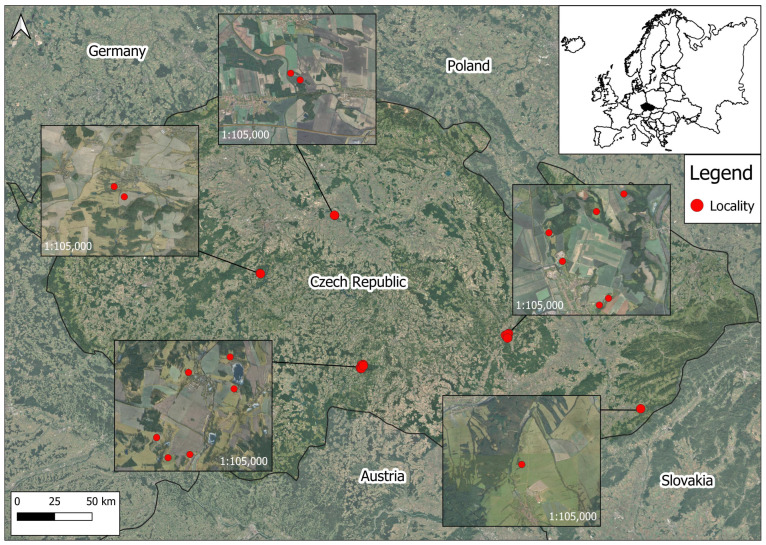 Figure 1
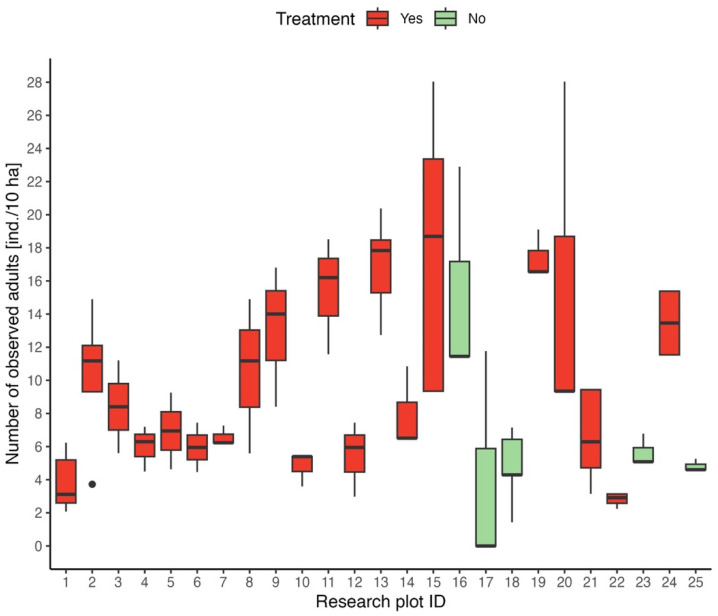 Figure 2
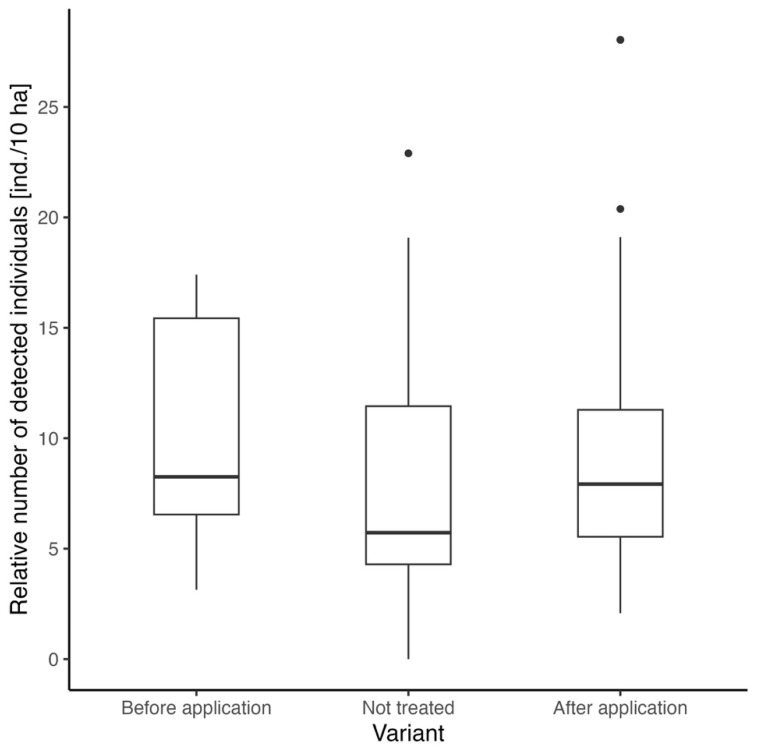 Figure 3
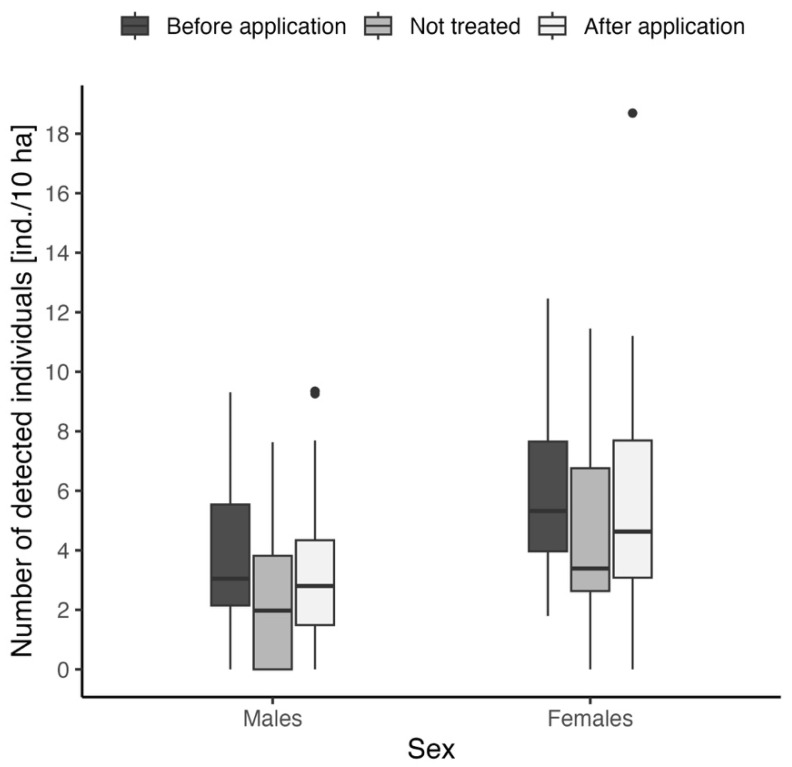 Figure 4
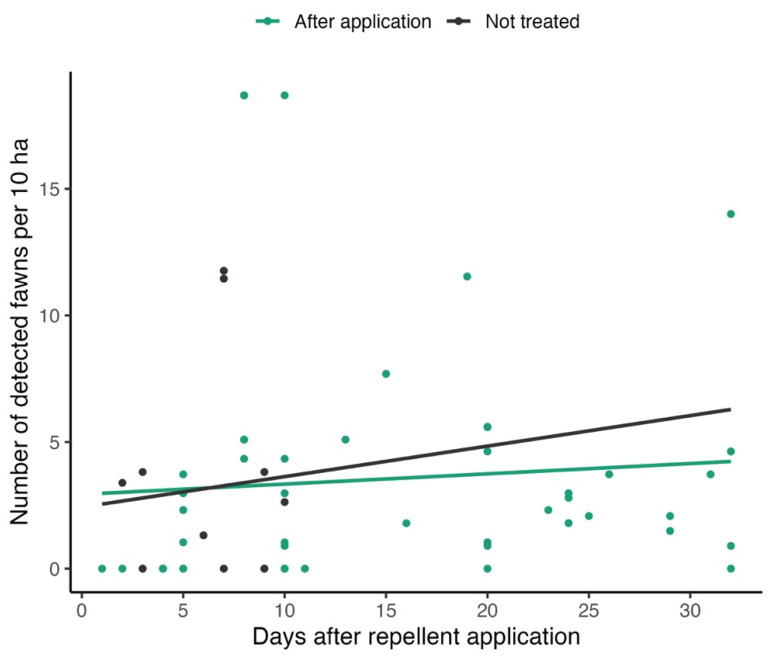 Figure 5
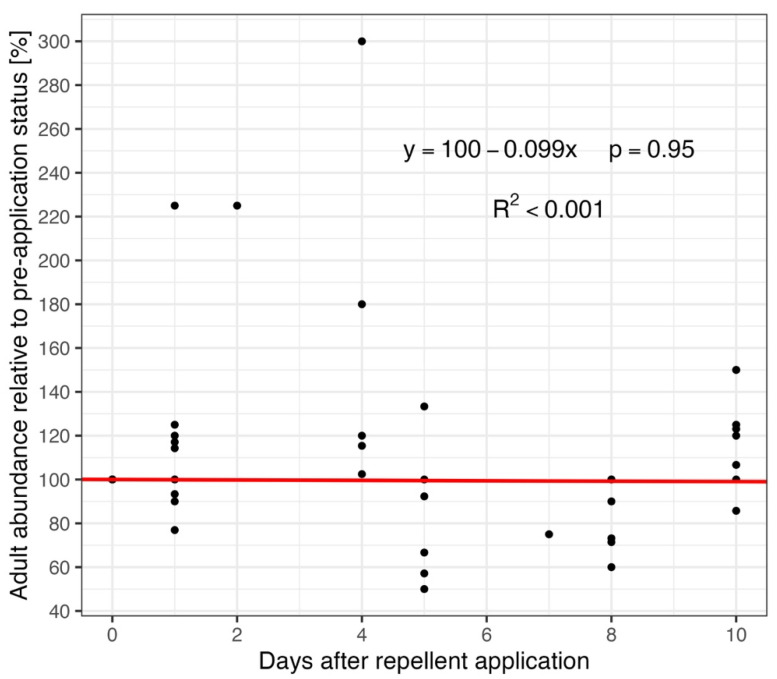 Figure 6
Peer Reviews
No public reviews on file for this paper yet. If you reviewed it on a platform where reviews are public (OpenReview, ICLR, NeurIPS, ICML), you can paste yours below so the community can read it here.
Videos
No videos yet. Explain this paper in a talk, walkthrough, or lecture? Add one.
Taxonomy
TopicsWildlife Ecology and Conservation · Wildlife-Road Interactions and Conservation · Bat Biology and Ecology Studies